
Fortify Your Financial Future: An Essential Emergency Preparedness Guide for Clients
Navigate uncertainty with confidence by building a robust financial safety net before emergencies strike.
Unexpected events – from natural disasters and medical emergencies to job loss or economic downturns – can significantly impact financial stability. As your financial planning partner, we believe proactive emergency preparedness is not just advisable, but essential for safeguarding your assets, protecting your family, and ensuring your long-term financial goals remain on track. This guide provides actionable steps to build resilience and navigate crises effectively.
Highlights of Financial Emergency Preparedness
- Build a robust emergency fund: Aim for 3-6 months of essential living expenses saved in an easily accessible, liquid account to cover immediate needs without derailing investments or incurring high-interest debt.
- Organize critical documents: Compile and securely store physical and digital copies of vital financial, legal, identification, and property records for quick access during and after an emergency.
- Review insurance coverage annually: Ensure your homeowners, renters, auto, health, life, and potentially flood or earthquake insurance policies provide adequate coverage for current risks and replacement costs.
Understanding Your Unique Risks
Assess Potential Threats Before They Strike
The first step in effective financial preparedness is understanding the specific risks you might face. This involves considering geographical location, personal circumstances, and potential economic factors.
Identify Potential Hazards
Are you in an area prone to hurricanes, wildfires, floods, earthquakes, or tornadoes? Consider these natural disaster risks alongside personal possibilities like sudden illness, disability, or unemployment. Economic factors like market downturns or industry-specific job instability should also be evaluated. Resources like FEMA's planning guides can help identify local hazards.
Conduct a Personal Financial Risk Assessment
Evaluate how potential emergencies could impact your income, assets (like property or investments), and liabilities (like mortgages or loans). Assess your current financial health – income stability, debt levels, and existing savings – to gauge your vulnerability. Understanding these specific points of potential weakness allows for a more tailored and effective preparedness plan.
The Cornerstone: Your Emergency Fund
Building a Financial Safety Net
An emergency fund is the bedrock of financial preparedness. It's dedicated savings specifically set aside to cover unexpected expenses or income loss, providing a critical buffer against financial shocks.

Emergency funds are a key topic in financial planning discussions.
Setting the Savings Goal
Financial experts widely recommend saving three to six months' worth of essential living expenses. Essential expenses typically include housing (rent/mortgage), utilities, food, transportation, insurance premiums, and minimum debt payments. Calculate your baseline monthly needs to set a concrete target.
Strategies for Accumulation
- Start Small, Be Consistent: Even starting with a goal of $500 or one month's expenses is a significant step. Consistency is key.
- Automate Savings: Set up automatic recurring transfers from your checking account to a dedicated emergency savings account, even if it's a small amount per paycheck.
- Utilize Windfalls: Direct unexpected income, such as tax refunds, bonuses, raises, or gifts, towards building your emergency fund faster.
- Budget Integration: Incorporate emergency savings as a regular line item in your monthly budget.
Secure and Accessible Storage
Keep your emergency fund in a safe, liquid, and easily accessible account, separate from your regular checking or investment accounts. High-yield savings accounts or money market accounts are often good options, offering slightly better interest rates while maintaining accessibility. Avoid tying these funds up in investments that carry risk or cannot be quickly accessed without penalties.
Organize and Safeguard Vital Documents
Ensuring Access When You Need It Most
In the chaos of an emergency, locating critical documents can be challenging, yet it's crucial for filing insurance claims, applying for assistance, proving identity, and beginning the recovery process. Proper organization and secure storage are paramount.
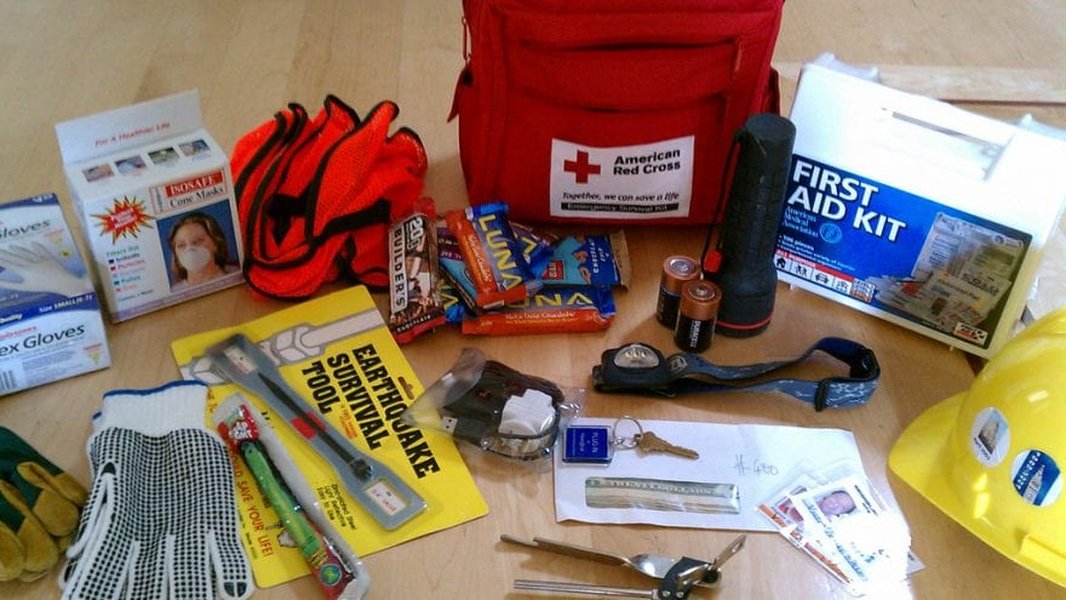
Think of your organized documents as a financial first aid kit.
Compile Your Financial First Aid Kit
Gather essential financial, legal, and personal identification documents. Consider using the framework provided by the Emergency Financial First Aid Kit (EFFAK), developed by FEMA and Operation HOPE, which offers checklists and guidance.
Key Documents to Include
The following table summarizes the critical documents to gather and suggests storage methods:
| Document Category | Examples | Recommended Storage |
|---|---|---|
| Identification & Personal Records | Driver's licenses, passports, birth certificates, Social Security cards, marriage/divorce certificates, adoption papers, military records | Originals in fireproof/waterproof safe or bank safety deposit box; digital copies encrypted (cloud/USB) |
| Financial Account Information | Bank account numbers, credit card details (numbers, contact info), investment/retirement account statements, usernames/passwords for online access (securely stored) | Secure digital storage (password manager, encrypted file); physical copies in secure location |
| Insurance Policies | Homeowners/renters, auto, health, life, disability, flood/earthquake policies (declarations pages, contact info) | Physical copies in emergency kit/safe; digital copies accessible remotely |
| Property Records | Deeds, titles (home, vehicles), mortgage statements, lease agreements, property tax records, home inventory (photos/videos) | Originals in safety deposit box/safe; digital copies |
| Legal Documents | Wills, trusts, powers of attorney (financial and healthcare), advance directives | Originals with attorney/safe; copies accessible to relevant parties/in emergency kit |
| Income & Tax Records | Recent tax returns (3 years), pay stubs, proof of income | Digital copies; physical copies in secure location |
| Medical Information | Health insurance cards, key medical history, list of medications/allergies, doctor contact info | Copies in emergency kit; original cards in wallet |
| Emergency Contacts | List of family members, financial advisor, insurance agents, doctors, lawyer, employer | Multiple copies: digital, physical in kit, shared with trusted contacts |
Secure Storage Solutions
- Physical Copies: Use fireproof and waterproof safes or containers for important originals or copies kept at home. Consider a bank safety deposit box for irreplaceable documents (like original birth certificates or deeds), but remember access might be limited immediately after a widespread disaster.
- Digital Copies: Scan documents and save them to encrypted USB drives, external hard drives, or secure cloud storage services. Ensure strong passwords and consider multi-factor authentication.
- Accessibility: Ensure you, and potentially a trusted family member or designee, know how to access these documents in an emergency. Store copies off-site (e.g., with a trusted relative in another location) as an additional backup.
Regularly review and update your document kit, at least annually or after significant life events.
Insurance: Your Financial Shield
Reviewing and Optimizing Coverage
Insurance is a critical component of risk management, transferring the potential for catastrophic financial loss to an insurer. However, coverage is only effective if it's adequate and up-to-date.
Conduct Annual Policy Reviews
Review all your insurance policies at least once a year or after major life changes (e.g., home purchase, renovation, new car, birth of a child). Ensure you understand:
- Coverage Limits: Is your homeowners insurance sufficient to rebuild your home at current construction costs (replacement cost vs. actual cash value)? Is your liability coverage adequate?
- Deductibles: Can you comfortably afford the deductibles on your policies? Does your emergency fund account for these potential out-of-pocket costs?
- Exclusions: What perils are *not* covered? Standard homeowners insurance often excludes floods, earthquakes, and sometimes sewer backups.
- Policy Details: Confirm policy numbers, contact information for claims, and the claims process itself.
Consider Specific Risk Coverage
Based on your risk assessment, determine if you need additional policies:
- Flood Insurance: Often required in designated flood zones but available elsewhere. Remember, there's typically a 30-day waiting period before flood insurance takes effect.
- Earthquake Insurance: Necessary in seismically active regions.
- Umbrella Liability Insurance: Provides extra liability protection beyond the limits of your home and auto policies, crucial for those with significant assets.
- Life Insurance: Ensures financial support for dependents if you pass away unexpectedly.
- Disability Insurance: Replaces a portion of your income if you're unable to work due to illness or injury.
- Business Interruption Insurance: For business owners, helps cover lost income and operating expenses if the business is forced to close temporarily due to a covered disaster.
Keep copies of your insurance policies and agent contact information in your emergency document kit.
Managing Debt and Maintaining Liquidity
Strengthening Your Financial Foundation
High levels of debt, especially high-interest debt, can exacerbate financial stress during an emergency. Improving liquidity ensures you have access to cash when needed.
Reduce High-Interest Debt
Prioritize paying down high-interest debt like credit cards or personal loans. Reducing these obligations frees up cash flow that can be redirected to savings and lowers your financial burden during a crisis.
Maintain Good Credit Health
A good credit score provides access to credit at favorable terms, which can be a vital lifeline in an emergency. Practice timely bill payments and keep credit utilization low.
Ensure Access to Liquid Funds
Beyond your dedicated emergency fund, understand how to access other potential sources of cash if absolutely necessary, such as lines of credit. However, tapping into retirement funds should generally be a last resort due to penalties and taxes.
Develop Your Comprehensive Plan
Integrating Financial Preparedness into Your Life
A holistic emergency plan goes beyond just savings and documents. It involves budgeting, communication, and specific planning for various aspects of your financial life.
Budgeting and Spending Awareness
A clear understanding of your income and expenses through budgeting is fundamental. It helps identify areas where spending can be reduced to boost emergency savings and provides a baseline for managing finances tightly during a crisis.
Create a Formal Emergency Plan
Use templates from resources like Ready.gov to create a written plan. Discuss it with your family or household members. Key elements include:
- Communication Strategy: How will you contact each other if separated or if normal communication channels are down? Designate an out-of-state contact.
- Evacuation Routes and Meeting Places: Plan primary and secondary routes and locations.
- Financial Decision-Making: Who is authorized to access funds or make financial decisions if you are unable? Ensure powers of attorney are in place.
Protect Digital Financial Assets
Use strong, unique passwords for all financial accounts and enable multi-factor authentication. Consider using a secure password manager. Keep an updated, securely stored list of your online financial services and access information.
Estate Planning Integration
Ensure your will, trusts, powers of attorney, and healthcare directives are up-to-date and copies are accessible. These documents are critical for managing affairs smoothly during or after an emergency.
Considerations for Business Owners
If you own a business, integrate business continuity planning. This includes backing up financial data offsite, reviewing business interruption insurance, and developing a plan to resume operations quickly after a disruption.
Mindmap Overview of Financial Preparedness
This mindmap provides a visual summary of the key areas covered in this financial emergency preparedness guide.
Charting Preparedness Priorities
Visualizing Key Focus Areas
While all aspects of financial preparedness are important, their relative emphasis can vary based on individual circumstances and common financial advice. This chart provides a visual representation of the typical priority given to different components in a comprehensive plan. A higher score indicates greater foundational importance or requiring more immediate focus for most clients.
As shown, establishing a sufficient emergency fund, ensuring documents are organized, and having adequate insurance form the core priorities. Reducing debt, budgeting effectively, communicating the plan, and ensuring broader liquidity build upon this foundation.
Navigating the Aftermath: Recovery Steps
Actions to Take Post-Emergency
Having a plan is crucial, but knowing the immediate steps to take after an emergency strikes is equally important for financial recovery.

Post-disaster recovery involves coordinated financial and logistical steps.
Immediate Actions
- Ensure Safety First: Prioritize the physical safety of yourself and your family.
- Contact Insurance Providers: Notify your insurance companies (home, auto, health) as soon as possible to initiate the claims process. Document damage with photos or videos if safe to do so.
- Secure Financial Resources: Access your emergency fund for immediate needs like temporary housing, food, and essentials. Contact your bank if you have issues accessing accounts.
- Assess Financial Damage: Take stock of the financial impact, including property damage, lost income, and immediate expenses.
Short-Term Recovery
- Apply for Assistance: Explore eligibility for government assistance (e.g., FEMA grants) or aid from non-profit organizations like the Red Cross. Be wary of scams.
- Manage Expenses: Prioritize essential payments (housing, utilities, food). Contact creditors if you anticipate difficulty making payments due to the emergency; they may offer hardship programs.
- Keep Detailed Records: Maintain meticulous records of all disaster-related expenses, repairs, and communications with insurers and agencies. This is vital for claims, potential reimbursements, and tax deductions.
Long-Term Rebuilding
- Re-evaluate Your Budget: Adjust your budget based on the post-emergency financial situation.
- Replenish Savings: Prioritize rebuilding your emergency fund once immediate needs are met.
- Review and Update Your Plan: Learn from the experience. Identify weaknesses in your preparedness plan and make adjustments to strengthen it for the future.
Video Insight: Preparing Your Finances
Expert Advice on Financial Readiness
This video provides practical steps and emphasizes the importance of financial preparedness for unexpected events, reinforcing many of the concepts discussed in this guide. It covers key actions like organizing finances and planning ahead to mitigate the impact of disasters or personal emergencies.
Watching this can offer additional perspectives and reinforce the motivation to take proactive steps towards securing your financial well-being against unforeseen circumstances.
Frequently Asked Questions (FAQ)
Quick Answers to Common Concerns
How much should I *really* save in my emergency fund?
The standard recommendation is 3-6 months of essential living expenses. However, the ideal amount depends on your specific situation. Consider factors like income stability (more stable = potentially closer to 3 months; less stable/variable income = aim for 6+ months), dependents, job security, health status, and other available resources. Start with a smaller, achievable goal (like $1,000 or one month's expenses) and build from there.
Where is the safest place to store my important documents?
A multi-pronged approach is best. Use a combination of:
1. Home Fireproof/Waterproof Safe: For copies of important documents and some originals you might need quick access to.
2. Bank Safety Deposit Box: For irreplaceable originals like birth certificates, deeds, titles. Access may be limited immediately after a disaster.
3. Secure Digital Copies: Encrypted cloud storage or encrypted USB drives (keep one off-site).
4. Trusted Contact: Share copies or digital access information with a trusted family member or friend who lives elsewhere.
Never store all your documents (originals and copies) in one single location.
Does my standard homeowners insurance cover flood damage?
Typically, no. Standard homeowners and renters insurance policies do not cover damage from flooding (defined as rising surface water). Flood insurance must be purchased separately, usually through the National Flood Insurance Program (NFIP) or private insurers. There is often a 30-day waiting period for flood policies to take effect, so don't wait until a storm is approaching to buy it.
What is the Emergency Financial First Aid Kit (EFFAK)?
The EFFAK is a toolkit developed jointly by Operation HOPE and FEMA (Federal Emergency Management Agency). It provides checklists, forms, and guidance to help individuals and families collect and organize critical financial, personal, and medical information before an emergency strikes. Having this information compiled makes it easier to manage finances and start the recovery process after a disaster. You can usually find the latest version on the Ready.gov or FEMA websites.
Recommended Next Steps
Explore Further Insights
- Explore detailed steps for creating an Emergency Financial First Aid Kit (EFFAK).
- Learn how to choose the right flood insurance policy for your home.
- Discover strategies for quickly rebuilding your savings after facing an emergency.
- Find out about financial planning considerations specifically for business disaster recovery.
References
Sources Used in This Guide
Last updated April 30, 2025