
Review of Related Literature on the Utilization of Firefighting Equipment
A comprehensive synthesis on equipment usage, technology advancements, and safety practices
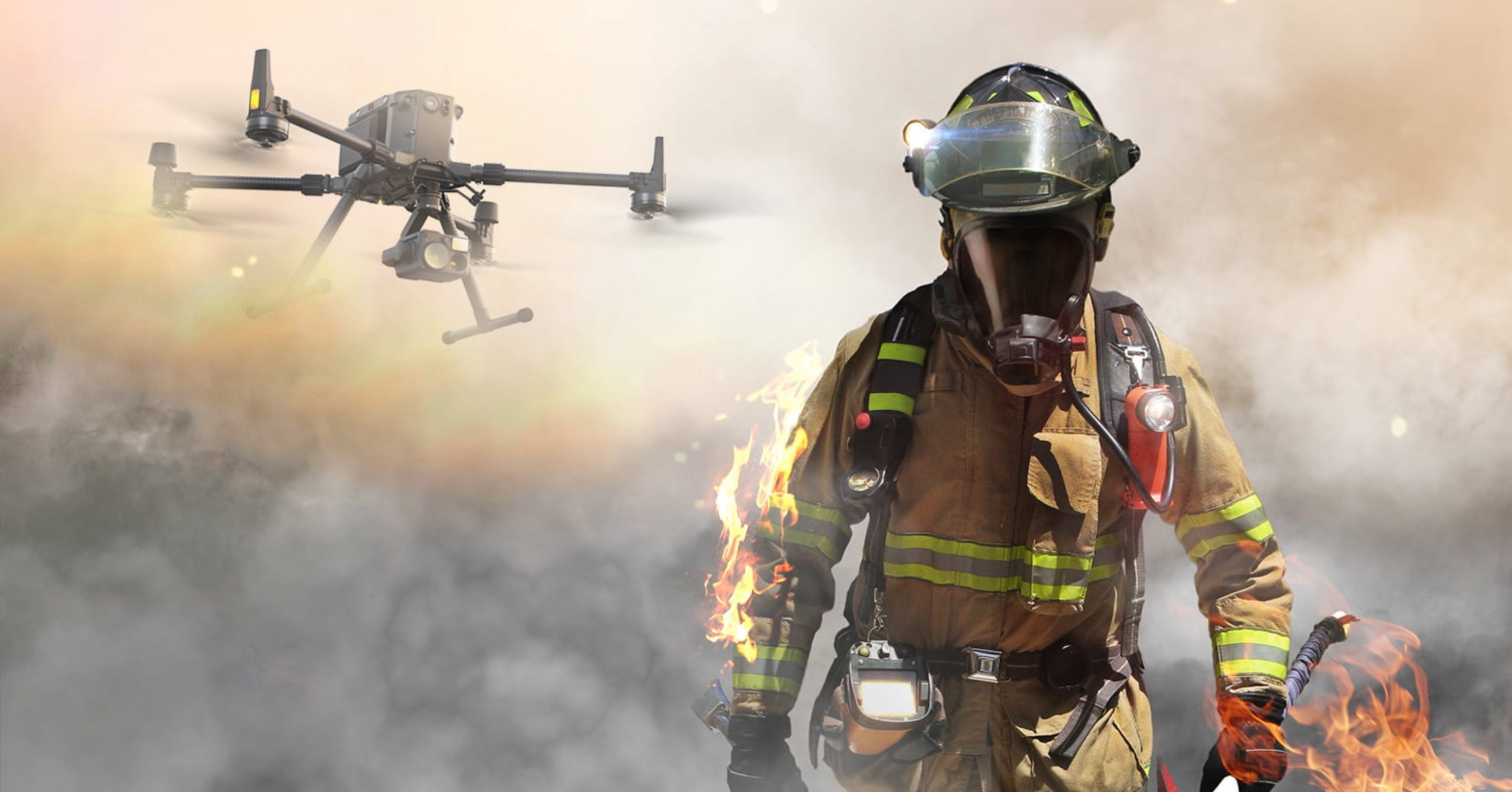
Key Highlights
- Integration of Advanced Technologies: Drones, thermal imaging, and smart helmets aid in situational awareness and enhanced safety.
- Importance of PPE and Maintenance: Personal protective equipment and rigorous maintenance protocols are critical for firefighter protection and operational effectiveness.
- Training, Communication, and Incident Management: Regular training and effective communication significantly improve the utilization of firefighting tools in crisis situations.
Introduction to Firefighting Equipment Utilization
The successful operation of firefighting services depends heavily on the proper use of specialized equipment. Firefighting equipment encompasses a broad range of tools, from conventional fire extinguishers and hoses to modern technological systems such as drones and augmented reality (AR) integrated gear. This review of related literature synthesizes insights from various trusted sources to provide an in-depth understanding of the utilization of firefighting equipment, discussing critical aspects such as technological advancements, PPE effectiveness, training protocols, and equipment maintenance.
Firefighter Protective Equipment (PPE)
Significance of PPE
Personal Protective Equipment (PPE) is at the forefront of safeguarding firefighters from physical, chemical, and thermal hazards. Various studies have emphasized how the integration of advanced fire-resistant materials and smart technology in designing PPE minimizes exposure to dangerous conditions. For instance, research on the thermal performance of firefighter clothing indicates that while PPE can significantly reduce heat stress, its effectiveness is contingent upon regular maintenance and the quality of materials used.
Enhancements in Material and Design
The evolution of PPE has been shaped by continuous innovations in fire-resistant fabrics and heat-resistant gear. New designs focus not only on protection but also on enhancing mobility and reducing the physiological strain on firefighters. Innovations such as smart helmets equipped with AR technology allow real-time communication and situational awareness, while advanced materials provide improved thermal insulation and mechanical protection.
Firefighting Tools and Technologies
Traditional and Modern Equipment
The equipment used by firefighting services covers a spectrum from traditional tools like hoses and fire extinguishers to high-tech devices that enhance operational efficiency. While basic equipment remains essential for immediate response, modern technology plays a critical role in tackling large-scale incidents.
Drones and Thermal Imaging
One of the notable advancements is the incorporation of drones equipped with high-resolution cameras and thermal imaging sensors. These devices provide aerial surveillance, enabling remote identification of hotspots and victims. By offering real-time data, drones help in strategizing firefighting tactics and in facilitating safer navigation through hazardous, smoke-covered environments.
Nozzles and Aerial Equipment
Research on the performance of firefighting nozzles under varied conditions shows that factors such as design, water pressure, and flow rate critically affect their efficiency. Some studies emphasize the need for standardized testing of these nozzles to ensure consistency in performance. Additionally, aerial firefighting equipment like helicopters and air tankers are also deployed in large-scale wildfires. Their effective utilization depends on meticulous planning, coordination, and robust communication systems among emergency response teams.
Technology Integration in Firefighting Operations
Leveraging Information Communication Technologies (ICT)
The application of Information Communication Technology (ICT) in firefighting extends the capability of traditional equipment, ensuring efficient resource management and enhanced situational awareness. Integrating ICT aids in data sharing and coordination among various units during a firefighting operation. For example, the use of interoperable communication systems allows firefighters to deliver and receive crucial updates instantly, thereby improving response times and operational logistics.
Real-Time Data and Analytics
Through the adoption of real-time data analytics, modern firefighting equipment allows for dynamic adjustments to response plans. Thermal imaging data, weather forecasts, and geographical information systems (GIS) work together to provide a comprehensive overview of the ongoing situation. This integration of digital tools supports the decision-making process by highlighting areas that require immediate attention and by identifying potential hazards not visible to the naked eye.
Training and Maintenance of Equipment
Critical Role of Regular Training
Effective use of firefighting equipment is underpinned by rigorous training regimes. Studies consistently highlight the importance of simulation-based training sessions that replicate real-world emergencies. Continuous education efforts help firefighters stay abreast with technological updates and ensure that the practical skills to operate complex machinery are constantly honed.
Simulation Training and Workshops
Simulation training programs, often supported by advanced training equipment, provide firefighters with a controlled environment to practice their responses to various scenarios. These simulations help in building muscle memory and ensuring that firefighters can perform under pressure. Workshops and certification courses further ensure that the transition from new technological tools to effective application is smooth and thorough.
Maintenance and Inspection Protocols
Another pivotal aspect of equipment utilization lies in regular maintenance and inspection. Proper upkeep of equipment—from PPE to sophisticated communication devices—cannot be overstated. Studies reveal that the operational life and effectiveness of firefighting apparatus are significantly enhanced through systematic maintenance schedules, consistent inspections, and prompt repairs. Such protocols prevent equipment failures during critical operations and extend the lifespan of the tools.
Comparative Analysis Table of Firefighting Equipment Aspects
| Aspect | Key Features | Supporting Studies/Articles |
|---|---|---|
| Personal Protective Equipment (PPE) | Fire-resistant fabrics, smart technology integration, ergonomic designs | USFA - FEMA, Iris Publishers |
| Firefighting Nozzles | Varied water pressure, flow rate, specialized designs | Industrial Safety Review |
| Drones & Thermal Imaging | Aerial surveillance, real-time data collection, situational awareness | ScienceDirect |
| Communication Technologies | ICT integration, real-time data analysis, interoperability | NFPA |
| Training & Simulation Equipment | Simulated environments, dynamic training modules, continuous assessment | PMC |
Implementation Challenges and Future Directions
Challenges in Utilization
Despite the technological advancements and improved operational protocols, several challenges persist in the effective utilization of firefighting equipment. One of the primary issues is adapting to rapidly evolving technologies which require continuous training and skill upgrading. Firefighters often face the dual challenges of incorporating new equipment into traditional systems while managing the physical and cognitive load of modern apparatus. Additionally, coordinating between different emergency services, each with distinct equipment, can complicate field operations and delay critical life-saving interventions.
Standardization and Integration
A recurring theme in the literature is the need for standardized testing and evaluation procedures. Without a unified standard, performance metrics of firefighting equipment can vary significantly across different regions and agencies. Future directions in research and policy point towards the integration of international standards that emphasize interoperability among equipment and consistent quality assurance protocols. Enhanced collaboration among manufacturers, regulatory bodies, and the firefighting community is essential for streamlining these processes.
Innovative Trends and Research Opportunities
The literature identifies several promising trends that could revolutionize how firefighting equipment is utilized. These include the increasing role of artificial intelligence (AI) in predicting fire behavior, optimizing resource allocation, and even automating certain aspects of fire suppression. Additionally, augmented reality (AR) is poised to transform how information is relayed to firefighters on the ground, providing overlay maps, hazard zones, and dynamic data that can be accessed in real time.
Integration of AI and Machine Learning
AI and machine learning algorithms are beginning to be integrated into firefighting operations, offering predictive analytics that enhance incident management strategies. These technologies can assess risk by analyzing environmental data, historical incident patterns, and current weather conditions. This proactive approach not only helps in pre-deploying resources but also minimizes risk by providing early warnings of potential hazards.
Summary of Best Practices
Optimizing Equipment Utilization
Based on the synthesis of literature, best practices for maximizing the utilization of firefighting equipment include:
- Regular and Comprehensive Training: Continuous skills enhancement through simulation training, certification courses, and real-world scenario drills ensure that firefighters remain adept with both traditional and modern equipment.
- Rigorous Maintenance Protocols: Adhering to strict maintenance and inspection schedules is vital to preserve the integrity and effectiveness of critical firefighting apparatus.
- Investing in Advanced Technology: The integration of drones, thermal imaging, and AI tools into firefighting operations has been shown to enhance situational awareness and improve response times.
- Adopting Standardized Equipment Testing: Establishing universal standards for equipment performance metrics can lead to better cooperation among different agencies and improved operational efficiency.
- Enhanced Communication Channels: Employing ICT in managing real-time data and ensuring interoperability across communication systems facilitates coordinated, prompt, and effective responses during emergencies.
References
- Tandfonline - Firefighting Equipment Review
- USFA - New Standard for Firefighter PPE
- International Fire & Safety Journal - Equipment Listing
-
Axon - Training Equipment for Firefighters
- ISR Magazine - Recent Trends in Firefighting Equipment
-
ScienceDirect - Firefighter Information Technologies
-
PMC - Occupational Hazards in Firefighting
Recommended Further Reading
Last updated March 22, 2025