
Food Sources and Kinds of Starches
Exploring the classification of starches by their sources for a comprehensive nutritional analysis
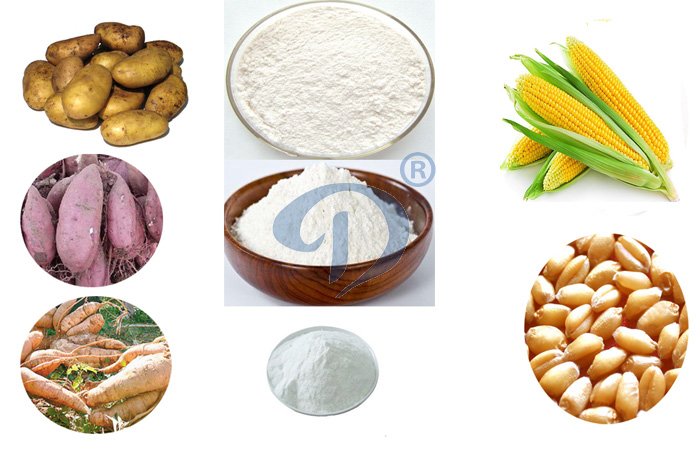
Key Highlights
- Core Sources: Grains, tubers, legumes, and certain fruits contribute to the majority of dietary starches.
- Starch Types: Natural, modified, and waxy classifications indicate both the composition and industrial applications.
- Nutritional Impact: Starches not only supply energy but also influence digestion and overall health.
Introduction
Starches are complex carbohydrates that are pivotal in both plant energy storage and human nutrition. Derived mainly from various plant sources, starch serves as the primary reserve energy for humans and animals. This research paper examines the gastronomic and nutritional significance of starches, focusing on their sources and detailed classifications according to the origin.
Food Sources of Starches
The primary food sources of starch are classified based on the botanical origin of the plant. These sources include grains, legumes, tubers, and some fruits. Each of these categories contributes unique attributes in terms of starch composition, digestibility, and associated nutritional benefits.
Grains
Overview of Grain-Derived Starches
Grains are the most ubiquitous sources of starch and include common cereals such as rice, wheat, maize, barley, oats, and sorghum. These foods are rich in amylose and amylopectin, the two primary molecular components of starch. Typically, cereal grains contain approximately 26-28% amylose, which contributes to texture and digestibility.
The structural properties of cereal starches also influence their behavior during cooking and processing. For example, the A-type crystalline structure is predominantly found in cereal starches, contributing to their unique gelatinization properties when heated.
Legumes
Nutritional Importance and Starch Content
Legumes, such as beans, lentils, peas, and chickpeas, not only offer significant amounts of starch but also present a balanced nutritional profile with protein and fiber. The starch content in legumes is paired with a low glycemic index, which helps in maintaining stable blood sugar levels post-consumption. This makes legumes an excellent food choice for individuals requiring slow and sustained energy release.
Tubers and Roots
Diverse Applications in Culinary Practices
Tubers and roots, including potatoes, sweet potatoes, cassava, and arrowroot, are another primary source of dietary starch. These foods typically exhibit a higher amylopectin content, especially in the case of waxy starch varieties where the linear component (amylose) is lower. The starch derived from tubers is important not only for energy provision but also for the supply of essential micronutrients like vitamin C and potassium.
The B-type crystalline structure, which is common in tuber starches, influences the digestibility and retrogradation of starch—a process that affects the texture and shelf-life of culinary preparations.
Fruits
Starch in Fruits and Its Digestive Implications
While not as prevalent as grains and tubers, certain fruits like green bananas and plantains contain considerable amounts of starch. The starch in these fruits is often resistant to digestion, meaning it provides a slow release of energy while contributing to a healthy gut environment. Resistant starch acts similarly to dietary fiber, promoting fermentation in the colon and aiding in digestive health.
Classification of Starches According to Source
The classification of starches extends beyond mere food sources; it also involves categorizing them based on their molecular composition and functional properties. This section details key classifications that have important nutritional and industrial applications.
1. Natural Starches
Constituents and Properties
Natural starches are inherent in plant-based foods and consist primarily of glucose polymers—namely amylose and amylopectin. Their ratio varies between different sources:
- Cereal grains: Approximately 26-28% amylose
- Tubers and roots: Typically 17-23% amylose
The proportion of these components influences the physical properties of the starch such as gelatinization temperature, viscosity, and texture. The unique functional nature of starch derived from different sources allows for diverse culinary and industrial applications.
2. Modified Starches
Enhancing Functionality
Modified starches are produced by chemically or physically altering natural starches to enhance solubility, viscosity, and stability. This modification process assists in the creation of starch-based products that may require specific textural properties or resistance to high temperatures during cooking and processing. Modified starches are prevalent in the food processing industry, where consistency and shelf-life are critical.
3. Waxy Starches
Specialized Uses in Food Products
Waxy starches are characterized by their near absence of amylose, being almost entirely composed of amylopectin. This gives them unique thickening properties that are ideal for producing a smooth texture in products such as sauces, soups, and puddings. The absence of amylose means these starches are very effective in stabilizing emulsions and creating desired consistencies in processed foods.
4. Starch Digestibility Categories
Digestive Impact and Health Benefits
Beyond their source and modification, starches can also be classified based on their digestibility, which directly relates to their nutritional impact:
- Rapidly Digestible Starch (RDS): Quickly hydrolyzed into glucose, offering immediate energy but causing rapid blood sugar spikes.
- Slowly Digestible Starch (SDS): Broken down at a slower rate, providing a more gradual energy release suitable for sustained metabolic activity.
- Resistant Starch (RS): Not digested in the upper gastrointestinal tract, it reaches the colon where it acts like fiber and supports gut microbiota.
Comparative Analysis of Starch Sources
To provide a comprehensive understanding of the varied sources and types of starches, the following table summarizes key properties and examples of each category.
| Source Category | Examples | Starch Composition and Properties |
|---|---|---|
| Grains | Rice, Wheat, Maize, Barley, Oats, Sorghum | Amylose (26-28%), predominantly A-type crystalline structure, versatile in culinary applications |
| Legumes | Beans, Lentils, Peas, Chickpeas | Moderate starch with balanced protein and fiber, lower glycemic impact |
| Tubers and Roots | Potatoes, Sweet Potatoes, Cassava, Arrowroot | Typically lower in amylose (17-23%), high amylopectin content, often displaying B-type crystalline structure |
| Fruits | Green Bananas, Plantains | Contains resistant starch which acts similar to fiber, slower energy release |
Applications and Functionalities
Understanding the various classifications and sources of starches is crucial for both nutrition research and food industry applications. Starch-based ingredients play a vital role in food technology, affecting texture, taste, and preservation.
Industrial Applications
Role in Food Processing
Modified starches are widely used in the food industry to alter consistency and improve shelf-life. They enhance the stability of sauces and dressings, act as thickening agents in soups and desserts, and are even essential in gluten-free baking, where traditional wheat starches are replaced by alternatives like cassava and tapioca starch.
Health Implications
Dietary Considerations
Starch not only serves as an energy reservoir but also influences metabolic health. Rapidly digestible starches can lead to quick increases in blood glucose levels, which may be undesirable for individuals with insulin sensitivity or diabetes. On the other hand, slowly digestible and resistant starches contribute to prolonged energy release and have positive effects on gut health. Resistant starches in particular function similarly to dietary fiber, fostering a healthy gut microbiome and potentially reducing the risk of chronic diseases.
Research and Analytical Perspectives
Scientific research into starches explores both molecular characteristics and broader nutritional outcomes. Advances in techniques such as microscopy and chromatographic analysis have enhanced the understanding of starch granule structure, its crystallinity, and the impact of processing on starch functionality.
Laboratory Analysis Techniques
Methodologies and Modern Advances
Analytical methods such as differential scanning calorimetry (DSC) and X-ray diffraction (XRD) are employed to study starch gelatinization and crystalline structures. These processes reveal insights into the molecular makeup of starch, including the ratio of amylose to amylopectin, which is critical in predicting starch behavior during culinary preparation and industrial processing.
Nutritional Studies
Evaluating Health Outcomes
Research studies have demonstrated that dietary starches, when consumed as part of whole foods, contribute substantially to energy intake while also delivering essential vitamins and minerals. Diets rich in whole grains, legumes, and tubers are correlated with improved metabolic health, likely due to a combination of slow energy release, dietary fiber, and other bioactive compounds present in the food matrix.
Integration of Findings and Nutritional Impact
The integration of food sources and starch classifications provides a complex yet systematic understanding of how starches impact human health and food technology. Each starch source contributes unique benefits, ranging from immediate energy supply to long-term health benefits associated with low glycemic responses and enhanced gut health.
Nutritional recommendations encourage a balanced intake of starchy foods, emphasizing the importance of whole grains, legumes, and minimally processed tubers over highly refined starch sources. This integrated approach supports both optimal energy regulation and overall metabolic health.
References
- High Starch Foods - Healthline
- Classification of Food Starches - Biotechnology Notes
- Types of Starches Explained - Tasting Table
- Starchy Foods Overview - Medical News Today
- Starchy Foods and Carbohydrates - NHS
Recommended Queries for Further Exploration
Last updated March 9, 2025