
Research on Food Sources and Kinds of Starches
An Informative and Constructive Report on Starch Classification by Source
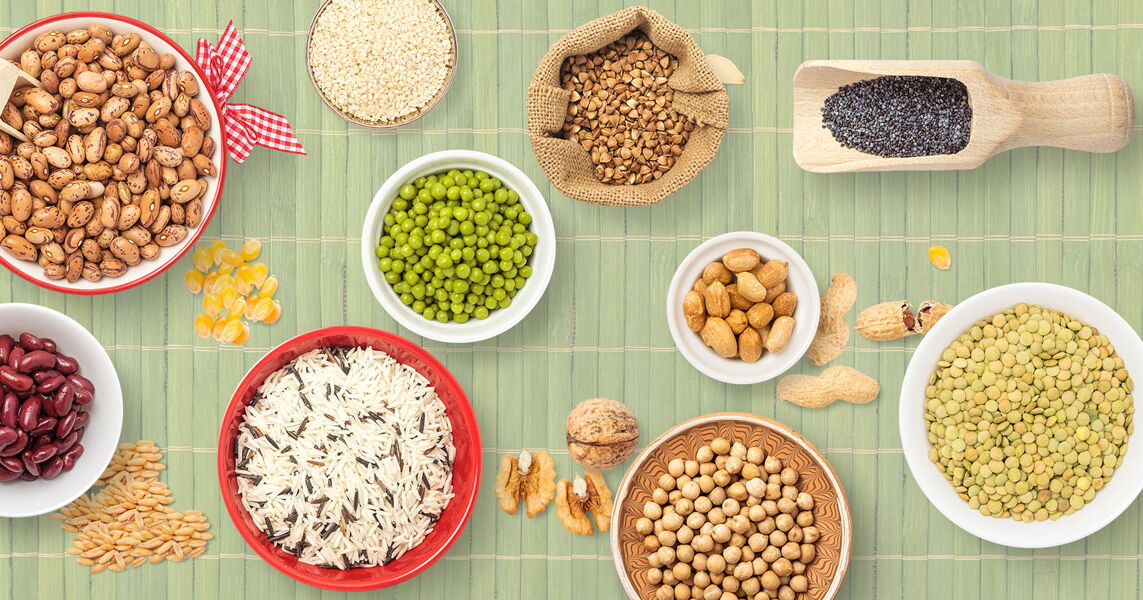
Key Insights
- Natural Sources Overview: Starches are primarily found in cereal grains, roots and tubers, and legumes, each offering distinctive nutritional profiles and structural properties.
- Detailed Starch Types: The classification includes not only natural starches but also modified and resistant starches which affect digestibility and food applications.
- Health and Culinary Impact: Understanding starch types aids in diet formulation and provides insight into energy delivery, gut health, and food texture engineering.
Introduction
Starch is a fundamental complex carbohydrate widely present in the human diet and a vital energy source derived from plant-based foods. It is composed of numerous glucose units which are linked chemically, forming either amylose, a mostly linear molecular structure, or amylopectin, which has a branched configuration. The classification of starches according to their source not only aids in nutritional understanding but also illuminates their diverse applications in food processing and health management. This report provides a comprehensive analysis of food sources and kinds of starches, focusing on their classification by origin.
Classification of Starches According to Source
1. Cereal Grains
Cereal grains form the most significant category in the dietary intake of starch. These grains include common staples such as rice, wheat, corn, oats, barley, rye, sorghum, and millet. They contain a high proportion of starch within their endosperm, serving as a dense source of energy. In whole grains, additional components such as bran and germ provide essential vitamins, minerals, and dietary fiber, enhancing the nutritional profile compared to refined versions.
Starch Characteristics in Cereal Grains
The starch in cereal grains generally exhibits an A-type crystalline structure, which is associated with faster gelatinization properties and digestibility factors. The amylose content ranges are significant—rice and corn typically have varied amylose proportions, which influence the texture and cooking behavior. The high starch content in cereal flours, such as those from wheat and sorghum, also lends itself to a multitude of food products from breads to pastas.
2. Roots and Tubers
Roots and tubers are another major source of dietary starch. These plant parts are designed to store energy, making them particularly rich in starch. Potatoes are the prime example, alongside other sources like sweet potatoes, cassava (tapioca), and arrowroot. The structural properties in this category are distinct when compared to cereal grains.
Structural and Nutritional Aspects
Starches from tubers often reveal a B-type crystalline structure, which tends to be less susceptible to rapid gelatinization. This difference confers unique textural and nutritional properties to meals prepared from these sources. For example, potatoes not only supply energy through their starch but also contribute valuable micronutrients such as vitamin C and potassium. Cassava is frequently processed into tapioca or used as a thickener in various culinary recipes.
3. Legumes
Legumes, including beans, lentils, chickpeas, and peas, are important sources of starch as well as plant-based proteins and fibers. Although their starch content may not be as high as that found in cereals or tubers, legumes provide a complementary nutrient profile that supports a balanced diet.
Digestive and Health Implications
The starch in legumes is often high in resistant starch, a type that escapes digestion in the small intestine and promotes healthy gut microbiota via fermentation in the large intestine. This structural component is linked with benefits such as improved blood sugar regulation and increased satiety. Consequently, legumes are a critical inclusion in dietary strategies aimed for long-term energy release.
4. Other Plant-Based Sources
Beyond the main categories, other plant-based sources such as tapioca from cassava and potato starch used as a standalone ingredient are prevalent. These are especially significant in culinary applications as thickeners and stabilizers. Such starches are frequently utilized in gluten-free recipes due to their unique abilities to mimic the texture provided by gluten.
Functional Properties
Modified starches, which include these non-traditional forms, are typically enhanced for specific food properties such as improved texture, emulsification, and stability. Their production involves physical or chemical alterations of natural starch, rendering them more suitable for industrial and domestic culinary uses. In addition to serving as a thickening agent, modified starches contribute to the aesthetic appeal and shelf stability of processed foods.
Types of Starches Based on Digestibility and Modification
Digestibility Categories
Classifying starches based on digestibility is essential to understanding their metabolic impacts and nutritional benefits. There are three primary sub-categories:
Rapidly Digestible Starch (RDS)
RDS is the portion of starch that is quickly hydrolyzed and absorbed, leading to rapid increases in blood glucose levels. Typical examples include refined cereal products, white bread, and certain cooked vegetables. These foods tend to have higher glycemic indices, which may influence energy metabolism and satiety.
Slowly Digestible Starch (SDS)
SDS is digested more gradually, providing a steady release of glucose. Foods containing SDS, such as whole grains and certain legumes, help in maintaining energy levels over extended periods and are beneficial for blood sugar control. This type supports a more balanced metabolic response compared to RDS.
Resistant Starch (RS)
Resistant starch bypasses digestion in the small intestine, reaching the colon intact where it functions similarly to dietary fiber. RS is categorized into various types (RS1, RS2, RS3, RS4) based on factors such as granular structure and retrogradation. This starch variety is key for colon health, promoting beneficial bacterial growth and enhancing digestive well-being.
Modified Starches
In addition to naturally occurring starches, modified starches are produced through physical or chemical processing. These modifications target improved functional properties such as enhanced thickening, stability, and emulsification in processed foods. Modified starches are ubiquitous in culinary applications ranging from sauces to baked goods, offering a controlled texture and facilitating extended shelf life.
Comparative Analysis of Different Starch Sources
The following table consolidates the primary differences among the starch sources discussed above, highlighting the main characteristics, typical starch content, and specific food applications:
| Source Category | Common Foods | Structural Properties | Notable Health Impacts |
|---|---|---|---|
| Cereal Grains | Rice, wheat, corn, oats, barley, sorghum, millet | A-type crystalline structure; variable amylose content | High energy density; may contribute to rapid glucose spikes if refined |
| Roots and Tubers | Potatoes, sweet potatoes, cassava, arrowroot | B-type crystalline structure with slower gelatinization | Rich in micronutrients and offer a steadier release of energy |
| Legumes | Beans, lentils, chickpeas, peas | Often high in resistant starch; complex starch-fiber matrix | Supports gut health and sustainable energy release |
| Other Plant-Based Sources | Tapioca, potato starch | Often modified for specific applications | Useful as thickening agents; suitable for gluten-free diets |
Functional and Nutritional Implications
Understanding starch sources is critical for both nutritional science and food engineering. The digestibility, glycemic index, and physical properties of starch have significant implications for meal planning and food product development.
Nutritional Benefits
Foods high in complex carbohydrates, specially resistant or slowly digestible starch, promote satiety and help regulate blood sugar levels. This is particularly important in managing chronic conditions such as type 2 diabetes. Whole grains and legumes stand out by providing additional micronutrients, antioxidants, and dietary fiber, making them a healthful inclusion in many diets.
Culinary and Industrial Applications
From a food processing perspective, the functionality of starches, such as their ability to thicken or stabilize mixtures, is critical. Modified starches are tailored for specific applications like dessert fillings, sauces, and soups where product consistency and shelf life are important. Moreover, the unique properties of starch derived from roots and tubers make these particularly desirable in specialty food markets emphasizing gluten-free or allergen-free products.
Emerging Research and Future Directions
Ongoing research into the properties of starch continues to uncover innovations in food technology and nutrition. Scientists are exploring the optimization of starch modification processes to enhance not only culinary outcomes but also functional nutritional benefits. For instance, advances in biotechnology are enabling more precise modifications of starch molecules, potentially altering their digestibility characteristics and influencing metabolic responses.
Recent studies focus on the interplay between naturally occurring resistant starch and gut microbiota, emphasizing its potential in preventive nutrition and therapeutic diets for metabolic disorders. In parallel, research into the extraction and recovery of starch from non-traditional sources like underutilized tubers and legumes is expanding, aiming to create a more diverse portfolio of sustainable, nutrient-dense starch products.
References
- High Starch Foods - Healthline
- What is Starch? - MedicalNewsToday
- Classification and Sources of Starch - SlideShare
- Classification of Food Starches - BiotechnologyNotes
- Starch - Wikipedia
- Top 10 Foods Highest in Starch - My Food Data
- Starchy Foods and Carbohydrates - NHS
Recommended Further Inquiries
Last updated March 9, 2025