
Interesting Facts About the 4th Mass Extinction
Explore the remarkable details of the end-Triassic crisis that reshaped life on Earth
Highlights
- Timing and Duration: Occurred approximately 201 million years ago and spanned around 18 million years.
- Ecological Impact: Eliminated about 76-80% of species, paving the way for the rise of dinosaurs.
- Probable Causes: Primarily linked to massive volcanic eruptions and greenhouse gas emissions causing severe climate changes.
Overview of the Event
The 4th mass extinction, often referred to as the End-Triassic extinction or the Triassic-Jurassic extinction event, is a defining moment in the history of our planet. This event, which occurred approximately 201 million years ago, marks a critical transition between the Triassic and Jurassic periods. What makes this extinction event particularly intriguing is not only its extensive duration but also the multifaceted factors that contributed to a dramatic loss of biodiversity across both marine and terrestrial ecosystems.
Key Aspects of the 4th Mass Extinction
Timing and Duration
Defining the Timescale
The 4th mass extinction did not occur as a single, instantaneous event. Rather, it was a series of smaller extinction pulses that unfolded over roughly 18 million years. This extended timeframe allowed various environmental, climatic, and ecological factors to accumulate, ultimately resulting in widespread species loss. The relatively gradual pace set this event apart from some of the abrupt extinction phenomena observed in other periods of Earth's history.
In geological terms, the end of the Triassic Period and the beginning of the Jurassic Period is marked by significant shifts in sedimentation, geochemical cycles, and fossil records. These shifts signal not just an abrupt change in life forms, but a prolonged period of environmental instability influenced by volcanic activities and climatic fluctuations.
Magnitude of Biodiversity Loss
Scope of Extinctions
The extent of species loss during this mass extinction was truly staggering. Estimates suggest that approximately 76% to 80% of both marine and terrestrial species were wiped out. In the marine realm, several prominent invertebrate groups and plankton species vanished, severely disrupting the oceanic food chain and ecosystem stability. On land, the loss was equally profound, affecting a variety of organisms ranging from early reptiles to intricate plant life.
Not only did many individual species vanish, but there was also a considerable reduction in higher taxonomic groups. Approximately 23% of all biological families and nearly half of the recognized genera became extinct during this period. The scale of these losses underscores the event's role in causing a radical reorganization of ecological niches and biotic communities globally.
Environmental and Climate Changes
Volcanic Activity and Greenhouse Effects
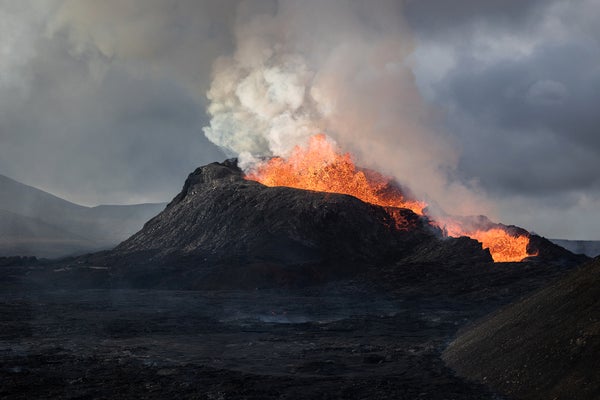
The primary culprit behind this extensive extinction is believed to be massive volcanic activity. During the breakup of the supercontinent Pangaea, extensive volcanic events took place in what is now recognized as the Central Magmatic Province, associated with the early stages of the opening of the Atlantic Ocean. These eruptions released enormous quantities of greenhouse gases, notably carbon dioxide (CO₂) and methane (CH₄), into the atmosphere.
The release of these gases initiated or intensified a pronounced greenhouse effect, leading to relentless global warming. Elevated temperatures disrupted metabolic and reproductive processes across many species and altered weather patterns dramatically. This warming could have contributed to other secondary effects, including:
- Prolonged periods of acid rain, which would deteriorate both terrestrial soils and aquatic environments.
- Increased ocean acidification that adversely affected calcifying organisms such as corals and shellfish.
- Prolonged droughts in certain regions, contributing to diminished available freshwater for ecosystems.
These environmental stresses further compounded the difficulties for species struggling to adapt to rapidly changing conditions, ultimately accelerating their path toward extinction.
Geochemical Evidence
Geological records provide compelling evidence to support the role of volcanism in the extinction event. One significant marker is the elevated mercury levels found in sedimentary deposits from the period. Mercury, which is released during volcanic eruptions, provides an indirect yet powerful signal for extensive volcanic activity. Additionally, shifts in isotope ratios and changes in sediment accumulation patterns further corroborate the occurrence of drastic climate change during this era.
Ecological Impact and Aftermath
Resetting the Ecosystem
The aftermath of the 4th mass extinction led to a profound reordering of ecosystems. With the disappearance of many dominant species, numerous ecological niches were left vacant. This void created opportunities for new groups of organisms to evolve and diversify. Most notably, the extinction event is often credited with clearing the path for dinosaurs to become the dominant terrestrial vertebrates, eventually leading to their extensive radiation during the Jurassic Period.
In aquatic environments, the extinction reset the balance between various planktonic and benthic communities. The vacuum left by the demise of numerous marine species allowed for the evolution of new forms of life, contributing to an increasingly diverse and dynamic marine biosphere in subsequent eras.
This evolutionary repatterning is a key concept in paleobiology; mass extinction events, albeit catastrophic, can serve as catalysts for diversification. The reduction in competition and competition-driven evolutionary pressures provided a fertile ground for innovation within the surviving groups.
Detailed Analysis of Contributing Factors
Understanding the Causes
Volcanism and Continental Rifting
The extensive volcanic eruptions during the end of the Triassic period are central to understanding the mass extinction. Large igneous provinces formed during this time, notably the Central Magmatic Province, which is strongly linked to the rifting processes that accompanied the breakup of Pangaea. As water bodies started to form and continents drifted apart, significant stretches of flood basalts were emplaced on the Earth's surface. The impact of these eruptions was twofold: firstly, they emitted volcanic gases that drastically altered the composition of the atmosphere, and secondly, the thermal effects of such eruptions heated the surrounding environment, leading to regional climate anomalies.
The resulting climate change was not limited to a simple rise in global temperatures; it was accompanied by a host of environmental perturbations. For instance, acid rain generated by sulfur-rich volcanic emissions would have leached essential minerals from the soil while excessively acidifying bodies of water. As a consequence, the environmental stress on flora and fauna was intense and sustained.
Mercury Anomalies and Isotopic Shifts
One critical line of geochemical evidence highlighting the volcanic origins of this mass extinction is the detection of abnormal mercury levels in sedimentary rock deposits. Mercury anomalies are significant because they are typically associated with volcanic outpourings. An increase in mercury combined with other geochemical indicators, such as variances in carbon isotopes, underscores the magnitude of toxic gas releases during these eruptive periods.
Furthermore, changes in stable isotope ratios serve as a chemical fingerprint, recording the rapid shifts in global carbon cycles. These shifts not only point to volcanic emissions but also indicate how these emissions disrupted the balance between organic carbon production and oxidation processes across the globe.
Biological and Ecological Consequences
Marine Ecosystems Under Duress
Marine ecosystems were particularly vulnerable to the cascading effects of this mass extinction. The extensive loss of calcifying organisms, which build shells and skeletons from calcium carbonate, had a domino effect on the marine food web. Coral reefs, mollusks, and even certain types of plankton suffered dramatically from the increased acidification of ocean waters. The loss of these key groups resulted in diminished structural complexity in marine habitats, compromising the stability and diversity of marine ecosystems.
Terrestrial Ecosystems and the Rise of Dinosaurs
On land, the disappearance of numerous early reptilian groups, amphibians, and other terrestrial organisms created profound shifts in ecological dynamics. Prior to the extinction, various clades occupied roles that maintained a balance in terrestrial ecosystems. Once these dominant groups were diminished, it allowed opportunistic species to proliferate. Among these opportunists were the early dinosaurs that exploited new ecological niches, leading to their eventual dominance throughout the Jurassic.
The diversification of dinosaurs illustrates an important evolutionary principle: that mass extinctions, while devastating, also create openings in ecosystems that can lead to rapid adaptive radiations by surviving clades. In the subsequent Jurassic period, these emerging dinosaurs exploited their newfound dominance, giving rise to a range of morphological and ecological variations that would define the era.
Comparative Timeline and Biodiversity Shifts
Timeline of Major Events
To better understand the scale of the 4th mass extinction, it can be helpful to consider a detailed timeline juxtaposed with major events of that era. The following table summarizes key aspects and milestones associated with this extinction event:
| Event | Timeframe | Key Changes |
|---|---|---|
| Onset of Volcanic Activity | ~219–210 million years ago | Formation of flood basalts; initial release of greenhouse gases |
| Major Extinction Pulses | ~210–200 million years ago | Loss of approx. 76-80% of species; disruption of marine and terrestrial ecosystems |
| Geochemical Anomalies | Period throughout the event | Elevated mercury levels and shifts in carbon isotopes captured in sediment records |
| Ecological Reorganization | Post-extinction, early Jurassic | Emergence and proliferation of dinosaurs; rise of new marine communities |
Global Impact on Biodiversity
The widespread loss of species during the 4th mass extinction had long-lasting implications for global biodiversity. As dominant groups dwindled, the extinction served as a reset button for life on Earth. This resetting process, though catastrophic in the short term, sowed the seeds for future diversification. With ecological niches left largely unoccupied, surviving species had opportunities to explore and adapt to a variety of new roles within their ecosystems.
This dramatic turnover in species composition illustrates the concept of "ecological release," where extinctions remove competitive pressures and allow for an influx of evolutionary experimentation. In the wake of the extinction, new lineages emerged, and the biological landscape was never quite the same again.
Interdisciplinary Approaches to Study
Geology, Paleontology, and Beyond
Integrating Multiple Lines of Evidence
Researchers have employed multidisciplinary approaches to unravel the complexities of the 4th mass extinction. Geological studies focus on analyzing rock strata and sediment composition to date the events and understand the environmental context. Paleontologists complement these findings by examining fossil records, which provide direct evidence of species extinction and subsequent radiations. Furthermore, geochemists evaluate changes in isotopic ratios and trace element concentrations within sediment layers, offering insights into the volcanic activities and climate changes that characterized this period.
The integration of these diverse scientific disciplines has allowed us to construct a robust picture of the events. This composite understanding underscores how intertwined Earth’s biological and geophysical processes truly are, and how perturbations in one domain, such as massive volcanism, can ripple through ecosystems and trigger profound biological turnovers.
Modern Relevance and Scientific Insights
Lessons from the Past
Understanding Mass Extinctions Today
Studying the 4th mass extinction is not just an academic exercise; it offers important lessons for understanding the vulnerabilities of modern ecosystems. Although today's biodiversity crisis is driven by a combination of human activities such as habitat destruction, climate change, and pollution, the past provides a clear example of how rapid environmental changes can lead to catastrophic biodiversity loss.
By analyzing ancient extinction events, scientists can better predict potential outcomes of current climate change trends and human impacts. These insights underscore the importance of mitigating environmental damage and preserving biodiversity. Additionally, they serve to remind us that Earth’s biosphere has repeatedly rebounded from adversity, often with life forms that are remarkably different from those that came before.
Critical Perspectives and Ongoing Research
Evolving Views on Causality
While the consensus points strongly toward volcanic activity as the primary driver of the 4th mass extinction, ongoing debates in the scientific community illustrate how complex and multifactorial such events can be. Some researchers propose that additional elements, perhaps including intermittent impacts from extraterrestrial bodies or intrinsic ecological fragility, might also have played roles—albeit secondary—to the dominant volcanic mechanisms.
These evolving perspectives highlight that understanding mass extinctions requires continuous reexamination of geological records, fossil evidence, and advanced geochemical analyses. The dynamic nature of scientific research ensures that interpretations of this event will continue to be refined, shedding more light on the delicate balance between life and environmental change.
Conclusion
In conclusion, the 4th mass extinction, known as the End-Triassic extinction, represents one of Earth’s most profound reshaping events. Occurring approximately 201 million years ago, this period was marked by prolonged volcanic activity, drastic greenhouse gas emissions, and widespread environmental upheavals that resulted in the loss of an estimated 76-80% of all marine and terrestrial species. The extinction was not a singular catastrophic event, but rather a drawn-out process unfolding over nearly 18 million years. Its cascading impacts cleared ecological niches, setting the stage for the rise of dinosaurs and subsequent evolutionary innovations across both land and sea.
The integration of geological, paleontological, and geochemical evidence has enabled scientists to directly link massive volcanic eruptions with climate disruptions that destabilized ecosystems globally. Although the event itself resulted in dramatic biodiversity loss, it simultaneously fostered conditions that allowed surviving species to diversify and eventually flourish, thereby reshaping the entire course of life on Earth. Modern studies of this extinction continue to provide critical insights into the potential consequences of rapid environmental change, emphasizing the importance of preserving biodiversity in the face of ongoing climatic challenges.
References
- Extinction Facts - Facts.net
- Triassic-Jurassic Mass Extinction - ThoughtCo
- Mass Extinction Events - Live Science
- The Fourth Extinction - Dickinson College
- Mass Extinction Events Overview - Earth.org
Recommended Queries for Further Exploration
Last updated February 27, 2025