
Navigating the Labyrinth: Can Reimagined Stories Cure Our Post-Truth Ails?
Exploring PhD research avenues where narrative frameworks confront the erosion of factual consensus.
The term "post-truth" describes a contemporary condition where objective facts have become less influential in shaping public opinion and political discourse than appeals to emotion and personal belief. This environment, often fueled by misinformation and societal polarization, presents profound challenges. Simultaneously, the decline of traditional "meta-narratives" – grand, overarching stories that once provided societal coherence (like universal reason or inevitable progress) – has left a void. This raises a critical question: could reimagined, more adaptive meta-narratives offer a potential path forward, a "cure" for the post-truth condition? Exploring this intersection offers fertile ground for doctoral research.
Highlights: Key Research Frontiers
- Understanding Narrative Power: Investigating why and how certain narratives resonate in a post-truth climate, particularly their emotional and psychological appeal over factual accuracy.
- Designing Resilient Frameworks: Exploring the theoretical and practical challenges of constructing new, inclusive, and evidence-grounded meta-narratives that can withstand skepticism and adapt to diverse perspectives.
- Measuring Real-World Impact: Addressing the critical need for empirical evidence on the effectiveness of interventions, including educational programs and communication strategies based on reimagined meta-narratives, in fostering critical thinking and reducing susceptibility to misinformation.
The Landscape of Post-Truth
When Facts Falter and Feelings Flourish
The post-truth condition isn't simply about the existence of lies; it's characterized by a systemic devaluation of factual evidence in public life. Several key features define this landscape:
- Emotional Resonance over Objective Reality: Narratives that evoke strong emotions or align with pre-existing beliefs often gain more traction than those grounded in verifiable facts.
- Narrative Proliferation and Fragmentation: The decline of universally accepted authorities and the rise of digital media allow countless competing narratives, often contradictory, to coexist and find audiences.
- Misinformation and Disinformation Ecosystems: Sophisticated campaigns, often amplified by social media algorithms, deliberately spread false or misleading information to sow discord, manipulate opinion, or advance specific agendas.
- Increased Polarization: Individuals increasingly retreat into ideological "echo chambers," reinforcing their own views and developing hostility towards differing perspectives, making consensus-building difficult.
- Erosion of Trust: Confidence in traditional institutions like science, journalism, government, and academia has waned, making populations more susceptible to alternative, often less credible, sources of information.
- Technological Acceleration: Social media platforms and algorithmic content curation play a significant role in the rapid spread of compelling, yet often unverified, narratives, contributing to filter bubbles and echo chambers.

Misinformation often thrives in complex geopolitical conflicts.
Understanding these dynamics is crucial for identifying where interventions might be most effective. Research needs to delve into the psychological, sociological, and technological factors that make societies vulnerable to post-truth phenomena.
Meta-Narratives: From Grand Designs to Fragmented Realities
The Decline of Overarching Stories
Meta-narratives, as conceptualized by thinkers like Jean-François Lyotard, are the grand, overarching stories societies use to legitimize knowledge and cultural practices – think of the Enlightenment narrative of progress through reason or the Marxist narrative of historical materialism. However, postmodern thought critiqued these grand narratives as often being exclusionary, overly simplistic, or serving hidden power structures. This skepticism, combined with globalization, cultural pluralism, and the information explosion, contributed to their fragmentation.
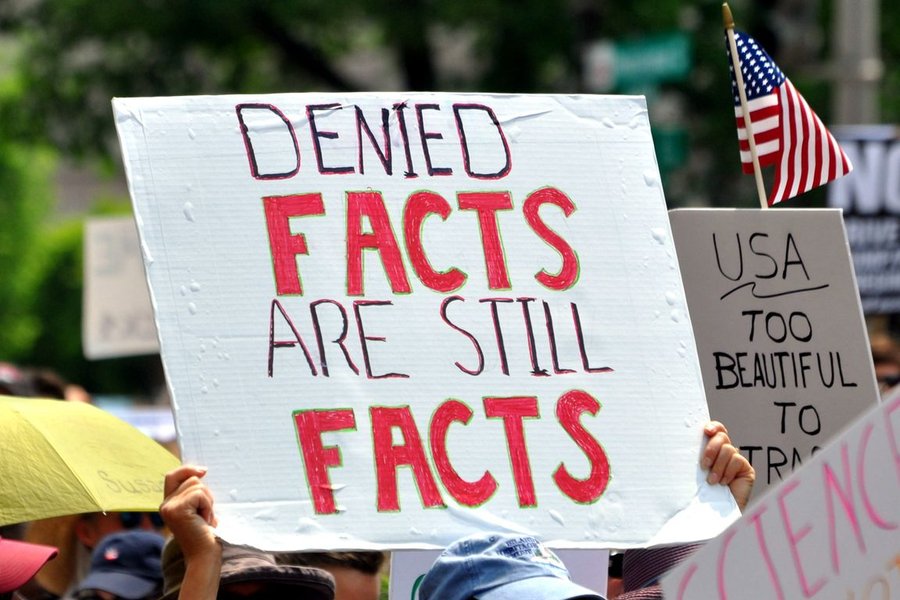
The post-truth era challenges consensus on issues like climate change, often pitting narrative against scientific data.
Reimagining Meta-Narratives: A Potential Cure?
The idea of "reimagining" meta-narratives doesn't necessarily mean returning to the rigid, universalizing stories of the past. Instead, it involves exploring whether new kinds of orienting frameworks can be developed that might help navigate the post-truth landscape. These reimagined narratives would need distinct characteristics:
- Inclusivity: Acknowledging and integrating diverse perspectives and experiences, avoiding the exclusionary tendencies of older meta-narratives.
- Adaptability: Being flexible and responsive to new evidence and changing social contexts, rather than claiming timeless, universal truth.
- Evidence-Grounded: Prioritizing factual accuracy and scientific understanding while acknowledging the complexities and limitations of knowledge.
- Ethically Conscious: Being mindful of the potential for misuse and promoting values like critical thinking, empathy, and democratic participation.
- Transparent: Open about their construction, assumptions, and goals.
The challenge lies in creating narratives compelling enough to foster shared understanding and trust without falling into the traps of dogma or exclusion. This is a central area for potential PhD research – exploring the theoretical underpinnings and practical possibilities of such frameworks.
Visualizing Narrative Frameworks: Traditional vs. Reimagined
Comparing Key Attributes
Reimagining meta-narratives requires moving away from some characteristics of traditional grand narratives while strengthening others. This chart offers a comparative visualization of potential attributes, highlighting the shifts needed for frameworks intended to address the post-truth condition. The scores are illustrative, representing desired shifts rather than precise measurements.
This visualization suggests that while traditional narratives often relied heavily on universal claims and perhaps strong emotional resonance (sometimes disconnected from broad evidence), reimagined narratives would need to excel in inclusivity, adaptability, transparency, and grounding in evidence, while still achieving sufficient resonance and integrating effectively with modern communication technologies.
Mapping the Research Territory
Connecting Concepts in the Post-Truth Era
Understanding the complex interplay between the post-truth condition, the role of meta-narratives, and potential avenues for research requires visualizing the connections. This mind map outlines the core concepts and their relationships, highlighting areas ripe for investigation.
This map illustrates how the characteristics of the post-truth condition stem from various factors, linked to the decline of old meta-narratives. The potential for reimagined narratives opens up specific research gaps focused on how to design them, test their effectiveness, and understand their interaction with broader societal and technological contexts. Ultimately, this research aims to inform potential solutions, particularly in education and communication.
Identified Research Gaps for Doctoral Exploration
Synthesizing insights from current scholarship reveals several critical gaps where PhD research can make significant contributions:
Gap 1: Designing and Understanding Reimagined Meta-Narratives
How can new orienting stories be effectively constructed?
While the need for new frameworks is discussed, there's a lack of detailed theoretical and practical understanding of how to construct meta-narratives suited for the current complex, pluralistic, and digitally mediated environment. Research is needed on:
- Narrative Structure and Appeal: How can narratives be structured to be compelling and emotionally resonant while remaining grounded in evidence and fostering critical thought, rather than blind belief? What specific narrative techniques are effective against misinformation?
- Integrating Facts and Values: How can reimagined meta-narratives effectively bridge the perceived gap between objective facts (often associated with science) and subjective values/experiences, creating a more holistic understanding?
- Ethical Frameworks: What ethical guidelines are necessary for the conscious construction and deployment of new meta-narratives to avoid manipulation, exclusion, or the pitfalls of past grand narratives? How can transparency be ensured?
- Psychological Mechanisms: Deeper investigation into the cognitive and emotional factors that influence the reception and acceptance of narratives, especially in countering motivated reasoning and identity-protective cognition common in post-truth settings.
Gap 2: Empirical Validation of Narrative Interventions
Do these approaches actually work in the real world?
Much discussion about countering post-truth remains theoretical or focused on interventions like fact-checking and basic media literacy, whose limitations are increasingly apparent. There's a significant gap in empirical research testing the real-world efficacy of using reimagined meta-narratives as a core strategy:
- Measuring Outcomes: Lack of robust methodologies and longitudinal studies to measure the impact of narrative-based interventions on critical thinking, trust in credible sources, resilience to misinformation, and civic engagement.
- Educational Applications: While interdisciplinary education (science, civics, humanities) is proposed, research is needed to design and test curricula that explicitly incorporate adaptive, evidence-based meta-narratives and evaluate their effectiveness compared to traditional approaches.
- Public Discourse Experiments: Field experiments are needed to assess how reframing public discourse around specific issues (e.g., climate change, public health) using reimagined narrative frameworks affects public opinion, polarization, and policy support.
- Scalability and Context: Investigating how narrative interventions can be scaled effectively and adapted to different cultural, political, and demographic contexts.
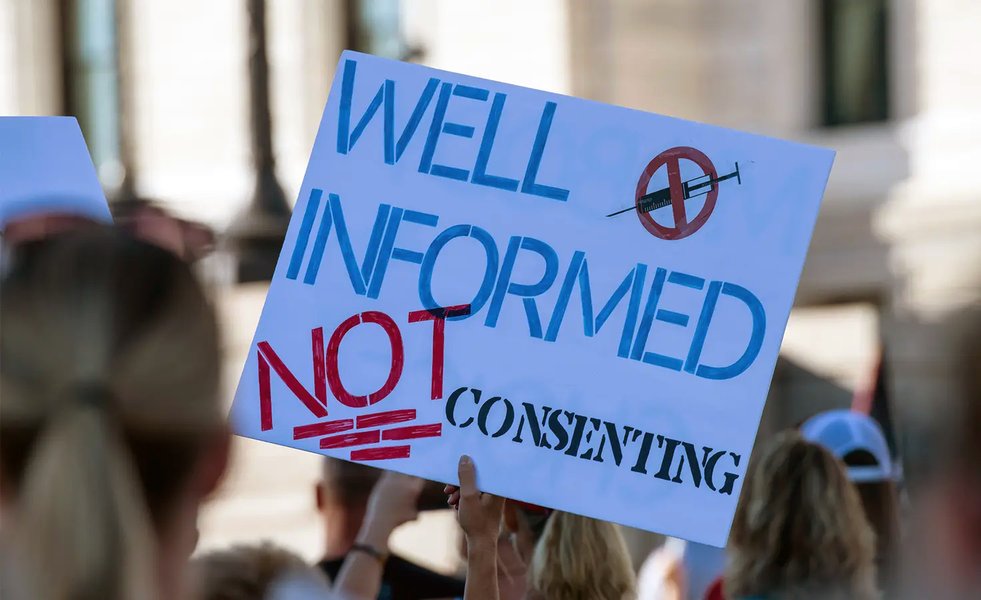
Evaluating interventions against health misinformation requires rigorous empirical testing.
Gap 3: Societal Context, Technology, and Inclusivity
How do broader factors shape narrative success and failure?
The effectiveness of any narrative strategy is deeply intertwined with broader societal and technological structures. Research gaps exist in understanding these interactions:
- Technology and Algorithms: Further investigation into how social media platforms, search algorithms, and AI shape narrative ecosystems and how reimagined meta-narratives might navigate or counteract algorithmic biases and the spread of disinformation.
- Institutional Roles: Examining how institutions (media, education, government, science) can adapt their communication strategies to foster trust and promote more resilient narratives, and the barriers they face.
- Addressing Root Causes: Exploring the links between post-truth phenomena and underlying societal issues like economic inequality, political disenfranchisement, and historical grievances. How can meta-narratives be crafted to address these deeper issues, not just surface symptoms?
- Inclusivity and Marginalized Voices: A critical gap exists in researching how meta-narratives can be co-created with marginalized communities, ensuring their experiences and perspectives are central, thereby challenging dominant narratives and potentially offering more robust pathways to shared understanding.
Comparing Approaches to Combat Post-Truth
Addressing the post-truth condition requires multiple strategies. Reimagining meta-narratives is one potential approach, complementing others like fact-checking and media literacy education. This table compares these approaches, highlighting areas where reimagined meta-narratives might offer unique advantages or face distinct challenges, indicating fruitful areas for research.
| Approach | Description | Strengths | Weaknesses | Key Research Area (Meta-Narrative Focus) |
|---|---|---|---|---|
| Fact-Checking | Verifying specific claims and debunking falsehoods. | Addresses specific inaccuracies; can be rapid. | Often reactive; struggles with belief persistence (backfire effect); doesn't address underlying narrative appeal. | How can fact-checking be integrated into broader, more compelling narrative frameworks? |
| Media Literacy Education | Teaching skills to critically evaluate sources and identify manipulation techniques. | Empowers individuals; promotes critical thinking skills. | Can be slow to scale; effectiveness varies; may not address emotional/identity drivers of belief. | How can media literacy incorporate an understanding of narrative structures and the role of meta-narratives in shaping interpretation? |
| Reimagined Meta-Narratives | Developing adaptive, inclusive, evidence-based overarching frameworks to provide meaning and orientation. | Addresses root causes of disorientation; provides positive vision; integrates facts/values; potentially more engaging/persuasive. | Difficult to design and implement; risks manipulation or exclusion if not done carefully; empirical effectiveness unproven; slow development. | Developing and testing ethical, effective, inclusive, and adaptive narrative frameworks; measuring their impact on trust, belief, and behavior. |
Video Insight: Navigating Our Information World
Perspectives on Truth and Democracy
The challenge of navigating truth in the modern era is a recurring theme in public discourse. This discussion offers valuable context on the state of facts, falsehoods, and their impact on democratic society, resonating with the core issues surrounding the post-truth condition.
Charles Sykes' TEDx talk delves into whether facts still matter in politics and the broader implications for democracy in an age saturated with "fake news." It touches upon the erosion of shared reality and the challenges this poses – themes central to understanding why exploring solutions like reimagined meta-narratives is critical for PhD research.
Proposed PhD Research Questions
Based on the identified gaps, here are three potential research questions for a PhD project focusing on the post-truth condition and reimagined meta-narratives:
Research Question 1:
How can reimagined meta-narratives be designed to effectively integrate factual evidence with emotional resonance, thereby countering the psychological appeal of misinformation and fostering critical engagement within hyper-polarized online communities?
Rationale: Addresses Gap 1 (Design & Understanding) and Gap 3 (Technology), focusing on the practical construction of narratives and their psychological impact in digital spaces.
Research Question 2:
What is the measurable impact of interdisciplinary educational interventions, incorporating explicitly designed adaptive meta-narratives (e.g., around scientific inquiry or democratic participation), on students' resilience to disinformation, trust in evidence-based processes, and civic reasoning skills across diverse socio-cultural contexts?
Rationale: Addresses Gap 2 (Empirical Validation) and Gap 3 (Institutional Roles), focusing on testing the real-world effectiveness of narrative strategies within educational settings.
Research Question 3:
In what ways can the co-creation of meta-narratives with marginalized communities challenge dominant post-truth discourses and address systemic factors like epistemic injustice and institutional distrust, potentially contributing to a more robust and inclusive public sphere?
Rationale: Addresses Gap 3 (Inclusivity & Societal Factors) and Gap 1 (Ethical Frameworks), focusing on the crucial intersection of narrative, power, social justice, and trust-building.
Frequently Asked Questions (FAQ)
What exactly is the 'post-truth condition'?
What are 'meta-narratives'?
Why did traditional meta-narratives decline?
Can reimagined meta-narratives really 'cure' the post-truth condition?
What are the ethical risks of creating new meta-narratives?
References
- Post-truth: The Condition of Our Times - ResearchGate
- Narratives of post‐truth: From symbolic effectiveness to Lyotardian différends - SAGE Journals
- Post-truth and education - Taylor & Francis Online
- Narrative Form and Forms of Truth: An Alternate View of the Post-Truth Era - ResearchGate
- Philosophy of Post-Truth - INSS
- Post-Truth and Education | Science & Education - Springer
- Post-truth conspiracism and the pseudo-public sphere: a conceptual intervention - Frontiers
Recommended
Last updated April 15, 2025