
The Intertwined Paths: Sacred Stories and Ethics in the Search for Meaning
Exploring how ancient narratives and moral frameworks guide humanity's quest for purpose.
Key Insights
- Sacred stories provide foundational narratives: These deeply rooted tales offer explanations for origins, the universe's order, and humanity's place within it, forming the bedrock of a community's worldview.
- Ethics are derived from sacred narratives: Moral principles, values, and guidelines for behavior are often embedded within sacred stories, illustrating consequences and shaping conduct according to divine or communal standards.
- The relationship is dynamic and reciprocal: Sacred stories inform ethical frameworks, while the practice of ethics reinforces and gives life to the lessons contained within the narratives, contributing to a collective and individual search for meaning.
Understanding Sacred Stories
Sacred stories are more than just ancient tales; they are foundational narratives that lie at the heart of religious and cultural traditions. These stories are considered holy or venerated because they offer profound insights into existence, explaining origins, key events, and fundamental ideas that shape a community's identity and worldview. Unlike ordinary narratives, sacred stories often claim to reveal the inherent meaning of the world and humanity's purpose within it. They provide a framework for understanding the relationship between the divine and humanity, offering perspectives on creation, the nature of reality, and the human condition.
These narratives are crucial for cultural preservation, capturing and transmitting history, customs, and traditions across generations. They are the vessels through which a community's core beliefs and values are passed down, ensuring continuity and a shared understanding of the world. Sacred stories frequently feature supernatural elements, deities, or mythic figures and often present moral dilemmas and challenges that inspire personal reflection and reinforce communal values.
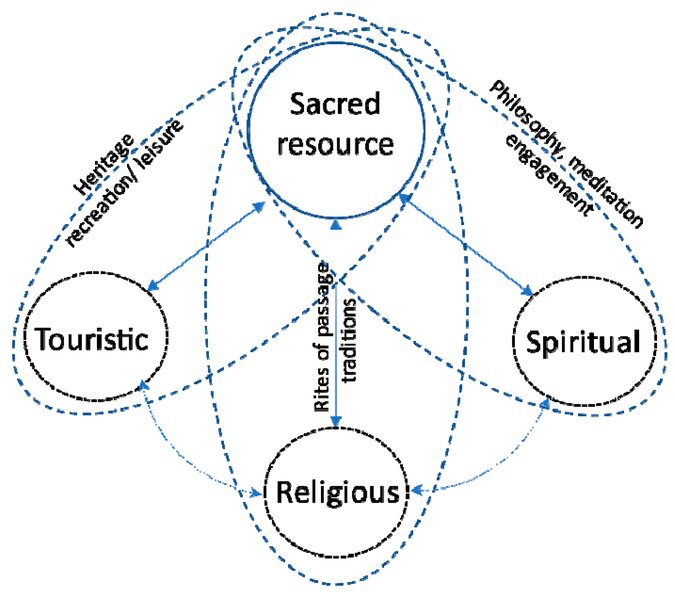
Sacred sites and rituals often embody the narratives of sacred stories.
The Function of Sacred Stories
The primary function of sacred stories is to provide meaning. They offer explanations for the mysteries of life, addressing existential questions about who we are, where we come from, and where we are going. By providing a narrative of origins and the cosmic order, they help individuals and communities situate themselves within a larger context, fostering a sense of belonging and purpose. These stories can be personal experiences, historical events, parables, or myths, but their sacredness lies in their capacity to reveal aspects of the world's meaning that are believed to exist independently of human invention.
Moreover, sacred stories often serve as a form of collective memory, recounting the experiences of founders, prophets, or significant figures whose lives and actions provide models for behavior and sources of inspiration. They can also act as a mirror, allowing individuals to see their own experiences reflected in the broader narrative of their tradition. This process of identification and reflection is vital for personal growth and the development of a deeper understanding of oneself in relation to the sacred.
The Role of Ethics
Ethics, in its broadest sense, is the philosophical discipline concerned with what is morally good and bad, right and wrong. It involves the study of well-founded standards of behavior that prescribe what humans ought to do, encompassing concepts such as rights, obligations, fairness, and virtues. While morality often refers to personal principles, ethics typically involves a more systematic and shared set of standards that guide conduct within a community or society.
In the context of religious and cultural traditions, ethics are deeply intertwined with beliefs and sacred stories. Ethical principles are often derived from the teachings and examples found within these narratives, providing a moral compass for adherents. These principles dictate how individuals should interact with each other, with the natural world, and with the divine.

Religion and ethics are often depicted as closely connected.
Ethics as a Moral Compass
Sacred texts and stories frequently emphasize the importance of moral and ethical conduct, outlining the consequences of transgressing divine laws or social norms. The concept of divine retribution for moral failures is a recurring theme in many sacred narratives, reinforcing the significance of righteous behavior. Ethical frameworks provided by sacred traditions encourage virtues such as compassion, justice, mercy, and respect for others. They often advocate for the vulnerable and marginalized, promoting a sense of responsibility towards the broader community.
Ethics is not merely a set of rules but a dynamic process of studying moral beliefs and conduct, striving to align one's actions with established standards. This continuous effort is essential for individuals and institutions seeking to live up to principles that are considered reasonable and solidly based within their tradition. The practice of ethics is therefore an active engagement with the values and lessons embedded in sacred stories, translating narrative wisdom into lived experience.
The Profound Relationship Between Sacred Stories and Ethics
The relationship between sacred stories and ethics is a fundamental aspect of how individuals and communities search for and find meaning. Sacred stories provide the context and justification for ethical principles, while ethics provides the practical application of the wisdom contained within the narratives. This symbiotic relationship ensures that sacred traditions are not just abstract belief systems but living guides for conduct that shape individual lives and collective societies.
Sacred stories convey moral teachings and the beliefs of a community, serving as a primary source for ethical understanding. They illustrate moral lessons through the actions of characters, the unfolding of events, and the pronouncements of divine beings or wise figures. These narratives make abstract ethical concepts relatable and memorable, demonstrating their relevance to real-life situations.
Narrative Ethics and Moral Guidance
The field of narrative ethics highlights the importance of stories in shaping our understanding of morality. By engaging with diverse narratives, including sacred stories, individuals can refine their ethical sensibilities and develop a more nuanced understanding of complex moral issues. Sacred stories, with their rich portrayals of human nature, moral struggles, and the consequences of choices, offer a fertile ground for ethical reflection and learning. They challenge individuals to consider different perspectives, empathize with others, and evaluate the moral implications of various actions.
Furthermore, sacred stories often embed ethical principles within their accounts of creation, the cosmic order, and the relationship between the divine and humanity. For example, narratives about the inherent dignity of human life, often rooted in the belief that humans are created in the image of the divine, provide a basis for ethical principles that uphold the sanctity of life and the equality of all people. These foundational narratives give weight and authority to ethical guidelines, making them more than just arbitrary rules.
This video explores the nature and significance of sacred stories, highlighting their role in conveying religious and moral truths.
Shaping Cultural Traditions and Practices
The influence of sacred stories and ethics extends beyond individual morality to shape cultural traditions and practices. They provide the foundational narratives that define a culture's values, norms, and identity, influencing everything from legal systems to social customs and holiday celebrations. Ethical principles derived from sacred stories guide communal behavior and foster social cohesion, creating a shared moral framework that binds people together.
Consider the ethical emphasis on justice, compassion, and hospitality found in many religious traditions. These values are often illustrated through stories of prophets, saints, or ordinary individuals who embody these virtues or face the consequences of their absence. Such narratives inspire adherents to emulate positive examples and avoid behaviors deemed harmful or immoral, thereby shaping the ethical landscape of the community.
The Search for Meaning Through Narrative and Ethics
The search for meaning is a fundamental human endeavor, and sacred stories and ethics provide essential resources for this quest. By engaging with sacred narratives, individuals can explore fundamental questions about the nature of reality, the purpose of life, and their place in the cosmos. These stories offer a lens through which to interpret experiences, find coherence in the world, and develop a sense of ultimate meaning.
Ethics provides a practical dimension to this search, offering guidelines for living a meaningful life. By striving to live ethically, individuals align themselves with the values and principles deemed sacred within their tradition. This alignment can lead to a sense of integrity, purpose, and fulfillment, as one's actions reflect a deeper commitment to something larger than oneself.
Examples of Ethical Themes in Sacred Stories
Across different religious traditions, certain ethical themes frequently appear in sacred stories. These themes highlight universal human concerns and provide guidance for navigating moral challenges.
| Ethical Theme | Description | Relevance to Meaning |
|---|---|---|
| Sanctity of Life | The belief that human life is inherently valuable and sacred. | Provides a basis for respecting oneself and others, fostering a sense of inherent worth and dignity. |
| Justice and Fairness | Emphasis on equitable treatment, upholding rights, and addressing wrongdoing. | Contributes to a sense of order and righteousness in the world, encouraging action against injustice. |
| Compassion and Mercy | Encouragement of empathy, kindness, and forgiveness towards others. | Deepens connections with others and fosters a sense of shared humanity, contributing to a more meaningful community. |
| Responsibility and Stewardship | The idea of having obligations towards oneself, others, and the world. | Provides a framework for purposeful action and contribution, connecting individuals to a larger web of life. |
Sacred Stories as a Moral Compass
Many individuals turn to sacred stories as a moral compass, reflecting on the characters' choices, the challenges they face, and the outcomes of their actions. These narratives offer vicarious experiences that allow individuals to explore the complexities of ethical decision-making in a safe and reflective space. By identifying with characters and their struggles, adherents can gain insights into their own moral lives and discern the path they believe is right.
The stories provide not just explicit rules but also models of virtuous behavior and warnings against immoral actions. They demonstrate that ethical living is often a journey filled with challenges and requires courage, wisdom, and perseverance. This understanding can empower individuals to face their own moral dilemmas with greater clarity and conviction, strengthening their resolve to live in accordance with their values.
FAQ
What distinguishes a sacred story from a regular story?
Sacred stories are distinguished by their claim to reveal a deeper meaning about the world and existence that is considered to be objectively true or inherently meaningful. They often explain origins, foundational beliefs, and provide a framework for understanding the relationship between humanity and the divine. Regular stories, while perhaps entertaining or educational, typically do not carry this same weight of revealing ultimate meaning.
How do ethics influence the interpretation of sacred stories?
Ethics can influence the interpretation of sacred stories by highlighting the moral lessons and implications embedded within the narratives. Adherents often read sacred texts through an ethical lens, seeking guidance on how to live a virtuous life and understand the moral responsibilities outlined within the tradition. Ethical concerns can also lead to new interpretations of ancient stories to address contemporary moral challenges.
Can sacred stories and ethics change over time?
While the core narratives of sacred stories often remain consistent, their interpretation and the emphasis placed on certain ethical aspects can evolve over time in response to changing social, cultural, and historical contexts. Ethical understanding within a tradition can deepen and expand as adherents grapple with new challenges and insights, leading to a dynamic relationship between the timeless narratives and their contemporary application.
How do sacred stories and ethics contribute to community cohesion?
Sacred stories and the shared ethical framework they provide play a crucial role in fostering community cohesion. They create a common identity, shared values, and a sense of collective purpose among adherents. By providing a moral language and a set of shared principles, they facilitate cooperation, trust, and mutual support within the community, strengthening the bonds between its members.
References
 transitionquaker.blogspot.com
 deforestlondon.wordpress.com
 sacredstoriesyear11rae.wordpress.com
Last updated May 8, 2025