
Labyrinth Architecture Title Inspiration
Exploring names that evoke mystery, introspection, and creative journey
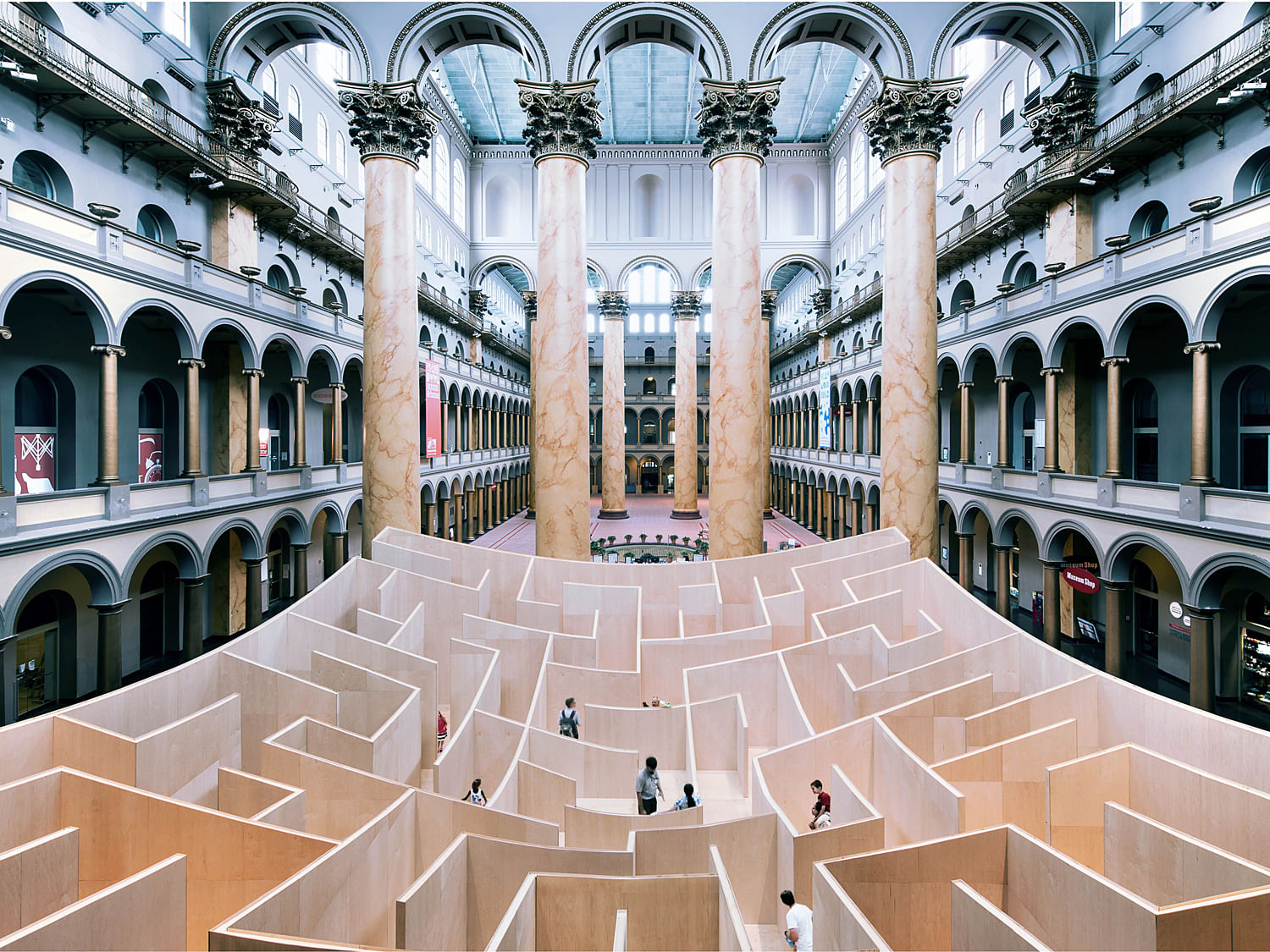
Highlights
- Symbolic Depth: Every title reflects the transformative journey through intricate paths.
- Historical Resonance: Names draw inspiration from ancient myths, medieval reverence, and modern reinterpretations.
- Modern Innovation: Titles blend timeless symbolism with contemporary design language.
Introduction to Labyrinth Architecture Titles
Labyrinth architecture is a captivating design concept that merges the art of spatial complexity with symbolism and myth. Its historical roots can be traced to ancient civilizations where intricate networks of passages were employed not merely for functional purposes but also as a metaphor for the human journey. The unique interplay between physical space and metaphysical meanings has inspired architects and designers to conceptualize names that echo this multifaceted narrative.
When considering a title for a labyrinth-inspired architectural project, it is essential to integrate elements that express the enigma of endless pathways, the allure of self-discovery, and the spiritual essence of the journey. A well-crafted title serves both as a symbolic representation of the structure’s design and as an invitation to explore the layered meanings behind each turn and corridor.
Historical and Conceptual Background
Ancient Inspirations
The origins of labyrinths date back thousands of years, with the classical labyrinth found in ancient Crete being one of the earliest recorded examples. This unicursal design, traditionally associated with the myth of the Minotaur, was not only a physical challenge but a metaphor for overcoming inner demons and reaching enlightenment. The symbolism inherent in this design has endured throughout the centuries, influencing modern reinterpretations and titles.
Medieval and Cultural Perspectives
During the medieval period, labyrinths became a significant feature in religious and ceremonial spaces. The labyrinth pattern engraved in the Chartres Cathedral, with its eleven concentric rings, was used as a representation of a pilgrim’s path to spiritual awakening. The design encouraged a meditative walk, one that combined physical movement with introspection and spiritual reflection. This dual purpose of labyrinths—as both functional architectural structures and symbols of life’s journey—has unlocked a wealth of creative inspiration for naming projects in later times.
Contemporary Approaches
Modern architects and designers have reinterpreted labyrinth concepts using new materials and technologies. With innovations in glass, steel, and digital design interfaces, labyrinthine structures are now visual spectacles that challenge conventional ideas of space and navigation. The seamless blend of traditional mystique and modern aesthetics informs the way architects title their projects, leading to names that capture the duality of the old and the new.
Key Criteria for an Effective Labyrinth Architecture Title
Symbolic Clarity
A compelling title should encapsulate the underlying symbolism of the labyrinth. Whether it is a journey of self-discovery, an inner odyssey of reflection, or a transformation from one state to another, the title ought to resonate with these themes. It should hint at the complexities of the design as well as the intended psychological and emotional experience of the users.
Historical Resonance
Integrating historical context can infuse a title with a timeless quality. Names that evoke ancient myths or medieval traditions provide a rich background that highlights the lineage of labyrinth architecture. This historical resonance enhances the perception of the project, suggesting layers of meaning and a connection to a long-standing cultural narrative.
Modern Innovation and Appeal
While history is crucial, modernity should not be neglected. Contemporary titles often incorporate elements of innovation, reflecting the use of modern materials and technological advancements. A title combining traditional symbolism and modern sensibilities creates an appealing duality, attracting audiences who appreciate both heritage and forward-thinking design.
Proposed Titles and Their Significance
Drawing from the thematic discussions and conceptual background of labyrinth architecture, several potential titles emerge. Each title is crafted to evoke the complexity and layered narratives associated with a labyrinth while also emphasizing the journey of discovery and transformation. Below is a table summarizing some of the innovative title suggestions along with their underlying significance:
| Proposed Title | Significance |
|---|---|
| The Path of Reflection | Emphasizes introspection as visitors progress through a winding route symbolizing self-discovery. |
| Labyrinth of Light | Focuses on the interplay between darkness and illumination, suggesting spiritual enlightenment found within the maze. |
| The Inner Journey | Highlights the metaphorical journey inward, where each path represents stages of personal growth and reflection. |
| The Maze of Contemplation | Combines the complexity of the maze with a deliberate invitation to pause, meditate, and consider one’s path. |
| The Spiral of Transformation | Reflects movement and change, using the spiral form to suggest an evolving journey toward a central truth. |
| The Winding Path to Enlightenment | Emphasizes the arduous yet rewarding nature of spiritual or intellectual quests, encapsulated in a physical journey. |
| The Labyrinthine Odyssey | Invokes images of epic, heroic journeys, merging literary and architectural themes to create a sense of grand exploration. |
| The Circuit of Self-Discovery | Highlights the cyclical and interconnected nature of a journey where every turn informs and enriches personal insight. |
| The Enigmatic Passage | Focuses on the mysterious quality of labyrinth pathways, suggesting that each corridor holds hidden stories awaiting discovery. |
| The Endless Corridor of Thought | Symbolizes the infinite nature of intellectual exploration, where even seemingly circular paths lead to new ideas. |
Deep Dive into Title Selection Rationale
Semantic and Symbolic Layers
The process of formulating a title for a labyrinth architecture project begins with an understanding of the semantic and symbolic resonances inherent in the design. The labyrinth, as an architectural device, is often seen as a metaphor for the journey of life, inviting both literal traversal and introspective exploration. In the titles proposed, there is a deliberate emphasis on key motifs such as light, reflection, journey, and transformation. These elements capture the essence of what labyrinths have traditionally represented: obstacles that lead to personal growth, reflections on one’s inner self, and the pursuit of enlightenment.
Integrating Historical Metaphors
Historical narratives provide an invaluable resource for the naming process. The labyrinth has a storied history—from the myth of the Minotaur in ancient Crete to the mesmerizing layouts of medieval cathedrals. Titles like "The Inner Journey" or "The Maze of Contemplation" subtly nod to traditions where physical passages were symbolic paths to transcendence. This integration of historical metaphor serves to ground the architectural project in a continuum of cultural significance, making it resonate with audiences on both intellectual and emotional levels.
Modernity and Visual Impact
Equally important is the modern reinterpretation of these ancient ideas. Contemporary architecture is not just about evoking the past; it is about reimagining traditional symbols in the language of today’s aesthetic and technological advancements. Titles such as "Labyrinth of Light" and "The Winding Path to Enlightenment" highlight how modern materials and design sensibilities can transform an age-old concept into a dynamic, immersive experience.
This modern approach insists on visual impact. The imagery evoked by such titles is not merely abstract: it calls to mind real physical structures where the interplay of natural light, innovative geometries, and interactive spatial compositions create environments that are both functional and evocative. A title can purposely set the tone for an architectural project, indicating that this is not just a building but a sanctuary of ideas, a site for dialogue, and an experience that evolves with every visitor.
Narrative and Psychological Impact
Encouraging the Journey
Many of the titles proposed evoke a narrative quality that transforms the physical space into a story. By choosing names that imply movement, unfolding introspection, and the complexity of choices, the architect embeds a narrative within the design itself. This narrative, in turn, psychologically prepares the visitor for a process of exploration. For instance, a title such as "The Circuit of Self-Discovery" invites the user to interpret each wandering corridor as a chance to pause and reflect, while "The Enigmatic Passage" opens expectations for encountering unexpected insights.
Enhancing the Experience
Psychologically, a well-chosen title has the power to transform how an architectural space is perceived and experienced. It can foster an atmosphere of contemplation, evoke a sense of mystery, and generate personal connections to the overall design. When visitors read a title that communicates depth and complexity, they are more likely to approach the space with curiosity and an eagerness to engage.
Beyond aesthetics, the title helps set the stage for an immersive experience. It implicitly defines the role of the space as an environment for introspection and growth. In this sense, the title acts as a silent guide—a narrative that is both a promise and a challenge to the visitor: to immerse oneself fully in the journey, to navigate the complexity, and eventually discover a moment of realization or enlightenment.
Integrating Traditional and Contemporary Elements
Balancing Heritage and Innovation
The most successful titles blend elements of heritage with modern innovation. The labyrinth concept is a fusion of age-old traditions and contemporary design sensibilities. By merging these influences in a project's title, architects work to create a dialogue between past and present. For example, while "The Labyrinthine Odyssey" conjures images of classical heroism and myth, it simultaneously suggests an expansive, modern exploration of form and function.
Dynamic Duality
This fusion creates what can be described as a dynamic duality: the name is as much about inviting traditional contemplation as it is about heralding innovative design approaches. The dual nature of titles like "The Spiral of Transformation" serves to underscore the idea that every architectural element is part of a larger narrative—one that celebrates evolution while respecting foundational symbols drawn from our collective past.
Implementing the Title in Architectural Practice
Practical Considerations
Once a title has been selected, its implementation across the architectural project becomes a focal point of branding and experiential design. The architectural narrative suggested by the title should be reflected in various aspects of the project—from the design of the façade and interior spaces to the method of guiding visitors through the maze-like environment.
Branding and Marketing
In modern projects, the title can influence marketing strategies and create a distinctive identity for the building. The chosen name often becomes synonymous with the experience offered by the space, encouraging visitors and potential clientele to connect with its deeper meanings. Storytelling, both in visual and written materials, can draw on the symbolic layered narrative embedded in the title. In doing so, a building is not only a physical structure but also a cultural symbol and a conversation piece that invites continuous exploration and dialogue.
Visitor Experience and Engagement
The wayfinding and narrative cues within the building can be coordinated with the title’s themes. Elements such as lighting, material selection, and even interactive installations can highlight the journey alluded to by the name. For instance, a project named "Labyrinth of Light" might incorporate dynamic lighting installations that change as one navigates through the space, reinforcing the metaphor of transition from darkness to enlightenment.
Case Studies and Contemporary Examples
Modern Labyrinths in Practice
Contemporary examples of labyrinth architecture reveal the transformative power of evocative titles. Some modern installations and public spaces use titles explicitly to frame the spatial experience. The integration of digital technology with traditional labyrinth layouts has led to immersive experiences where interactive elements are aligned with the overarching narrative of the name.
For example, a museum installation with a title that hints at personal discovery might be designed to guide visitors through a series of exhibits that follow a non-linear progression. Each section of the labyrinth may represent different aspects of cultural evolution or artistic exploration, all unified by the chosen title that evokes continuity and progression. This synergy between nomenclature and design fosters both engagement and intellectual stimulation.
Conclusion and Final Thoughts
Crafting the perfect title for a labyrinth architecture project is an exercise in blending tradition with innovation. The title must serve as a symbolic anchor that communicates the essence of the labyrinth: its intricate pathways, its transformative journey, and its rich history steeped in myth and spirituality. From "The Path of Reflection" to "The Endless Corridor of Thought," each name encapsulates a unique narrative that invites users to embark on a journey of exploration and self-discovery.
In architectural practice, the title can influence not only the branding and marketing of the project but also the holistic design experience, from spatial layout to visitor engagement. Whether drawing on ancient motifs or modern aesthetics, a well-chosen title becomes a lens through which people interpret and appreciate the structure. Ultimately, the right title not only celebrates the intricacy of labyrinth architecture but also transforms each visit into a personal odyssey that transcends the physical space.
References
- Labyrinth | History, Design & Uses - Britannica
- Exploring the Different Types of Labyrinths: A Comprehensive Guide - LearntheTypes
- Labyrinth Concept in Architecture - Archist
-
Labyrinth | SpringerLink - Springer
- Labyrinths Concepts - Myriam Mahiques
Recommended Queries
 yazargokcenur.wordpress.com
Last updated February 27, 2025