
Exploring the Concept of a Labyrith
Delve into the history, mythology, symbolism, and cultural impact of labyrinths
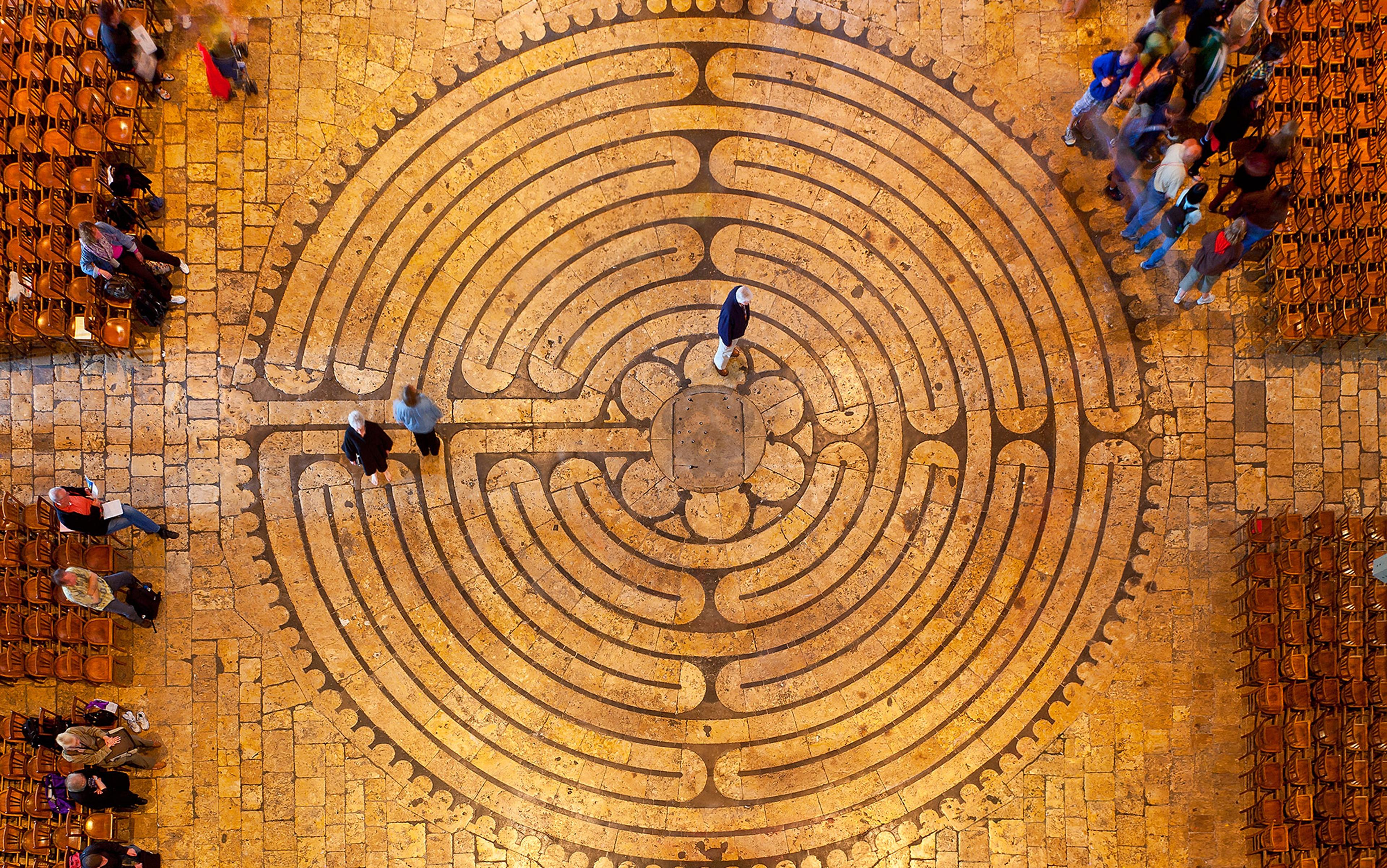
Highlights
- Myth and History: Labyrinths trace back to Greek mythology and ancient architectural practices.
- Symbolism: Represent journeys, self-discovery, and complex systems in both literal and metaphorical senses.
- Cultural Impact: Extend from myth, art, and film to modern practices of meditation and therapeutic design.
Introduction to Labyrith
The term "labyrith", often an alternate rendering of "labyrinth", invites us into a world of intricate designs, mythological narratives, and cultural symbolism. Born out of ancient traditions and evolving through centuries, labyrinths have come to represent not only physical space but also metaphorical journeys. In this comprehensive exploration, we will delve into the origins, meanings, and modern interpretations of labyrinths, addressing both historical contexts and contemporary usage.
Historical and Mythological Origins
The Ancient Labyrinth
The labyrinth's origins are deeply embedded in myth and ancient architecture. The most renowned of these is the legendary structure from Greek mythology. This maze was designed by the master craftsman Daedalus to confine the Minotaur, a creature of both man and bull. According to myth, King Minos of Crete commissioned this structure as a means to isolate and contain this fearsome being. Although many artistic depictions have varied from a winding, complex maze to a simpler, single-path design, the labyrinth of legend remains an enduring symbol of complexity and enigma.
Etymological Roots
The word "labyrinth" is rooted in ancient languages. It is thought to have derived from Middle English, itself influenced by Latin and Greek terms. Some theories suggest connections to words that denote complexity or even certain cultural artifacts of Minoan civilization. The interplay between linguistic evolution and myth has ensured that labyrinths have been both a physical and metaphorical point of reference throughout the ages.
Symbolic and Cultural Significance
Symbolism in Spirituality and Myth
Beyond its role in ancient myth, the labyrinth has become a potent symbol in various cultural and spiritual arenas. In many traditions, the labyrinth represents the journey of life, a pilgrimage toward enlightenment, inner peace, or self-discovery. The path within a labyrinth often signifies a personal or spiritual journey, inviting those who traverse it to contemplate their own experiences and challenges.
The idea of a winding path with a singular end but no branches serves as a metaphor for the human journey. In this sense, the labyrinth differs from a maze, which is designed to deliberately confuse or mislead. Instead, a labyrinth is a journey inward, emphasizing reflection and introspection over obstacle-induced anxiety.
Labyrinths in Art and Literature
Throughout history, labyrinths have been a compelling motif in art, literature, and modern storytelling. They are often depicted as mystical realms where characters confront not only physical challenges but also internal conflicts. The metaphorical labyrinth acts as a powerful narrative device, representing the complexity of human emotion, decision-making, and the struggle to find one’s way in the maze of life.
Literary works have used the concept of a labyrinth to explore themes of fate, destiny, and the quest for knowledge. The symbolism of taking a single, unambiguous path amidst an otherwise confusing structure reinforces the idea that life’s journey, though intricate, can lead to clarity and insight.
Cultural and Ritual Uses
In recent decades, labyrinths have found renewed life within the realm of cultural practices and therapeutic applications. Several cultures have incorporated labyrinth walks as a form of meditation, spiritual healing, or artistic expression. Unlike mazes, many labyrinths designed for contemporary usage are unicursal, meaning there is one non-branching path that winds its way to the center. The act of walking such a path is seen as a meditative practice, grounding the participant in the present moment and encouraging mindfulness.
In addition to spiritual practices, labyrinths are also used as artistic designs. Their flowing, intricate patterns inspire not only architects and engineers but also modern designers who incorporate labyrinthine elements into urban planning and landscape architecture. This symbolic integration bridges the gap between ancient traditions and contemporary design philosophies.
Modern Interpretations and Media Influence
The Impact of Film and Popular Culture
One of the most memorable modern incarnations of the labyrinth concept appears in the realm of cinema. A 1986 fantasy film brought the idea of a labyrinth into mainstream culture. In this film, a young protagonist embarks on an adventurous quest through a magical maze filled with peculiar characters, challenges, and fantastical landscapes. The film’s imaginative and visually rich portrayal of a labyrinth created a lasting impression on audiences, intertwining the narrative with themes of self-discovery, transformation, and the confrontation of inner demons.
The film’s influence has transcended its original medium, inspiring concerts, live performances, and ongoing cultural references that continue to evoke the labyrinth’s mystique. By blending elements of fantasy with deep psychological undertones, modern portrayals of labyrinths invite viewers to reconsider the nature of challenges and the pathways toward overcoming them.
Labyrinth as a Metaphor in Complex Systems
In contemporary discourse, the term "labyrinth" is frequently employed as a metaphor to describe complex systems, bureaucracies, or situations that appear impenetrably intricate. This usage encapsulates the feeling of navigating through layers of rules, procedures, and complexities that often seem designed to confuse rather than facilitate progress. Here, the labyrinth becomes an emblem of both the beauty and the burden of modern life, where intricate networks challenge straightforward understanding.
Whether discussing legal frameworks, corporate hierarchies, or personal challenges, referring to these systems as labyrinthine suggests that success or clarity is achieved through perseverance and careful navigation rather than quick fixes. In analytic and academic circles, scholars sometimes compare the thought processes involved in untangling complex problems to the deliberate and reflective walk through a labyrinthine structure.
Comparing Labyrinths and Mazes
Key Differences and Misconceptions
It is important to distinguish between labyrinths and mazes, as the two are sometimes mistakenly used interchangeably. The primary difference lies in their fundamental design and purpose. Labyrinths are generally unicursal, meaning they consist of a single, non-branching path leading to the center, which supports meditative and contemplative experiences. In contrast, mazes are multicursal and involve multiple paths with dead ends, designed to create challenges of choice and misdirection.
This key difference means that while both structures are designed to be intricate and challenging, labyrinths typically aim to evoke a sense of inner journey and reflection, whereas mazes stimulate problem-solving and entertainment. In many modern applications, labyrinths are used in spaces dedicated to relaxation and introspection, where the journey itself is more meaningful than the challenge of finding an exit.
A Comparison Table
| Aspect | Labyrinth | Maze |
|---|---|---|
| Design | Unicursal (single path) | Multicursal (multiple paths and dead ends) |
| Purpose | Meditative journey and self-reflection | Challenge, entertainment, and problem-solving |
| Symbolism | Journey of life, inner discovery | Complexity, confusion, and strategic thinking |
| Cultural Association | Mythology and spiritual rituals | Entertainment and puzzles |
Contemporary Applications and Therapeutic Uses
Labyrinths in Therapeutic Practices
In modern therapeutic contexts, labyrinths are increasingly used to facilitate mindfulness and stress reduction. These walking labyrinths offer a structured environment for participants to disconnect from daily stressors and engage in reflective movement. Health professionals and spiritual guides have found that walking a labyrinth can help reduce anxiety, stimulate creative thought, and promote a meditative state. With their calming and rhythmic design, labyrinths are often installed in hospitals, wellness centers, and urban environments as an accessible form of therapy.
The process of walking a labyrinth encourages a meditative focus that is both physical and mental. It can help individuals center their thoughts, reflect on personal issues, and explore new perspectives on life’s challenges. This practical application underscores the enduring relevance of labyrinths as both an art form and a tool for psychological well-being.
Educational and Exploratory Perspectives
Beyond meditation and therapeutic applications, labyrinths serve as an invaluable educational tool. They offer a tactile, experiential means to discuss abstract concepts such as infinity, complexity, and journey. Educators often use the labyrinth as a metaphor for learning processes, demonstrating that the path to knowledge, while sometimes convoluted and meandering, ultimately leads to enlightenment.
In museums and cultural centers, labyrinth installations are accompanied by educational panels that recount the historical evolution of these structures. Visitors can learn about the dual nature of labyrinths as both architectural marvels and metaphors for life. These installations highlight how labyrinths have inspired various artistic expressions and have been reinterpreted across cultures and eras.
Interdisciplinary Perspectives on Labyrinths
Architectural and Urban Design
Architects and urban planners have long drawn inspiration from labyrinth designs, embracing their complexity to create dynamic spaces that merge functionality with artistic form. The principles found in labyrinth construction—navigability, flow, and integration—have been applied in the design of gardens, parks, and public spaces. These spaces not only serve practical purposes but also invite visitors to experience the spatial complexity reminiscent of a labyrinth.
In urban settings, labyrinth-inspired designs encourage exploration and interaction. They provide quiet spaces within bustling cities, offering opportunities for detachment, reflection, and even communal engagement. The careful planning of pathways and transitions in such spaces reflects a deep understanding of human psychology and design theory.
Labyrinths in Modern Media and Entertainment
The enduring charm of labyrinths in popular culture has led to their frequent appearance in modern media. Numerous films, television shows, and video games incorporate labyrinthine settings, alluding to themes of mystery, adventure, and internal struggle. In these narratives, the labyrinth is more than just a setting—it is a character in its own right, symbolizing the unpredictable and multifaceted nature of life.
The compelling imagery of a labyrinth combined with modern storytelling techniques has reinvented its narrative significance for new audiences. Whether as a literal maze in a fantasy realm or a metaphor for personal growth in a dramatic storyline, labyrinths continue to capture the human imagination.
Scientific and Analytical Perspectives
Mathematical Underpinnings and Complexity
From a scientific and mathematical perspective, labyrinths embody principles of complexity and topology. The study of labyrinthine structures has informed research in network theory, graph analysis, and the study of complex systems. Mathematicians have long been fascinated by the properties of singular, unbranching paths versus multi-path puzzles, offering insights into optimization problems and even neural network architecture.
Additionally, the design of a labyrinth—often perceived as an elegant solution to navigating complex systems—has applications in understanding natural phenomena and human-made networks. Researchers analyze the flow paths within labyrinths to develop models that describe efficiency in transportation, information networks, and even the human brain’s neural connectivity.
Psychological Insights and Cognitive Benefits
Psychological studies have shown that labyrinth walking can have substantive benefits for cognitive function and emotional regulation. The rhythmic motion and focused attention required while traversing a labyrinth are thought to foster introspection and mental clarity. These practices have been linked to improved decision-making and emotional resilience, providing participants with a structured environment in which to analyze and overcome internal obstacles.
The cognitive benefits observed with labyrinth usage extend to areas such as stress management and mental health recovery. By offering a clear, undivided path from beginning to end, labyrinths encourage a state of focus that contrasts sharply with the chaotic decision-making often required in life. This deliberate pacing not only aids in reducing anxiety but also helps the mind process complex emotional experiences.
Integration of Labyrinth Concepts in Contemporary Life
Labyrinths in Modern Society
The labyrinth, with its multifaceted symbolism, has been embraced by contemporary society in various ways. Today, its impressions can be seen not only in traditional art or spiritual spaces but also in the design of public parks, urban landscapes, and even in digital interfaces where complex navigation is required. The elegance and simplicity of a single, guiding pathway provide valuable insights into the nature of human-centered design and have inspired innovative approaches in multiple fields.
As people search for balance in increasingly complicated lives, the labyrinth serves as a reminder that although the journey might be intricate and winding, there is always a path that leads toward clarity. This theme resonates deeply in our modern digital age, where technology both complicates and streamlines our daily interactions. The labyrinth thus serves as a metaphorical bridge, connecting ancient wisdom with contemporary solutions.
Interdisciplinary Applications
Labyrinths represent an interdisciplinary convergence of art, science, spirituality, and technology. In urban environments, their guiding principles have inspired innovative architectural designs that encourage both exploration and mindfulness. In educational settings, labyrinths are used as powerful symbols to highlight the intricate process of learning and discovery.
The adaptability of labyrinth concepts means they are continually being reinvented to meet the evolving needs of society. Whether in designing public spaces that encourage communal interaction or digital environments that prioritize intuitive navigation, the labyrinth’s influence is widespread and enduring. This interdisciplinary application emphasizes the timeless nature of labyrinthine design and underscores its importance not only as a historical artifact but also as a living, evolving entity.
Conclusion
In summary, the concept of a labyrith, widely understood as a labyrinth, holds a rich tapestry of meanings that span across history, literature, art, science, and modern society. Emerging from the depths of Greek mythology to serve as a symbolic tool in meditation and urban design, labyrinths encapsulate both complexity and simplicity. They have inspired generations through myth and film, serving as a tangible metaphor for life's journey toward self-discovery. The ongoing integration of labyrinthine design into contemporary architecture, educational methodologies, and psychological practices testifies to its enduring relevance.
Modern labyrinths, whether physically constructed in gardens or conceptualized in digital spaces, echo the timeless human quest for meaning amid complexity. Their singular, unbranching paths invite us to pause, reflect, and embark on our own personal journeys of introspection. In a world replete with convoluted challenges and seemingly impenetrable systems, the labyrinth serves not only as a relic of myth and history but also as a beacon guiding us toward clarity, resilience, and inner peace.
References
- Labyrinth - Wikipedia
- Labyrinth Definition & Meaning - Merriam-Webster
- Labyrinth - Cambridge English Dictionary
- LABYRINTH Definition & Meaning - Dictionary.com
- LABYRINTH in Collins Dictionary
Recommended Queries
Last updated February 20, 2025