
Frozen Section Analysis of Ovarian Masses: A Comprehensive Review
Understanding the Correlation with Histopathological Findings
Key Highlights of Frozen Section Analysis in Ovarian Masses
- High Accuracy: Frozen section analysis demonstrates a high degree of accuracy (90-97%) in diagnosing ovarian masses, aiding in immediate surgical decisions.
- Critical for Surgical Planning: It is a crucial tool for intraoperative categorization of ovarian masses, guiding surgical management and avoiding under- or over-treatment.
- Challenges with Specific Tumor Types: Borderline and mucinous tumors can pose diagnostic challenges, potentially leading to discrepancies between frozen section and final histopathological results.
Introduction to Frozen Section Analysis of Ovarian Masses
Ovarian masses are a common finding in women across various age groups, necessitating accurate and timely diagnosis to guide appropriate surgical management. Frozen section (FS) analysis is a rapid intraoperative diagnostic technique that allows pathologists to evaluate suspicious tissue and provide surgeons with immediate information to determine the extent of surgery required. This involves the rapid freezing and sectioning of a tissue sample, followed by staining and microscopic examination. The correlation between frozen section diagnoses and final histopathological findings is crucial for ensuring optimal patient care and surgical outcomes.
The Importance of Intraoperative Assessment
Preoperative imaging and serum tumor marker levels often have limited value in accurately categorizing ovarian lesions. Intraoperative pathological assessment using frozen section analysis is frequently requested to establish a primary diagnosis. This is particularly important because ovarian neoplasms encompass a heterogeneous group of tumors, including surface epithelial tumors, germ cell tumors, and sex cord-stromal tumors, each requiring different surgical management strategies.
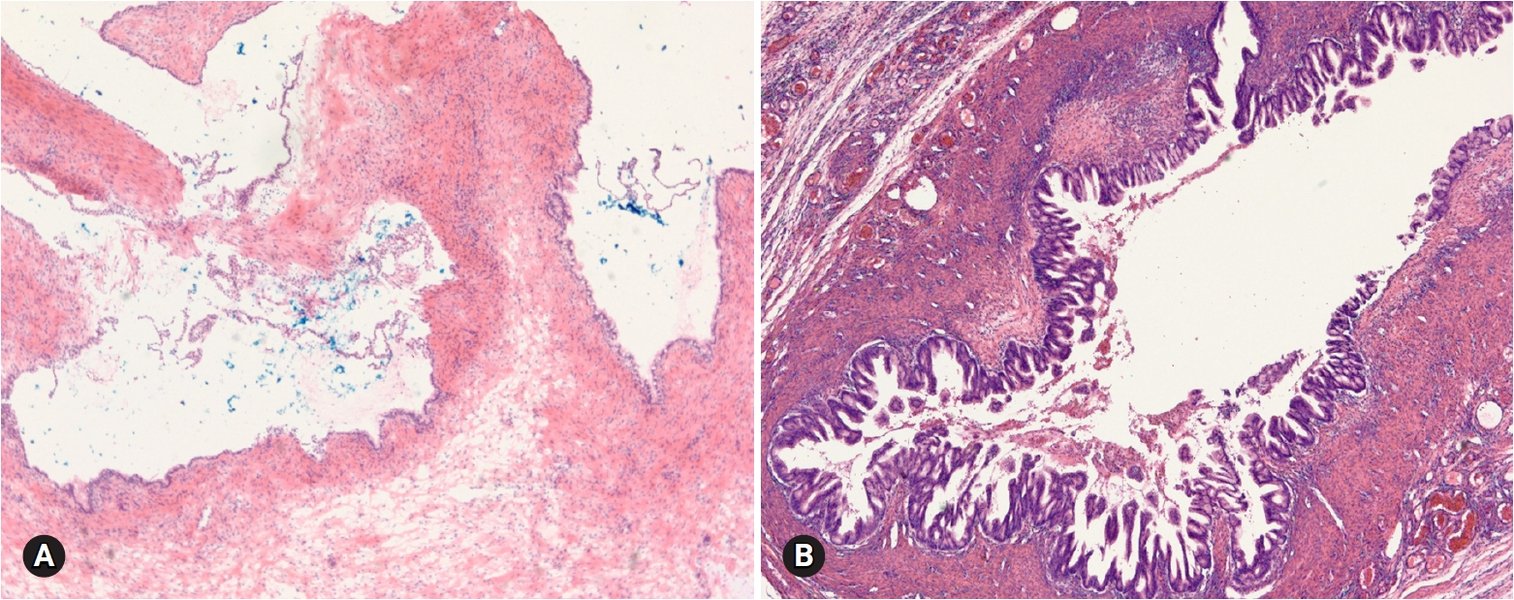 Intraoperative consultation for ovarian tumors
Historical Context and Evolution of the Technique
The rapid frozen section technique was first introduced in 1891. Since then, its use in the evaluation of ovarian masses has become increasingly refined. The goal is to enhance the accuracy of frozen sections, enabling surgeons to make informed decisions regarding fertility-preserving surgeries in young patients and to avoid incomplete resections in cases of malignancy.
Accuracy and Concordance of Frozen Section Analysis
Overall Accuracy Rates
Numerous studies have assessed the accuracy of frozen section analysis in diagnosing ovarian tumors. These studies consistently report high overall accuracy rates, typically ranging from 90% to 97%. For instance, one study reported an overall accuracy of 91.85%, while another found an accuracy of 90.0% when comparing frozen section reports with final histopathology. A separate study with a large sample size reported an even higher accuracy of 97.6%.
Sensitivity and Specificity in Diagnosing Malignant Tumors
In addition to overall accuracy, sensitivity and specificity are important measures of diagnostic test performance. Sensitivity refers to the ability of the test to correctly identify those with the disease (malignant tumors), while specificity refers to the ability of the test to correctly identify those without the disease (benign tumors). Studies have shown high sensitivity and specificity of frozen section analysis for diagnosing malignant ovarian tumors. For example, one study reported a sensitivity of 89.4% and a specificity of 100% for diagnosing malignant tumors.
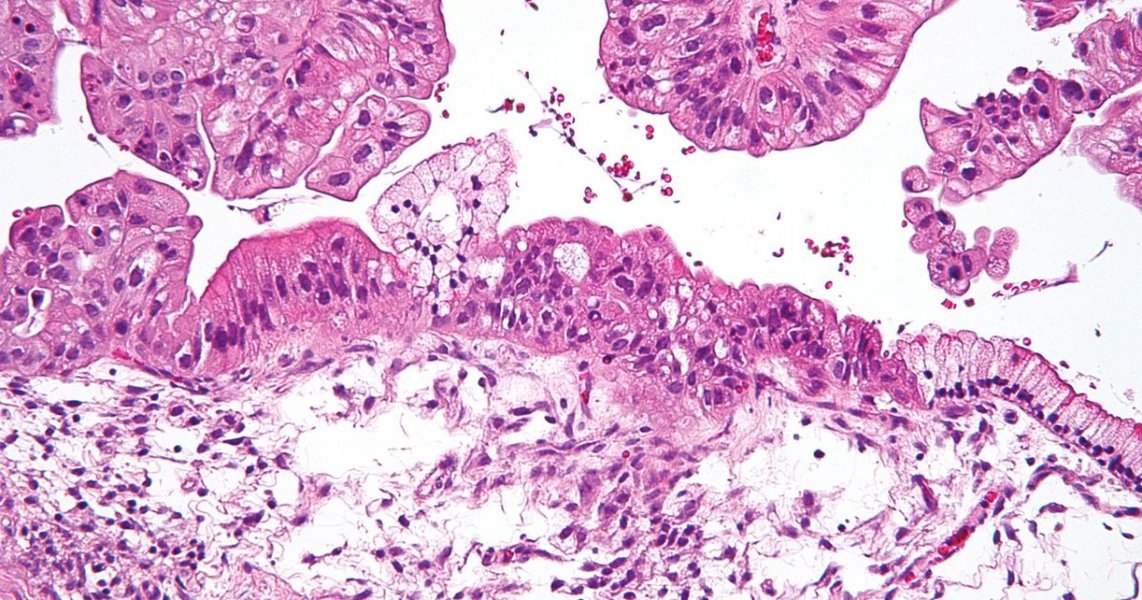 Histopathology
Discordance and Factors Affecting Accuracy
Despite the high overall accuracy, discrepancies between frozen section and final histopathological diagnoses can occur. Factors contributing to these discrepancies include the presence of borderline tumors, mucinous tumors, and sampling errors. Borderline tumors, in particular, pose a diagnostic challenge due to their intermediate characteristics between benign and malignant lesions. Mucinous tumors, which can be large and heterogeneous, may also be difficult to assess accurately on frozen section due to sampling limitations.
Impact of Tumor Subtype
The accuracy of frozen section diagnosis can vary depending on the specific subtype of ovarian tumor. For example, studies have indicated that the accuracy in discriminating mucinous ovarian tumors is significantly lower compared to other types of ovarian tumors. This is often attributed to the complex histological features and the potential for sampling errors in these large tumors.
Sampling Techniques and Gross Examination
Careful macroscopic examination and appropriate sampling are crucial for minimizing the risk of error in frozen section analysis. Primary ovarian mucinous neoplasms, being the largest of all ovarian tumors, present a particular challenge in obtaining a sufficient and representative sample. Thorough gross examination and targeted sampling of different areas within the tumor can help improve diagnostic accuracy.
Experience of the Pathologist
The experience and expertise of the pathologist also play a significant role in the accuracy of frozen section diagnosis. Pathologists specializing in gynecological pathology are better equipped to interpret the complex histological features of ovarian tumors and to differentiate between benign, borderline, and malignant lesions.
Clinical Implications and Surgical Decision-Making
Guiding Surgical Management
Frozen section analysis is a valuable tool for guiding surgical management of ovarian masses. The intraoperative diagnosis provided by frozen section can help surgeons determine the extent of surgery required, including whether to perform a full staging procedure, fertility-sparing surgery, or more extensive resection. For example, if frozen section analysis reveals a benign lesion, a full staging procedure may not be necessary, and fertility-sparing surgery can be considered if appropriate. Conversely, if frozen section analysis indicates malignancy, a comprehensive surgical staging procedure can be performed immediately, avoiding the need for a second operation.
Avoiding Under- and Over-Treatment
Accurate intraoperative assessment of ovarian masses is crucial for avoiding both under- and over-treatment of patients. Under-treatment, such as incomplete resection of a malignant tumor, can lead to disease recurrence and poorer outcomes. Over-treatment, such as unnecessary removal of the uterus and ovaries in a young woman with a benign lesion, can have significant long-term consequences. By providing rapid and accurate diagnostic information, frozen section analysis helps ensure that patients receive the most appropriate surgical treatment.
The Role of Frozen Section in Early-Stage Disease
In early-stage ovarian cancer, frozen section analysis is particularly important for determining whether surgical staging is necessary. Surgical staging involves the removal and examination of lymph nodes and other tissues to determine the extent of disease spread. The value of surgical staging lies in its ability to detect micrometastases, which are not macroscopically evident but may warrant adjuvant chemotherapy. Intraoperative frozen section analysis can help identify women with suspicious pelvic masses who would benefit from optimal surgical staging.
Specific Tumor Types and Diagnostic Challenges
Epithelial Tumors
Epithelial ovarian tumors, which originate from the surface epithelium of the ovary, are the most common type of ovarian neoplasm. These tumors can be benign, borderline, or malignant, and accurate classification is essential for determining prognosis and treatment. Frozen section analysis plays a critical role in differentiating between these categories.
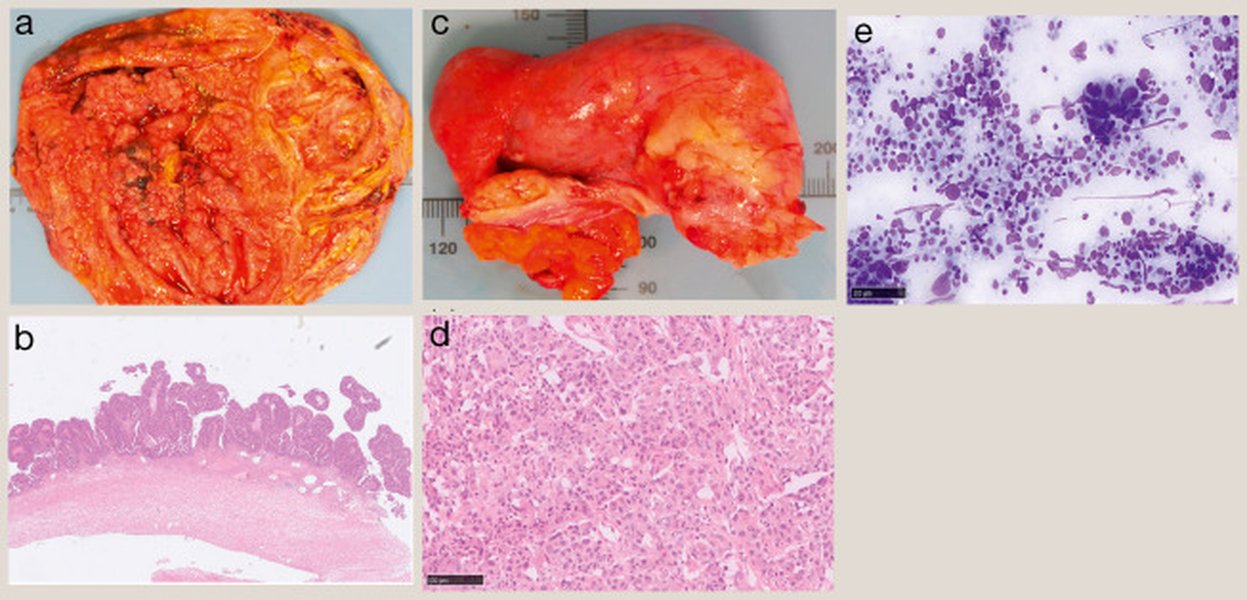 Frozen section diagnosis of ovarian epithelial tumours
Germ Cell Tumors
Germ cell tumors arise from the germ cells of the ovary and are more commonly found in younger women. These tumors include teratomas, dysgerminomas, and yolk sac tumors. While some germ cell tumors are benign, others are malignant and require aggressive treatment. Frozen section analysis can help identify these tumors and guide surgical management.
Sex Cord-Stromal Tumors
Sex cord-stromal tumors originate from the sex cords or stromal cells of the ovary. These tumors include granulosa cell tumors, Sertoli-Leydig cell tumors, and fibromas. Many sex cord-stromal tumors are benign, but some can be malignant. Frozen section analysis can aid in the diagnosis and management of these tumors.
Metastatic Tumors
Metastatic tumors, which originate from other sites in the body and spread to the ovary, can also present as ovarian masses. Common primary sites for metastatic ovarian tumors include the gastrointestinal tract, breast, and uterus. Frozen section analysis can help distinguish metastatic tumors from primary ovarian neoplasms, which is important for determining the appropriate treatment strategy.
Illustrative Table of Ovarian Tumor Types
The following table summarizes the main types of ovarian tumors, their origins, and key features to aid in diagnosis:
| Tumor Type | Origin | Key Features | Frozen Section Role |
|---|---|---|---|
| Epithelial Tumors | Surface epithelium of the ovary | Serous, mucinous, endometrioid, clear cell | Differentiate benign, borderline, and malignant; guide staging |
| Germ Cell Tumors | Germ cells of the ovary | Teratoma, dysgerminoma, yolk sac tumor | Identify tumor type, guide surgical approach |
| Sex Cord-Stromal Tumors | Sex cords or stromal cells of the ovary | Granulosa cell tumor, Sertoli-Leydig cell tumor | Assess malignant potential, determine extent of resection |
| Metastatic Tumors | Spread from other sites (e.g., GI tract, breast) | Variable, depending on primary site | Distinguish from primary ovarian neoplasms, guide treatment |
Advancements and Future Directions
Emerging Technologies
Advancements in technology are continually improving the accuracy and efficiency of frozen section analysis. Molecular techniques, such as polymerase chain reaction (PCR) and immunohistochemistry, can be used to identify specific genetic mutations or protein markers that are associated with certain types of ovarian tumors. These techniques can provide valuable information that complements traditional histopathological assessment.
Artificial Intelligence and Machine Learning
Artificial intelligence (AI) and machine learning (ML) are also being explored as tools to enhance the accuracy and efficiency of frozen section diagnosis. AI algorithms can be trained to recognize patterns and features in histological images that are indicative of malignancy or other specific tumor characteristics. These algorithms can assist pathologists in making more accurate and timely diagnoses.
Standardization and Quality Control
Efforts to standardize frozen section procedures and implement rigorous quality control measures are essential for ensuring consistent and reliable results. This includes establishing clear guidelines for sample preparation, staining, and interpretation, as well as implementing regular audits and proficiency testing to monitor performance.
FAQ
What is the primary purpose of frozen section analysis in the context of ovarian masses?
The primary purpose of frozen section analysis is to provide a rapid, intraoperative diagnosis of suspicious ovarian masses, enabling surgeons to make informed decisions about the extent of surgical intervention required during the procedure.
How accurate is frozen section analysis in diagnosing ovarian tumors?
Frozen section analysis generally exhibits high accuracy, with reported rates ranging from 90% to 97% when correlated with final histopathological findings. However, accuracy can vary depending on tumor type and the experience of the pathologist.
What factors can affect the accuracy of frozen section analysis?
Factors that can influence the accuracy of frozen section analysis include the presence of borderline tumors, mucinous tumors, sampling errors, and the expertise of the pathologist.
How does frozen section analysis guide surgical management of ovarian masses?
Frozen section analysis helps surgeons determine the extent of surgery needed, such as whether to perform a full staging procedure, fertility-sparing surgery, or more extensive resection, based on the intraoperative diagnosis of the ovarian mass.
What are some emerging technologies that are improving frozen section analysis?
Emerging technologies such as molecular techniques (e.g., PCR, immunohistochemistry) and artificial intelligence (AI) are being explored to enhance the accuracy and efficiency of frozen section diagnosis.
References
Last updated April 16, 2025