
Frozen Section Analysis of Ovarian Masses: Correlation with Histopathological Findings
An In-Depth Overview of Diagnostic Accuracy and Clinical Implications
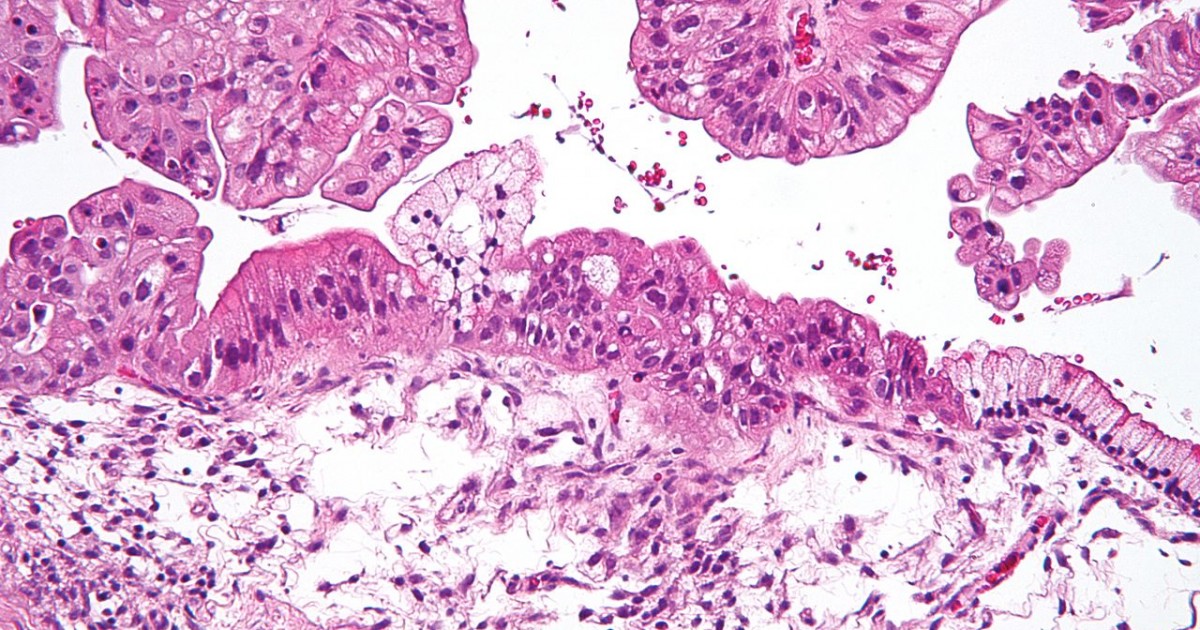
Key Highlights
- High Diagnostic Accuracy: Frozen section analysis typically achieves accuracy rates between 90% and 97% compared to permanent histopathology.
- Vital Role in Surgical Decisions: The rapid diagnosis aids in distinguishing between benign, borderline, and malignant ovarian masses, impacting the chosen surgical approach.
- Challenges in Specific Subtypes: Mucinous and borderline tumors can present diagnostic difficulties, necessitating cautious interpretation during intraoperative analysis.
Introduction
Frozen section analysis is a critical intraoperative diagnostic tool, particularly in the management of ovarian masses. It provides an expedited tissue diagnosis, thereby enabling surgeons to make immediate decisions during procedures. The process involves rapidly freezing the tissue specimen, sectioning it, and histologically examining the tissue for pathological interpretation. This technique is essential when a swift evaluation is crucial for determining the extent of surgery—especially when considering fertility preservation in younger patients or preventing incomplete tumor removal in malignant cases.
Rationale Behind Frozen Section Analysis
The need for frozen section analysis emerges from the limitations associated with preoperative imaging and laboratory tests when evaluating ovarian masses. Serum tumor markers and imaging studies such as ultrasound, CT scans, or MRIs may hint at malignancy but lack the specificity required for definitive diagnosis. Frozen section diagnosis bridges this gap by providing near real-time histopathological evaluation that assists the surgical team in guiding the postoperative management plan. In essence, it functions as an immediate quality control measure that aids in avoiding overtreatment or undertreatment.
Diagnostic Accuracy and Statistical Insights
Studies consistently demonstrate that the overall accuracy of frozen section diagnosis for ovarian masses ranges from 90% to 97%. This high diagnostic reliability is critical, particularly in delineating benign from malignant lesions.
Key Statistical Findings
Research involving hundreds of cases has provided detailed insights into the accuracy of frozen section analysis:
Accuracy Rates and Sensitivities
Data suggests that the frozen section analysis demonstrates sensitivities as high as:
- Benign Tumors: 99.2% sensitivity, reflecting near-all inclusiveness for non-malignant lesions.
- Borderline Tumors: Approximately 88.46% sensitivity; these tumors present interpretative challenges due to their heterogeneous features.
- Malignant Tumors: Around 82.95% sensitivity, underscoring its robust role in diagnosing overt malignancies while acknowledging a slight risk for underdiagnosis.
Comparative Analysis with Permanent Histopathology
When compared with permanent paraffin-embedded histopathology, frozen section analysis shows a high concordance rate, often above 93%. However, some discrepancies may arise, especially in cases where the tumor composition includes a borderline component or when the sample size is too limited. Such discrepancies require cautious interpretation by both the surgeon and the pathologist to prevent misclassification that could lead to either excessive or insufficient surgery.
Diagnostic Challenges
Two primary challenges arise during frozen section analysis:
- Mucinous Tumors: Their inherent heterogeneity and the presence of different histological areas can lead to diagnostic difficulties, sometimes resulting in an underestimation of malignancy.
- Borderline Lesions: These tumors exhibit intermediate features that can overlap with both benign and malignant characteristics, affecting the reliability of intraoperative assessment.
Clinical Implications and Surgical Decision-Making
Frozen section analysis greatly affects surgical management strategies. Its role in tailoring the extent of surgery according to the nature of the ovarian mass cannot be overstated.
Impact on Surgical Procedures
Intraoperative Decision Support
During surgery, the immediate feedback provided by the frozen section allows the surgical team to:
- Decide whether a conservative approach can be taken (especially in benign or borderline tumors where fertility preservation is an important consideration).
- Implement more extensive surgical measures in cases of confirmed malignancy, thus ensuring complete tumor resection and appropriate staging procedures.
- Modify surgical plans in real-time based on the rapid histopathological insights provided by the frozen section, reducing the need for secondary surgeries.
Potential for Fertility Preservation
For younger patients, the use of frozen section analysis holds significant promise for fertility-sparing operations. When intraoperative evaluations indicate a benign or borderline pathology, surgeons can opt for less radical procedures, thereby maintaining reproductive potential. This is particularly important given the quality-of-life considerations and the psychosocial impact associated with aggressive surgical treatments.
Correlating Frozen Section Diagnosis with Final Histopathological Findings
Correlational studies have consistently shown that frozen section results generally parallel the final diagnosis rendered by permanent histopathological techniques. Despite this robust correlation, it is crucial to consider situations where the frozen section might not capture the complete extent of the lesion’s heterogeneity.
Comparative Table of Diagnostic Outcomes
The following table summarizes key diagnostic parameters and their respective ranges as reported in various studies:
| Parameter | Benign Tumors | Borderline Tumors | Malignant Tumors |
|---|---|---|---|
| Overall Accuracy | ~99% | ~88% | ~83-97% |
| Sensitivity | 99.2% | 88.46% | 82.95% - 97.14% |
| Diagnostic Concordance | Typically 90-97% concordance with permanent histopathology | ||
| Common Diagnostic Pitfalls | Sampling error, interpretation of mucinous and borderline components | ||
Clinical Studies and Case Examples
Many studies have underscored the importance of correlating frozen section outcomes with permanent histopathological findings. In one study involving 156 ovarian masses, the median patient age was discovered to be 51 years; the breakdown of diagnoses included a significant portion of benign lesions, while about 7.6% were borderline and 31.3% malignant. Such data emphasizes the need to carefully navigate the delicate balance between over-treatment and under-treatment.
In another robust study with more than 380 cases, the intraoperative assessment via frozen sections was invaluable, not only for guiding surgical margins but also for influencing decisions regarding lymph node sampling and staging procedures. These case examples serve as tangible demonstrations of how frozen section analysis operates as an adjunct to overall patient management.
Current Challenges and Future Directions in Frozen Section Analysis
Although frozen section analysis is remarkably effective, certain challenges persist. Principal among these is the inherent difficulty in diagnosing tumors with complex histological features, notably the mucinous and borderline ovarian tumors.
Limitations in the Process
The limitations inherent to the frozen section technique include:
- The possibility of sampling error due to the heterogeneous nature of ovarian tumors.
- The difficulty in interpreting sections that may not represent the entire tumor, particularly when borderline or mucinous features are present.
- Variability in interpretation among pathologists, which can occasionally lead to discrepant diagnoses when compared with the final, permanent histology.
Future Improvements
To overcome these challenges, future research is focusing on:
- Enhancing tissue preparation techniques to reduce freezing artifacts.
- Implementing digital pathology and artificial intelligence tools to assist in more consistent interpretations.
- Developing more comprehensive sampling protocols to ensure that all representative areas of the tumor are adequately assessed.
Integration with Multidisciplinary Care
Frozen section analysis does not occur in isolation – it is most effective when integrated into a broader multidisciplinary framework. Surgeons, radiologists, and pathologists must collaborate closely to ensure that every patient receives an accurate diagnosis and an appropriate treatment plan.
Team-Based Approach
Role of the Pathologist
The expertise of the pathologist is central when interpreting the frozen section slides. Their experience in recognizing subtle histological patterns, especially in borderline lesions, enhances the overall diagnostic yield of the procedure. The pathologist’s findings directly impact the intraoperative strategy, highlighting the need for precise and timely communication with the surgical team.
Surgical Planning and Patient Outcomes
Effective surgical planning based on frozen section results can reduce the likelihood of reoperation, minimize surgical morbidity, and improve overall patient outcomes. For instance, in cases where the frozen section suggests a benign process, fertility-preserving surgeries can be confidently undertaken, thereby preventing unnecessary radical procedures.
Table: Advantages and Limitations of Frozen Section Analysis
| Aspect | Advantages | Limitations |
|---|---|---|
| Turnaround Time | Rapid results allow intraoperative decisions | May compromise detail in comparison to permanent sections |
| Diagnostic Accuracy | High overall concordance with final histology | Challenging for mucinous and borderline tumors |
| Surgical Impact | Facilitates tailored surgical approaches | Errors may lead to overtreatment or undertreatment |
| Resource Efficiency | Immediate feedback reduces need for second surgeries | Requires skilled personnel and rigorous protocols |
Summary of Key Takeaways
Frozen section analysis represents a cornerstone of intraoperative decision-making in the management of ovarian masses. The technique boasts a high degree of accuracy, which, when integrated within a multidisciplinary clinical framework, serves to optimize operative strategies and improve patient outcomes. Through rapid diagnosis, surgeons are able to differentiate between benign, borderline, and malignant tumors, allowing for a more customized surgical approach. However, areas such as mucinous and borderline tumors remain challenging due to their complex histological presentation. Ongoing advancements in tissue processing and the incorporation of digital pathology aim to address these challenges, paving the way for even more reliable and efficient diagnosis.
References
-
Role of Frozen Section in Intraoperative Assessment of Ovarian Masses - PMC
-
Accuracy of Frozen Section with Histopathological Report in an Institute - PMC
-
Diagnostic Accuracy of Frozen Section in Ovarian Masses - ScienceDirect
-
Intraoperative Frozen Section Analysis for Diagnosis of Ovarian Tumors - PMC
- Frozen Section Diagnosis of Ovarian Epithelial Tumors - Allen Press
Recommended Related Queries
Last updated March 9, 2025