
Exploring the Future Trends in India's Space Sector
Delving deep into the emerging innovations, policies, and global visions shaping India’s space journey.
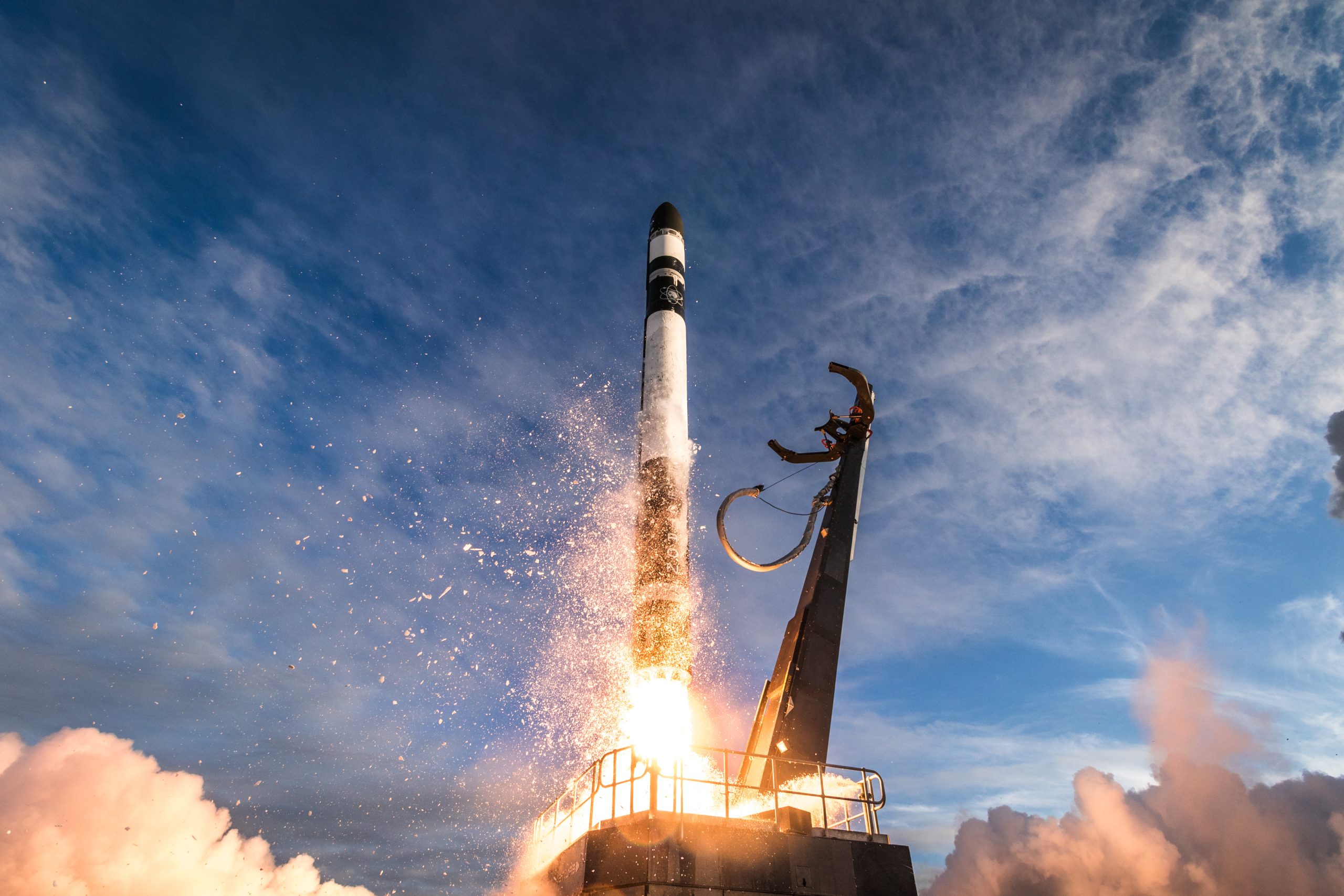
Key Highlights
- Growth Trajectory: Ambitious economic targets with significant global market penetration.
- Private Sector Engagement: Enhanced participation of startups and private companies driven by policy reforms and structured initiatives.
- Technological Advancements: Breakthroughs in reusable rocket technology, satellite miniaturization, and deep-space explorations through global partnerships.
India's Ambitious Growth Trajectory
In recent years, India's space sector has rapidly evolved into a promising frontier not only in terms of technological capabilities but also as an emerging economic powerhouse. According to government insights and industry analyses, India is on a path to be a leading player in the global space economy. Ambitious targets, such as capturing around 8% of the global space market by 2033 and expanding the national space economy to approximately USD 44 billion, underline the significant potential that the nation holds.
This robust growth is supported by several factors including strategic policy reforms, extensive public–private partnerships, and a consistent track record of successful space missions. For instance, mission milestones such as Chandrayaan-3 and the Aditya L1 Solar Mission have not only demonstrated the country's strong technical prowess but also boosted its international credibility. Moreover, India’s cost-effective space operations have positioned it as a dependable partner for international collaborations, further fueling the growth prospects.
Driving Forces: Private Sector and Startup Participation
Government Reforms and Policy Initiatives
One of the strongest enablers of India's space sector growth is the active involvement of private players and startups. In a bid to foster and accelerate innovation, the Indian government has implemented forward-looking reforms, granting increased foreign direct investment (FDI). Under the current policy landscape, FDI is permitted up to 100% through the automatic route for satellite components and systems, with additional allowances for satellite manufacturing and launch vehicles. This clear commitment to liberalizing the sector has spurred a surge in entrepreneurial ventures, with more than 100 startups now entering the space market.
Initiatives like IN-SPACe (Indian National Space Promotion and Authorization Center) are facilitating smoother entry by providing a single-window approval system for private entities. Enhanced budget allocations, supportive policies like the Indian Space Policy 2023, and targeted government funds (for example, a dedicated INR 10 billion fund to nurture startups in space technology) all contribute to a rich ecosystem that nurtures both emerging and established players.
Entrepreneurial and Innovation Ecosystem
The involvement of startups has not only diversified the space value chain but has also infused a dynamic spirit of innovation into the sector. With startups focusing on areas such as satellite manufacturing, propulsion systems, and space data analytics, the ecosystem is witnessing a surge of creative solutions and cutting-edge technologies. For example, the growth in the satellite manufacturing segment and innovations in launch technologies underscores the sector's progressive approach towards consolidating its presence domestically and internationally.
This increased private participation is expected to yield breakthroughs in technologies that have wider applications beyond space exploration – including advanced robotics, artificial intelligence for autonomous systems, and deep learning applications in satellite imagery and remote sensing operations.
Technological Advancements and Global Collaborations
Innovations in Satellite Technology and Launch Systems
Technological innovation remains at the heart of India's space sector evolution. The country is not only advancing its satellite technology but also investing in reusable rocket technologies that promise to reduce launch costs significantly. The miniaturization of satellite components and the integration of smart technologies such as artificial intelligence (AI) and robotics are converging to create a robust and versatile space infrastructure.
Looking to the future, India is poised to explore deeper into space with initiatives that are expected to further enhance its competitiveness. The combination of low-cost launch services and the ability to produce highly efficient satellites is generating strong momentum for the sector, positioning India as a sustainable model for future space endeavors.
International Partnerships and Collaborative Projects
Global collaboration plays a pivotal role in cementing India’s reputation as a significant spacefaring nation. Strategic partnerships with long-established space agencies such as NASA, ESA, and JAXA provide India with access to advanced technologies, joint research opportunities, and shared expertise. A prime example is the NISAR mission, a joint venture with NASA, which is set to advance our understanding of Earth’s dynamic systems through innovative satellite technology.
Additionally, Indian astronaut candidates receiving training in the United States symbolizes the international integration of skills and technical know-how. These collaborations not only enhance operational capacity but also facilitate knowledge transfer and establish frameworks for future cooperative missions.
Enhancing Infrastructure and Regulatory Frameworks
Development of Space Infrastructure
Beyond technological innovations and commercial growth, the development of complementary infrastructure is a cornerstone of the future trajectory in India's space sector. The concept of space parks and dedicated research zones is gradually becoming a reality, offering a physical ecosystem where research institutions, startups, and foreign partners can simultaneously innovate and test groundbreaking technologies.
Additionally, investments in ground stations, satellite tracking systems, and enhanced data analytics centers are augmenting the capabilities of existing space missions. Enhanced logistics and integrated supply chains are being established to support end-to-end space operations—from satellite design and manufacturing to launch and post-mission analysis. This infrastructural expansion is tailored to address both the increasing domestic demand and the challenges of global competition.
Robust Regulatory Frameworks
A robust and clear regulatory framework is critical for sustainable growth in the space sector. The Indian government has actively worked towards modernizing its regulations to provide a secure and transparent environment for business operations. The introduction of comprehensive space laws, where intellectual property rights, mission-critical agreements, and operational guidelines are clearly defined, forms a solid backbone for private participation and international collaboration.
Recent reforms have also focused on securing a resilient supply chain by promoting indigenous manufacturing, which will mitigate reliance on foreign entities and contribute to a more confident and autonomous operational capability. As the domestic market for satellite services and space launches expands, these regulatory measures will help navigate the complex landscape of international space commerce.
Comparative Analysis of Sector Drivers
The transformation in India's space sector is multi-faceted, with several intertwined drivers playing a part. The table below provides a comparative analysis of the key elements contributing to the sector's evolution, summarizing insights on growth targets, policy reforms, technological innovations, and international collaborations.
| Key Element | Description | Impact |
|---|---|---|
| Growth Targets | Ambitious projections including capturing 8% of the global market by 2033, with a forecasted space economy valued at USD 44 billion. | Positions India as a significant contender in the international space industry, enhancing economic prospects and strategic influence. |
| Private Sector Engagement | Policy reforms allowing substantial FDI and fostering an entrepreneurial ecosystem with over 100 startups. | Drives innovation, lowers operational costs, and diversifies mission capabilities while attracting global investments. |
| Technological Advancements | Cutting-edge innovations in satellite miniaturization, reusable rockets, and AI-driven spacecraft. | Enhances technological competitiveness and paves the way for deep-space exploration and advanced mission capabilities. |
| Global Collaborations | Joint missions like NISAR and astronaut training programs with leading international space agencies. | Facilitates cross-border knowledge exchange, boosts technical expertise, and strengthens international partnerships. |
| Infrastructure & Regulation | Development of space parks, integrated supply chains, and modernized regulatory frameworks. | Ensures operational certainty, sustainability, and a competitive edge in a rapidly evolving space market. |
Challenges and Opportunities Ahead
Addressing Workforce and Supply Chain Constraints
Despite the promising outlook, certain challenges remain pivotal in shaping the future of India's space sector. There is a pressing need to develop a highly skilled workforce that is capable of managing advanced space technologies and innovative processes. Investment in education and specialized training programs is vital to ensure the availability of experts who can navigate both domestic and international projects.
Similarly, building a resilient domestic supply chain is essential to reduce dependency on foreign technologies and to bolster indigenous research and development. Enhanced collaborations between academia, research institutions, and industry stakeholders are expected to foster a more robust supply chain infrastructure.
Expanding Global Footprints and Market Integration
While India’s cost-effective and innovative approach to space exploration continues to draw attention, sustained success on a global scale will require consistent integration of international standards and best practices. By aligning domestic capabilities with global technological benchmarks, India is likely to not only fortify its competitive stance but also drive a paradigm shift in the global space economy. Enhanced regulatory clarity, intellectual property rights, and operational guidelines will further ensure that the nation's competitive advantage remains sustainable.
Opportunities abound in customizing culturally unique innovations for niche markets, expanding to new geographical areas such as satellite data services for agriculture, urban planning, and disaster management. With strong governmental backing and increasing private investment, the scope of expanding India’s footprint in the international arena is immense.
Ongoing Developments and Future Projections
Stakeholder Collaborations and Upcoming Missions
The evolving landscape of India’s space ecosystem is characterized by rapidly emerging projects and missions that underscore robust stakeholder collaboration. The integration between government agencies like ISRO and private entities under structures like the NSIL fosters a conducive environment for creating breakthrough launch solutions and next-generation satellites. This collaborative spirit is being reflected in the numerous upcoming missions which focus not only on scientific exploration but also on commercial applications such as Earth observation and telecommunications.
Moreover, collaborations with international bodies ensure that Indian technologies remain globally competitive and continuously updated with the latest advancements in space science. With upcoming missions, the focus is shifting from traditional exploratory projects to more commercially centered endeavors that can generate sustainable revenue streams – an essential factor for long-term growth.
Long-Term Economic and Technological Impact
Looking ahead, the growth of India's space sector is poised to create cascading benefits across multiple industries. As the space economy grows, there will be significant spillovers into sectors such as telecommunications, defense, environmental monitoring, and information technology. The integration of advanced technologies like AI and robotics in space missions will also accelerate innovation trends in other high-tech sectors.
The sustained expansion driven by technological innovation, supportive policy frameworks, and a thriving entrepreneurial ecosystem points towards a future where India's space sector not only challenges global competitors but also charts new territories in space exploration and commercial enterprise. With both immediate and long-term visions in place, the nation is well on track to become a linchpin in the global space economy.
References
- India's Space Sector: ISRO's Progress and Futuristic Trends - Invest India
- Shaping the Future of India's Space Sector - Drishti IAS
- India's space sector poised to reach $44 billion - Economic Times
- India’s Space Sector: A Transformational Year Ahead in 2025 - Financial Express
- Strategic Vision & Innovation Boosting India’s Space Economy - World Economic Forum
Recommended Queries for Further Exploration
 static.pib.gov.in
Last updated March 11, 2025