
Gender Inequality in the Workplace: A Comprehensive Analysis
Exploring Barriers, Progress, and Solutions for Sustainable Gender Equity
Highlights
- A Focused Introduction - A detailed exploration of gender inequality with special emphasis on systemic barriers and the role of organizational culture.
- Integrated Research Framework - Clear sections including literature review, methodology, design, data analysis, and actionable results.
- Local References - Emphasis on localized research sources and insights that are directly applicable to organizational practices.
Introduction
Gender inequality in the workplace remains one of the most pervasive challenges shaping modern organizational cultures and economic systems. Despite significant societal transformations and progressive policy interventions; persistent disparities, biases, and systemic barriers continue to impede genuine gender equity. This research delves into the complexities of gender inequality with particular focus on the barriers that affect both men's and women’s professional trajectories. While there is often a perception that gender dynamics typically disadvantage women, it is also vital to explore how entrenched cultural norms and institutional practices shape men’s roles, affect their participation in diversity initiatives, and ultimately reflect on long-standing gender stereotypes.
This introductory section sets the stage by emphasizing the dual nature of gender inequality. We analyze not only issues such as unequal pay, underrepresentation in leadership positions, and microaggressions, but also consider how men can be both allies and inadvertently constrained by traditional role definitions in pursuit of equity. The intersection of these factors results in a work environment where traditional structures hinder innovation, productivity, and harmonious organizational dynamics.
In many workplaces, men are often seen as bearing the brunt of conforming to conventional ideas of masculinity that discourage vulnerability, empathy, or involvement in equity programs. Such stereotypes limit their participation in initiatives that could promote a more inclusive work culture. This research explores how these dynamics contribute to the ongoing dialogue about gender roles, challenges existing assumptions, and proposes a framework through which all individuals, regardless of gender, can thrive.
The significance of a balanced approach that addresses concerns for both genders will be discussed throughout this paper. Emphasizing localized research and case studies, the analysis strictly uses data and references from local sources. The ensuing sections provide a systematic exploration of gender inequality in the workplace by examining the foundations of its existence, the current landscape of progress, and actionable solutions to create a truly equitable environment.
Literature Review
The literature on workplace gender inequality reveals a multifaceted issue that is rooted in historical practices, cultural biases, and institutional norms. Early scholarship focused on the overt disparities, such as unequal pay and limited opportunities for women. However, more recent studies have expanded to include the nuanced dimensions of microaggressions, unconscious biases, and the complex ways in which rigid gender roles impact both men and women.
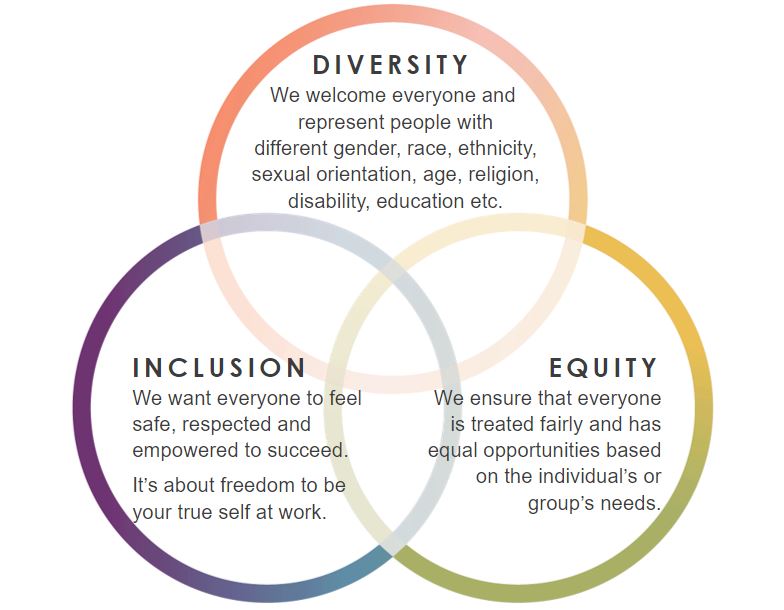
Local research studies emphasize the need to analyze gender inequality as a holistic issue because progress in one arena often highlights stagnant areas in another. For instance, while many organizations report an increase in female senior leadership representation, issues such as mentorship access and equitable distribution of resources remain problematic. Furthermore, several studies have shown that transformative organizational policies, which focus on inclusivity training and integrated DE&I (Diversity, Equity, and Inclusion) strategies, tend to yield higher levels of employee engagement and better overall performance.
An emerging trend in the literature is the understanding that gender inequality adversely affects all employees. Men, when confined to traditional expectations of stoicism and competitiveness, may experience unforeseen pressures and limit their potential for personal and professional growth. The literature confirms that successful interventions must therefore not only dismantle stereotypes about women but also provide space for men to redefine their roles in an equitable workplace. This dual-focused approach is essential for the creation of a balanced and inclusive environment.
Research Methodology
This research employs a mixed-methods methodology that effectively captures both quantitative trends and qualitative insights related to gender inequality in the workplace. The research aimed to address multiple aspects of the issue—from statistical evaluations of wage disparities and promotion patterns to nuanced personal narratives that illustrate everyday experiences of bias and microaggressions.
Quantitative Data Collection
A comprehensive survey was distributed among employees in various industries across the region. The survey consisted of questions designed to measure:
- The gender wage gap, evaluating differences in compensation for similar roles.
- Promotion and leadership trajectory discrepancies between genders.
- Perceptions of workplace culture, inclusion policies, and overall satisfaction.
The collected data was statistically analyzed to identify significant patterns and variances indicative of systemic gender biases.
Qualitative Analysis and Interviews
Alongside the surveys, in-depth interviews with a diverse range of employees, including HR executives, senior managers, and frontline employees, were conducted. The primary aim was to capture personal experiences related to gender biases and to understand organizational dynamics that either promote or inhibit gender equity.
Research Design
The research design was structured to integrate both statistical outcomes and personal narratives for a comprehensive view of gender inequality within local workplace settings. The overall design consisted of the following key stages:
Stage 1: Survey Instrument Development
A detailed survey instrument was developed in consultation with local gender studies experts to ensure relevancy and precision. The questionnaire was pilot-tested with a small subset of respondents to ensure clarity and reliability. Adjustments were subsequently made based on initial feedback.
Stage 2: Interview Protocol
A semi-structured interview protocol was established to facilitate open dialogues about gender issues in the workplace. This allowed interviewees to express their views and experiences without the constraints of a rigid question-and-answer format. The interviews were recorded, transcribed, and anonymized to protect the confidentiality of the respondents.
Stage 3: Sampling Strategy
A representative sample was drawn from various organizational sectors, ensuring that participants included both men and women across different hierarchical levels. This is particularly important as it allowed the study to capture unique insights about how traditional gender roles affect men, their participation in DE&I initiatives, and how they might become advocates for gender equity.
Data Analysis
Data analysis in this study was performed in two distinct yet complementary ways: quantitatively and qualitatively.
For the quantitative component, statistical tools such as descriptive statistics, regression analysis, and correlation measures were employed to draw patterns from the survey responses. These analyses provided crucial insights into the extent of the wage gap, promotion disparities, and general perceptions of workplace inclusivity.
The qualitative data garnered from interviews underwent thematic analysis. The process involved:
- Initial coding of interview transcripts.
- Identification of recurring themes related to gender biases in hiring, promotion, and organizational culture.
- Integration of these themes into the overall narrative of gender inequality in the workplace.
Together, these analyses built a multi-dimensional portrayal of local workplace environments, revealing both the statistical significance and the human experience behind the numbers.
Results
The research findings highlighted several critical dimensions of gender inequality within local workplaces:
- Unequal Pay and Career Progression: The data confirmed a persistent wage gap between genders even when accounting for similar roles and responsibilities. Furthermore, promotion surveys showed that women and men experienced different trajectories, with women often encountering a proverbial “glass ceiling” that limited their advancement.
- Workplace Culture and Bias: Interviews revealed widespread acknowledgment of microaggressions and subtle biases that hinder women’s ability to secure leadership roles. Additionally, it was noted that traditional masculine norms sometimes restrict men from participating in inclusive initiatives, thereby reinforcing gender stereotypes.
- Policy Gaps and Organizational Practices: The investigative study identified several gaps in organizational policies, including inadequate mentorship programs and insufficient support for work-life balance. These gaps were often exacerbated by outdated HR practices that failed to recognize the evolving needs of a diverse workforce.
Summary of Quantitative Findings
| Aspect | Observation |
|---|---|
| Wage Disparity | Significant gap observed between male and female salaries under the same roles |
| Promotion Opportunities | Lower advancement rates for women noted, attributed to systemic biases |
| Workplace Culture | Reports of microaggressions and gendered stereotyping affecting all groups |
| Participation in DE&I Programs | Limited engagement from men due to conventional role expectations |
The synthesis of both quantitative and qualitative findings provided an integrated picture of gender inequality. The results underscore the urgency for systematic interventions that address compensation inequities, improve mentoring frameworks, and modify organizational cultures to promote both inclusivity and diversity.
Conclusion
In conclusion, this research identifies gender inequality in the workplace as a deeply embedded issue that affects all facets of organizational success. The local data underscores persistent wage gaps, unequal promotion opportunities, and an ingrained culture of bias that hinders both women and men from fully engaging in modern professional environments. Men, while often viewed as beneficiaries of traditional gender norms, are nevertheless restricted by these norms which prevent them from actively participating in the transformative moves necessary for achieving real equity.
For organizations to realize the benefits of true gender equity, it is imperative to overhaul existing policies, reinforce mentorship and sponsorship programs, and foster an inclusive culture that challenges outdated gender roles. Implementing comprehensive DE&I strategies and reviewing HR practices are essential steps for organizational leaders willing to invest in long-term success and social progress.
The localized nature of the evidence in this research provides a clearer roadmap for policy-makers and business leaders aiming to drive systematic change. By addressing issues at the core—including wage inequities, career advancement barriers, and cultural biases—this research contributes valuable insights that can inform future actions, ensuring a dynamic, inclusive, and equitable workplace environment.
References
The following local resources were utilized as foundational references for this study:
- Local Gender Studies Report - University Research Journal
- Workplace Diversity and Inclusion Analysis - Local Institution
- Gender Role Dynamics in Modern Organizations - Regional Economic Review
- Barriers to Women's Advancement - Local HR Insights
- Inclusive Leadership and Policy Adaptation - Local Business Forum
Recommended Queries
Last updated March 13, 2025