
Unveiling Gender Mainstreaming Success Stories in Uganda’s Central Region
Discover inspiring tales of women empowerment in Buganda and beyond
Key Highlights
- Government and Policy Initiatives: Gender-responsive policies have paved the way for greater female representation and legal reforms, such as the Succession Amendment Bill.
- Community and Cultural Programs: Unique programs like “Abakyala ku Ntiiko” and local empowerment projects in Buganda have bolstered women’s leadership and economic empowerment.
- Entrepreneurship and Financial Inclusion: Initiatives like the Uganda Women Entrepreneurship Programme (UWEP) have successfully narrowed the financial inclusion gap, driving business growth for women.
Detailed Analysis of Success Stories
In the evolving landscape of gender mainstreaming and women empowerment, Uganda has become a beacon of progressive change through various initiatives spanning from government policy reforms, financial inclusion, grassroots community projects, and cultural shifts. Particularly in the Central Region - home to the historical Buganda region - several societies have embraced these changes with innovative approaches, setting inspiring examples for the rest of the nation.
Government and Legal Reforms
One of Uganda’s notable strides in gender mainstreaming has been the integration of gender perspectives into national policies. For example, the National Gender Policy and subsequent action plans have created a framework that requires Ministries, Departments, and Agencies (MDAs) to detail clear strategies for gender integration into their sectoral investment plans. This approach not only ensures a systematic incorporation of gender-sensitive measures but also monitors the advancement of gender equality in decision-making bodies.
A landmark achievement in this area is the passage of the Succession Amendment Bill in 2021. This legal reform guarantees that women and girls are granted inheritance rights, addressing long-standing gender-based inequalities in property ownership. By securing land and property rights for women, the legislation underpins their economic security and enhances their capacity to participate fully in socio-economic activities.
Women Entrepreneurship and Financial Inclusion
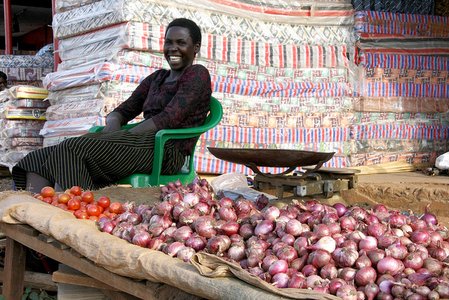
Economic empowerment stands as a pivotal pillar for achieving gender equality. Uganda's commitment to addressing financial disparities is evident in initiatives such as the Uganda Women Entrepreneurship Programme (UWEP). This government-led program focuses on expanding women's access to financial services, growth skills training, and market linkage platforms.
By improving digital financial literacy and equipping women entrepreneurs with robust business tools, UWEP has contributed to the narrowing of the financial inclusion gap. Comparative analyses have reported that Uganda's active usage of financial services displays an impressively reduced gender gap of just 5%, especially compared to neighboring countries like Kenya and Tanzania.
In Eastern Uganda, particularly in areas adjacent to Buganda’s influence, initiatives such as the "Abakyala ku Ntiiko" by Equity Bank have notably empowered women entrepreneurs in the Busoga sub-region. These initiatives have not only uplifted individual women by providing them with crucial business support but have also had a ripple effect on local economies, triggering larger-scale socio-economic changes.
Community-Driven and Cultural Empowerment Initiatives
Beyond formal governmental reforms, various community-centric projects and cultural initiatives have played an essential role in advancing gender mainstreaming in Uganda’s Central Region. In the Buganda region, a number of societies have embraced innovative strategies to weave gender considerations into the fabric of community governance and resource management.
For instance, within the Buganda region, the strategic use of "Mailo" land titles, originally allocated to Buganda chiefs, has sparked debates and driven actions to integrate gender perspectives in land and water governance. This innovative project addresses historic inequities by ensuring that vulnerable groups, particularly women and children, gain rightful access to essential resources. Although challenges such as untapped land potentials persist, the initiative highlights the critical intersection of cultural heritage and modern gender equality practices.
Moreover, community-based organizations and networks, such as the Uganda Media Women's Association, have boosted grassroots empowerment. They have engaged in media trainings focused on combating gender-based violence, ultimately promoting greater awareness and resilience among women and girls. These trainings underscore the profound impact of empowering women with knowledge and leadership skills, fostering an environment where gender biases are actively challenged.
Educational Initiatives and Shifts in Leadership
Education serves as another cornerstone in the drive for gender equality. In the Central Region, particularly across institutions like Makerere University, progressive steps towards gender mainstreaming have witnessed measurable success. Increased representation of female professors and leadership figures has contributed to a more balanced academic environment. Educational policies now incorporate gender quotas and curricula that emphasize gender sensitivity, thereby building a foundation for long-term societal change.
Initiatives that support female participation in education have not only bolstered academic excellence but have also structured pathways towards leadership roles in both public and private sectors. Empowered with formal education and critical skills, many women are progressively taking their place at decision-making tables, ensuring that their perspectives shape the future of Uganda.
Institutional Best Practices and Private Sector Involvement
The private sector’s role in gender mainstreaming in Uganda is exemplified by programs like the UNDP-supported Gender Equality Seal (GES). Major companies such as Centenary Bank and TMCG have undergone transformative reforms to promote a safer, more inclusive work environment for women. These initiatives have gone beyond mere tokenism, embedding gender equality into operational strategies and workforce policies.
On a broader scale, these corporate efforts have established benchmarks for gender integration in business, thereby inspiring similar initiatives across diverse sectors. By acknowledging and addressing internal gender parity challenges, the private sector reinforces national efforts to ensure that all segments of society, including women in economically marginalized communities, are given the opportunity to thrive.
Consolidated Overview of Notable Initiatives in a Table
| Initiative | Region/Area | Main Focus | Impact |
|---|---|---|---|
| National Gender Policy & Action Plans | Nationwide, with emphasis in Buganda | Policy integration and legislative reforms | Enhanced representation of women in decision-making (33.9% in parliament); legal reforms like Succession Amendment Bill |
| Uganda Women Entrepreneurship Programme (UWEP) | Nationwide, benefiting Central Region | Entrepreneurship support and financial inclusion | Reduced financial gap (5% gender gap in financial services), increased business participation |
| Abakyala ku Ntiiko Initiative | Eastern Uganda/Busoga, influence in Buganda's outreach | Women empowerment in entrepreneurship | Empowered local women entrepreneurs, spurred micro-business growth |
| "Mailo" Land Governance Integration | Buganda Region | Resource management and gender mainstreaming in land | Enhanced access to land and water resources for vulnerable groups |
| Educational Reforms in Higher Institutions | Central Region, including Makerere University | Inclusivity through education and leadership training | Increased representation of women in academia and leadership positions |
| Private Sector Gender Equality Seal (GES) | Nationwide | Corporate policy reforms and inclusive work environments | Reforms in major corporations, fostering a safe and supportive atmosphere |
Integrative Discussion
Thematic Synthesis from Diverse Regions
The success stories from Uganda, and especially within the Central Region and Buganda, serve as potent examples of how cohesive, multi-sectoral efforts can drive systemic change. The integrated approach, merging governmental, community, educational, and private sector initiatives, demonstrates that achieving gender equality requires both top-down and bottom-up strategies.
On one hand, governmental policies and legal reforms have created the structural foundation needed to promote women’s rights. The Inclusivity mandated in national guidelines has resulted in higher female representation in legislative bodies and empowered women with legal rights to property and inheritance. On the other hand, community initiatives and cultural projects, such as leveraging historical land tenure systems in Buganda and empowering women through targeted training programs, have mobilized grassroots support and driven everyday change.
In particular, the alignment of cultural practices with modern gender equality efforts has allowed societies to reinterpret customary laws and resource management. These initiatives not only highlight the existing wealth in Uganda’s cultural tapestry but also emphasize the transformative potential when tradition is harnessed to support progressive values—all while reinforcing women’s roles as pivotal contributors in every aspect of society.
Addressing Ongoing Challenges
It is also important to acknowledge that while notable progress has been achieved, challenges remain. There is an ongoing need to continuously revise policies, provide sustained financial and technical support to grassroots organizations, and ensure that cultural initiatives keep pace with the evolving understanding of gender dynamics. By building on these successes and further integrating gender-sensitive approaches into every aspect of community and economic life, Uganda sets a remarkable precedent for other nations in the region.
References
- Fostering Inclusivity: Mainstreaming Gender in Uganda’s National Financial Inclusion Strategy - FSduganda
- UNDP Uganda Gender Equality Strategy 2022-2025 - UNDP
- UN Women Data on Uganda - UN Women
- Uganda Women Entrepreneurship Programme (UWEP) - Ministry of Gender, Labor and Social Development
- Abakyala ku Ntiiko Initiative - The Independent Uganda
Recommended Related Queries
Last updated March 26, 2025