
Gender Specialization and Societal Reform in Women-Led Projects
Innovative asset support fostering gender equality and community transformation
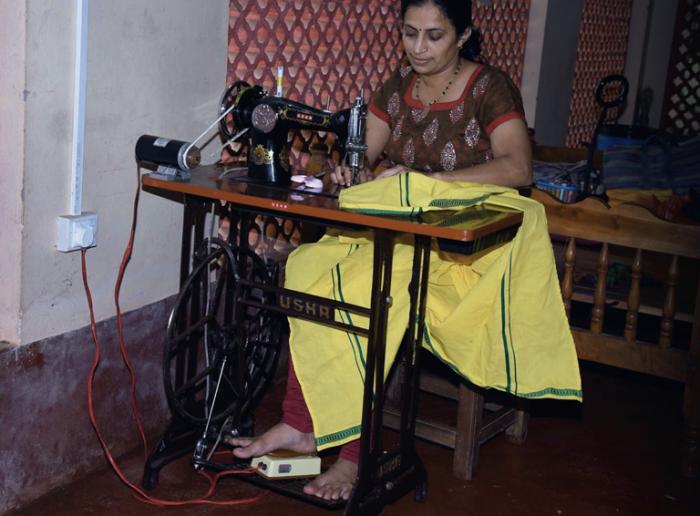
Key Highlights
- Economic Empowerment: Projects providing assets such as solar sewing machines create independent income streams and reduce financial dependency for women entrepreneurs.
- Challenging Gender Norms: Supporting women-led businesses in innovative sectors not only disrupts traditional gender roles but also promotes inclusion and societal reform.
- Societal Impact: The strategic support of women entrepreneurs drives sustainable development, community growth, and fosters a culture of gender equality.
Introduction
In today’s socio-economic landscape, targeted initiatives that support women-led businesses play a crucial role in promoting gender equality and driving community transformation. One such project involves providing $500 in assets to 40 women-led businesses, with the asset package focusing on solar sewing machines and raw materials. This project, built on the premise of gender specialization and reform, embodies the potential for catalyzing both economic growth and profound societal change.
By integrating sustainable technology with gender-focused financial support, this initiative offers an opportunity to reduce traditional gender barriers in entrepreneurship while simultaneously improving the livelihoods and social status of women. In addition, the project leverages renewable energy — particularly solar power — which contributes not only to increased productivity but also to environmental sustainability.
Project Overview
The project is designed to empower 40 women-led businesses by providing each with a $500 asset package primarily aimed at purchasing solar sewing machines and the necessary raw materials. These businesses often operate in communities where access to modern technology and reliable energy sources is limited. The introduction of solar-powered machines ensures that these enterprises benefit from significant improvements in operational efficiency. As a result, these women entrepreneurs can generate higher incomes, reinvest in their businesses, and contribute to the broader economic development of their communities.
The asset support package is not just an infusion of capital; it also provides a pathway for work empowerment by promoting sustainable business practices, ensuring that women have access to clean, renewable energy, and reducing the physical and economic burdens traditionally associated with conventional machinery.
Project Goals
The primary goals of this gender-specialized project include:
- Enhancing the productivity and efficiency of women-led businesses through the adoption of solar-powered technology.
- Breaking down economic barriers and fostering financial independence among women entrepreneurs.
- Challenging longstanding gender norms and empowering women to assume leadership roles within their communities.
- Promoting sustainable practices through renewable energy sources, thereby aligning with global environmental objectives.
- Creating a ripple effect of community empowerment by enabling these businesses to reinvest locally, spur job creation, and contribute to overall community development.
Economic Empowerment Through Asset Support
Fostering Independent Income Streams
One of the most important impacts of providing $500 asset support to women-led businesses is the fostering of independent income streams. Economic empowerment in a gendered context implies more than just financial assistance – it is about enabling women to manage, grow, and control their economic resources. When women receive the tools necessary to run their businesses more efficiently, they break free from traditional roles that may have limited their financial independence.
With the integration of solar sewing machines into their operations, these entrepreneurs experience an enhancement in productivity. Solar sewing machines are not only cost-effective but also environmentally friendly, significantly reducing the reliance on conventional power sources. As these devices are designed to operate for long durations on renewable energy, women are given the opportunity to work longer hours without incurring high energy expenses. This increased capacity for production translates directly into higher income and improved business sustainability.
Reducing Financial Barriers
Women entrepreneurs have historically encountered hurdles such as limited access to finance, discrimination within credit markets, and a lack of collateral. The asset support provided by this project is a direct challenge to these barriers. By supplying essential operational tools at a subsidized rate, the project makes it feasible for women not only to sustain their businesses but also to scale operations, hire additional staff, and explore new markets.
The economic empowerment of women is also an indirect investment in community development. When women achieve financial independence, they are more likely to reinvest their earnings in education, healthcare, and local infrastructure—contributing to a more resilient and equitable local economy.
Creating Job Opportunities
The ripple effects of enhancing a woman-led business through asset support extend to job creation. As these businesses grow, there is a corresponding increase in the demand for labor. This growth can lead to the hiring of more employees, often from within the local community, thereby addressing unemployment concerns and fostering a cycle of economic upliftment.
In many communities, women-led initiatives serve as beacons of innovation and adaptability, creating jobs across various demographics. Importantly, increasing their workforce also helps in bridging the gender employment gap. In several instances, women entrepreneurs have demonstrated a preference for recruiting local labor, thus ensuring that profits and opportunities circulate within their communities. This strategy not only impacts economic figures but also enhances the socio-economic fabric of the neighborhood.
Social Transformation and Gender Equality
Challenging Traditional Gender Norms
A critical element of the project is its role in challenging and transforming traditional gender norms. Historically, entrepreneurial ventures in various sectors have been dominated by men, particularly in industries considered technologically intensive. The introduction of solar sewing machines—a product at the intersection of technology and traditional craft—into women-led businesses represents a powerful disruption of these stereotypes.
By stepping into roles that merge technology with craft and local enterprise, women not only enhance their capabilities but also reshape perceptions about gender roles. A visible increase in women-led businesses within innovative and sustainable sectors can catalyze broader societal acceptance of gender diversity in leadership. Over time, this visibility can embolden more women to pursue entrepreneurship, ultimately shifting societal expectations and creating a more gender-balanced business environment.
Inspiring Role Models and Mentorship
Successful women-led projects serve as vital role models for younger generations. By visibly succeeding in sectors that are usually typecast as “male-dominated,” these entrepreneurs inspire the youth and challenge prevailing cultural narratives that limit career prospects for women. As role models, these business leaders often promote the idea that economic success and technological adeptness are gender-neutral qualities.
Moreover, the success stories originating from these projects encourage mentorship and networking within communities. By sharing best practices, business acumen, and technological know-how, the women involved create a support network that lifts not only their businesses but also paves the way for community-wide advancement in education and skills development.
Community Mobilization and Inclusivity
Women-led projects have the inherent power to transform communities. Beyond mere economic indicators, the infusion of such initiatives extends to societal fabric, where community development and gender inclusivity are at the forefront. Women often take pride in reinvesting their earnings to serve community needs—ranging from education and healthcare initiatives to local infrastructure projects.
With a sense of shared purpose and collective progress, communities where these projects are implemented witness a decline in poverty levels, improved literacy rates, and strengthened public health frameworks. As more community members see tangible improvements in their day-to-day lives, social and cultural barriers begin to erode, leading to a more engaged and proactive society.
Technological Innovation and Environmental Sustainability
Adopting Sustainable Technology
The integration of solar sewing machines into the asset support projects represents a marriage of technology and sustainability. These machines are powered by solar photovoltaic (PV) systems, which provide not only energy cost savings but also contribute to a reduction in the carbon footprint of the business operations. In an era where environmental concerns are paramount, such sustainable practices are both socially responsible and financially savvy.
Renewable energy solutions such as solar power reduce dependence on non-renewable energy sources. The environmental benefits extend beyond reducing greenhouse gas emissions; they also decrease operational costs, thereby freeing up further capital that can be reinvested back into the business or the local community. In effect, the use of sustainable technology reinforces the project’s commitment to eco-friendly practices while simultaneously promoting economic growth.
Enhancing Technological Literacy
For many women in small and emerging markets, exposure to modern technologies can be limited. The deployment of solar sewing machines not only facilitates better business outcomes but also serves as a gateway to technological literacy. By learning to operate and maintain these advanced tools, women can overcome technology-related barriers and broaden their skill sets.
Increased technological literacy among women fosters innovation, encouraging them to engage with other digital tools that can boost their operational efficiency. This progression often leads to new business models and a broader acceptance of technology within their communities, ultimately narrowing the gender gap in technical skills and innovation.
Environmental Benefits and Resource Efficiency
Implementing solar-powered technology offers intrinsic environmental benefits. These benefits are twofold: First, the reliance on clean energy reduces the operational carbon footprint—a critical factor in combating climate change. Second, the efficiency of solar-powered devices enables the optimal use of physical resources, minimizing waste while ensuring continuous productivity.
As more businesses adopt sustainable practices, entire communities can move closer to a balanced equilibrium between economic development and environmental conservation. The positive impact of such practices is reflected not only in energy savings but also in the longer-term benefits of reduced pollution and better health outcomes for individuals working in and around these enterprises.
Societal Impacts and Broader Gender Reform
Systemic Change in Financial and Social Structures
At a macro level, asset support projects like these contribute to systemic change. By specifically targeting women entrepreneurs, the project addresses longstanding inequities in access to capital and resource allocation. Often, women-led businesses are underserved by traditional financial institutions. This targeted financial support helps to rebalance the scales, ensuring that business viability and innovation are not stifled by gender biases in financial ecosystems.
The empowerment derived from such initiatives ripples into the broader financial ecosystem. As more women-led businesses thrive, traditional norms that favor male leadership in financial decisions begin to shift. This systemic change creates an environment where future investment and developmental policies are increasingly inclusive, supporting a diverse range of entrepreneurial endeavors that contribute to societal well-being.
Improved Health, Well-being, and Education Outcomes
Gender disparities often extend into aspects such as health and education. Women who gain financial independence are more likely to allocate resources toward the health and education of their families. This positive cycle promotes better overall community well-being as children receive improved educational opportunities and households benefit from enhanced health services.
Moreover, financial autonomy and the empowerment that comes with owning a business can have significant psychological benefits. Increased self-esteem and reduced stress levels contribute to a healthier mental state—crucial for long-term personal and community development. Through these mechanisms, the project not only fosters economic growth but also contributes subtly but significantly to holistic societal reform.
Community Resilience and Reinvestment
The societal benefits of empowering women-led businesses are perhaps most evident in community reinvestment. Women entrepreneurs, when successful, often channel their resources back into their communities. This reinvestment can take many forms, including funding local schools, initiating healthcare projects, or improving local infrastructure. The multiplier effect of such investments is profound, leading to enduring improvements in quality of life and social cohesion.
A community that benefits from sustainable businesses is better equipped to manage local challenges and foster an inclusive environment where diversity in leadership becomes the norm rather than the exception.
Data Representation: Impact Metrics
Analytical Overview
To further understand the multifaceted impact of such projects, it is useful to examine key performance indicators (KPIs) that illustrate the specific areas of progress. Presented below is a summary table that outlines common metrics used to evaluate the success and societal impact of projects supporting women-led businesses.
| Metric | Description | Potential Impact |
|---|---|---|
| Income Growth | Increase in monthly business income post-asset deployment | Empowers financial independence and economic stability |
| Job Creation | Number of new employees hired as businesses expand | Boosts local employment and reduces poverty levels |
| Energy Savings | Reduction in energy cost through solar-powered machines | Enhances profit margins while promoting sustainability |
| Community Investment | Reinvestment rate of business profits into local development projects | Strengthens community infrastructure and social capital |
| Technological Literacy | Improvement in operational efficiency and understanding of modern tech | Fosters an innovative business environment and skill development |
This table provides a snapshot of how asset support projects can be quantitatively and qualitatively assessed. The metrics underscore the multipronged benefits—from direct economic improvements to broader community and environmental gains—that stem from supporting women-led initiatives.
Conclusion
In conclusion, deploying a project that provides $500 in asset support to 40 women-led businesses—with a focus on solar sewing machines and associated raw materials—stands as a transformative initiative in the realm of gender reform and societal development. Through economic empowerment, the project significantly enhances the independence and financial capabilities of women entrepreneurs, breaking the traditional cycle of dependency and fostering sustainable growth.
Social transformation is deeply intertwined with economic progress. By challenging gender norms, the initiative platforms women as leaders in innovative sectors, modeling progressive roles that ultimately lead to broader cultural acceptance and change. The environmental benefits of integrating renewable energy into everyday business operations are equally meaningful, as they contribute to a sustainable future while reducing operational costs.
Furthermore, the project’s broader societal implications cannot be overstated. Enhanced job creation, community reinvestment, and the development of technological literacy lead to a more resilient and inclusive society where gender parity becomes both a goal and a reality. The resulting systemic change is reflective of a progressive society that values diversity, innovation, and sustainability.
As these women-led businesses flourish and reinvest their profits into their communities, the positive feedback loop accelerates not only economic prosperity but also the overall well-being of the society. Through consistent efforts to break gender barriers and provide equitable access to the tools and resources needed for success, such projects pave the way for long-term gender reform and holistic social advancement.
References
- Closing the Gender Gap in Women-Led Ventures - ImpactX Media
- Small Business, Big Impact - World Economic Forum
- Women-Led Startups Leveling the Playing Field - ChampStory
-
Gender Lens Investment - UNESCAP
- She Capital Backs Women Entrepreneurs - Kogod School
- Impact of Women-Owned Businesses - WIPP Education Institute
- Investing in Women Entrepreneurs - Harvard Kennedy School
- Growth of Women Business Owners - WF Newsroom
- Entrepreneur Gender Gaps - Mendoza News
- Solar Sewing Machines Empower Women in Cameroon - DW
- Empowering Women through India's Solar Revolution - JJP V Solar
- Solar-Powered Sewing Machines - Borgen Project
-
Solar-Powered Sewing Machine - Sindia
Recommended Searches for Further Insights
Last updated February 23, 2025