
Unlocking the Code: An In-Depth Guide to Modern Genetic Engineering Techniques
Your comprehensive overview of transgenics, cell culture, molecular markers, and genome editing for advanced biotechnology studies.
Highlights
- Transgenic Organisms: Explore the creation and diverse applications of genetically modified animals and plants, from enhancing agricultural traits to producing life-saving pharmaceuticals.
- Essential Tools & Techniques: Understand the foundational role of cell culture, the diagnostic power of molecular markers, and the revolutionary precision of genome editing technologies like CRISPR-Cas9.
- Integrated Biotechnology: See how these distinct fields interconnect, forming the backbone of modern genetic engineering, driving innovation in research, medicine, and agriculture.
Unveiling Transgenic Organisms: Engineering Life
Transgenesis involves the introduction of exogenous genetic material (a transgene) into an organism's genome using recombinant DNA technology. The goal is to confer new, heritable traits that do not naturally occur in the species. This powerful approach has led to significant advancements in both plant and animal biotechnology.
Transgenic Animals: Pioneers in Biotechnology
Definition and Creation
Transgenic animals possess a foreign gene deliberately inserted into their genome. The creation process involves sophisticated techniques aimed at ensuring stable integration and expression of the transgene, which is then passed down to subsequent generations. Key methods include:
- Pronuclear Microinjection: The direct injection of DNA solution into the pronucleus of a fertilized egg (zygote). This is a widely used method, particularly in creating transgenic mice.
- Viral Vectors: Utilizing modified, non-pathogenic viruses to deliver the transgene into the host cell's genome. Retroviruses and lentiviruses are commonly employed.
- Embryonic Stem (ES) Cell Technology: Genetically modifying pluripotent ES cells in culture and then injecting these modified cells into blastocysts. The resulting chimeric animals can then be bred to produce fully transgenic offspring.
- Somatic Cell Nuclear Transfer (SCNT): Transferring the nucleus from a genetically modified somatic cell into an enucleated egg cell. This technique, famous for cloning, is also used to create transgenic livestock.
- Genome Editing Approaches: Utilizing tools like CRISPR-Cas9 to introduce transgenes at specific genomic locations, offering greater precision compared to random integration methods.
Diverse Applications
Transgenic animals serve invaluable roles across various sectors:
- Biomedical Research: Creating animal models of human diseases (e.g., cancer, cystic fibrosis, Alzheimer's) allows researchers to study disease mechanisms and test potential therapies in a relevant physiological context.
- Pharmaceutical Production (Bioreactors): Engineering animals (like goats, sheep, cows, chickens) to produce therapeutic proteins (e.g., insulin, growth hormone, antibodies, antithrombin III) in their milk, blood, or eggs. This is often referred to as 'pharming'.
- Agricultural Improvement: Developing livestock with enhanced traits such as increased growth rate, improved feed efficiency, enhanced milk production, or resistance to diseases.
- Gene Function Studies: Introducing or knocking out specific genes to understand their roles in development, physiology, and behavior.
- Organ Transplantation Xenotransplantation: Research is ongoing into modifying animals (like pigs) to make their organs more compatible with the human immune system for potential transplantation.
Ethical Landscape and Regulation
The creation and use of transgenic animals raise significant ethical considerations concerning animal welfare, potential health effects on the animals, and the ecological impact if released. Regulatory bodies, such as the FDA in the United States, have established frameworks (like those for Intentional Genomic Alterations or IGAs) to oversee the development, approval, and monitoring of transgenic animals, particularly those intended for food or producing medical products.
Transgenic Plants: Revolutionizing Agriculture and Beyond
Definition and Development
Transgenic plants, often referred to as Genetically Modified (GM) crops, contain genes transferred from other species to introduce advantageous traits. The first transgenic plant, a tobacco variety, was created in 1983. Development methods typically involve:
- Agrobacterium tumefaciens-Mediated Transformation: The most common method, leveraging the natural ability of this soil bacterium to transfer a piece of its DNA (T-DNA) into the plant genome. Scientists replace the T-DNA's tumor-inducing genes with the desired transgene.
- Biolistics (Gene Gun): Physically propelling microscopic particles coated with DNA directly into plant cells or tissues. This method is useful for plants not easily transformed by Agrobacterium.
- Electroporation: Applying electrical pulses to create temporary pores in plant cell membranes (protoplasts), allowing DNA uptake.
- Protoplast Fusion: Fusing plant cells stripped of their cell walls (protoplasts), sometimes from different species, to combine genetic material.
- Tissue Culture and Regeneration: Following transformation, individual modified cells or small pieces of tissue are cultured on specific media containing hormones (like auxins and cytokinins) to regenerate into whole transgenic plants.
Impactful Traits and Uses
Genetic modification has endowed plants with numerous valuable characteristics:
- Pest Resistance: Incorporating genes like the Bt toxin gene from Bacillus thuringiensis, which produces a protein lethal to specific insect pests, reducing the need for chemical insecticides.
- Herbicide Tolerance: Engineering crops to withstand specific broad-spectrum herbicides (e.g., glyphosate or glufosinate), simplifying weed management.
- Enhanced Nutritional Value: Increasing the levels of essential vitamins or nutrients, such as Vitamin A in 'Golden Rice' or modified oil profiles in soybeans.
- Abiotic Stress Tolerance: Developing plants better able to cope with environmental challenges like drought, salinity, or extreme temperatures.
- Disease Resistance: Introducing genes that confer resistance to viral, bacterial, or fungal pathogens. Pathogen-derived resistance, using genes from the pathogen itself, is one strategy.
- Improved Yield and Quality: Modifying genes involved in growth, development, or post-harvest characteristics.
- Biopharming: Using plants as bioreactors to produce pharmaceuticals, vaccines, antibodies, or industrial enzymes cost-effectively.
- Stacked Traits: Combining multiple transgenic traits (e.g., herbicide tolerance and insect resistance) into a single plant variety through conventional breeding or further genetic engineering.
Addressing Concerns
The widespread cultivation of transgenic plants has sparked public debate regarding potential environmental impacts (e.g., gene flow to wild relatives, effects on non-target organisms) and food safety. Rigorous scientific assessment and regulatory oversight are in place globally to evaluate these risks before commercialization.
The Foundation: Cell Culture Techniques
Cell culture is the cornerstone technique enabling many advances in molecular biology and genetic engineering. It involves maintaining and growing cells (prokaryotic or eukaryotic) under controlled laboratory conditions (in vitro) outside their native environment.
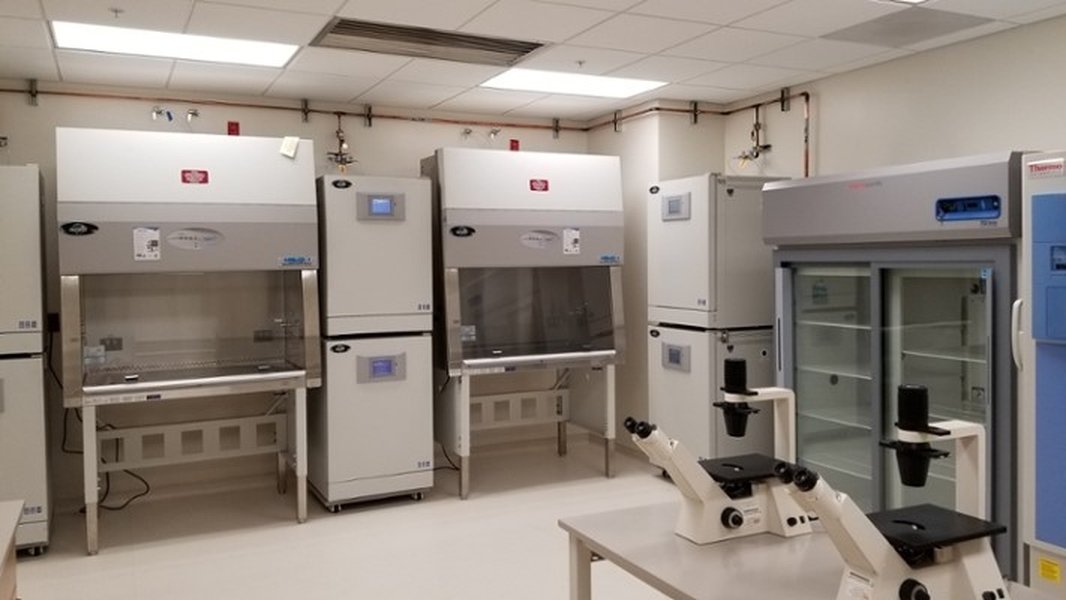
A typical laboratory setup for sterile cell culture work.
Cultivating Cells In Vitro
Types of Cell Cultures
Different types of cell cultures are used depending on the source and experimental goals:
- Primary Culture: Cells isolated directly from tissues. They closely mimic the in vivo state but typically have a finite lifespan and limited proliferation capacity.
- Cell Lines (Continuous Cultures): Derived from primary cultures, these cells have undergone genetic changes (spontaneous or induced immortalization) allowing them to divide indefinitely. While convenient, they may differ significantly from their tissue of origin.
- Plant Cell Cultures:
- Callus Culture: Growing undifferentiated masses of plant cells on solid media.
- Suspension Culture: Growing cells or small aggregates dispersed in liquid media.
- Protoplast Culture: Culturing plant cells whose cell walls have been enzymatically removed, useful for transformation and fusion.
- Tissue/Organ Culture: Culturing specific plant tissues (explants) or organs.
- Animal Cell Cultures:
- Adherent (Monolayer) Cultures: Cells that require attachment to a surface to grow.
- Suspension Cultures: Cells adapted to grow floating in the culture medium.
- Stem Cell Culture: Specialized techniques for maintaining pluripotent or multipotent stem cells (e.g., embryonic or induced pluripotent stem cells) and directing their differentiation.
Essential Procedures and Conditions
Successful cell culture relies on maintaining specific conditions:
- Culture Medium: A nutrient-rich liquid solution providing essential amino acids, vitamins, inorganic salts, glucose, and growth factors tailored to the specific cell type. Often supplemented with serum.
- Aseptic Technique: Strict sterile procedures using laminar flow hoods, sterilized equipment, and antibiotics (sometimes) to prevent microbial contamination.
- Controlled Environment: Maintaining optimal temperature (e.g., 37°C for mammalian cells), humidity, and CO2 levels (typically 5%) in an incubator.
- Passaging (Subculturing): Regularly transferring a portion of cells to fresh medium and culture vessels to maintain optimal density and prevent nutrient depletion or waste accumulation.
- Cryopreservation: Freezing cells in liquid nitrogen using cryoprotective agents (like DMSO or glycerol) for long-term storage and preservation of cell stocks.
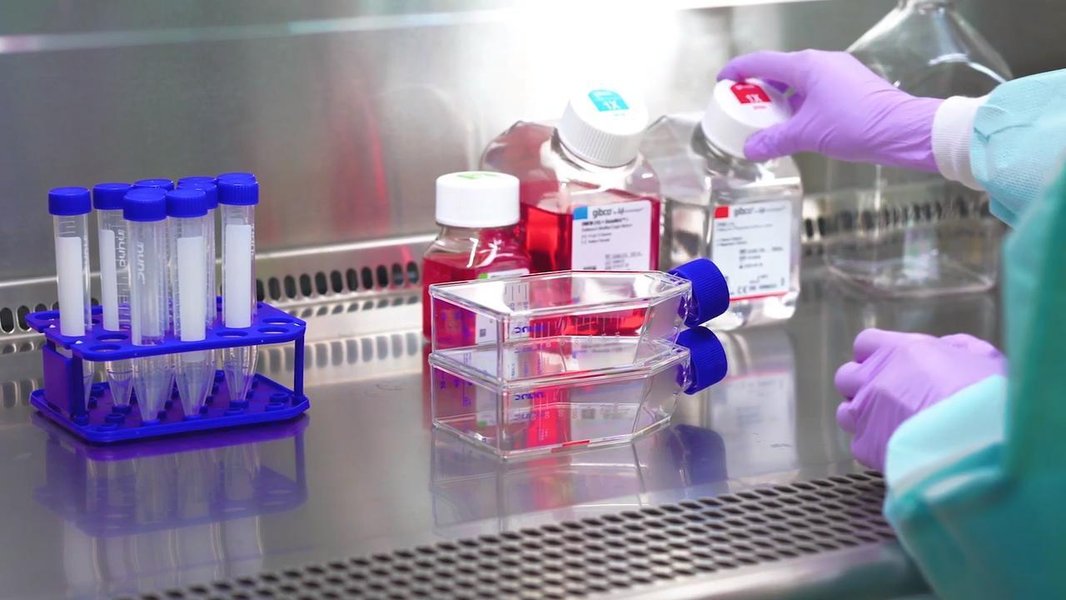
Microscopic view of cells growing in a culture dish.
Applications in Genetic Engineering
Cell culture is indispensable for:
- Genetic Transformation/Transfection: Introducing foreign DNA into cells for creating transgenic cell lines or as an intermediate step in generating transgenic organisms.
- Screening and Selection: Identifying and isolating cells that have successfully incorporated a transgene, often using selectable markers.
- Cloning and Propagation: Expanding populations of specific cells, including genetically modified ones.
- Regeneration: In plants, regenerating whole organisms from genetically modified cells or tissues. In animals, used for techniques like SCNT and ES cell manipulation.
- Production of Recombinant Proteins: Large-scale culture of engineered cells (e.g., CHO cells) to produce therapeutic proteins or vaccines.
- Toxicity Testing and Drug Screening: Using cell-based assays as an alternative to animal testing.
Navigating the Genome: Molecular Markers and Editing
Complementing transgenesis and cell culture are powerful tools for analyzing and modifying genomes: molecular markers provide insights into genetic variation, while genome editing allows for precise alterations.
Molecular Markers: Genetic Signposts
Defining and Identifying Markers
Molecular markers are specific DNA sequences (or sometimes proteins/isozymes) whose location in the genome is known, acting as landmarks. Variations (polymorphisms) in these markers between individuals or populations can be linked to specific genes or traits of interest. They are fundamental tools in genetics, breeding, and diagnostics.
Key Types of Markers
Various types of molecular markers have been developed, differing in their principles, resolution, and applications:
- Restriction Fragment Length Polymorphism (RFLP): Based on variations in DNA fragment lengths generated by restriction enzyme digestion. Detected via Southern blotting. One of the earliest DNA markers, but relatively laborious.
- Random Amplified Polymorphic DNA (RAPD): Uses short, arbitrary primers in PCR to amplify random DNA segments. Simple and quick but can suffer from reproducibility issues.
- Amplified Fragment Length Polymorphism (AFLP): A PCR-based technique involving restriction digestion followed by ligation of adapters and selective amplification. Generates many polymorphic fragments across the genome, highly reproducible.
- Simple Sequence Repeats (SSR) or Microsatellites: Tandem repeats of short DNA motifs (2-6 bp). Highly polymorphic due to variations in repeat number, detected by PCR using primers flanking the repeat region. Widely used in mapping and diversity studies.
- Single Nucleotide Polymorphism (SNP): Variations at a single base pair position in the DNA sequence. The most abundant type of marker in most genomes. Can be detected by various methods, including sequencing and array-based technologies. Ideal for high-throughput genotyping and genome-wide association studies (GWAS).
Applications in Modern Biology
- Genetic Mapping: Constructing linkage maps to determine the relative positions of genes and markers on chromosomes.
- Marker-Assisted Selection (MAS): Using markers linked to desirable traits (e.g., disease resistance, yield) to select superior individuals in breeding programs, accelerating genetic gain compared to phenotypic selection alone. Includes foreground selection (for the trait) and background selection (to recover the recurrent parent genome).
- Quantitative Trait Loci (QTL) Mapping: Identifying genomic regions associated with complex, continuously varying traits (like height or yield).
- Population Genetics and Evolutionary Studies: Assessing genetic diversity, population structure, and phylogenetic relationships.
- Forensic Analysis and Paternity Testing: Utilizing highly polymorphic markers (like SSRs) for individual identification.
- Disease Diagnosis: Identifying markers associated with genetic disorders or disease susceptibility.
- Confirmation of Transgenic Events: Verifying the presence, integration site (sometimes), and inheritance of transgenes.
- Genomic Selection (GS): A more advanced form of MAS that uses genome-wide marker data to predict the breeding value of individuals, particularly effective for complex traits.
Genome Editing: Precision Genetic Engineering
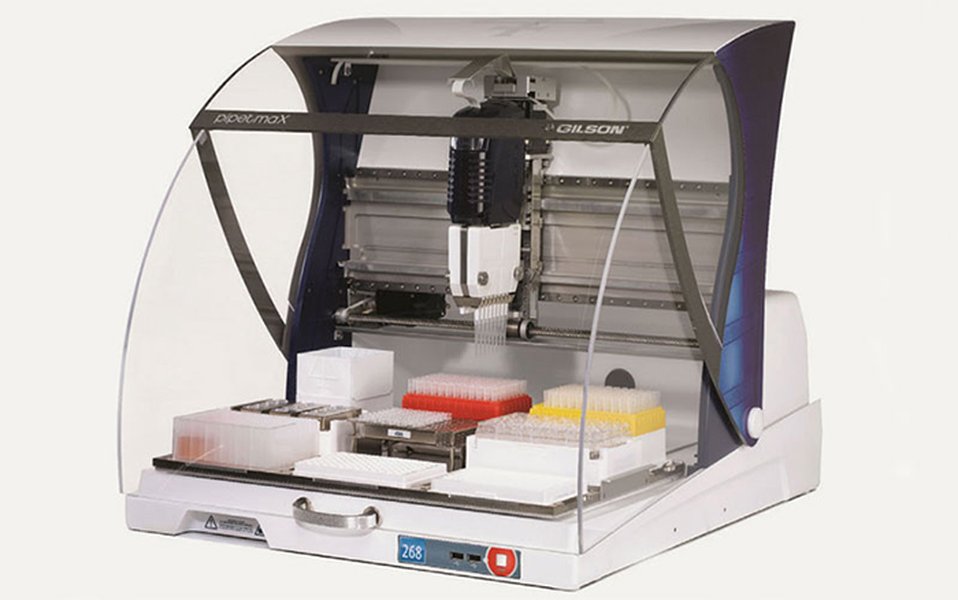
Conceptual representation of the CRISPR-Cas9 system targeting DNA.
The Revolution of Targeted Modification
Genome editing technologies enable scientists to make precise, targeted changes (addition, deletion, or alteration) to the DNA sequence at specific locations within the genome of living cells or organisms. This represents a significant leap forward from traditional transgenesis, which often involves random gene insertion.
Key technologies include:
- Zinc Finger Nucleases (ZFNs): Engineered proteins combining DNA-binding zinc finger domains with a DNA-cleaving nuclease (FokI). Require designing protein pairs for each target site.
- Transcription Activator-Like Effector Nucleases (TALENs): Similar concept to ZFNs, but use TAL effector DNA-binding domains, which are generally easier to engineer for specific DNA sequences. Also use FokI nuclease dimers.
- Clustered Regularly Interspaced Short Palindromic Repeats (CRISPR)-Cas Systems: Primarily CRISPR-Cas9, derived from a bacterial adaptive immune system. This system uses a guide RNA (gRNA) molecule to direct the Cas9 nuclease to a complementary target DNA sequence. The relative simplicity of designing gRNAs has made CRISPR the most widely adopted genome editing tool. Other Cas enzymes (like Cas12, Cas13) offer different functionalities.
Mechanism of Action (CRISPR-Cas9)
- Target Recognition: A synthetic guide RNA (gRNA), consisting of a scaffold region and a ~20 nucleotide spacer region, is designed to be complementary to the target DNA sequence.
- Complex Formation: The gRNA binds to the Cas9 nuclease enzyme.
- DNA Binding and Cleavage: The gRNA-Cas9 complex scans the genome, binds to the target DNA sequence (protospacer) adjacent to a specific short motif called the Protospacer Adjacent Motif (PAM), and Cas9 induces a double-strand break (DSB) in the DNA.
- DNA Repair Pathways: The cell's natural DNA repair mechanisms are activated to fix the DSB:
- Non-Homologous End Joining (NHEJ): An error-prone pathway that often introduces small insertions or deletions (indels) at the break site. This frequently leads to frameshift mutations, effectively knocking out the targeted gene.
- Homology-Directed Repair (HDR): A more precise pathway that uses a homologous DNA template (either the sister chromatid or an exogenously supplied template) to repair the break. If a donor DNA template containing a desired sequence change (e.g., a corrected gene sequence or a new gene) is provided, HDR can be used to achieve specific gene correction or knock-in.
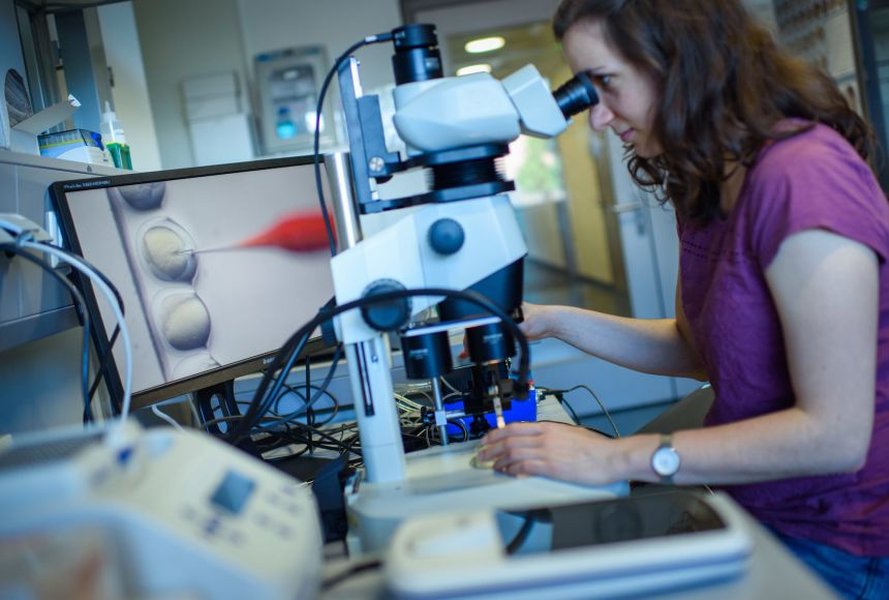
Laboratory research involving CRISPR gene editing technology.
Transformative Applications
- Functional Genomics: Creating knockout or knock-in cell lines and animal models rapidly to study gene function.
- Crop Improvement: Precisely modifying genes in plants to enhance traits like yield, nutritional value, disease resistance, or stress tolerance, potentially faster and with fewer regulatory hurdles (in some jurisdictions) than traditional GMOs if no foreign DNA is integrated.
- Gene Therapy: Developing treatments for genetic diseases by correcting causative mutations directly in patient cells (either ex vivo or in vivo).
- Drug Discovery: Creating cellular models with specific mutations to screen for therapeutic compounds.
- Diagnostics: Developing novel diagnostic tools based on CRISPR's ability to recognize specific DNA or RNA sequences.
Advantages and Considerations
Genome editing, particularly CRISPR, offers high precision, efficiency, relative ease of use, and the ability to target multiple genes simultaneously (multiplexing). However, concerns remain regarding potential off-target mutations (unintended changes at other genomic locations) and mosaicism (incomplete editing in all cells). Ongoing research focuses on improving specificity (e.g., high-fidelity Cas9 variants, improved gRNA design) and delivery methods. Ethical discussions surrounding germline editing (heritable changes) are also paramount.
Visualizing Genetic Engineering Concepts
Comparative Overview: Techniques and Applications (Radar Chart)
This radar chart provides a comparative visualization of the five key areas discussed, based on several important factors relevant to their use in biotechnology and genetic engineering. The scores are illustrative, representing general trends rather than precise quantitative data.
Interconnectedness of Genetic Engineering Fields (Mindmap)
This mindmap illustrates how the discussed topics are interconnected and contribute to the broader field of biotechnology and genetic engineering. Cell culture provides the platform, molecular markers guide selection and analysis, transgenesis introduces new genes, and genome editing allows for precise modifications, all contributing to advancements in research, medicine, and agriculture.
Molecular Biology"] id1["Transgenic Animals"] id1a["Methods
(Microinjection, SCNT, ES Cells)"] id1b["Applications
(Research Models, Bioreactors, Agriculture)"] id1c["Ethical Considerations"] id2["Transgenic Plants"] id2a["Methods
(Agrobacterium, Biolistics)"] id2b["Applications
(Crop Improvement, Biopharming)"] id2c["Environmental & Safety Concerns"] id3["Cell Culture Techniques"] id3a["Types
(Primary, Continuous, Plant/Animal)"] id3b["Applications
(Manipulation Platform, Propagation, Screening)"] id3c["Foundation for Transgenesis & Editing"] id4["Molecular Markers"] id4a["Types
(RFLP, SSR, SNP, AFLP)"] id4b["Applications
(MAS, Mapping, Diagnostics, Forensics)"] id4c["Guiding Selection & Analysis"] id5["Genome Editing"] id5a["Technologies
(ZFNs, TALENs, CRISPR-Cas9)"] id5b["Mechanism
(Targeted DSB, NHEJ/HDR)"] id5c["Applications
(Gene Therapy, Precision Agriculture, Research)"] id5d["Precision & Off-Target Effects"]
Deep Dive: Transgenic Animal Technology (Video)
This video provides an explanation of transgenic animals, covering their definition, how they are genetically modified using techniques like microinjection, and their significant applications in biotechnology and medicine. Understanding these concepts is crucial for appreciating the power and complexity of manipulating animal genomes for specific purposes, ranging from disease modeling to producing therapeutic compounds. The video touches upon aspects like gene insertion and the creation of organisms with novel traits derived from other species, reinforcing the principles discussed earlier.
Key Molecular Marker Types and Applications (Table)
Molecular markers are indispensable tools in genetic analysis and breeding. This table summarizes some of the major types, highlighting their principles, advantages, disadvantages, and primary applications in molecular biology and genetic engineering.
| Marker Type | Principle | Advantages | Disadvantages | Primary Applications |
|---|---|---|---|---|
| RFLP (Restriction Fragment Length Polymorphism) | Variation in DNA fragment lengths after restriction enzyme digestion, detected by Southern blotting. | Co-dominant, reliable, high reproducibility. | Requires large amounts of DNA, laborious, slow, requires probes. | Genetic mapping, paternity testing, phylogenetic analysis (largely superseded). |
| RAPD (Random Amplified Polymorphic DNA) | PCR amplification using single, short, arbitrary primers. Polymorphisms arise from sequence differences in primer binding sites. | Simple, quick, requires small amounts of DNA, no prior sequence knowledge needed. | Dominant marker, low reproducibility, sensitivity to reaction conditions. | Initial diversity studies, species identification (used cautiously). |
| AFLP (Amplified Fragment Length Polymorphism) | Restriction digestion followed by ligation of adapters and selective PCR amplification. Detects many loci simultaneously. | High multiplex ratio, highly reproducible, robust. | Technically complex, relatively expensive, mostly dominant markers. | DNA fingerprinting, genetic mapping, diversity studies. |
| SSR (Simple Sequence Repeats / Microsatellites) | PCR amplification using primers flanking tandem repeats of short DNA motifs (2-6 bp). Polymorphism based on repeat number variation. | Co-dominant, highly polymorphic, reproducible, locus-specific. | Requires prior sequence information for primer design, potential for stutter bands. | Genetic mapping, MAS, population genetics, forensics, paternity testing. |
| SNP (Single Nucleotide Polymorphism) | Variation at a single nucleotide position in the genome. Detected by sequencing or various genotyping platforms (arrays, specific assays). | Most abundant marker type, co-dominant, amenable to high-throughput automation. | Lower polymorphism per locus compared to SSRs, requires sophisticated detection methods/equipment. | GWAS, fine mapping, genomic selection, diagnostics, population genetics. |
Frequently Asked Questions (FAQ)
What is the main difference between traditional transgenesis and genome editing?
Traditional transgenesis typically involves the insertion of a foreign gene (transgene) into the host genome, often at random or semi-random locations. While effective for adding new functions, it lacks precision regarding the integration site, which can lead to variable expression levels or disruption of endogenous genes.
Genome editing (like CRISPR-Cas9) allows for precise, targeted modifications at specific locations in the organism's own genome. This can include introducing small insertions/deletions (indels) to knockout genes, correcting existing mutations, or inserting genes (including transgenes) at defined "safe harbor" loci with much greater accuracy than traditional methods.
Why is cell culture essential for creating transgenic organisms?
Cell culture provides a controlled environment to perform the genetic modifications necessary for transgenesis. For transgenic animals, techniques like modifying embryonic stem cells or somatic cells for SCNT occur in culture before generating the animal. For transgenic plants, transformation often targets individual cells or small tissue pieces, which are then cultured to select for successful transformants and subsequently regenerated into whole plants using specific growth media and hormones.
It allows for efficient delivery of DNA, selection of successfully modified cells (e.g., using antibiotic resistance markers), and expansion of these cells before progressing to the whole organism level.
How are molecular markers used in conjunction with transgenic technology?
Molecular markers play several roles:
- Confirmation of Integration: PCR-based markers can confirm the presence of the transgene in potentially transformed cells or organisms.
- Copy Number Estimation: Techniques like quantitative PCR (qPCR) using markers can help estimate how many copies of the transgene have integrated into the genome.
- Zygosity Determination: Markers can distinguish between individuals that are heterozygous (one copy) or homozygous (two copies) for the transgene.
- Tracking Inheritance: In breeding programs involving transgenic lines (especially plants), markers linked to the transgene are used for Marker-Assisted Selection (MAS) to efficiently track the transgene's inheritance through generations without needing complex phenotypic or biochemical assays.
- Positional Analysis: More advanced marker techniques can sometimes help identify the transgene's integration site within the host genome.
What are the major ethical concerns surrounding genome editing?
Genome editing, particularly CRISPR, has raised significant ethical discussions:
- Safety: Concerns about off-target mutations (unintended edits elsewhere in the genome) and mosaicism (incomplete editing) leading to unforeseen health consequences.
- Germline Editing: Making heritable changes to eggs, sperm, or embryos raises profound questions about altering the human gene pool, potential long-term effects across generations, and the distinction between therapy and enhancement. Most countries currently prohibit or heavily restrict human germline editing for reproductive purposes.
- Somatic Editing: While generally considered less ethically contentious than germline editing as changes are not inherited, issues of equitable access to therapies, long-term safety, and informed consent remain important.
- Enhancement vs. Therapy: Debates about using genome editing not just to cure diseases but to enhance 'normal' human traits (e.g., intelligence, physical abilities), potentially exacerbating social inequalities.
- Environmental Impact: The potential ecological consequences of releasing genome-edited organisms (e.g., via gene drives) into the environment require careful consideration and risk assessment.
Recommended Further Exploration
- How do CRISPR, ZFNs, and TALENs compare in terms of efficiency and precision for genome editing?
- What is the current global regulatory landscape for agricultural crops developed using genome editing techniques?
- What are the recent advancements and remaining challenges in using genetically modified pigs for xenotransplantation?
- How does genomic selection differ from traditional marker-assisted selection, and what are its advantages in modern breeding programs?
References
Last updated April 29, 2025