
Unveiling Life's Code & Machinery: A Primer on Genomics and Proteomics
Explore the distinct yet complementary worlds of genes and proteins, and their revolutionary impact on science and medicine.
Genomics and proteomics are two cornerstone fields in modern molecular biology, each offering a unique window into the intricate workings of life. While genomics delves into the complete genetic blueprint of an organism, proteomics focuses on the dynamic array of proteins that execute cellular functions. Understanding both is crucial for advancing our knowledge of health, disease, and the very essence of biological systems.
Essential Insights: Genomics vs. Proteomics
- Genomics deciphers the complete genetic blueprint (DNA) of an organism, offering insights into heredity, genetic predispositions, and evolutionary relationships. It studies the structure, function, mapping, and evolution of all genes.
- Proteomics investigates the entire set of proteins (the proteome), the functional workhorses of cells, revealing real-time biological activity, cellular states, and responses to stimuli. It examines protein structures, functions, modifications, and interactions.
- Together, these fields provide a comprehensive understanding of life, from static potential to dynamic function, driving innovations in personalized medicine, disease diagnosis, drug discovery, and biotechnology.
Decoding the Blueprint: An Introduction to Genomics
Genomics is the comprehensive study of an organism's entire set of DNA, collectively known as the genome. This includes all of its genes, the non-coding sequences, and their intricate interactions. Think of the genome as the master instruction manual for building and operating an organism.

A modern laboratory environment dedicated to DNA sequencing, a core technique in genomics.
Core Focus and Scope
Genomics aims to understand:
- The sequence of nucleotides (A, T, C, G) that make up DNA.
- The structure and organization of genes and chromosomes.
- The function of individual genes and how they are regulated.
- Gene-gene interactions, such as epistasis (where one gene influences the expression of another) and pleiotropy (where one gene affects multiple traits).
- Genetic variation within and between species, and its implications for traits and disease susceptibility.
- The evolution of genomes over time.
Key Techniques in Genomics
Advancements in genomics have been propelled by several key technologies:
DNA Sequencing
High-throughput sequencing (also known as Next-Generation Sequencing or NGS) allows for the rapid and cost-effective determination of the precise order of nucleotides within a DNA molecule. This has enabled the sequencing of entire genomes of numerous species, including humans (e.g., the Human Genome Project).
Bioinformatics
The vast amounts of data generated by sequencing require sophisticated computational tools. Bioinformatics combines computer science, statistics, and biology to store, analyze, and interpret genomic data. This includes aligning sequences, identifying genes, predicting protein functions from DNA sequences, and comparing genomes.
Genome Editing
Technologies like CRISPR-Cas9 allow scientists to make precise changes to an organism's DNA. This is invaluable for studying gene function, creating disease models, and developing potential gene therapies.
Applications of Genomics
Genomics has far-reaching applications across various sectors:
- Medicine: Diagnosing genetic disorders, identifying predispositions to complex diseases (like cancer, heart disease, and diabetes), personalizing medical treatments based on an individual's genetic makeup (pharmacogenomics), and developing gene therapies.
- Agriculture: Improving crop yields, enhancing nutritional value, and increasing resistance to pests and diseases through genetic modification and selective breeding based on genomic information.
- Evolutionary Biology: Understanding the evolutionary relationships between species and tracing human migration patterns.
- Forensics: Identifying individuals from DNA samples.
Unveiling the Machinery: An Introduction to Proteomics
Proteomics is the large-scale study of the proteome—the entire set of proteins produced or modified by an organism, system, or biological context. While genes provide the instructions, proteins are the molecules that actually perform the vast majority of cellular functions, acting as enzymes, structural components, signaling molecules, and more.
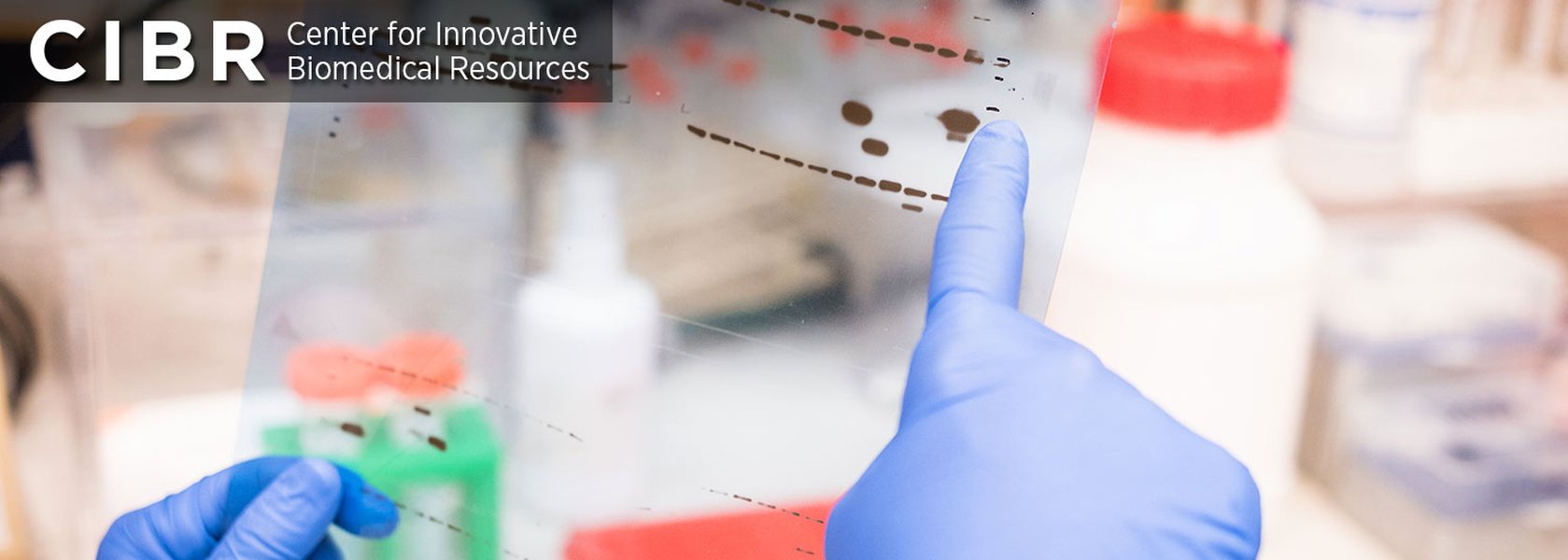
Researchers engaged in protein analysis, a central activity in proteomics research.
Core Focus and Scope
Proteomics is inherently more complex and dynamic than genomics because:
- A single gene can give rise to multiple protein variants through processes like alternative splicing and post-translational modifications (PTMs). PTMs, such as phosphorylation, glycosylation, or ubiquitination, can dramatically alter a protein's function, localization, or stability.
- Protein expression levels can vary significantly depending on cell type, developmental stage, and environmental conditions (e.g., stress, disease).
- Proteins rarely act alone; they interact with other proteins and molecules to form complex networks and pathways.
Therefore, proteomics investigates protein abundance, modifications, localization, interactions, and functions to understand cellular processes in real-time.
Key Techniques in Proteomics
Studying the proteome requires a diverse toolkit:
Mass Spectrometry (MS)
This is the cornerstone technology in proteomics. MS measures the mass-to-charge ratio of ionized molecules, allowing for the identification and quantification of thousands of proteins in a complex biological sample. Common approaches include "bottom-up" (shotgun) proteomics, where proteins are first digested into peptides before MS analysis, and "top-down" proteomics, which analyzes intact proteins.
Two-Dimensional Gel Electrophoresis (2-DE)
Though an older technique, 2-DE is still used to separate complex mixtures of proteins based on their isoelectric point (charge) and molecular weight. It provides a visual map of protein expression.
Protein Microarrays
These arrays contain thousands of different antibodies or other capture agents immobilized on a solid surface, allowing for the simultaneous detection and quantification of many proteins in a sample.
Bioinformatics
Similar to genomics, proteomics generates vast datasets that require specialized bioinformatics tools for data processing, protein identification (often by matching MS data to genomic databases), quantification, and pathway analysis.
Applications of Proteomics
Proteomics offers powerful insights with significant applications:
- Biomarker Discovery: Identifying proteins whose levels or modifications change in association with specific diseases (e.g., cancer, cardiovascular disease, neurodegenerative disorders). These biomarkers can be used for early diagnosis, prognosis, and monitoring treatment response.
- Drug Discovery and Development: Identifying new drug targets (proteins involved in disease processes), understanding drug mechanisms of action, and assessing drug efficacy and toxicity.
- Understanding Disease Mechanisms: Elucidating how alterations in protein expression, function, or interaction contribute to disease pathogenesis.
- Personalized Medicine: Guiding treatment decisions based on a patient's proteomic profile.
- Systems Biology: Integrating proteomic data with other "omics" data (genomics, transcriptomics, metabolomics) to build comprehensive models of biological systems.
Genomics and Proteomics: A Complementary Duo
Genomics and proteomics are not competing fields but rather highly complementary approaches that provide a more complete picture of biology. Genomics tells us what could happen (the genetic potential), while proteomics reveals what is happening (the functional reality at the protein level).
Visualizing the Comparison: Genomics vs. Proteomics Attributes
The radar chart below offers a visual comparison of key attributes distinguishing genomics and proteomics. The scores (on a scale where higher generally means 'more' or 'greater complexity/dynamism' in that attribute) are illustrative, representing general tendencies rather than precise quantitative measures. For "Stability," a lower score indicates higher stability (less dynamic).
This chart illustrates that while genomics might offer greater long-term predictive power due to the relative stability of the genome, proteomics excels in capturing the dynamic, real-time functional state of a cell and deals with a higher degree of molecular complexity due to post-translational modifications and diverse protein isoforms.
Key Distinctions Summarized
The following table highlights the main differences between genomics and proteomics:
| Feature | Genomics | Proteomics |
|---|---|---|
| Object of Study | Genome (entire set of DNA/genes) | Proteome (entire set of proteins) |
| Primary Molecule | DNA (Deoxyribonucleic acid) | Proteins (chains of amino acids) |
| Information Provided | Genetic blueprint, potential functions, hereditary information | Actual functional molecules, cellular activities, real-time status |
| Stability | Relatively stable and constant across most cells in an organism | Highly dynamic; changes with time, cellular conditions, and environment |
| Complexity | ~20,000-25,000 genes in humans | Potentially millions of protein variants (due to splicing, PTMs) from the same number of genes |
| Key Technologies | DNA sequencing (e.g., NGS), microarrays, PCR, bioinformatics, gene editing (CRISPR) | Mass spectrometry (MS), 2D-gel electrophoresis, protein microarrays, Western blotting, bioinformatics |
| Primary Output | Gene sequences, genetic maps, information on gene expression at the transcript level (indirectly via transcriptomics) | Protein identification, quantification, PTMs, protein interactions, functional pathways |
| Focus | Understanding genetic code and its potential | Understanding gene expression at the protein level and cellular function |
Visualizing the Interconnections: Genomics and Proteomics Mindmap
The mindmap below illustrates the core concepts of genomics and proteomics, highlighting their distinct focuses, key techniques, major applications, and, crucially, their interconnected and complementary nature in advancing biological understanding and medical innovation. It shows how information from the genome (studied by genomics) is translated and modified to form the proteome (studied by proteomics), and how both fields contribute to areas like personalized medicine and disease research.
Decoding Life"] idG["Genomics
(The Blueprint)"] idGDef["Definition:
Study of the entire genome (DNA)"] idGTech["Techniques:
- DNA Sequencing (NGS)
- Bioinformatics
- Gene Editing (CRISPR)
- Microarrays"] idGApp["Applications:
- Genetic Disease Diagnosis
- Personalized Medicine (Pharmacogenomics)
- Evolutionary Studies
- Agriculture Improvement"] idGFocus["Focus:
- Gene Structure & Function
- Genetic Variation
- Heredity"] idP["Proteomics
(The Machinery)"] idPDef["Definition:
Study of the entire proteome (proteins)"] idPTech["Techniques:
- Mass Spectrometry (MS)
- 2D Gel Electrophoresis
- Protein Microarrays
- Bioinformatics"] idPApp["Applications:
- Biomarker Discovery
- Drug Target Identification
- Disease Mechanism Elucidation
- Personalized Medicine (Treatment Response)"] idPFocus["Focus:
- Protein Expression & Modification (PTMs)
- Protein Interactions & Networks
- Cellular Functions"] idR["Interrelationship
(Complementary Fields)"] idR1["Genomics provides the potential information (genes)"] idR2["Proteomics reveals the actual functional output (proteins)"] idR3["Genome -> Transcriptome -> Proteome (Central Dogma extension)"] idR4["Proteomic findings often validated by or provide context for genomic data, and vice-versa"] idImp["Overall Impact"] idImp1["Comprehensive understanding of biological systems"] idImp2["Advancements in disease diagnosis and treatment"] idImp3["Development of new biotechnologies"] idImp4["Foundation for Systems Biology"]
This mindmap emphasizes that while genomics lays the groundwork by identifying genes and potential functions, proteomics provides critical insights into the actual expression and activity of proteins, which are directly responsible for cellular phenotypes. The interplay between these fields is essential for a holistic view of biological processes.
Genomics and Proteomics in Action: A Video Overview
To further illustrate the concepts of genomics and proteomics, and how they interrelate, the following video provides a concise explanation. It discusses what these fields entail and why they are fundamental to understanding biology and medicine.
This video by Dr. Whitney Holden offers a clear overview of both genomics and proteomics, explaining their core principles and how the advent of technologies like widespread DNA sequencing and mass spectrometry has enabled these fields to flourish. It touches upon how genomics provides the "parts list" (genes) and proteomics helps us understand how these parts (proteins) actually function and interact within the cell, painting a more dynamic picture of life. The complementarity is highlighted, emphasizing that understanding the genome is often the first step before delving into the more complex and variable proteome.
Frequently Asked Questions (FAQ)
What is the main difference between genomics and proteomics in simple terms?
Think of it like this: Genomics studies the cookbook (the DNA or genome) that contains all the recipes (genes) an organism has. Proteomics studies the actual dishes (proteins) being made from those recipes at a particular time and how they are working. The cookbook is mostly fixed, but the dishes made can change a lot depending on the occasion (cellular conditions).
Why is proteomics considered more complex than genomics?
Proteomics is more complex for several reasons:
- Dynamic Range: Protein abundance in a cell can vary by orders of magnitude, making it hard to detect low-abundance proteins.
- Post-Translational Modifications (PTMs): After a protein is made from a gene, it can be chemically modified (e.g., phosphorylation, glycosylation). These PTMs greatly increase protein diversity and functional complexity. A single gene can lead to many different protein forms.
- Protein Interactions: Proteins often function in complexes, and their interactions are dynamic and context-specific.
- Sample Stability: Proteins are generally less stable than DNA and can degrade quickly during sample preparation.
How do genomics and proteomics contribute to cancer research?
Both fields are vital in cancer research:
- Genomics: Identifies gene mutations and alterations (e.g., oncogenes, tumor suppressor genes) that drive cancer development and progression. It helps in classifying tumors, predicting treatment response based on genetic markers, and identifying inherited cancer risks.
- Proteomics: Discovers protein biomarkers for early cancer detection, diagnosis, and prognosis. It helps understand how cancer cells signal and grow, identifies protein targets for new cancer drugs, and monitors how patients respond to therapies by analyzing changes in their proteome.
Combining genomic and proteomic data (proteogenomics) provides a deeper understanding of cancer biology and can lead to more effective, personalized cancer treatments.
Can information from genomics directly predict all proteins an organism will make?
Not entirely. While genomics identifies the genes that code for proteins, it cannot fully predict the final proteome. This is because:
- Alternative Splicing: A single gene can produce multiple mRNA transcripts, leading to different protein isoforms.
- Post-Translational Modifications (PTMs): Proteins undergo chemical modifications after translation, which are not directly encoded in the DNA sequence but significantly affect protein function, stability, and localization.
- Protein Degradation and Regulation: The amount of a protein present is also controlled by its rate of synthesis and degradation, which can vary based on cellular needs and signals.
Proteomics is essential to directly observe and quantify these protein-level complexities.
Recommended Further Exploration
To delve deeper into the fascinating worlds of genomics and proteomics, consider exploring these related topics:
- What are the latest advancements in high-throughput DNA sequencing technologies?
- How is mass spectrometry used for quantitative proteomics and biomarker discovery?
- Explore the role of bioinformatics in analyzing large-scale genomic and proteomic datasets.
- What is proteogenomics and how does it integrate genomic and proteomic data for cancer research?
References
Last updated May 15, 2025