
Global Trade Policies in 2025
Navigating Geopolitical Tensions, Tariffs, and Evolving Supply Chains
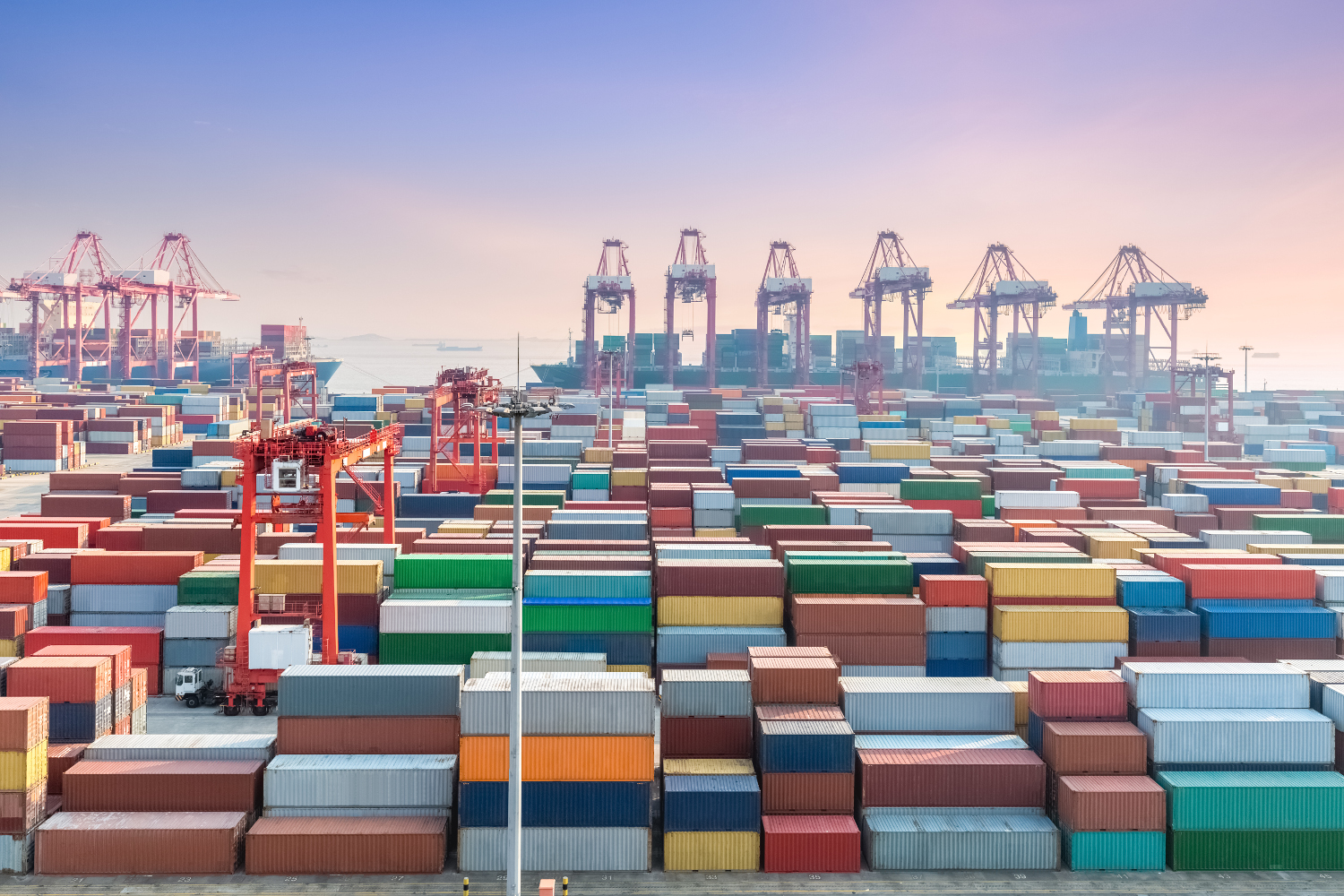
Key Highlights
- Geopolitical Influences: Trade decisions are increasingly shaped by global political dynamics and alliances.
- Tariff Wars & Protectionism: Persistent tariff conflicts and protectionist measures require agile strategies and international cooperation.
- Supply Chain Resilience: Businesses are innovating to build more robust, diversified, and transparent supply chains in response to global disruptions.
Introduction to Global Trade Policies and Their Impact
The landscape of global trade policies in 2025 is evolving rapidly due to a combination of shifting geopolitical dynamics, economic uncertainties, and technological innovations. Countries worldwide are navigating complex challenges – from rising protectionist measures and mounting tariff disputes to the urgent need for resilient supply chains and sustainable trade practices. This comprehensive overview examines the primary facets of contemporary global trade policies, the driving forces behind them, and the implications for businesses and governments alike.
Geopolitical Factors Influencing Trade Policies
Political Alliances and Trade Fragmentation
In recent years, global trade policy has become increasingly intertwined with geopolitical strategy. Nations are now more inclined to leverage trade as a tool for political influence rather than purely focusing on economic gain. This shift has led to the formation of strategic alliances and trade blocs, where countries work closely to protect mutual interests. Such arrangements can provide stability and encourage collaboration, but they also risk contributing to trade fragmentation, where global markets gradually split into isolated economic zones.
Trade Bloc Dynamics
Trading blocs and regional alliances often emerge in response to shared geopolitical or economic challenges. While these alliances can streamline negotiations and reduce trade barriers among member states, they may also complicate broader multilateral negotiations. The division of the world into competing geopolitical factions may lead to increased complexity in global trade, potentially reducing the overall efficiency of international commerce.
Balancing National Interests and Global Cooperation
Governments are frequently challenged to balance national interests – such as protecting domestic industries and fostering innovation – with the need for international cooperation. The World Trade Organization (WTO) continues to serve as the backbone for setting global trade rules, promoting non-discrimination, and encouraging liberalization. However, recent trends illustrate that political considerations can sometimes outweigh the traditional economic benefits derived from free trade.
The OECD’s role in monitoring economic growth and providing timely forecasts also underscores the delicate balance between national strategic interests and the imperatives of a globally integrated economy. For instance, when geopolitical tensions escalate, economic growth forecasts often need to be revised downwards, reflecting increased uncertainty and the risk of protective trade policies.
Tariff Wars and Protectionist Measures
The Rise of Tariff Conflicts
One of the most visible manifestations of evolving trade policies has been the escalation of tariff wars. In recent years, major economies such as the United States and China have engaged in recurrent disputes over tariffs on key products including steel, aluminum, and advanced technology components. These disputes are often driven by the need to protect domestic industries and to counteract what is perceived as unfair trade practices.
Economic Implications
The imposition of tariffs has far-reaching effects. While tariffs can protect nascent or struggling industries in the short term, they also tend to raise costs for consumers and may initiate retaliatory measures. Increased tariffs can disrupt global supply chains, making production more expensive and less predictable. In this environment, businesses are compelled to automate tax compliance processes, reevaluate export strategies, and invest in technologies to mitigate the risk of audit penalties.
Protectionism vs. Trade Liberalization
Although protectionist policies have gained prominence, there is also a strong argument in favor of trade liberalization. Advocates of open trade assert that reducing tariffs and non-tariff barriers fosters competition, drives innovation, and offers consumers access to a broader range of products at lower costs. Furthermore, the economic interdependencies created through liberalization can serve as a stabilizing force that discourages political conflicts, thereby promoting long-term economic growth.
In this climate, countries continuously negotiate bilateral and multilateral trade agreements, aiming to strike a balance between protecting domestic interests and benefiting from global markets. For example, recent agreements have focused on decreasing barriers in sectors like technology, intellectual property, and sustainable goods, reflecting a trend towards aligning economic policies with broader social and environmental priorities.
Supply Chain Resilience and Technological Advancements
The Impact of Global Disruptions
The COVID-19 pandemic significantly exposed vulnerabilities within global supply chains, sparking an urgency to redesign and fortify these networks. Disruptions, whether due to health crises, geopolitical tensions, or natural disasters, have underscored the importance of adaptable and resilient supply systems. The demand for resilience has led businesses to implement risk management strategies that include diversifying suppliers, incorporating advanced forecasting methods, and embracing automation.
Technological Innovations in Supply Chains
Modern supply chains are increasingly adopting digital tools and technologies. For instance, real-time tracking, blockchain verification, and advanced analytics are pivotal in creating efficient, transparent, and resilient networks. These innovations not only enhance operational efficiency but also empower companies to respond swiftly to changes in global trade policies and unexpected disruptions.
Environmental Sustainability and Trade
Sustainability has also emerged as a central theme in global trade policies. Modern trade agreements and consumer expectations are pushing companies to reduce their carbon footprints and implement eco-friendly practices throughout their supply chains. As sustainability measures become integrated into trade policies, businesses are increasingly required to adapt their processes to comply with stricter environmental standards. This evolution supports a dual objective: low-impact supply chains and long-term economic efficiency.
Governments and international organizations are promoting sustainable trade practices not only by incentivizing green technologies but also by establishing regulatory frameworks designed to reduce environmental impacts. These regulations benefit industries ranging from manufacturing to logistics, thereby fostering innovation and overall sustainability.
Organizations and Initiatives Guiding Global Trade
Key International Organizations
Multiple international organizations play pivotal roles in shaping and guiding global trade policies. The World Trade Organization (WTO), for instance, stands as the primary international body for formulating trade rules that promote transparency and fairness in commerce. Through its framework, member countries commit to principles like non-discrimination and Most-Favoured-Nation (MFN) treatment, which help minimize the likelihood of arbitrary trade barriers.
Roles of Specialized Organizations
Beyond the WTO, several organizations contribute to the development and monitoring of international trade policies:
- UN Trade and Development (UNCTAD): Offers data, analysis, and capacity-building assistance, supporting nations in achieving sustainable trade and development.
- International Trade Administration (ITA): Focuses on enhancing the competitiveness of domestic industries and ensuring compliance with global trade laws.
- Organisation for Economic Co-operation and Development (OECD): Monitors economic trends and issues forecasts which reflect the impact of protectionist measures and global uncertainties.
Throughout these initiatives, there is an emphasis on cooperation and shared responsibility, recognizing that robust and fair trade mechanisms are fundamental to maintaining global economic stability.
A Comprehensive Table of Key Global Trade Policy Components
| Aspect | Key Elements | Impact |
|---|---|---|
| Geopolitical Tensions | Political alliances, fragmentation, strategic trade decisions | Creates trade blocs, may cause global division or cautious cooperation |
| Tariff Wars | Imposition of tariffs, retaliatory measures, protectionist policies | Raises production costs, disrupts supply chains, affects consumer prices |
| Supply Chain Resilience | Diversification, digital tracking, automation and risk management | Ensures continuous production, mitigates disruptions, increases efficiency |
| Sustainability Measures | Environmental standards, green technologies, sustainable practices | Promotes eco-friendly operations and long-term viability in trade |
| International Organizations | WTO, UNCTAD, ITA, OECD | Formulates trade rules, monitors trends, supports economic growth |
Integration of Technology and Digital Trade
Digital Transformation in Global Trade
The digital era has ushered in transformative changes to the way trade is conducted. Businesses increasingly rely on technological innovations to simplify cross-border transactions and streamline regulatory compliance. Digital trade mechanisms not only enhance data security but also reduce the friction associated with traditional trade methods.
As e-commerce continues to grow, governments have revised and adapted trade policies addressing digital transactions, cybersecurity concerns, and the seamless flow of data across borders. This digital shift is creating a parallel avenue within traditional trade sectors, redefining the economic landscape and presenting new opportunities for global businesses.
Cybersecurity and Regulatory Standards
With the rise of digital trade, cybersecurity has become a critical regulatory concern. Nations are investing in more robust cyber defenses and integrating security requirements into trade agreements, in order to protect sensitive data and maintain the integrity of digital transactions. As digital trade norms evolve, standardized frameworks are also being developed to ensure fair practices while mitigating risks associated with cross-border data flows.
Economic Forecasts and the Role of International Agencies
Revised Economic Outlooks amid Trade Uncertainty
Global economic forecasts have been significantly influenced by evolving trade policies. The OECD and other international bodies have frequently revised growth projections downward in response to emerging trade barriers and protectionist measures. Challenges such as reduced investment, weakened consumer confidence, and disrupted supply chains all contribute to the cautious outlook.
Balancing Short-term Disruptions with Long-term Growth
Although short-term economic impacts are evident – often characterized by slowed growth and increased uncertainty – there remains a consensus that long-term prospects can be improved through effective international cooperation and well-crafted trade agreements. Policymakers are encouraged to pursue balanced approaches which combine protective measures with the benefits of a liberalized trade environment, ultimately fostering a more resilient global economy.
In this context, economic agencies advocate for recalibrated policies that address immediate disruptions while laying the groundwork for sustained growth. This includes investments in infrastructure, technology, and human capital that are designed to restore and enhance global trade efficiency.
Additional Insights into Evolving Trade Agreements
Modern Trade Agreements: New Shapes and Priorities
Trade agreements in 2025 are no longer limited to traditional sectors. Modern agreements now encompass a wide range of areas, from intellectual property rights and digital trade to environmental regulations and labor standards. These agreements reflect a global acknowledgment that trade policy must not only expedite commerce but also address broader social issues and sustainability challenges.
Multi-dimensional Frameworks
The inclusion of digital trade and environmental sustainability in trade agreements represents a multi-dimensional approach to global commerce. Countries are recognizing that economic growth and environmental stewardship can, and should, go hand in hand. This holistic approach is intended to ensure that the benefits of globalization are more evenly distributed while mitigating adverse impacts on vulnerable populations and the environment.
Given the dynamic interplay between geopolitical risks, technological innovation, and economic reform, global trade policies in 2025 are set to continue evolving. Policymakers, business leaders, and international agencies alike are highly attuned to these shifts, working collaboratively to create a landscape that is both secure and conducive to robust economic growth.
References
- Global trade in 2025: Resilience under pressure - UN Trade and Development
- Global Trade Outlook 2025: Industry Insights - International Chamber of Commerce
- Global trade in 2025: Readying your company's supply chain in a time of tariff wars - Thomson Reuters
- OECD lowers its global growth projections citing trade barriers and uncertainty - Le Monde
- Geopolitics and the geometry of global trade: 2025 update - McKinsey
Related Queries for Further Exploration
Last updated March 17, 2025