
Globalization and Cultural Communications in Africa
Exploring Western Media Influence on Indigenous African Values and Identity
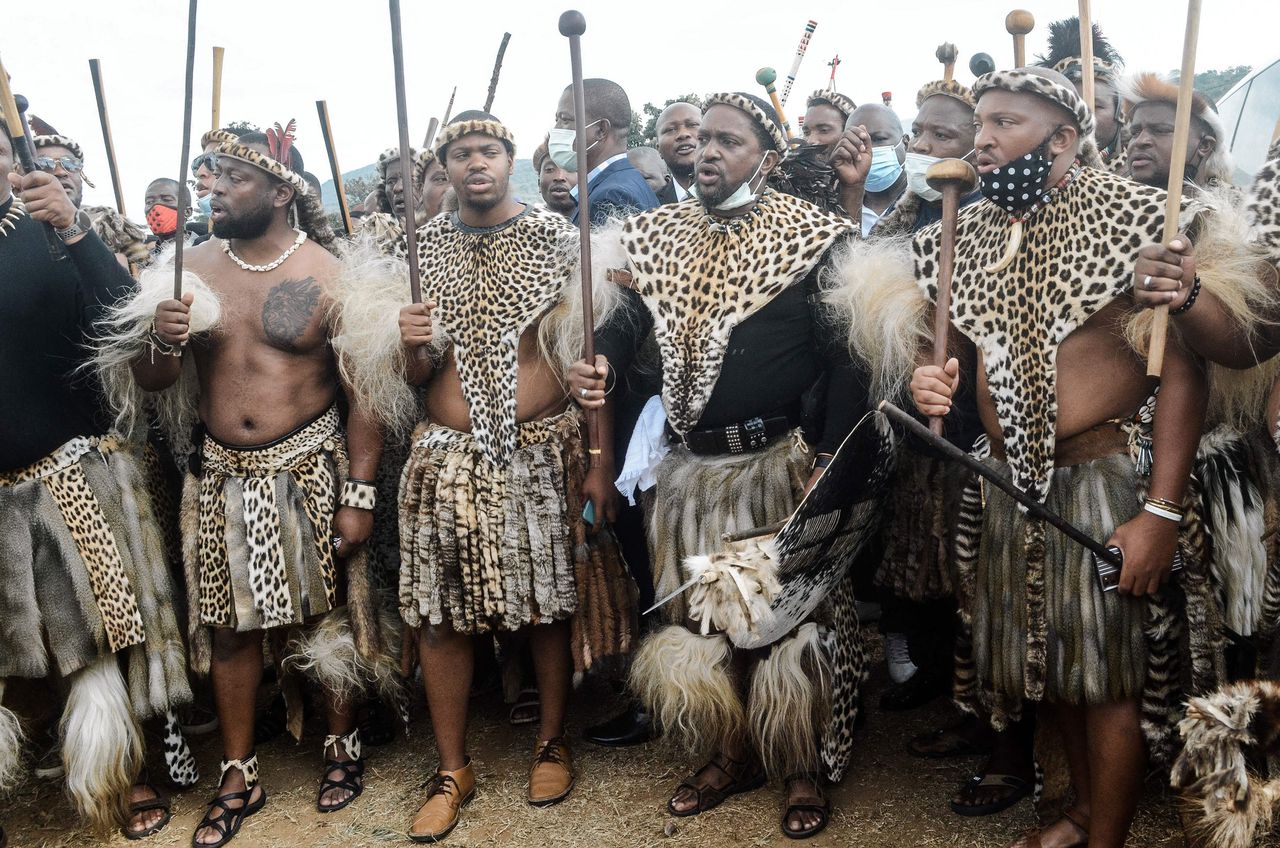
Key Insights
- Impact of Western Media: Western media significantly shapes and sometimes distorts indigenous African cultural expressions.
- Cultural Homogenization: Globalization facilitates the spread of Western values, which can lead to the dilution of local traditions and languages.
- Emerging Strategies: Amid these challenges, there is a growing drive for cultural revival and the promotion of local media narratives.
Introduction
Globalization, as a phenomenon encompassing economic, political, and cultural dimensions, has reshaped interactions across continents. In Africa, one of the most palpable cultural changes has been driven by the influx of Western media. This project material examines how globalization has altered traditional cultural communications in Africa by evaluating the profound influence of Western media on indigenous values and identity. While globalization fosters interconnectivity and exchange, it often does so at the expense of local cultural uniqueness. This material delves into both the positive dimensions of increased cultural awareness and the detrimental aspects of homogenization, language erosion, and identity crises.
Historical and Theoretical Context
The Process of Globalization
Globalization is defined by the integration of economies, ideas, and cultures, an increasingly digital phenomenon that shrinks distances and promotes cross-cultural exchanges. Historically, trade routes, colonialism, and later technological advancements set the stage for what is now a highly interconnected world. In this context, Western media—encompassing television, film, music, and later digital platforms—has become a dominant channel through which cultural content is disseminated globally.
Cultural Exchange versus Cultural Imperialism
The benefits of cross-cultural exchanges are palpable with the dissemination of ideas and innovations. However, when one cultural stream, particularly from the West, becomes overwhelmingly dominant, the phenomenon can become a form of cultural imperialism. This dynamic is characterized by the subordination of indigenous cultures, where local traditions, languages, and practices are sidelined in favor of Western norms. Traditional African societies, diverse in their cultural and linguistic expressions, have faced significant pressures as Western ideologies gain prominence.
Impact on Indigenous African Cultural Communications
Cultural Homogenization and Identity Erosion
One of the central challenges posed by globalization is cultural homogenization—a process where dominant cultural forms reduce the distinctiveness of local traditions. In Africa, the pervasive influence of Western media results in:
- Adoption of Western Lifestyles: Television shows, films, and digital content often glorify aspects of Western individualism, consumerism, and modernity, leading many young Africans to adopt these lifestyles even if they conflict with traditional communal practices.
- Marginalization of Traditional Norms: With a constant influx of Western cultural symbols and narratives, traditional social norms and moral values can become diluted. African cultural practices that have been passed down through generations may give way to modern narratives that often emphasize speed, profit, and personal success.
- Language Erosion: The dominance of Western languages in educational systems and media has contributed to the decline and even extinction of many indigenous languages. UNESCO reports highlight that indigenous languages are rapidly disappearing, leading to a loss of cultural heritage and a reduction in the transmission of traditional knowledge.
- Representation and Stereotyping: Western media frequently portrays Africa through a reductionist lens—emphasizing poverty, conflict, and instability. Such portrayals often reinforce negative stereotypes and create an identity crisis, where indigenous Africans may internalize these depictions.
Digital Media and the Accelerated Pace of Change
The advent of digital media has accelerated the transformation of cultural communications. Social media platforms, online streaming services, and other digital channels have not only broadened access to Western cultural products but have also reshaped consumption patterns among African audiences. The immediacy and ubiquity of digital content mean that the effects of globalization are experienced more intensively than ever before.
Emerging Patterns of Hybridization
Although digital media channels propagate Western values, their widespread use also creates opportunities for cultural hybridization, where indigenous values are blended with external influences. This results in the emergence of new cultural expressions that reflect both global trends and local heritage. However, the risk remains that hybridization may lean excessively toward Western norms, leading to an erosion of authentic cultural identity.
Mechanisms of Influence
The Role of Western Media Content
Western media operates through multiple channels—traditional broadcasting, news outlets, movies, and now digital platforms—to influence and shape perceptions. Key mechanisms include:
- Visual Dominance: High-budget productions and sophisticated media campaigns result in visually appealing content that often overshadows locally produced media. The high production quality and appealing aesthetics of Western media tend to attract audiences away from traditional storytelling forms.
- Narrative Framing: Western narratives tend to emphasize individual success, material wealth, and modern lifestyle choices. When these narratives are repeatedly encountered, they shape viewers' aspirations and perceptions of success, sometimes at the expense of traditional collective values centered on community and kinship.
- Global Distribution Networks: The extensive global distribution networks ensure that Western media content is readily available and often dominates programming slots and social media feeds. This widespread availability amplifies the influence over local cultural narratives.
Interplay between Western Media and Local Cultures
The interaction between Western media and local cultural expressions is complex. On one hand, the influx of Western cultural products has been criticized for leading to cultural imperialism; on the other, many local producers and creators have begun to integrate global influences within their work, creating innovative forms of cultural expression. This contest between external imposition and local adaptation has led to:
- Resistance Movements: Recognizing the threat to their cultural heritage, some communities and media practitioners are championing the production of content that reflects indigenous languages, values, and traditions. These initiatives intend to reclaim the narrative and reinforce cultural uniqueness.
- Collaborative Platforms: New media initiatives aim to leverage digital platforms for promoting local stories. These collaborative projects often feature partnerships between local content creators and digital experts, emphasizing authenticity and cultural pride.
- Community-Based Archives: Efforts to build digital archives for preserving traditional practices and oral histories are underway. These archives serve as counterweights to the homogenizing tendencies of Western media by preserving the diversity of indigenous cultures for future generations.
Analytical Table: Impact Dimensions and Responses
| Impact Dimension | Description | Examples and Responses |
|---|---|---|
| Cultural Homogenization | Dominance of Western values, undermining traditional norms. | Adoption of Western lifestyles; local media initiatives to reinforce cultural uniqueness. |
| Language Erosion | Decline of indigenous languages due to the prevalence of English and other Western languages. | UNESCO reports; implementation of educational programs in native languages. |
| Identity Crisis | Conflict between traditional identity and global media narratives. | Negative stereotyping by Western media; grassroots cultural revival projects. |
| Digital Media Influence | Rapid spread of global content through digital platforms. | Social media hybridization; increased local digital content production. |
| Resistance and Revival | Efforts to reclaim and revitalize indigenous cultural identity. | Community-based archives; strategic promotion of local languages and arts. |
Influence on Indigenous Values and National Identity
Cultural Identity and Self-Perception
The influence of Western media extends beyond mere entertainment; it actively shapes the self-perception of indigenous communities. Frequent portrayals of Africa in a negative or oversimplified manner have contributed to a fragile cultural identity among many indigenous peoples. This identity crisis is characterized by:
- Internalized Stereotypes: Many Africans begin to internalize the often reductive images presented by Western media, leading to a diminished sense of cultural pride. The portrayal of Africa as a land steeped in conflict and poverty can contradict the rich, diverse cultural heritage that exists across the continent.
- Generational Gaps: Younger generations are more exposed to global media, sometimes causing a disconnect from traditional practices and communal values that have historically defined local identities.
These dynamics contribute to a broader social challenge where indigenous values are contested by external narratives. While some individuals and communities assimilate these global narratives, others actively resist, trying to assert the importance of their ancestral heritage.
Balancing Global Influences with Local Traditions
An essential aspect of this discussion involves finding a balance between the inevitable influences of globalization and the preservation of indigenous cultural expressions. African media organizations, cultural institutions, and governments are increasingly stepping up with initiatives that include:
- Local Media Empowerment: Investing in local media channels to produce content that reflects the community’s values, stories, and traditions. This counters the dominant narrative by providing an alternative that is rooted in local experience.
- Educational Programs: Sponsoring programs that teach indigenous languages and cultural practices to the younger generation, thereby ensuring the continuity of native traditions.
- Policy Initiatives: Developing inclusive media policies that not only regulate content but also incentivize the production of culturally authentic material. These initiatives aim to integrate traditional values within the modern global framework rather than replace them.
Challenges and Recommendations
Problems Stemming from Globalized Media
Despite the opportunities presented by global connectivity, several challenges persist:
- Cultural Appropriation: The practice of borrowing or misusing cultural elements without proper acknowledgment can lead to cultural exploitation and a further marginalization of indigenous narratives.
- Media Monopolization: The dominance of major Western media conglomerates often results in a lack of diversity in content, leaving little room for alternative voices and localized storytelling.
- Economic Pressures: With limited resources, local media may struggle to compete for audiences against high-production Western content, exacerbating the shift towards a homogenized cultural landscape.
Actionable Recommendations
Addressing these challenges requires a multi-faceted approach that involves numerous stakeholders:
- Strengthening Local Media: Frameworks should be established to support local film, music, and news production. Not only does this enrich the cultural tapestry, but it also serves as a bulwark against complete cultural erosion.
- Encouraging Digital Archival Projects: The creation of community-based digital archives can ensure that indigenous cultural practices, historical narratives, and languages are preserved and remain accessible for future generations.
- Fostering Cross-Cultural Partnerships: Initiatives that encourage collaboration between Western media producers and African cultural experts can lead to more balanced representations. Such partnerships may include joint projects that celebrate Africa’s cultural richness while placing it within the context of global narratives.
- Educational Outreach: Campaigns aimed at raising cultural awareness among both domestic and international audiences are crucial. These should focus on debunking harmful stereotypes and promoting a more nuanced understanding of African cultures and values.
Case Studies and Practical Examples
Local Initiatives in Media and Education
Numerous case studies highlight the resilience and innovative strategies employed by African communities to preserve their cultural heritage in the face of globalization:
- Community Radio Stations: In several African countries, community radio stations have played a pivotal role in educating the public about local traditions and languages, offering an alternative narrative to that of global mass media.
- Digital Storytelling Platforms: Projects that encourage local storytelling via social media and digital platforms have gained traction, enabling local voices to reach a broader audience and challenge dominant Western narratives.
- Cultural Festivals: Annual cultural festivals, showcasing indigenous music, dance, handicrafts, and art, not only reinforce local traditions but also serve as a form of soft diplomacy that counters negative stereotypes in global discourse.
Implementation Strategies by Governments
Several governments have recognized the challenges posed by globalization and have initiated policies aimed at bolstering indigenous media and cultural education:
- Educational Reform: Incorporating indigenous history, languages, and cultural studies into nationwide curricula to ensure that younger generations are well-informed about their heritage.
- Funding Local Arts: Providing grants and support for local arts and cultural projects, thus ensuring that indigenous creativity can flourish even in a globalized media landscape.
- Regulatory Frameworks: Developing policies and regulations that promote fair representation in media, ensuring that local content has a place alongside global Western productions.
Synthesis and Broader Implications for the Future
Balancing Global Exposure and Cultural Integrity
Globalization has undoubtedly opened up Africa to a worldwide audience, facilitating cultural exchange and economic opportunities. However, the influence of Western media, if left unchecked, can lead to a one-sided cultural narrative that undermines the continent’s rich heritage. Achieving a balance is essential:
- Preservation and Innovation: African societies are at a crossroads where they must preserve what is unique about their identity while also integrating selective global influences that foster innovation.
- Empowered Narratives: With increased local media production, the ability for African voices to tell their stories within their own contexts is growing. This empowerment is key to counteracting the dominance of external narratives.
- Global Collaboration: Although the dominance of Western media poses challenges, international collaborations that prioritize cultural sensitivity and mutual respect can pave the way for more balanced media landscapes in the future.
This synthesis reveals that while globalization presents several challenges in preserving indigenous cultural communications, it also provides the tools and opportunities necessary for African communities to assert and revitalize their own identities. The future of African media and culture lies in harnessing digital tools, strengthening local content, and fostering partnerships that recognize and value the continent’s rich heritage.
References
- Impact of Globalization on Traditional African Cultures - ResearchGate
- Globalization and its Impact on Cultural Identity - IISTE
- Globalisation and African Cultural Heritage - Journals
- Effects of Globalization on African Culture - Oikoumene
- Globalization and Cultural Identity Analysis - Medium
Recommended Related Queries
Last updated March 5, 2025