
Glucomannan vs. Psyllium Husk: Which Fiber Reigns Supreme for Curbing Your Appetite?
Unpacking the science behind two popular soluble fibers and their impact on fullness and weight management.
When exploring natural ways to manage appetite and support weight management goals, soluble fibers like glucomannan and psyllium husk often come up. Both have gained popularity for their ability to promote feelings of fullness, but they originate from different sources and possess distinct properties. Understanding their similarities and differences is key to choosing the right one for your individual needs.
Key Insights at a Glance
- Shared Mechanism: Both glucomannan and psyllium husk are soluble fibers that absorb water in the digestive tract, forming a gel-like substance. This process increases stomach volume, slows digestion, and enhances feelings of fullness (satiety), naturally reducing appetite.
- Viscosity Matters: Glucomannan is renowned for its exceptionally high viscosity and water-absorbing capacity (up to 50 times its weight), potentially leading to a more pronounced and immediate feeling of fullness compared to psyllium husk.
- Beyond Appetite: While both aid appetite control, psyllium husk is particularly well-regarded for promoting digestive regularity and overall gut health, whereas glucomannan also shows promise in helping regulate blood sugar and cholesterol levels.
Understanding the Contenders: Glucomannan and Psyllium Husk
Before diving into the comparison, let's get acquainted with each fiber.
What is Glucomannan?
Glucomannan is a natural, water-soluble dietary fiber extracted from the roots of the elephant yam, also known as the konjac plant (Amorphophallus konjac). It has a long history of use in traditional Japanese cuisine (as shirataki noodles or konjac jelly) and medicine. Its claim to fame in the context of appetite control lies in its extraordinary ability to absorb water and form a highly viscous gel, one of the thickest known among dietary fibers.
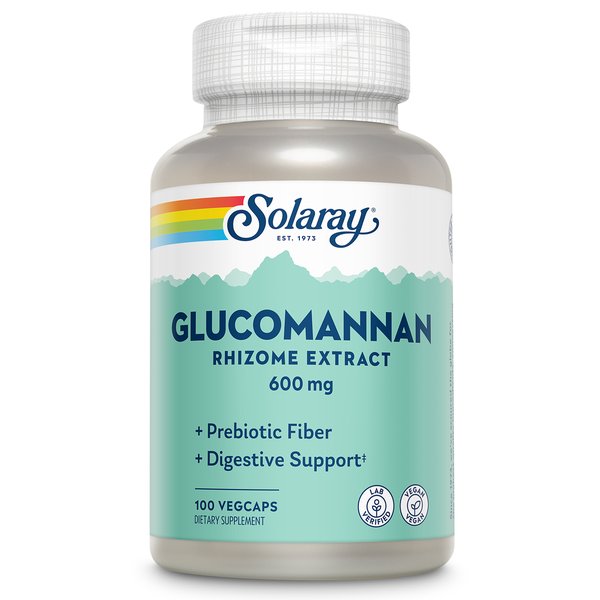
Glucomannan supplements are often available in capsule form.
What is Psyllium Husk?
Psyllium husk comes from the outer coating (husk) of the seeds of the Plantago ovata plant, an herb grown mainly in India. It's also a rich source of soluble fiber, though it typically contains a mix of soluble and insoluble fiber. Like glucomannan, psyllium forms a gel when mixed with water, contributing to its effects on digestion and satiety. It's the primary ingredient in many commercial fiber supplements, such as Metamucil, and is widely recognized for its laxative properties and benefits for heart health.
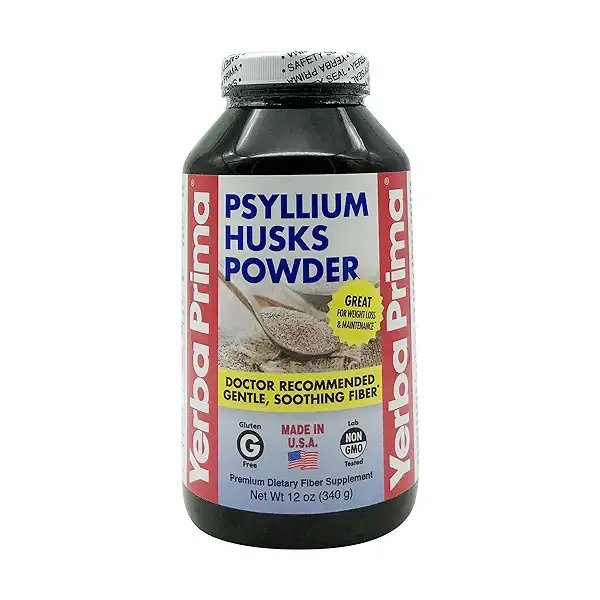
Psyllium husk is commonly sold as a powder.
How Do They Control Appetite? Unraveling the Mechanisms
Both glucomannan and psyllium husk leverage the power of soluble fiber to influence appetite, primarily through these actions:
- Gel Formation and Gastric Expansion: When ingested with sufficient water, these fibers absorb liquid in the stomach and intestines, swelling significantly to form a viscous, gel-like mass. This physical bulk takes up space in the stomach, contributing directly to a feeling of fullness.
- Delayed Gastric Emptying: The thick gel slows down the rate at which food leaves the stomach and enters the small intestine. This prolongs the feeling of satiety after a meal, delaying the return of hunger pangs.
- Slowed Nutrient Absorption: The gel matrix can also slow the absorption of nutrients, including carbohydrates and fats. This helps moderate blood sugar levels, preventing sharp spikes and subsequent crashes that can trigger hunger and cravings.
- Gut Hormone Signaling: Fiber fermentation in the colon by gut bacteria produces short-chain fatty acids (SCFAs), which can influence the release of appetite-regulating hormones like GLP-1 and PYY, further signaling satiety to the brain.
The Viscosity Difference: Glucomannan's Edge?
While both fibers form gels, glucomannan stands out for its exceptionally high viscosity. It creates a much thicker, more stable gel compared to psyllium husk at equivalent concentrations. This superior gel-forming capacity means glucomannan can expand more significantly in the stomach, potentially leading to a stronger and more immediate sensation of fullness for some individuals. This difference in viscosity is often cited as the reason why glucomannan might be particularly potent for short-term appetite suppression.
Effectiveness Showdown: Glucomannan vs. Psyllium for Appetite & Weight
Research suggests both fibers can be valuable tools for appetite management and potentially aid weight loss efforts, although findings can vary.
Glucomannan's Performance
Several studies support glucomannan's role in appetite control and weight management. Systematic reviews and clinical trials have indicated that supplementation with glucomannan, typically taken before meals, can lead to modest reductions in body weight, BMI, and potentially body fat, likely mediated by increased satiety and reduced calorie intake. Its effectiveness seems most pronounced when used alongside a calorie-controlled diet and lifestyle changes. The high viscosity is considered key to its appetite-suppressing effects.
Psyllium Husk's Performance
Psyllium husk also has evidence backing its ability to enhance satiety and reduce hunger between meals. Taking psyllium before or with meals has been shown to decrease subsequent food intake. While some reviews specifically looking at psyllium's effect on weight metrics alone have yielded mixed results (not always showing significant weight loss), its role in promoting fullness is well-established. Furthermore, psyllium offers significant benefits for digestive regularity and managing cholesterol and blood sugar, which contribute to overall metabolic health often linked to weight management.
The Combined Approach
Interestingly, some research suggests that combining different types of fibers, including glucomannan and psyllium, might offer synergistic benefits for weight loss and metabolic health. This approach could leverage the unique properties of each fiber for a more comprehensive effect.
Visualizing the Differences: Fiber Properties Compared
This chart provides a comparative overview of glucomannan and psyllium husk across several key attributes relevant to appetite control and overall health. Scores are relative estimates based on available evidence, where higher values indicate greater potency or effect in that specific area.
As the chart illustrates, glucomannan scores higher on viscosity and potentially immediate appetite suppression, while psyllium husk excels in digestive regularity and general tolerability, also showing strong cholesterol-lowering effects.
Mindmap Overview: Key Fiber Characteristics
This mindmap summarizes the core attributes of glucomannan and psyllium husk in the context of appetite control.
Konjac Root"] id1b["Key Property:
Extremely High Viscosity"] id1c["Mechanism:
Forms Thick Gel,
Strong Gastric Expansion"] id1d["Primary Benefit:
Potent Satiety,
Blood Sugar/Lipid Aid"] id1e["Considerations:
Requires Ample Water (Choking Risk),
Neutral Taste"] id2["Psyllium Husk"] id2a["Source:
Plantago Ovata Seeds"] id2b["Key Property:
Moderate Viscosity"] id2c["Mechanism:
Forms Gel,
Adds Bulk"] id2d["Primary Benefit:
Satiety & Excellent Digestive Aid,
Cholesterol Lowering"] id2e["Considerations:
Requires Water,
Generally Well-Tolerated,
Can be Coarser"]
Beyond Appetite: Additional Health Benefits
While appetite control is the focus, both fibers offer other health advantages:
- Glucomannan: Besides potential weight management support, studies suggest glucomannan can help improve blood sugar control, lower LDL ("bad") cholesterol and triglycerides, and potentially relieve constipation due to its bulking effect. It also acts as a prebiotic, feeding beneficial gut bacteria.
- Psyllium Husk: Psyllium is highly effective as a bulk-forming laxative, promoting regular bowel movements and relieving both constipation and diarrhea. It's well-documented for its ability to lower LDL cholesterol, contributing to heart health. It can also aid in blood sugar management, particularly after meals. Research also suggests it may have protective effects against certain inflammatory bowel conditions.
Practical Considerations: Dosage, Usage, and Side Effects
Choosing and using these fibers effectively involves practical aspects.
Dosage and Administration
- Glucomannan: Typical dosages for appetite control range from 1 to 4 grams per day, usually divided into 500mg to 1g doses taken 15-60 minutes before main meals.
- Psyllium Husk: Dosages vary, but common recommendations for appetite control (like Metamucil's) are around 5-7 grams (e.g., 2 rounded teaspoons) taken with meals, up to three times daily. For general fiber intake, dosages can range from 5 to 13 grams daily.
- Crucial Point: ALWAYS take either fiber with a large glass (at least 8 oz or 240 ml) of water. For glucomannan, due to its high expansion rate, sufficient water intake is critical to prevent it from swelling prematurely and causing choking or esophageal/intestinal blockage. Taking it just before meals allows it time to start gelling in the stomach.
Potential Side Effects
Both fibers are generally considered safe when used appropriately, but side effects can occur, especially when starting or if taken without enough fluid:
- Common: Bloating, gas, mild abdominal discomfort, or changes in bowel habits. These often lessen as your body adjusts.
- Glucomannan Specific: Risk of choking or blockage if taken without sufficient water or by individuals with swallowing difficulties.
- Psyllium Specific: Can sometimes cause more initial gas or bloating for some individuals compared to glucomannan.
- Interactions: Both fibers can potentially affect the absorption of medications. It's advisable to take medications at least 1 hour before or 2-4 hours after taking fiber supplements. Consult a healthcare provider if you have underlying health conditions or are taking medications, especially for diabetes.
Taste, Texture, and Availability
- Glucomannan: Often sold in capsules or as a powder. The powder is relatively tasteless and odorless with a smooth texture when mixed properly, making it versatile for adding to liquids or foods (though it thickens rapidly).
- Psyllium Husk: Available as whole husks, powder, or capsules. The powder can have a slightly gritty or coarse texture and a mild, somewhat earthy taste, which is why flavored versions are popular.
Featured Video: The Power of Fiber
This video discusses the potent effects of glucomannan, highlighting its role as a soluble fiber in promoting weight loss and controlling appetite. Understanding how specific fibers like glucomannan work can provide valuable context when comparing options.
Video discussing the fat-fighting properties of glucomannan fiber.
Comparative Summary Table
This table summarizes the key differences and similarities between glucomannan and psyllium husk:
| Feature | Glucomannan | Psyllium Husk |
|---|---|---|
| Source | Konjac Plant Root | Plantago ovata Seed Husks |
| Primary Fiber Type | Soluble | Mostly Soluble (also contains insoluble) |
| Key Property | Extremely High Viscosity & Water Absorption | Moderate Viscosity & Water Absorption |
| Appetite Control Mechanism | Forms thick gel, significant stomach expansion, slows digestion | Forms gel, adds bulk, slows digestion |
| Reported Appetite Suppression | Potentially Stronger/More Immediate | Effective, Consistent |
| Weight Management Evidence | Supported in several studies (often with diet) | Supports satiety; direct weight loss evidence mixed |
| Primary Additional Benefit | Blood Sugar & Cholesterol Regulation | Digestive Regularity & Cholesterol Lowering |
| Typical Dosage (Appetite) | 1-4g/day (divided doses before meals) | 5-7g/serving (with meals, up to 3x/day) |
| Texture/Taste | Neutral/Smooth (powder) | Earthy/Coarser (powder) |
| Key Side Effect Concern | Choking/Blockage risk without enough water | Gas/Bloating (often mild/transient) |
Frequently Asked Questions (FAQ)
Which one is definitively 'better' for appetite control?
There isn't a single "better" option for everyone. Glucomannan's higher viscosity might offer a stronger feeling of fullness for some, potentially making it more potent for immediate appetite suppression before meals. However, psyllium husk is also effective at promoting satiety and offers significant digestive benefits. The best choice depends on individual response, tolerance, and overall health goals. Some people might find glucomannan more effective, while others prefer psyllium for its gentler nature or broader benefits.
Can I take both glucomannan and psyllium husk together?
Some studies have looked at fiber blends, and combining different types of fiber is generally possible. It could potentially offer broader benefits. However, introducing multiple high-fiber supplements simultaneously might increase the risk of digestive side effects like gas and bloating. It's best to start with one, assess tolerance, and consult a healthcare professional before combining them or significantly increasing your total fiber intake.
What are the main risks or side effects to watch out for?
The most common side effects for both are gastrointestinal: bloating, gas, and potential changes in bowel movements. These are often temporary. The most significant risk, particularly with glucomannan due to its high expansion rate, is choking or intestinal blockage if taken without sufficient water. Always follow dosage instructions and drink plenty of fluids. Psyllium is generally well-tolerated but can also cause discomfort without adequate hydration.
When is the best time to take these fibers for appetite control?
For appetite control, both are typically recommended to be taken shortly before or with main meals (e.g., 15-60 minutes before eating for glucomannan, or with the meal for psyllium). This allows the fiber time to absorb water and expand in the stomach, promoting fullness and potentially reducing the amount of food consumed during the meal and delaying hunger afterwards.
Recommended Further Exploration
- What are the long-term effects of using glucomannan for weight loss?
- How does psyllium husk compare to other laxatives for constipation?
- Are there any interactions between fiber supplements and common medications?
- What are the best natural ways to increase satiety and reduce hunger?
References
 amazon.com
Last updated May 5, 2025