
Unlocking Global Pantries: How Genetically Modified Organisms Are Reshaping Food Security
Exploring the pivotal role of GMOs in boosting crop yields, enhancing nutrition, and tackling the complex challenges of feeding a growing world.
Key Insights: GMOs and the Quest for Food Security
- Enhanced Productivity and Nutrition: Genetically modified organisms (GMOs) significantly contribute to food security by increasing crop yields through traits like pest resistance and herbicide tolerance, and by enhancing the nutritional value of staple foods, such as in the case of Golden Rice.
- Resilience in a Changing World: GMOs are engineered to withstand adverse environmental conditions like drought, diseases, and extreme temperatures, offering a crucial tool for adapting agriculture to the impacts of climate change and ensuring more stable food supplies.
- A Tool, Not a Silver Bullet: While GMOs offer powerful solutions, they are part of a larger equation. Achieving global food security requires a holistic approach that also addresses socio-economic factors, equitable food distribution, sustainable farming practices, and robust infrastructure.
Understanding the Link: GMOs and Food Security Defined
What is Food Security?
Food security, as defined by the United Nations’ Food and Agriculture Organization (FAO), exists when all people, at all times, have physical, social, and economic access to sufficient, safe, and nutritious food that meets their dietary needs and food preferences for an active and healthy life. This comprehensive concept rests on four pillars: availability, access, utilization, and stability.
What are Genetically Modified Organisms (GMOs)?
Genetically Modified Organisms (GMOs) are plants, animals, or microorganisms whose genetic material (DNA) has been altered in a way that does not occur naturally by mating and/or natural recombination. This technology, often referred to as genetic engineering or biotechnology, allows for the introduction of specific, desirable traits into an organism. These traits can range from enhanced growth and nutritional content to resistance against pests and environmental stressors.
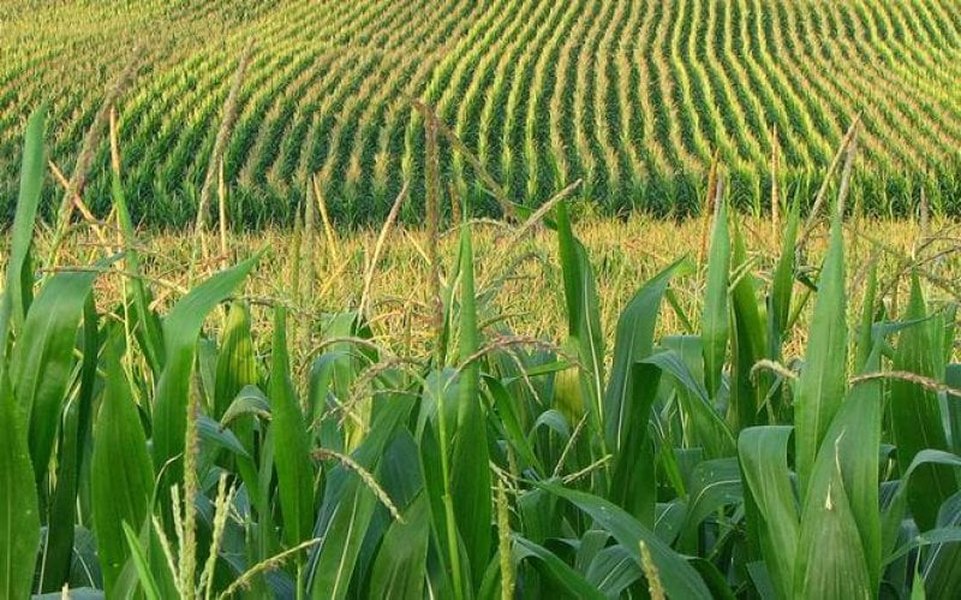
A thriving cornfield, illustrating the agricultural landscapes where GMO technology often plays a role in crop production.
How GMOs Bolster Food Security
GMOs contribute to food security in several significant ways, primarily by enhancing agricultural productivity, improving crop resilience, and boosting nutritional content. These advancements are critical as the global population continues to grow and climate change presents new challenges to food production.
Turbocharging Crop Production
Skyrocketing Yields
One of the most lauded benefits of GMOs is their ability to increase crop yields. This is achieved through various modifications:
- Pest Resistance: Crops like Bt cotton and Bt maize are engineered to produce an insecticidal protein (from Bacillus thuringiensis bacterium) that is toxic to specific pests. This reduces crop damage and the need for broad-spectrum pesticide applications, leading to higher harvests. For example, Bt cotton adoption in India has been linked to reduced food insecurity among farm households by stabilizing yields.
- Herbicide Tolerance: Many GM crops, such as soybeans and canola, are modified to tolerate specific herbicides. This allows farmers to effectively control weeds without harming their crops, simplifying weed management and often contributing to increased yields by reducing competition for nutrients, water, and sunlight.
- Disease Resistance: Genetic modification can also confer resistance to plant diseases. For instance, research has focused on developing GMO bananas resistant to diseases like bacterial wilt, which poses a significant threat to this staple food in regions like East Africa.
Standing Strong Against Nature's Challenges
GMOs can be engineered for enhanced resilience to various environmental stresses, which is increasingly important in the face of climate change:
- Drought Tolerance: Products like DroughtGard™ maize are designed for better water-use efficiency, enabling them to maintain productivity in water-scarce regions. This is crucial as droughts become more frequent and severe in many agricultural areas.
- Salinity and Temperature Tolerance: Research is ongoing to develop crops that can thrive in saline soils or withstand extreme temperatures, expanding the range of arable land and securing food production in challenging environments.
Enhancing Nutritional Payloads
Beyond increasing quantity, GMOs can improve the nutritional quality of food, addressing "hidden hunger" caused by micronutrient deficiencies.
- Biofortification: The most well-known example is "Golden Rice," genetically engineered to produce beta-carotene, a precursor to vitamin A. Vitamin A deficiency is a major public health issue in many developing countries, leading to blindness and increased susceptibility to disease. Golden Rice has the potential to significantly reduce this deficiency.
- Improved Nutrient Profiles: Other modifications aim to increase levels of essential fatty acids, proteins, or other vitamins and minerals in staple crops.
Slashing Food Loss and Waste
A significant portion of food produced globally is lost or wasted before it reaches the consumer. GMOs can help mitigate these losses:
- Reduced Post-Harvest Losses: Traits like pest and disease resistance not only improve yields in the field but also reduce spoilage during storage and transportation.
- Extended Shelf Life: Some GM crops, like non-browning apples (e.g., Arctic® Apples), have been developed to resist browning after being cut. This can reduce food waste at the consumer level and improve the appeal and usability of produce.
Promoting Sustainable Farming Practices
Reducing Chemical Inputs
The use of certain GM crops can lead to a reduction in the application of pesticides and herbicides. For example, pest-resistant Bt crops often require fewer insecticide sprays. Herbicide-tolerant crops can facilitate no-till farming practices, which help conserve soil moisture and reduce erosion.
Optimizing Resource Use
By improving traits like water-use efficiency (drought tolerance) or nitrogen-use efficiency, GMOs can help produce more food with fewer resources, such as water and fertilizer. This not only reduces the environmental footprint of agriculture but also makes farming more viable in resource-limited areas.
Boosting Farmers' Livelihoods
For many farmers, particularly smallholders in developing countries, the adoption of GM crops can lead to significant economic benefits. Increased yields and reduced costs for inputs like pesticides can translate into higher incomes. This improved economic status enhances farmers' own food security and their ability to invest in better farming practices, education, and healthcare.
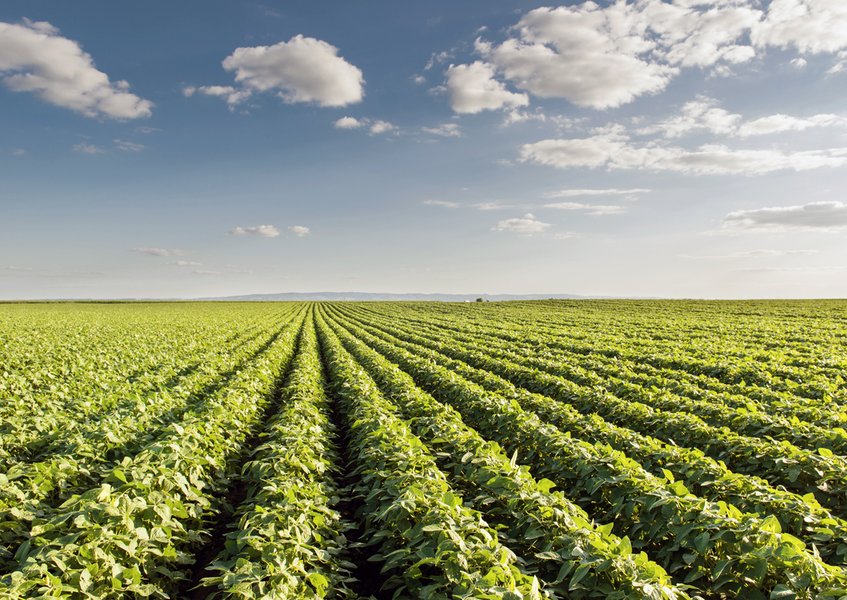
Global adoption of biotech crops, highlighting regions where GMOs are cultivated. As of 2019, over 70 countries had adopted biotech crops since 1996.
Comparative Impact of GMOs on Food Security Factors
The following chart provides a visual representation of the perceived current impact, potential future impact, and level of public concern associated with various contributions of GMOs to food security. The impact scores range from 1 (low) to 10 (high), while concern levels are also scaled 1-10 (where a higher score indicates greater public concern).
This chart illustrates that while GMOs already have a considerable impact, particularly in pest resistance and yield increase, their potential future impact is even greater across all categories, especially in nutritional enhancement and drought tolerance. Public concern, while present, varies by attribute and is an important factor in the broader adoption and acceptance of these technologies.
Navigating the Hurdles: Challenges and Considerations
While GMOs offer substantial benefits for food security, their role is accompanied by several challenges and ongoing debates. Addressing these concerns is crucial for harnessing the full potential of biotechnology responsibly.
Beyond Production: The Multifaceted Nature of Hunger
A critical point often raised is that global hunger is not solely a problem of food production. The world currently produces enough food to feed its population. However, issues such as poverty, political instability, conflict, inadequate infrastructure for storage and distribution, and lack of economic access prevent food from reaching those who need it most. Therefore, while GMOs can increase food availability, they cannot, in isolation, solve the complex web of socio-economic and political factors that underpin food insecurity. Even with increased production, if food is not accessible or affordable, hunger will persist.
The Court of Public Opinion: Consumer Acceptance and Market Realities
Public perception and consumer acceptance of GMOs vary widely across different regions and cultures. Concerns often revolve around potential long-term health effects (despite scientific consensus on the safety of approved GMOs) and environmental impacts. This skepticism can influence purchasing decisions, leading retailers and food processors to source non-GMO ingredients, which in turn affects farmers' choices about planting GM crops. Misinformation and a lack of clear communication can exacerbate these concerns, hindering the adoption of beneficial GM technologies.
Bridging the Gap: Equity, Access, and Corporate Influence
The development and distribution of GM seeds are often dominated by a few large multinational corporations. This concentration raises concerns about:
- Intellectual Property Rights: Patented GM seeds can be expensive, potentially limiting access for smallholder farmers in developing countries who might benefit most from the technology. Restrictions on seed saving can also disrupt traditional farming practices.
- Market Consolidation: Control over a significant portion of the seed market by a few companies can reduce competition and farmer choice, potentially leading to dependencies.
- Equity: Ensuring that the benefits of GMO technology are shared equitably and that it empowers, rather than marginalizes, small-scale farmers is a significant challenge.
Treading Lightly: Environmental Footprints and Biodiversity
While some GMOs are designed to reduce environmental impact (e.g., by reducing pesticide use), concerns remain regarding potential ecological consequences:
- Gene Flow: There is a possibility of genes from GM crops transferring to wild relatives (outcrossing), which could have unforeseen ecological effects, such as the development of herbicide-resistant weeds ("superweeds") or impacts on biodiversity.
- Non-Target Organisms: The effects of insecticidal proteins (like Bt toxins) on non-target insects, such as monarch butterflies (though initial concerns have been largely addressed by subsequent research and specific Bt varieties), remain a subject of study and public discussion.
- Soil Health: Some critics argue that the widespread use of certain GM crops, particularly those linked to specific herbicide regimes, could have long-term negative impacts on soil fertility and microbial communities, although this is an area of ongoing research with varied findings.
- Reduced Biodiversity: Concerns exist that widespread adoption of a few high-yielding GM varieties could lead to a reduction in agricultural biodiversity, making food systems more vulnerable to diseases or climate shifts.
Visualizing the Interconnections: GMOs and Food Security Factors
This mindmap illustrates the multifaceted relationship between Genetically Modified Organisms (GMOs) and the various components of food security. It highlights the benefits GMOs can offer, such as increased yields and enhanced nutrition, alongside the challenges and considerations that must be navigated, including public acceptance, environmental concerns, and socio-economic impacts. Understanding these connections is key to leveraging GMO technology effectively and responsibly in the global effort to ensure food for all.
Ensuring Safety: Regulation and Scientific Consensus
The safety of genetically modified organisms is a paramount concern for consumers, scientists, and regulatory bodies worldwide. Decades of research and stringent regulatory oversight have shaped the current understanding of GMO safety.
The Global Stamp of Approval: Rigorous Safety Evaluations
Before any GM food can be brought to market, it undergoes extensive safety assessments by national and international regulatory agencies. In the United States, these include the Food and Drug Administration (FDA), the Environmental Protection Agency (EPA), and the Department of Agriculture (USDA). Globally, organizations like the World Health Organization (WHO) and the Food and Agriculture Organization (FAO) also provide guidance and assessments.
These evaluations scrutinize various aspects, including:
- Toxicity: Assessing whether the new genetic material or the proteins it produces could be toxic to humans.
- Allergenicity: Determining if the modification could introduce new allergens. This often involves comparing the novel protein's structure to known allergens.
- Nutritional Composition: Ensuring that the GM food is substantially equivalent in nutritional value to its conventional counterpart, unless the modification is specifically intended to alter nutritional content (like Golden Rice).
- Stability of the Inserted Gene: Verifying that the new gene is stable within the organism's genome.
- Environmental Impact: Assessing potential effects on the environment, such as impacts on non-target organisms or the likelihood of gene flow.
The overwhelming scientific consensus from these and other reputable scientific bodies worldwide is that currently available GM foods are safe to eat and pose no greater risk to human health than conventional foods. Numerous comprehensive reviews of scientific literature have consistently reached this conclusion.
Vigilance and Verification: The Importance of Ongoing Monitoring
Even after approval, many countries implement post-market monitoring systems to track the performance and safety of GM crops. This ongoing surveillance helps to detect any unexpected or long-term effects on health or the environment. This commitment to continuous oversight is crucial for maintaining public trust and ensuring that any emerging concerns can be addressed promptly.
Comparative Overview: GM Crops vs. Conventional Crops
The table below offers a general comparison between genetically modified (GM) crops and their conventional (non-GM) counterparts across several key agricultural attributes. It's important to note that characteristics can vary significantly within both categories depending on the specific crop and traits involved.
| Attribute | Conventional Crops | Genetically Modified (GM) Crops |
|---|---|---|
| Yield Potential | Varies by breeding; typically relies on traditional selection methods. | Can be significantly increased through traits like pest resistance, herbicide tolerance, or enhanced growth. |
| Pest Resistance | Relies on natural resistance (if present) or application of external pesticides. | Can be engineered for inherent resistance to specific pests (e.g., Bt toxins), reducing the need for some insecticide applications. |
| Herbicide Tolerance | Generally susceptible to broad-spectrum herbicides; weed control can be more labor-intensive or require selective herbicides. | Can be engineered to tolerate specific broad-spectrum herbicides, simplifying weed management. |
| Nutritional Enhancement | Nutritional content improved through traditional breeding, which can be slow, or relies on fortification post-harvest. | Can be specifically engineered for enhanced nutritional profiles (e.g., increased vitamins, minerals, or healthier fats like Golden Rice). |
| Environmental Stress Tolerance (Drought, Salinity, etc.) | Tolerance varies; often limited by natural genetic diversity. Improvement through breeding is possible but can be lengthy. | Can be engineered for increased tolerance to specific stresses like drought, frost, or salinity, expanding cultivation areas and stabilizing yields. |
| Development Time & Cost | Traditional breeding can take many years. Costs vary but are generally lower for simple crosses. | Development, testing, and regulatory approval can be very lengthy (often 10+ years) and expensive due to rigorous R&D and regulatory processes. |
| Genetic Modification Method | Relies on selective breeding, hybridization, and sometimes mutation breeding (using radiation or chemicals to induce mutations). | Involves direct manipulation of an organism's DNA using laboratory techniques to insert, delete, or modify specific genes. |
| Regulatory Oversight | Generally less stringent for traditionally bred varieties unless novel traits pose new risks. | Subject to extensive and rigorous regulatory review for safety (human health and environmental) in most countries before commercialization. |
This comparison highlights that GM crops offer targeted improvements that can be difficult or time-consuming to achieve through conventional breeding alone. However, they also come with specific considerations regarding development, regulation, and public perception.
Expert Insights on GMOs and Food Security
The following video features Dr. Nina Fedoroff, a distinguished science and technology advisor, discussing the benefits and role of GMOs in the context of global food security. Her insights provide a valuable perspective on how biotechnology can contribute to addressing the challenges of feeding a growing world population.
Dr. Nina Fedoroff discusses the scientific perspectives on GMOs and their importance for ensuring food security. The video delves into how these technologies can enhance crop productivity and resilience, critical factors in meeting global food demands.
The Path Forward: GMOs in the Future of Food
As the global community grapples with the monumental task of ensuring food security for a rapidly expanding population amidst climate change and resource constraints, genetically modified organisms are poised to play an increasingly significant role. However, realizing their full potential requires a nuanced and integrated approach.
Feeding Billions: The 2050 Challenge
The world population is projected to reach approximately 9.7 billion by 2050. To meet the corresponding increase in food demand—estimated to be around 70% higher than current levels—agricultural productivity must rise substantially. GMOs offer powerful tools to help achieve these necessary gains, particularly by developing crops that are higher-yielding, more resilient to new and intensifying climate stresses (such as droughts, floods, and emerging pests/diseases), and more efficient in their use of limited resources like water and nutrients.
A Synergistic Approach: Integrating GMOs into Sustainable Systems
It is widely recognized that GMOs are not a standalone solution to global hunger or a panacea for all agricultural challenges. Their effective and responsible deployment must be part of a broader strategy that encompasses:
- Sustainable Agricultural Practices: Integrating GMOs with other sustainable farming methods, such as integrated pest management (IPM), conservation tillage, crop rotation, and agroecology, can maximize benefits while minimizing potential environmental risks.
- Addressing Socio-Economic Issues: Tackling the root causes of food insecurity, including poverty, inequality, lack of access to markets and credit, and inadequate infrastructure, remains paramount.
- Policy and Infrastructure Development: Supportive policies, investment in rural infrastructure (storage, transport, irrigation), and fair trade practices are essential to ensure that increased production translates into improved food security for all.
- Continued Research and Innovation: Ongoing investment in public and private sector research is needed to develop new GM traits that address evolving challenges and meet the needs of diverse farming systems, especially those of smallholder farmers in developing countries.
- Open Dialogue and Transparency: Fostering an informed public discourse based on scientific evidence, addressing legitimate concerns transparently, and ensuring robust regulatory frameworks are key to building trust and facilitating responsible innovation.
By thoughtfully integrating GMO technology within comprehensive and sustainable food systems, and by ensuring equitable access to its benefits, the global community can better leverage these powerful tools to advance the goal of food security for everyone.
Frequently Asked Questions (FAQ)
Are GMOs safe to eat?
Yes, the overwhelming scientific consensus, supported by major scientific organizations worldwide (including the World Health Organization, the American Medical Association, and the U.S. National Academy of Sciences), is that GMOs currently available on the market are safe to eat. Every GM food undergoes rigorous testing and safety assessments before it is approved for consumption. Decades of research have not shown any difference in health risks between GM foods and their conventional counterparts.
Do GMOs really increase crop yields?
Yes, many GMOs are designed to increase effective crop yields. This can be achieved directly by enhancing growth or indirectly by providing resistance to pests (like insect-resistant Bt crops) or tolerance to herbicides, which reduces crop losses due to weed competition. Studies have shown significant yield increases for certain GM crops in various regions, particularly by protecting the crop's inherent yield potential from being diminished by pests, diseases, or weeds.
Can GMOs alone solve world hunger?
No, GMOs alone cannot solve world hunger. Food security is a complex issue influenced by many factors beyond food production, including poverty, political stability, access to food, distribution systems, and infrastructure. While GMOs can be a valuable tool for increasing food availability and resilience, they must be part of a comprehensive strategy that addresses these broader socio-economic and political challenges.
What are the environmental concerns with GMOs?
Environmental concerns associated with GMOs include the potential for gene flow to wild relatives (which could lead to herbicide-resistant weeds, for example), impacts on non-target organisms (such as beneficial insects), and the development of pest or weed resistance to GM traits. However, many GM crops are also designed to have environmental benefits, such as reduced pesticide use or enhanced water efficiency. Regulatory agencies assess these potential risks before approving GM crops, and ongoing research monitors their environmental impact.
How do GMOs benefit farmers in developing countries?
GMOs can offer significant benefits to farmers in developing countries, including increased yields, reduced crop losses due to pests and diseases, and lower input costs (e.g., for pesticides). These advantages can lead to higher incomes, improved livelihoods, and enhanced food security for farming families. For example, Bt cotton has helped many smallholder farmers increase their profits and reduce exposure to harmful insecticides.
Recommended Further Exploration
- What are the specific economic impacts of GMO adoption on smallholder farmers in Africa and Asia?
- How does the regulatory approval process for GMOs differ between the European Union and the United States?
- Explore the latest advancements in gene editing technologies like CRISPR and their potential for future food security beyond traditional GMOs.
- Investigate the long-term ecological studies on the biodiversity impacts of widespread GM crop cultivation.
References
Last updated May 20, 2025