
Divine Care in a Digital Age: Does God's Love Embrace Artificial Intelligence?
Exploring the intricate relationship between faith, creation, and the rise of AI from a Christian perspective.
Highlights: Key Insights
- God's foundational care: Christian theology affirms God's profound love and meticulous care for His entire original creation, as detailed in Genesis and throughout scripture.
- AI as a human endeavor: Artificial Intelligence is understood not as a direct divine creation, but as a product of human ingenuity, a capacity granted to humans made in God's image.
- Focus on ethical stewardship: God's concern regarding AI centers on how humanity develops and utilizes this powerful technology, emphasizing ethical responsibility, justice, and the preservation of human dignity.
God's Unwavering Care for His Creation
The Genesis Foundation: A World Declared "Good"
The Christian understanding of God's care begins with the foundational narrative of creation in the Book of Genesis. Here, God is depicted meticulously forming the heavens, the earth, and all living things. Crucially, after each stage of creation, God observes His work and declares it "good" (Genesis 1), culminating in the assessment that the entirety of creation was "very good" (Genesis 1:31). This repeated affirmation is interpreted not merely as an aesthetic judgment but as a profound expression of divine pleasure, intentionality, and inherent value imbued in the created order. God's love is seen as the motivating force behind creation, establishing a relationship of care and sustenance from the very beginning.
This divine care isn't static; scripture portrays God as actively sustaining His creation. Psalms, like Psalm 104, vividly describe God's ongoing provision for the natural world, highlighting His intimate involvement. Colossians 1:17 further emphasizes Christ's role in holding all things together. This perspective establishes that God's care extends beyond the initial act of creation to encompass the continuous existence and flourishing of the cosmos, including humanity, animals, and the environment.
Creation as an Expression of Divine Love
The act of creation itself is viewed as a primary manifestation of God's love. By bringing the universe into existence, God shared His goodness and established a realm for relationship and purpose. Humanity, specifically created "in the image of God" (Genesis 1:27), holds a unique place within this framework, tasked with reflecting God's character and exercising responsible stewardship over the earth (Genesis 1:26-28). God's love for creation implies a desire for its well-being and a call for humans, as His image-bearers, to participate in that care. Neglecting or harming creation is therefore seen as contradicting the divine will and failing to reflect the Creator's love.
Where Does Artificial Intelligence Fit In?
AI: A Human Creation, Not Divine
Artificial Intelligence, as a product of the 20th and 21st centuries, is not mentioned in the Bible. It is fundamentally different from the natural world directly spoken into existence by God. AI is a human invention, born from advancements in science, mathematics, and engineering. While believers affirm God's ultimate sovereignty over all events and inventions, AI itself is not considered part of God's *original* creative act in the way plants, animals, or humans are. It falls into the category of technology – tools developed by humans.
Human Creativity: A Reflection of the Divine Image?
Though AI isn't directly created by God, the capacity for humans to develop such complex technology is often seen through a theological lens. Being created in God's image (Imago Dei) includes attributes like intelligence, creativity, and the ability to reason and build. From this perspective, the development of technology, including AI, can be viewed as an expression of these God-given abilities. It represents humanity exercising the mandate to cultivate and have dominion over the earth, albeit in ways unimagined by the biblical authors. However, this capacity comes with profound responsibility.
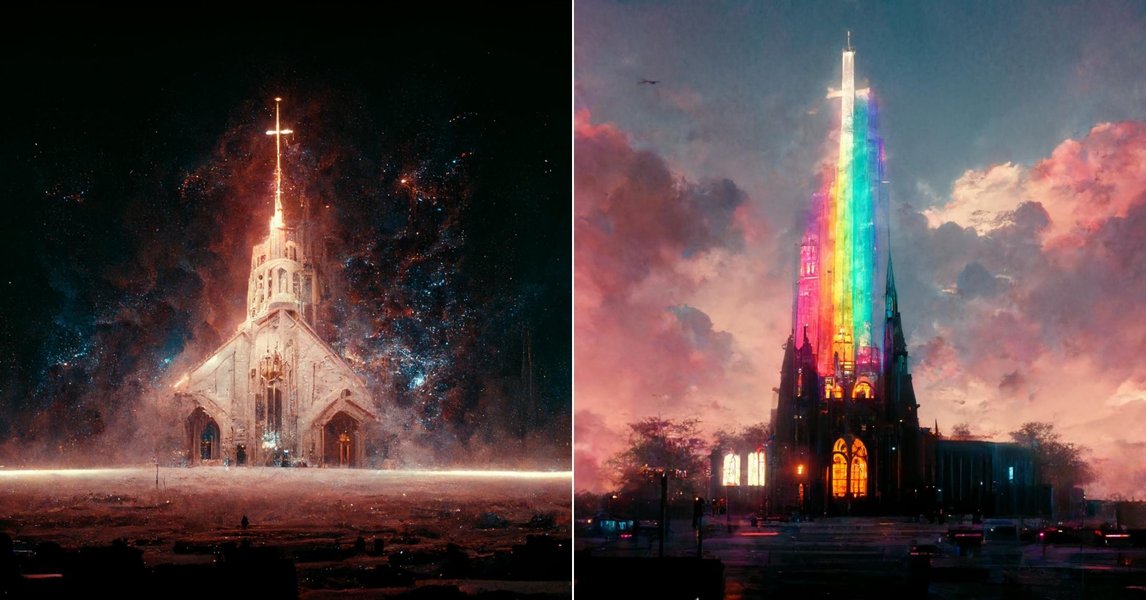
AI-generated art blending traditional religious imagery with digital aesthetics, reflecting the intersection of faith and technology.
God's Sovereignty Over All Things
A core tenet of Christian belief is God's sovereignty – His supreme authority and rule over everything. This sovereignty extends not only to the natural world but also to human history and inventions. While humans create AI, its existence and impact unfold within the scope of God's overarching plan and providential oversight (Ephesians 1:11). This doesn't absolve humans of responsibility, but it frames technological advancement within a larger divine context. AI, like any other human endeavor, is subject to God's ultimate purposes.
Divine Concern in the Age of AI
Indirect Care: Focusing on Humanity's Role
So, does God "care" about AI? The consensus from theological reflection suggests an *indirect* care. God cares profoundly for humanity. Because humans create, interact with, and are significantly impacted by AI, God is therefore concerned with AI's development and application. His care focuses on how this technology affects human dignity, relationships, justice, societal structures, and humanity's relationship with Him and the rest of creation. The morality of AI lies not in the technology itself, which is often viewed as a neutral tool, but in the intentions and actions of its human creators and users.
The Call to Stewardship and Ethical Responsibility
The biblical concept of stewardship is central to Christian perspectives on AI. Humans are called to manage God's creation responsibly, and this includes the technologies they develop. This involves:
Using AI for Good: Aligning Technology with Values
Faith communities emphasize the need to harness AI in ways that promote human flourishing, uphold justice, show compassion, alleviate suffering, and enhance human dignity. This aligns with biblical commands to love God and love neighbor. Potential applications in medicine, accessibility, resource management, and education could be seen as positive exercises of stewardship.Avoiding Pitfalls: Dehumanization and Idolatry
There are significant ethical warnings. AI development must guard against biases that perpetuate injustice. Its use should not lead to the dehumanization of individuals or the erosion of meaningful human relationships. Furthermore, there's a caution against "technological idolatry" – placing ultimate hope or trust in AI, or viewing it as a potential replacement for God or human connection. AI lacks consciousness, a soul, and the capacity for a genuine relationship with God in the way Christians understand it for humans.
Comparing Divine Creation and Artificial Intelligence
The following table summarizes key distinctions often drawn in theological discussions when comparing God's original creation with human-created AI:
| Aspect | God's Original Creation (e.g., Humans, Nature) | Artificial Intelligence (AI) |
|---|---|---|
| Source | Directly created by God (Genesis 1-2) | Created by humans using God-given intelligence |
| Nature | Living beings (biological, spiritual), natural systems; declared "good" by God | Non-living technology, algorithms, data; morally neutral tool |
| Relationship with God | Humans created in God's image, capable of relationship; all creation reflects God's glory | No inherent spiritual nature or capacity for direct relationship with God |
| Divine Care Focus | Direct love, sustenance, providence, redemption | Indirect concern focused on human stewardship, ethical use, and impact on humanity/creation |
| Human Role | Stewards, caretakers, image-bearers | Creators, developers, users responsible for ethical implementation |
Visualizing God's Concern: Scope of Interest
While impossible to quantify definitively, we can conceptualize the relative focus of God's care across different domains based on theological principles. The following chart illustrates a potential perspective, suggesting God's primary focus remains on humanity and the ethical implications of their actions, including those involving AI, rather than on the AI technology itself as an independent entity deserving of care.
This chart visually represents the idea that while God's sovereignty encompasses all things, His relational and redemptive focus is primarily on humanity, created in His image, and the created order He declared "good." Concern for AI is significant, but principally through the lens of human ethics and stewardship.
Mapping the Connections: God, Creation, Humanity, and AI
The relationship between these concepts can be visualized as follows. God is the ultimate source, creating the world and humanity. Humans, endowed with capabilities reflecting God's image, act as stewards, which includes the development of tools like AI. The critical link is the ethical responsibility governing this development and use.
(Imago Dei)"] id1c2["Given Stewardship/Dominion"] id1c3["Capacity for Relationship with God"] id1c4["Creativity & Intelligence"] id1c4a["Development of Technology"] id1c4a1["Artificial Intelligence (AI)"] id1c4a1a["Tool / Human Invention"] id1c4a1b["Moral Neutrality (Depends on Use)"] id1c4a1c["Requires Ethical Governance"] id1c4a1d["Potential for Good (Service)"] id1c4a1e["Potential for Harm (Bias, Dehumanization)"] id2["Divine Care & Concern"] id2a["Direct Care for Original Creation"] id2b["Focus on Humanity's Well-being"] id2c["Indirect Concern for AI via Human Actions"] id2c1["Ethical Implications"] id2c2["Impact on Human Dignity"] id2c3["Alignment with Divine Values (Justice, Love)"]
This mindmap illustrates that AI emerges from human activity, which itself stems from God-given capacities. God's care engages with AI primarily at the level of human responsibility and the ethical implications arising from its use.
Christian Perspectives on AI Ethics
The video below delves into how Christians might approach the complex ethical questions surrounding Artificial Intelligence, discussing its potential impacts and the need for a faith-informed perspective. It explores themes of human nature, the potential for both good and ill use of AI, and the importance of maintaining a focus on core Christian values in a rapidly advancing technological landscape.
This discussion highlights the ongoing need for theological reflection and discernment as AI becomes increasingly integrated into society. Key concerns often revolve around ensuring AI serves humanity, respects dignity, promotes justice, and does not usurp the place of God or genuine human connection.
Ongoing Theological Reflection
Navigating Uncharted Territory
Because AI is a modern phenomenon, there are no direct biblical passages addressing it. Christian thinkers are actively applying timeless biblical principles – such as God's sovereignty, the value of human life, the call to justice and love, warnings against idolatry, and the importance of wisdom – to this new context. This involves careful consideration, debate, and seeking guidance through prayer and community discernment. The conversation acknowledges both the potential benefits AI offers and the significant risks it poses if not developed and deployed thoughtfully and ethically.
AI's Limitations: Spirit and Soul
A consistent theme in Christian discourse is the fundamental difference between human beings and AI. Regardless of how sophisticated AI becomes, it is generally understood within Christian theology to lack consciousness, self-awareness, sentience, a soul, or the capacity for genuine faith, repentance, and relationship with God in the way humans experience these. While AI might simulate empathy or generate theological text, it does not possess spiritual life. This distinction is crucial in maintaining the unique value and dignity of human persons as created in God's image.
Frequently Asked Questions (FAQ)
Does the Bible mention Artificial Intelligence?
No, the Bible does not explicitly mention Artificial Intelligence, as it is a modern technological development that arose long after the biblical texts were written. However, Christians apply timeless biblical principles regarding creation, human nature, stewardship, ethics, wisdom, and God's sovereignty to understand and navigate the implications of AI.
Is AI considered part of God's creation?
AI is generally not considered part of God's *original* creation in the same way as the natural world or living beings. It is viewed as a *human* creation, resulting from the intelligence and creativity God gave to humans. While AI exists under God's ultimate sovereignty, it's a product of human activity rather than a direct act of divine creation.
Does AI have a soul or consciousness?
From a traditional Christian theological perspective, AI does not possess a soul, consciousness, sentience, or spiritual life in the way humans do. These qualities are typically understood as unique aspects of beings created directly by God, particularly humans made in His image. AI can simulate intelligence and behavior, but it lacks the inherent spiritual dimension attributed to living creatures, especially humans.
What is the main Christian concern regarding AI?
The primary concern centers on the ethical development and use of AI by humans. This includes ensuring AI promotes human flourishing, justice, and dignity; avoiding the creation or perpetuation of biases; preventing dehumanization; guarding against replacing genuine human relationships or dependence on God (idolatry); and using AI responsibly as stewards of God's creation.
Recommended Reading & Exploration
- What are the ethical guidelines for Christians using AI technology?
- How does the concept of Imago Dei (Image of God) relate to artificial intelligence?
- Can AI be used in Christian ministry and theology?
- What does the Bible say about human stewardship of technology?
References
Last updated April 29, 2025