
Comprehensive RRL on Data Management and Security in Government Systems (2021-2025)
A detailed review of trends, frameworks, challenges, and innovations
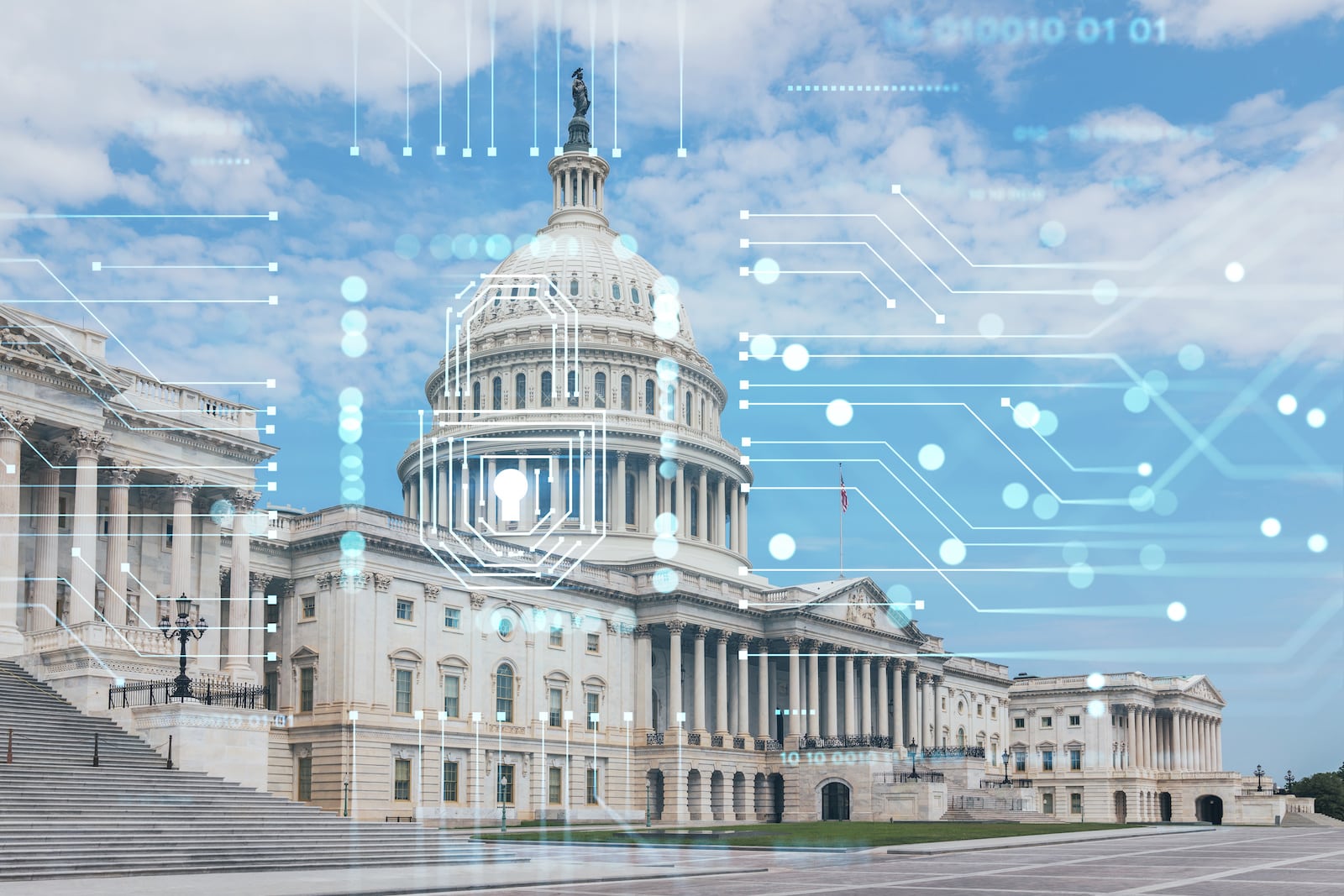
Key Highlights
- Strategic Developments: Legislative initiatives, federal strategies, and regulatory reforms driving data protection.
- Technological Innovations: The adoption of AI-driven solutions, cloud-first strategies, and hybrid security protocols.
- Challenges and Future Directions: Emerging cyber threats, the evolving legal framework, and integrated data governance approaches.
Introduction
From 2021 to 2025, government systems underwent significant transformation in their approach to data management and security. This period was marked by rapid technological innovation, increasing cyber threats, and the evolution of comprehensive regulatory frameworks. Governments worldwide, particularly in the United States, focused on enhancing the protection of sensitive information, ensuring operational efficiencies through digital transformation initiatives, and adopting many strategic tools to address the new cyber challenges. This literature review and research (RRL) synthesizes the diverse strategies, frameworks, challenges, and emerging trends that have influenced data management and security efforts in government systems during this dynamic period.
Legislative and Strategic Frameworks
Federal Initiatives and National Strategies
Governments have implemented several strategic frameworks to ensure the security and efficient management of data. Federal initiatives have prioritized the safeguarding of sensitive personal data while improving governmental operations. One significant strategy has been the adoption of comprehensive digital government policies that aim to streamline operational processes and adopt innovative data management practices.
For instance, agencies have been tasked with adhering to data strategies that not only focus on immediate security challenges but also plan for long-term data governance. These frameworks include data security frameworks that integrate cybersecurity measures with public sector efficiencies, ensuring that sensitive citizen data is protected against unauthorized access, cyber espionage, and ransomware threats. Under these initiatives, the U.S. government, for example, implemented strategic action plans that foster inter-agency collaboration and set clear guidelines for data collection, storage, and processing.
Executive Orders and Legal Mandates
Legislative actions such as executive orders have played a pivotal role in shaping data management practices in government systems. These mandates typically address national security concerns by restricting access to sensitive data and establishing strict protocols for data sharing among agencies. Recent legal reforms have also been critical, particularly in response to rising cyber threats.
Laws aimed at improving data breach notifications and enforcing data protection standards have compelled an overhaul of existing data governance models. Several states have advanced their own protective measures by expanding data breach laws, thereby extending the scope of protection to more categories of personal information, including genetic data.
Technological Innovations in Data Management
AI-Driven and Cloud-First Strategies
The integration of artificial intelligence (AI) into data management systems has been central to addressing complex security challenges. AI-driven analytics and automation have empowered government agencies to monitor data flows in real-time, identify vulnerabilities, and preemptively mitigate potential breaches. Moreover, adopting cloud-first strategies has enabled scalability, flexibility, and the rapid deployment of security updates across platforms.
Cloud-native innovations allow for dynamic management of vast data repositories and ensure that security protocols are continuously updated in response to emerging threats. These strategies facilitate improved resource allocation, enabling government agencies to focus on core functions while relying on robust cloud infrastructures to secure stored information.
Hybrid Security and Data Masking Technologies
In addition to advanced cloud and AI technologies, hybrid security approaches have emerged as an innovative solution for managing the lifecycle of data in government systems. This involves combining well-established encryption methods such as Advanced Encryption Standard (AES) with modern techniques like Elliptic Curve Cryptography (ECC) to enhance data integrity and confidentiality. Such hybrid protocols not only elevate the security level by employing multiple layers of defense but also optimize processing capabilities.
Moreover, data masking technologies have been deployed to protect sensitive information within databases while allowing genuine data to be used in non-sensitive environments, such as testing and development. This ensures that any unauthorized access is met with data that is obfuscated and unusable for malicious purposes.
The Role of Cybersecurity Education and Workforce Development
The rapid technological transitions and the increase in cyber threats have necessitated a focus on workforce development in cybersecurity. There has been a concerted effort to build a skilled cybersecurity workforce through training programs and strategic educational initiatives. National initiatives have underscored the importance of aligning educational curricula with emerging cybersecurity needs, ensuring that government agencies are staffed with professionals capable of managing sophisticated digital defenses.
Workforce development programs often include certifications, continuous training, and hands-on cybersecurity drills. These programs are designed to foster a shared understanding among government employees regarding the best practices in data protection and to keep pace with evolving international standards.
Data Governance and Integration
Holistic Data Management Policies
Data governance in government systems has evolved to treat data as a strategic asset, where comprehensive management policies are not just about safeguarding information but also about leveraging it to improve public services. This evolution is characterized by a shift towards holistic data management policies that embrace standardized, ethical, and legally compliant practices. Data governance models now incorporate mechanisms for tracking data from its collection to its final disposition, ensuring that government agencies maintain high standards of privacy, confidentiality, and operational transparency.
These policies are often backed by the integration of real-time data analytics. Governments are not only investing in technology to secure data but are also increasingly focusing on its practical utility—using data-driven insights to inform policy decisions and improve service delivery.
Inter-Agency Collaboration and Data Sharing
Enhanced inter-agency collaboration has become a key facet in modern data management strategies. By breaking down silos between various government departments, cross-functional teams are better able to share insights and coordinate security measures. Standardized data sharing protocols have enabled agencies to maintain consistency in how data is handled and protected, thereby reducing redundancies and boosting efficiency.
Inter-agency coordination is further bolstered by centralized data repositories and shared security frameworks that streamline the handling of sensitive information. This collaborative approach ensures that security measures remain robust even as data is exchanged across different governmental levels.
Table: Key Components of Data Governance Frameworks
| Component | Description | Impact |
|---|---|---|
| Policy Framework | Comprehensive guidelines for data handling, sharing, and protection. | Ensures consistent practices and legal compliance. |
| Inter-Agency Collaboration | Mechanisms for sharing and integrating data across departments. | Enhances operational efficiency and broadens security coverage. |
| Technological Integration | Utilization of cloud services, AI tools, and hybrid encryption methods. | Improves adaptability and response to emergent threats. |
| Workforce Development | Training and certification programs for cybersecurity personnel. | Builds a robust defense through skilled human resources. |
Emerging Challenges and Future Directions
Challenges in the Contemporary Landscape
Despite the advances in data management and security, the period from 2021 to 2025 has also brought forth a number of persistent challenges:
- Increasing Complexity of Cyber Threats: The landscape has witnessed escalation in ransomware attacks, phishing schemes, and sophisticated cyber intrusions which continuously adapt to circumvent traditional security measures.
- Resource Allocation: Inadequate funding and resource limitations in some agencies lead to gaps in implementing advanced security protocols.
- Regulatory Coordination: The evolving regulatory environment often introduces overlaps and ambiguities between federal and state mandates, necessitating better coordination and clarity.
- Integration of Emerging Technologies: While AI and cloud-first strategies offer significant advantages, ensuring these innovations align with existing legacy systems can be challenging.
Addressing these challenges requires an ongoing commitment to updating cybersecurity measures, investment in advanced technologies, and a robust framework for inter-agency coordination that can adapt as technological landscapes evolve.
Looking Forward: Trends Shaping Future Directions
The future direction of data management and security in government systems is being molded by emerging trends and ongoing innovations. Key areas likely to shape the future include:
- Advanced Artificial Intelligence: Implementing AI not only for threat detection but also for predictive analytics to preempt potential breaches will become a cornerstone in robust security frameworks.
- Cloud-Native Ecosystems: Continued migration to cloud environments, combined with microservices architectures, will allow for more agile and scalable data management solutions.
- Privacy-Enhancing Technologies: Data masking, encryption, and anonymization tools will be further refined for compliance with evolving privacy laws and ensuring citizen trust.
- Cross-Jurisdictional Governance: As data flows become more complex, future frameworks will focus on establishing harmonized data governance models that span local, federal, and international levels.
- Real-Time Data Integration: The demand for instantaneous data analysis will drive advancements in real-time data integration systems, enabling government agencies to make immediate, informed decisions.
These trends will dictate the strategic adjustments needed to manage both the opportunities and challenges posed by the evolving digital landscape. Enhanced collaborations between government bodies, academia, and private sectors are expected to bolster the adoption of next-generation security measures.
Case Studies and Practical Applications
Successful Implementations in Government Systems
Several government agencies have already begun implementing advanced data management solutions, and these initiatives serve as valuable case studies for creating best practices. These instances illustrate:
- Projects that integrate AI-driven analytics to monitor data integrity across large repositories.
- Deployment of cloud-first architectures that support not only data storage but also swift recovery in case of breaches.
- Application of hybrid encryption methods that combine traditional algorithms with modern security provisions, ensuring both speed and robustness in data protection.
These practical implementations demonstrate that an amalgamation of robust policy frameworks, technological innovation, and proactive workforce development can lead to significant improvements in the efficiency and security of government data management.
Comparative Analysis of Security Strategies
A comparative table below illustrates key differences among various security strategies adopted by governmental bodies:
| Strategy | Primary Focus | Approach |
|---|---|---|
| Digital Government Initiatives | Integrating operational efficiencies with data protection | Implementing digital policies, cloud migration, and cross-agency collaborations |
| Federal Data Strategies | Unified framework for data management and security | Establishing data governance standards and inter-sector partnerships |
| Executive Orders & Regulatory Mandates | Setting legal boundaries and enhancing accountability | Issuing directives and enforcing strict data protection requirements |
| Hybrid Security Approaches | Combining technology to enhance security performance | Utilizing AI, cloud services, and encryption protocols in tandem |
Conclusion and Final Thoughts
The period from 2021 to 2025 has been transformative for data management and security in government systems. With the evolving digital landscape, governments have made significant strides in deploying legislative measures, technological tools, and strategic frameworks aimed at safeguarding sensitive information while improving operational efficacy.
The comprehensive analysis presented in this review underscores the importance of a multi-layered approach that includes robust cybersecurity frameworks, continuous workforce training, and the adoption of cloud-based and AI-driven solutions. Governments have had to not only adapt to immediate cybersecurity challenges but also to plan strategically for long-term data management needs.
While challenges remain—such as resource allocation, integration with legacy systems, and the increasingly complex threat landscape—the ongoing innovations and collaborative efforts offer a promising pathway forward. By treating data as a strategic asset, government systems are better equipped to respond to cyber threats and leverage digital transformation for enhanced public services.
References
- U.S. Department of State Digital Government Strategy - U.S. Department of State
- Federal Data Strategy 2021 Action Plan - Federal Data Strategy
- NIST Strategic Plan - National Institute of Standards and Technology
- Executive Order on Data Security - U.S. Department of Justice
- U.S. Data Privacy Laws Overview - TechTarget
Recommended Queries for Further Exploration
Last updated February 28, 2025