
The Literary Heritage of Julien Gracq
Exploring a Life Rich in Dreamlike Ambition and Poetic Reflections
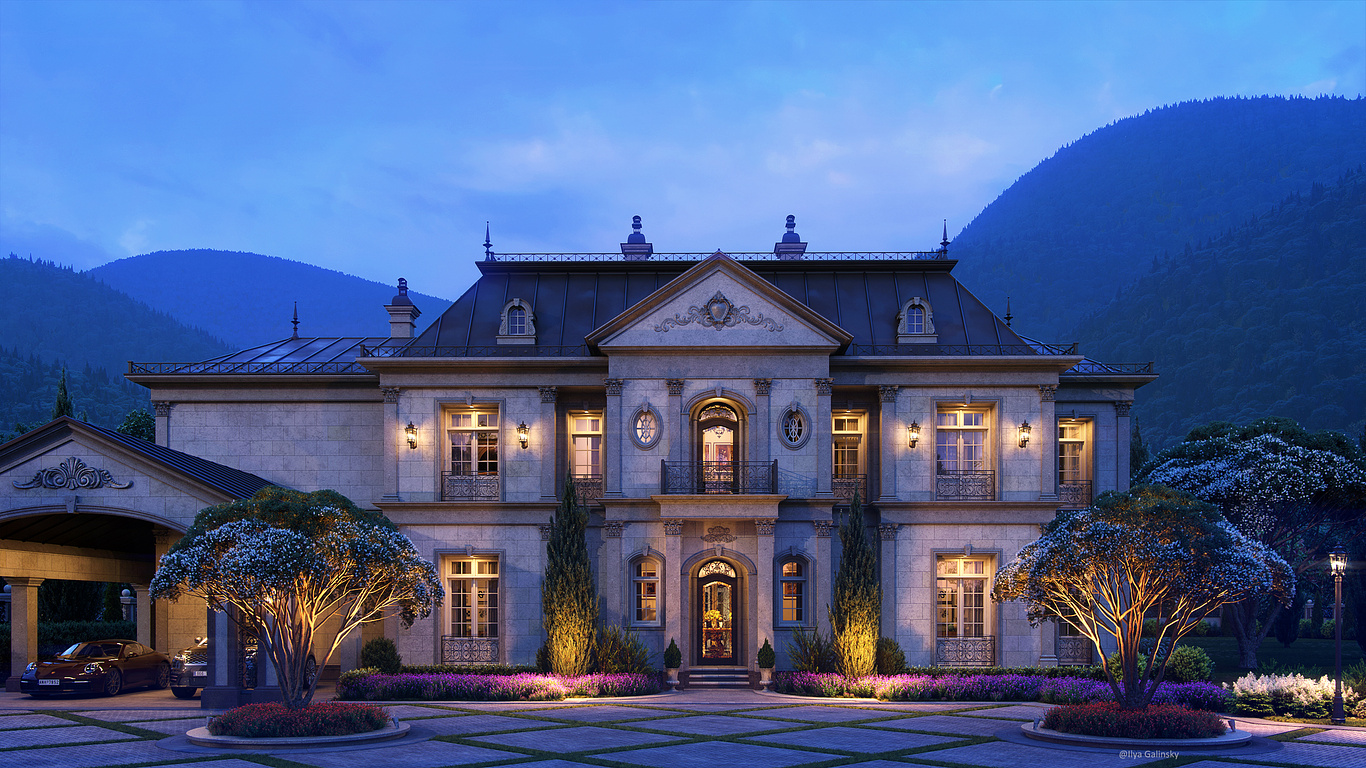
Key Insights About Julien Gracq’s Legacy
- Innovative Narrative Style: His writings blend surrealism, lyrical prose, and dreamlike abstraction.
- Philosophical Depth and Critique: His work offers commentary on existential themes and critiques modern literary norms.
- Enduring Impact on French Literature: His novels, essays, and critiques have had significant influence globally.
Early Life and Literary Beginnings
Julien Gracq, born Louis Poirier, emerged as a monumental figure in French literature during the 20th century. His early works, notably his first novel, "Au Château d'Argol" (translated as "The Castle of Argol"), established him as an innovator in narrative form and thematic exploration. This novel is commonly recognized as the first surrealist novel in French literature, marking Gracq’s early connection with the principles of surrealism—a movement known for its imaginative, abstract imagery and defiance of conventional realism.
Gracq’s writing from this period reflects a profound sensitivity to both the landscape and the human condition, intertwining elements of poetic lyricism with philosophical inquiry. His early literary endeavors were not mere exercises in style but were driven by a resonant desire to challenge the boundaries of traditional storytelling. His work demonstrates an inherent belief in authenticity and a critical approach to conventional literary awards and expectations. This early period set the tone for his lifelong commitment to the purity of artistic expression.
Major Works and Thematic Exploration
Novels as a Canvas for Existential Reflection
Among Gracq’s prolific body of work, his novel "Le Rivage des Syrtes" (The Opposing Shore) stands out as a significant milestone. Published in 1951, this work encapsulates many of the recurring themes found throughout his oeuvre. The novel uses a fictional, vaguely historical landscape to explore themes such as isolation, the passage of time, and the lurking presence of existential uncertainty. Characters in his novels often inhabit a blurred space between dream and reality, confronting both internal psychological landscapes and external, symbolic environments.
In addition to "The Opposing Shore," Gracq’s other notable works, such as "A Balcony in the Forest" and various prose poems and essays, delve deep into the interplay between memory, landscape, and human emotion. The recurrent themes include a profound sense of waiting, the tension derived from the anticipation of an undefined threat, and the beauty imbued in both nature and historical narrative. His works challenge the reader to consider the fluid boundaries between the conscious and the subconscious, and between objective reality and the imagination.
Influence and Engagement with Surrealism
Gracq’s literary style is heavily informed by surrealist ideals. Surrealism, as an artistic and literary movement, seeks to liberate the human experience by tapping into the uncharted territories of dreams and the subconscious. Julien Gracq’s narrative often infuses the mundane with ethereal, almost otherworldly qualities, transforming ordinary landscapes into canvases for fantastical imagery. His work is imbued with a reflective quality that challenges conventional realism, making it both intellectually stimulating and emotionally engaging.
This connection with surrealism is evident not only in his narrative tone but also in the intricate symbolism that pervades his texts. Gracq uses metaphor and allegorical frameworks to comment on broader cultural and existential issues. His poetic style invites the reader to engage with the text on multiple levels—appreciating the aesthetics while simultaneously pondering deeper, often ambiguous philosophical questions.
Philosophical Depth and Literary Criticism
A Critique of Modernity and Literary Norms
One of the most distinctive aspects of Gracq’s heritage is his deliberate distancing from mainstream literary recognition. His refusal to accept the Prix Goncourt—a prestigious French literary award—for "The Opposing Shore" exemplifies his critical stance towards contemporary literary culture. Gracq believed that the institutional frameworks and standardized practices of literary awards diluted the authenticity and individual craftsmanship of writing. His self-imposed isolation from public literary events underscored a commitment to purity in literary expression.
Through his essays and critiques, particularly those compiled later in his career such as in "Reading Writing," Gracq articulated a vision of literature as a deeply personal and intuitive art form. He criticized the conventional metrics by which literature was judged and argued that true literary value lies in the evocative power of language to connect readers with the ineffable aspects of human experience. His perspective invites writers and readers alike to seek a deeper, more reflective engagement with texts—a practice in which memory and personal perception play a central role.
Memory, Landscape, and the Human Psyche
A recurring motif in Gracq’s work is the intricate relationship between memory and landscape. His narratives often emphasize how geographical spaces serve as repositories of collective and personal memory. He viewed landscapes not merely as physical settings but as active participants in the unfolding of human drama and introspection. In his view, every hill, river, or distant shore holds layers of historical significance and emotional resonance.
This philosophical approach allows Gracq to portray the passage of time with a haunting beauty, reflecting on how the remnants of the past continue to influence and shape contemporary experience. His writing contemplates the cyclical nature of history and the enduring impact of memories, both ephemeral and profound. This exploration of the human psyche through the lens of physical space is one of the hallmarks of his literary legacy.
The Impact on French and Global Literature
A Lasting Influence on Literary Movements
The legacy of Julien Gracq extends far beyond the borders of France. His works have been translated into multiple languages, thereby spreading his unique narrative style to a global audience. Gracq’s integration of surrealist and lyrical elements into conventional narrative structures has influenced a wide range of writers and thinkers, both in France and internationally.
His influence is especially notable in how later generations have approached narrative storytelling. Many contemporary authors draw inspiration from his ability to weave dense poetic imagery with profound philosophical inquiry. Gracq’s emphasis on the interplay between the subconscious and the external world continues to resonate with writers who seek to explore and redefine the limits of literary expression.
Cultural Legacy and Scholarly Recognition
Despite his lifelong distancing from the literary mainstream, Julien Gracq’s works have secured a permanent place in the canon of French literature. His books are frequently studied in academic institutions and have been featured in collections such as the Bibliothèque de la Pléiade, a testament to his enduring cultural significance. His work not only provides insight into the evolution of 20th-century literary trends but also offers a critical look at how literature can serve as a mirror to the complexities of human existence.
Furthermore, Gracq’s literary legacy is celebrated for its unabashed focus on the intrinsic value of language and artistic expression. His writings are viewed as a remarkable blend of fiction and philosophical meditations, solidifying his reputation as a radically innovative thinker and a seminal figure in the history of modern literature.
Literary Style and Aesthetic Qualities
The Poetic Prose of Julien Gracq
Julien Gracq’s literary style is characterized by what many critics describe as “poetic prose.” His sentences flow with a rhythmic, almost musical quality, drawing the reader into an immersive experience that transcends the boundaries of time and space. His command over language is evident through his refined vocabulary and the elegant construction of his texts. Each word is carefully chosen to evoke multiple layers of meaning, enabling his narratives to operate on both literal and metaphorical levels.
This poetic sensibility is not limited to descriptive passages; it permeates the entire fabric of his storytelling. The interplay between imagery and narrative structure creates a dreamlike atmosphere that is as contemplative as it is visually evocative. Readers are invited to journey through landscapes that are both real and imagined—spaces where history, memory, and the subconscious converge in a vivid tapestry of literary exploration.
Expression of Emotion and Subtle Irony
Another notable aspect of Gracq’s work is his remarkable ability to convey deep emotions and subtle irony. His criticisms of modernity and traditional literary accolades often carry an understated tone of irony, reflecting a sophisticated awareness of the paradoxes inherent in the world of art and literature. This subtle approach allows him to critique societal norms without resorting to overt rhetoric, and instead, he leaves much open to interpretation.
This blend of emotion and irony not only enriches the narrative but also invites a reflective dialogue between the text and its audience. In essence, Gracq’s work operates on multiple levels: while it may narrate a story on the surface, it simultaneously offers a contemplative meditation on time, memory, and human frailty.
Comparative Analysis and Comprehensive Overview
A Comprehensive Table of Key Themes and Contributions
| Aspect | Description |
|---|---|
| Literary Innovation | Inspired by surrealism and German Romanticism; pioneered dreamlike narrative structures. |
| Thematic Depth | Explored existential themes, memory, and the human condition through symbolic landscapes. |
| Critique of Modernity | Refused mainstream literary awards; offered a critical perspective on literary norms. |
| Poetic Prose | Crafted language with refined vocabulary and lyrical quality, inviting immersive reading experiences. |
| Global Influence | Translated into multiple languages and studied worldwide, influencing authors across generations. |
| Cultural Recognition | Featured in prestigious collections; remains a seminal figure in the literary canon. |
Broader Cultural and Intellectual Contributions
Literature as a Medium for Social and Philosophical Critique
Beyond the immediate impact of his narrative prowess, Julien Gracq stood as a symbol of intellectual resistance and cultural critique. He engaged in the debates of his time through his literary persona—eschewing the limelight, yet making an indelible mark on the cultural landscape. His lifelong resistance to conforming with traditional literary awards was less a statement of defiance and more a reflection of his commitment to exploring literature as an art form that thrives on individual creativity and personal integrity.
In his later years, Gracq evolved into a revered literary critic as well, penning essays that questioned the standards by which literature was appreciated and critiqued. His work in this area attempted to reconcile the need for objective analytical frameworks with the inherently subjective experience of reading and writing. This dynamic tension between form and feeling, analysis and emotion, renders his contribution essential not only for literary aficionados but also for scholars engaged in the study of modern literature and cultural theory.
Teaching and Mentorship
While his written works remain the cornerstone of his legacy, Julien Gracq’s influence extended into academia. During his years as a teacher of history and geography, he imparted his passion for language and historical context to his students. His pedagogical approach, characterized by an emphasis on memory and the evocative power of the past, has resonated within academic circles, contributing to how literature and history are intertwined in educational discourse.
This dual engagement—as both a creator of imaginative fiction and a reflective critic of cultural practices—has cemented Gracq’s position as a multifaceted intellectual whose work continues to be revisited and reevaluated in contemporary times.
The Enduring Legacy of Julien Gracq in Contemporary Thought
A Source of Inspiration for Modern Writers
Today, Julien Gracq’s influence can be seen not only in the realm of literary studies but also within broader cultural and intellectual circles. His imaginative combination of historical narrative, philosophical reflection, and surrealist aesthetics has inspired modern writers to explore narrative boundaries with a sense of poetic freedom. The textures of his descriptive language and the evocative imagery are often cited as benchmarks for narrative excellence, encouraging contemporary authors to seek authenticity in every line they write.
Critical studies continue to uncover layers of meaning within his works, examining how his unique narrative techniques provoke thought and invite readers to explore a world where every setting is charged with emotion and symbolism. The study of Gracq’s literature thus remains a vibrant part of literary discourse, stimulating discussions about the role of memory, the power of language, and the intersection of reality with the fantastical.
Impact on Literary Scholarship
Julien Gracq’s contributions have also provided fertile ground for literary scholarship. Scholars frequently analyze how his work mirrors the socio-political tensions of his time, particularly the undercurrents of existential paradoxes that define modernity. His refusal to embrace conventional accolades and his dedication to an almost ascetic literary practice continue to inspire debates about the role of the artist in society.
This legacy of introspection and defiance serves as a compelling model for analyzing the evolution of modern literature. It raises fundamental questions about how literature can reconcile beauty with critique, and how narrative forms can be harnessed to convey both personal emotion and collective memory.
References
- Julien Gracq - Wikipedia - Wikipedia
- Julien Gracq: The Literary Genius of France - dayhist
- Julien Gracq - Abounding Freedom — WORLD POETRY
- Julien Gracq: Distinguished Novelist - The Independent
- Julien Gracq - The Modern Novel - The Modern Novel
Recommended Further Reading
 sebald.wordpress.com
 amazon.com
Last updated March 14, 2025