
What Makes a Great Shmup
Exploring the Core Elements and Innovations in Classic and Modern Shoot 'em Ups
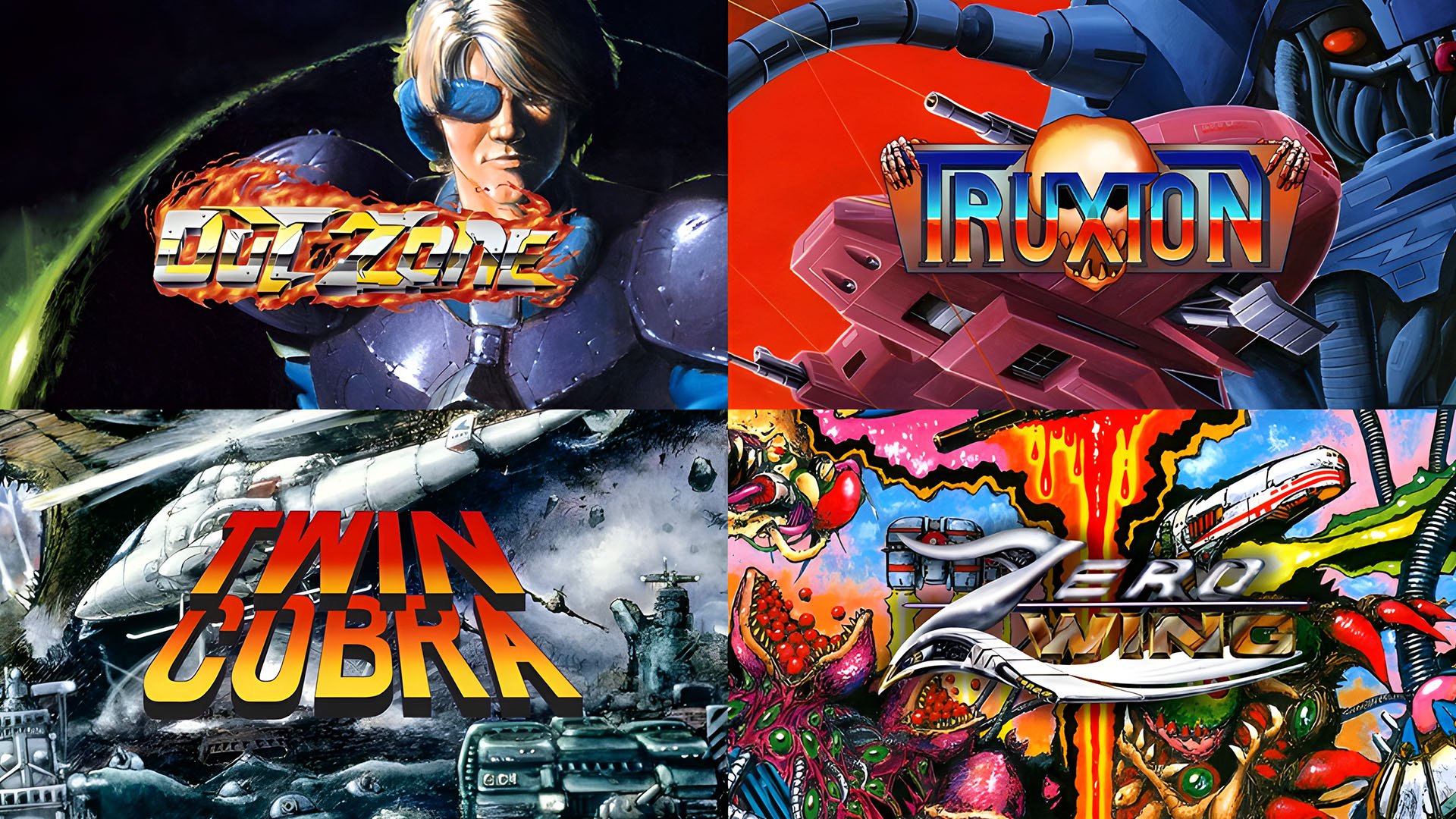
Highlights
- Precise Gameplay Mechanics: Tight controls, responsive movement, and well-telegraphed enemy patterns.
- Distinctive Visual & Audio Style: Crisp graphics and immersive, thematic soundtracks enhance the experience.
- Balanced Challenge & Innovation: Incorporating traditional design elements while introducing fresh mechanics keeps both old-school fans and newcomers engaged.
Introduction
Shoot 'em ups, or shmups, have long captivated audiences with their intense action and challenging gameplay. Reviews and overall consensus from both classic titles like R-Type, Gradius, and Salamander, as well as modern innovations from developers such as Treasure, reveal several key elements that not only define a great shmup but also drive the evolution of the genre. In this comprehensive exploration, we discuss the essential aspects that make a great shmup, the specific traits seen in beloved classic shoot 'em ups, the design philosophy behind creating an engaging experience, and how to innovate on the traditional formula without losing the essence of what makes these games so universally appreciated.
Core Design Principles of Great Shmups
Gameplay Fundamentals
The cornerstone of any exceptional shmup is smooth, responsive gameplay. A great shmup must offer precise control mechanisms that allow players to navigate intricate patterns of enemy fire and rapidly changing game scenarios. This includes:
Precision and Control
A standout feature is the ability to maneuver with pixel-perfect precision. Controls should be tight and highly responsive, ensuring that the player feels a direct connection with their ship. Reduced inertia and a small hitbox are commonly emphasized in bullet hell shooters to facilitate agile movement around a barrage of bullets.
Enemy and Bullet Pattern Design
Well-designed enemy formations and bullet patterns require players to engage tactically by learning and adapting to each attack layout. The art of bullet-hell design involves clear telegraphing of enemy actions, allowing players to anticipate and plan their dodges effectively. The challenge is always balanced by the clarity of cues on screen, ensuring that the gameplay remains fair yet challenging.
Feedback and Scoring Systems
Immediate, clear visual and audio feedback enhances the gameplay experience. Every shot fired, enemy destroyed, or power-up collected should feel impactful. Moreover, an effective scoring system—with features such as multipliers, chaining, or rewards for close calls—can further enrich the gameplay, encouraging players to master the intricacies of scoring strategies beyond simple survival.
Visual and Audio Design
The aesthetics and soundscapes of shmups play a critical role in crafting an immersive gaming experience. Both classic and modern shmups owe much of their appeal to a carefully curated visual and auditory design.
Graphics and Visual Clarity
Crisp, clear graphics are vital, ensuring that the action is easily discernible among a flurry of bullets and rapidly moving sprites. Classic titles are known for their detailed pixel art, which not only pays homage to the era but also offers visual clarity without clutter. Modern games, while often embracing retro aesthetics, also incorporate enhanced effects such as particle systems and dynamic lighting to heighten the sense of immersion.
Sound and Music
Sound design, including both the musical score and sound effects, complements the visual experience. A memorable, thematic soundtrack can elevate the overall atmosphere, while clear audio cues for actions like enemy destruction, power-up acquisitions, or incoming attacks ensure that the gameplay remains engaging and responsive, reinforcing player actions with satisfying audio feedback.
Challenge and Difficulty
Shmups are revered for their challenging gameplay, and a key component of a great shooter lies in striking an optimal balance between difficulty and fairness. Early levels often serve as a tutorial, gradually ramping up to more complex patterns that test a player’s mastery over the controls and game mechanics.
Difficulty Curves and Learning
It’s essential that the difficulty curve is well-calibrated to provide both novices and veterans a sense of challenge without veering into sheer frustration. Gradually escalating enemy patterns allow players to learn progression while providing rewarding gameplay challenges that build upon previous experiences. Boss battles, inherently multi-phased, push players to analyze and learn complex movement and attack strategies.
Traits of Classic Shmups
Icons of the Genre: R-Type, Gradius, and Salamander
The classic era of shmups has provided us with many timeless experiences, each characterized by unique design philosophies and gameplay mechanics that have influenced generations of games.
R-Type
R-Type is renowned for its challenging level design and meticulous enemy arrangement. Players face a barrage of enemies with highly predictable yet deadly bullet patterns. One of R-Type’s key contributions is its checkpoint system, which forces players to memorize enemy placements and attack sequences in a context where precision and persistence are paramount.
Gradius
Gradius is celebrated for its innovative and linear power-up systems which allow players to strategically enhance their weapons. By collecting power-ups in a specific progression, players can tailor their combat strategy to suit different in-game scenarios. This deeply integrated upgrade system has provided a blueprint for many subsequent shmups.
Salamander
Salamander expands on the foundations set by its predecessors by blending intense action with glimpses of narrative and varied environmental backgrounds. Its thematic flexibility, robust boss battles, and the ability to retain player interest using intricate enemy designs cement its place as a classic of the genre.
Traits of Modern Shmups
Innovations from Developers like Treasure
While classic shmups laid the groundwork for the genre, modern titles from visionary developers such as Treasure have reimagined and refined these principles to create refreshing experiences that still pay homage to the classics.
Innovative Mechanics
Modern shmups introduce novel mechanics that expand on standard gameplay. Notable examples include polarity switching, which adds a strategic layer to bullet dodging by allowing the player to absorb or deflect enemy fire based on the polarity of their ship. These mechanics not only add depth but also challenge players to rethink traditional strategies.
Enhanced Visual and Audio Effects
Developers now utilize modern technological advancements—such as high-definition sprites, dynamic particle effects, and advanced shader techniques—to enhance the nostalgic charm of pixel art. Combined with meticulously designed soundtracks and sound effects, these enhancements amplify the game’s immersive quality while preserving the genre’s signature style.
Replayability and Community Elements
Many modern shmups incorporate features designed to heighten replay value. Online leaderboards, challenging scoring systems, and unlockable content invite players to continuously improve their skills. Additionally, community-driven features, such as shared high scores or even user-generated content, foster a competitive yet supportive environment that keeps the game engaging long after the initial playthrough.
Designing a Great Shmup: Step-by-Step
Establishing the Foundations
The design of a compelling shmup should always start with a robust foundation built on solid gameplay fundamentals. Developers need to prioritize controls and mechanics that ensure the player feels in complete command of their ship. This involves extensive iteration on movement physics, error margins for collisions, and timing for enemy interactions.
Responsive Controls and Movement
Invest significant time in refining the movement system. The ship must respond instantaneously to player inputs, with minimal lag. Key strategies include:
- Implementing pixel-perfect collision detection so that even the smallest misalignment is noticeable.
- Designing a small, precise hitbox to ensure that a high number of bullets can densely populate the screen without compromising fairness.
- Calibrating the game’s physics to balance speed, acceleration, and deceleration for optimum gameplay.
Level and Enemy Design
Craft levels that serve not only as a series of challenges but also as tutorials that gradually immerse the player in the game’s mechanics. Effective enemy design involves:
- Creating varied enemy formations that challenge the player without causing immediate overwhelm.
- Implementing distinct bullet patterns that require memorization and adaptation.
- Designing memorable boss battles with multiple phases that introduce new challenges and test the player’s understanding of the game’s mechanics.
Implementing Weapon and Power-Up Systems
A dynamic power-up and weapon system is essential for adding depth and excitement to a shmup. This system should:
Diverse Weapon Types
Incorporate a range of weapon types—such as spread shots, precision lasers, and homing projectiles—each with unique attributes that reward different play styles. A diverse arsenal not only enhances gameplay but also allows players to experiment and find a combination that suits their strengths.
Meaningful Pickups
Design pickups that alter gameplay significantly. Players should feel a notable difference when acquiring a new weapon type or an upgrade. The pickups should be strategically placed within levels to reward exploration and mastery.
Crafting Visual and Audio Cohesion
By ensuring that the art and sound design serve the gameplay, developers can create an immersive environment that captivates players from the moment they start playing.
Visual Clarity and Aesthetics
A well-designed shmup should balance elaborate backgrounds with the need for clarity in fast-paced action. By optimizing contrast between bullets, enemies, and the background, designers maintain the player’s focus on gameplay while still offering a visually stunning experience.
Memorable Audio Design
Use a thematic soundtrack that matches the game’s tempo and mood, along with distinct sound effects for actions such as firing weapons, collecting power-ups, and enemy destruction. Together, these audio elements form an integral part of the feedback loop that keeps players engaged.
Balancing Challenge and Accessibility
An effective shmup must provide a steep yet fair learning curve. Develop systems that help players grow into the game:
Difficulty Curve Implementation
Gradually scale the challenge by introducing new enemy types and attack patterns over time. Initial levels should be designed as learning modules, while later stages test the player's mastery and adaptability. Incorporate elements like check points and gradual enemy pattern introductions to support player learning.
Replayability Features
High replay value is vital. Integrate multiple difficulty settings, hidden paths, unlockable content, and online leaderboards to encourage players to refine their skills and compete with others.
Innovating on the Shmup Formula
Balancing Tradition with Innovation
While the fundamentals of shmups have remained largely consistent, innovations in recent decades have pushed the genre’s boundaries without sacrificing its “shmupness.” Here are a few strategies for introducing fresh elements:
Incorporating New Mechanics
Break away from standard conventions by integrating mechanics that add depth to gameplay. For example, polarity switching allows players to change their ship’s defensive and offensive capabilities on the fly. Other ideas include adaptive enemy behavior that evolves in response to player tactics, ensuring a continuously challenged experience.
Dynamic Environments & Adaptive Difficulty
Experiment with dynamic stage designs and environments that react to player performance. Implementing adaptivedifficulty systems allows the game to fine-tune challenges in real time based on how the player is performing, ensuring that both newcomers and seasoned players remain appropriately engaged.
Blending Narrative with Action
Although storytelling is not always central to shmups, a subtle narrative can enhance the player’s connection to the game world. By interweaving thematic elements or light storytelling, you can enrich the player experience and offer context to the relentless gameplay.
Leveraging Modern Technology
The integration of modern technology has provided developers with a host of tools that can elevate the classic shmup formula:
Modern Graphics and Visual Effects
Use advanced shaders, particle effects, and high-resolution sprites without losing the retro appeal. The challenge lies in enhancing visuals to provide depth and atmosphere without distracting from the core gameplay.
Online Integration and Community Features
With the rise of online and community-driven gaming, adding features such as leaderboards, multiplayer modes, and player challenges can breathe new life into the genre. These elements not only foster competition but also create a sense of community that can extend the lifespan of a shmup.
Key Comparative Summary
Below is a table summarizing the core aspects and innovations across classic and modern shmups:
| Aspect | Classic Shmups | Modern Shmups |
|---|---|---|
| Controls | Tight, responsive, pixel-perfect | Expanded precision with modern input handling |
| Enemy Patterns | Predictable yet challenging, memorization-based | Adaptive, diverse bullet patterns with innovation |
| Power-Ups | Linear systems and strategic upgrades | Dynamic pickups with strategic depth and customization |
| Boss Battles | Memorable multi-phase encounters | Enhanced AI-driven and multi-mechanic encounters |
| Visual Style | Classic pixel art and simple backgrounds | High-definition sprites with modern effects |
| Audio Design | Iconic, catchy themes with clear sound cues | Immersive soundscapes with enhanced audio processing |
| Replayability | High difficulty with rewarding mastery | Online leaderboards and adaptive challenges |
Conclusion
In summary, what makes a great shmup is a delicate balance between its timeless core elements and innovative modern enhancements. Whether analyzing classics like R-Type, Gradius, and Salamander or exploring modern reinterpretations from developers like Treasure, one notices a consistent emphasis on precision controls, well-designed enemy patterns, and the critical role of visual and audio cues.
A great shmup is built upon a solid foundation of tight gameplay mechanics, ensuring that every movement and action feels purposeful and impactful. By leveraging a combination of responsive control schemes, meticulously designed enemy layouts, and adaptive difficulty curves, designers can create experiences that are both challenging and rewarding.
Furthermore, visual clarity paired with an atmospheric and fitting soundtrack helps immerse players in the game world, leaving a lasting impression. Modern innovations such as polarity switching, dynamic enemy behavior, and adaptive stage designs not only modernize the experience but also extend the replay value of these games.
Ultimately, designing a great shmup involves a comprehensive understanding of both the principles that have defined the genre for decades and the innovative ideas that can push its boundaries into new territories. Fusing classic elements with fresh mechanics, while always placing precision and player engagement at the forefront, is essential to creating a shmup that appeals to loyal genre enthusiasts as well as to new players discovering this exciting and challenging form of gameplay.
References
- Designing smart, meaningful SHMUPs - Game Developer
- The Anatomy of a Shmup - Game Developer
- What makes a shmup good? : r/gamedesign - Reddit
-
Boghog's bullet hell shmup 101 - Shmups Wiki
- Innovations in shmups discussion - Reddit
- Shmup Design - Game Design and Theory - GameDev.net
- A list of shmup gameplay innovations & firsts
Recommended
Last updated February 20, 2025