
Beyond the Mask: Unveiling the Profound Narrative Layers of Spider-Man 2 (2004)
Discover why this acclaimed sequel transcends typical superhero fare with its rich character arcs and complex themes.
Sam Raimi's Spider-Man 2 (2004) is often lauded not just as a great superhero film, but as a great film, period. A significant reason for this acclaim is its plot, which masterfully sidesteps shallowness by weaving together intricate character studies, resonant themes, and compelling human drama. Let's delve into the valid reasons why its narrative is considered remarkably deep and multifaceted.
Essential Insights: Why the Plot Resonates Deeply
- Profound Internal Conflict: The film meticulously explores Peter Parker's intense struggle to balance his personal life, desires, and the overwhelming responsibilities of being Spider-Man, leading to a significant identity crisis.
- A Multi-Dimensional Antagonist: Doctor Otto Octavius is portrayed not as a simple villain, but as a tragic figure whose noble ambitions are corrupted, making him a complex and sympathetic character.
- Rich Thematic Exploration: Spider-Man 2 delves into universal themes such as sacrifice, the nature of heroism, the burden of choice, identity, and the consequences of power, offering substantial food for thought.
The Man Behind the Mask: Peter Parker's Existential Turmoil
Navigating a Labyrinth of Personal Sacrifice
At its core, Spider-Man 2 is a profound character study of Peter Parker. The plot's depth stems significantly from its unwavering focus on his internal battles. He is depicted as a young man buckling under the immense pressure of his dual existence. His life as a college student, a friend, and a nephew is constantly undermined by his duties as Spider-Man. This isn't just a backdrop; it's the central conflict.
The Weight of Responsibility
Peter's academic performance suffers, he struggles financially, and his relationships with Mary Jane Watson and Harry Osborn become increasingly strained. The film vividly portrays his exhaustion, his guilt over Uncle Ben's death, and his yearning for a normal life. This leads to a pivotal moment where his powers begin to fail him, a physical manifestation of his psychological turmoil and subconscious desire to escape his heroic burden. His decision to temporarily abandon the Spider-Man persona is a powerful exploration of burnout and the human need for self-preservation, even for a superhero.
The Price of Normalcy
When Peter gives up being Spider-Man, the film doesn't just skip to the next action sequence. It explores the consequences: a temporary uplift in his personal life juxtaposed with a rise in crime, forcing him (and the audience) to confront the indispensability of his alter ego. This narrative arc provides a mature examination of identity – is he Peter Parker first, or Spider-Man? The film suggests that the two are inextricably linked, and true fulfillment comes from accepting all facets of oneself.
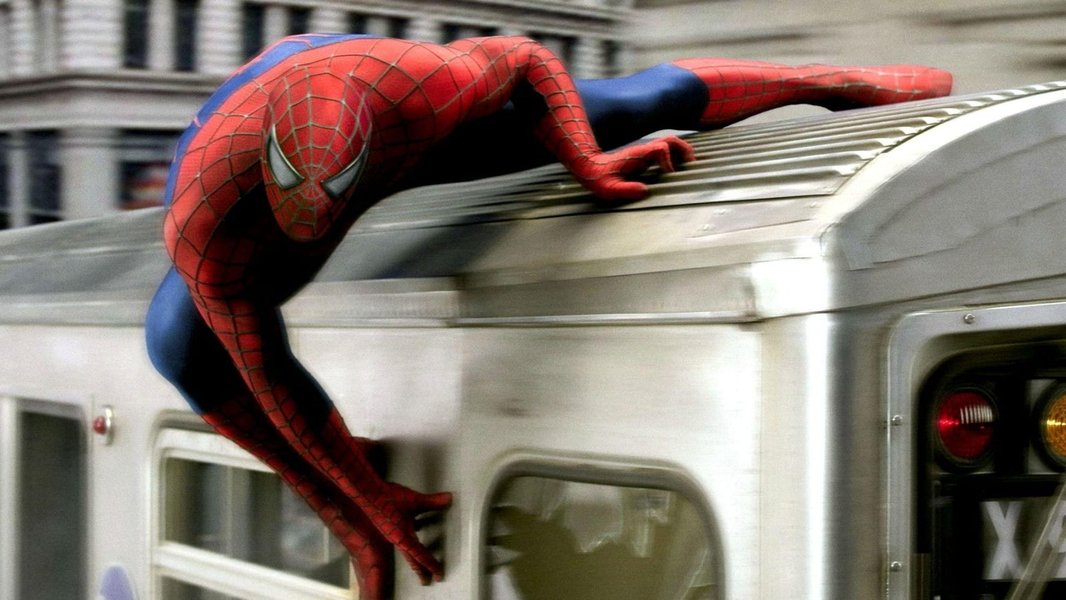
The iconic train scene, a testament to Peter's sacrifice and the public's recognition of his heroism.
A Villain Forged in Tragedy: The Complexity of Doctor Octopus
More Than Just Tentacles: A Study in Ambition and Loss
Spider-Man 2 avoids the pitfall of a one-dimensional villain. Dr. Otto Octavius, portrayed by Alfred Molina, is one of cinema's most compelling antagonists precisely because his journey is steeped in tragedy and relatability. Initially a brilliant and well-intentioned scientist, driven by a desire to provide the world with a new energy source, his transformation into Doc Ock is a catastrophic fall from grace.
From Mentor to Menace
The film establishes Octavius as a mentor figure to Peter, sharing his passion for science. His experiment, funded by Oscorp, goes horrifically wrong, leading to his wife's death and the fusion of his sentient mechanical arms to his spine. These arms, equipped with artificial intelligence, begin to corrupt his noble intentions, preying on his grief and ambition to rebuild his machine at any cost. This internal struggle between the man and the machine adds a layer of psychological depth rarely seen in superhero antagonists.
A Path to Redemption?
Doc Ock's motivations, while leading to destructive actions, stem from a place of initial good. He isn't inherently evil; he's a man broken by loss and manipulated by his own creation. The film grants him moments of clarity where his former self shines through, culminating in a powerful redemption arc. In the climax, he ultimately sacrifices himself to destroy his unstable experiment, regaining control and saving the city. This nuanced portrayal elevates him beyond a mere foil for the hero, making him a mirror reflecting themes of control, obsession, and the potential for redemption.
Thematic Resonance: Exploring Universal Truths
The enduring appeal of Spider-Man 2's plot lies in its sophisticated exploration of universal themes that resonate with audiences on a deeply personal level.
The following mindmap illustrates the interconnected thematic and narrative elements that contribute to the plot's richness in Spider-Man 2 (2004). It showcases how Peter Parker's personal journey, the complexities of Doctor Octopus, the core themes, and the significant interpersonal dynamics all weave together to create a deeply layered story.
(Hero vs. Personal Life)"] id1b["Loss of Powers
(Existential Crisis)"] id1c["Sacrifice & Responsibility"] id1d["Desire for Normalcy"] id2["Dr. Otto Octavius (Doc Ock)"] id2a["Tragic Backstory
(Loss of Wife & Dream)"] id2b["Sympathetic Motivations
(Initial Good Intentions)"] id2c["Influence of AI Tentacles
(Loss of Control)"] id2d["Path to Redemption
(Final Sacrifice)"] id3["Core Themes Explored"] id3a["Identity & Choice
('Who am I?')"] id3b["The Burden of Power
('With great power...')"] id3c["Love, Loss & Sacrifice"] id3d["Failure & Redemption"] id3e["Control vs. Chaos"] id4["Interpersonal Dynamics"] id4a["Mary Jane Watson
(Complicated Romance, Understanding)"] id4b["Harry Osborn
(Friendship, Grief & Vendetta)"] id4c["Aunt May
(Moral Compass, Wisdom & Support)"] id5["Narrative Elements Contributing to Depth"] id5a["Realistic Portrayal of Everyday Struggles"] id5b["Consequences of Spider-Man's Absence"] id5c["High Emotional Stakes"] id5d["Character Development Over Spectacle"]
The Interplay of Power, Choice, and Sacrifice
The famous mantra, "With great power comes great responsibility," is not just a tagline but the philosophical bedrock of the film. Peter’s journey is a continuous negotiation of this principle. The plot explores what it truly means to make choices when burdened with extraordinary abilities and the immense sacrifices that often accompany heroic deeds. Aunt May’s poignant speech about heroism and sacrifice reinforces this, emphasizing that heroes can be ordinary people who persevere despite adversity.
Identity and the Human Cost
The film delves into the nature of identity: Is Peter defined by the mask, or does the man define the hero? His temporary abandonment of the Spider-Man persona and subsequent return highlight that true identity is an integration of all aspects of oneself. Furthermore, the narrative doesn't shy away from the human cost of being a hero—strained relationships, personal dreams deferred, and the constant threat to loved ones.
Grounded in Reality: The Human Element
Relatable Struggles Amidst Superheroics
What elevates Spider-Man 2 beyond typical superhero fare is its commitment to grounding its extraordinary events in relatable human experiences and emotional authenticity.
Everyday Challenges Magnified
Peter's struggles are not just about fighting supervillains. He faces everyday problems: paying rent, keeping a job (as a pizza delivery boy and a freelance photographer for the Daily Bugle), and passing his college courses. These mundane challenges, amplified by his superhero life, make him an incredibly relatable character. His financial woes and academic struggles are depicted with a sincerity that resonates with anyone who has faced similar pressures.
The Fabric of Relationships
The plot intricately weaves Peter's personal relationships into his heroic arc. His evolving, complicated love for Mary Jane, who is moving on with her life and engaged to someone else, provides significant emotional stakes. His friendship with Harry Osborn, now consumed by a vendetta against Spider-Man for his father's death, adds another layer of conflict and tragedy. His bond with Aunt May serves as his moral anchor, providing wisdom and support. These relationships are not subplots but integral to Peter's development and the overall narrative depth.
This chart visualizes the high degree of narrative depth across various elements of Spider-Man 2, highlighting its strengths in character development, thematic exploration, and emotional impact.
Narrative Craftsmanship and Impact
A Well-Structured and Emotionally Potent Story
The plot of Spider-Man 2 is not just thematically rich but also structurally sound. It masterfully balances character development, action, and emotional beats. The pacing allows for quiet, introspective moments that build character depth, rather than rushing from one spectacle to another. Subplots, such as Harry's growing obsession and Doc Ock's scientific ambitions, are skillfully interwoven with Peter's central conflict, creating a cohesive and compelling narrative tapestry. This careful construction ensures that the emotional stakes are always high and that the hero's journey is both engaging and meaningful.
This in-depth film review offers further analysis on the nuanced storytelling and character arcs that define Spider-Man 2 (2004).
Comparative Complexity: Peter Parker vs. Doctor Octopus
The depth of Spider-Man 2 is further highlighted by the parallel, yet contrasting, internal and external struggles faced by its protagonist and antagonist. The following table provides a brief comparison:
| Aspect of Struggle | Peter Parker (Spider-Man) | Dr. Otto Octavius (Doctor Octopus) |
|---|---|---|
| Core Motivation | Desire for a normal life vs. sense of responsibility to use powers for good. | Initial desire to benefit humanity with fusion power; later, obsession to complete his experiment at any cost. |
| Internal Conflict | Identity crisis: Peter Parker vs. Spider-Man; guilt over personal sacrifices and impact on loved ones. | Struggle against the influence of his sentient mechanical arms; grief over his wife's death clouding his judgment. |
| Relationship with Power | Sees powers as a burden and a gift; struggles with controlling them and their consequences. | Initially in control of his invention; later, controlled by it, showcasing the corrupting nature of unchecked ambition. |
| Impact of Loss | Haunted by Uncle Ben's death, which fuels his responsibility. Fears losing more loved ones. | Devastated by the loss of his wife, Rosalie, which fuels his desperation and recklessness. |
| Path to Resolution | Accepts his dual identity and responsibility, finding strength in his choices and relationships. | Achieves a form of redemption by sacrificing himself to destroy his dangerous creation, regaining his humanity. |
This comparison underscores how both characters are driven by complex motivations and face profound internal battles, moving far beyond simple hero-villain dynamics and contributing significantly to the film's narrative richness.
Frequently Asked Questions (FAQ)
What makes Doctor Octopus such a compelling villain in Spider-Man 2?
Doctor Octopus is compelling because he's not a caricature of evil. He begins as Dr. Otto Octavius, a brilliant and sympathetic scientist with noble goals. His transformation into a villain is tragic, stemming from a failed experiment, the death of his wife, and the insidious influence of his sentient mechanical arms. This provides him with understandable, albeit corrupted, motivations and an internal struggle, making him a layered and emotionally resonant antagonist rather than a purely malevolent force. His arc even includes a moment of redemption.
How does Peter Parker's personal life contribute to the plot's depth?
Peter Parker's personal life is central to the plot's depth. His struggles with finances, academics, and maintaining relationships (with Mary Jane, Harry, and Aunt May) are not side stories but are deeply intertwined with his role as Spider-Man. These everyday challenges humanize him, making his sacrifices and dilemmas more relatable. The film explores the realistic toll his superhero responsibilities take on his personal happiness and well-being, leading to his profound identity crisis and decision to temporarily quit being Spider-Man. This focus on the "man" behind the mask adds significant emotional weight and complexity.
Is Spider-Man 2 (2004) considered one of the best superhero movies?
Yes, Spider-Man 2 (2004) is widely regarded by critics and audiences alike as one of the best superhero movies ever made. Its critical acclaim often cites its strong character development, emotionally resonant storyline, complex villain, impressive action sequences, and masterful blending of humor, pathos, and heroism. It set a high bar for the genre by prioritizing character and theme alongside spectacle.
What are the central themes explored in Spider-Man 2?
Spider-Man 2 explores several central themes, including:
- Responsibility: The weight and implications of "with great power comes great responsibility."
- Identity: Peter's struggle to reconcile his personal identity with his superhero persona.
- Sacrifice: The personal costs and sacrifices required for heroism and for the greater good.
- Choice: The difficult choices characters face and their far-reaching consequences.
- Love and Loss: The impact of love and loss on characters' motivations and actions.
- Redemption: The possibility of finding redemption even after making grave mistakes, as seen with Doctor Octopus.
- Control: The struggle for control over one's powers, ambitions, and life circumstances.
Recommended Further Exploration
- Explore the psychological impact of being a superhero as depicted in Spider-Man 2.
- Analyze the symbolic meaning of Peter Parker losing his powers in Spider-Man 2.
- Compare Doctor Octopus in Spider-Man 2 with other complex cinematic villains.
- Investigate how Sam Raimi's directorial style contributed to the success of Spider-Man 2.
References
 elvingsmusings.wordpress.com
Last updated May 6, 2025