
Unmasking the Ink: Which Comic Book Classics Forged Spider-Man 2 (2004)?
Discover the legendary Marvel storylines and character arcs that Sam Raimi masterfully wove into his acclaimed superhero sequel.
Sam Raimi's Spider-Man 2 (2004) is widely regarded as a pinnacle of superhero cinema, celebrated for its emotional depth, compelling villain, and thrilling action. The film's rich narrative wasn't spun from thin air; rather, it drew heavily from decades of Spider-Man comic book lore, artfully blending iconic storylines and character elements. This exploration delves into the primary comic book inspirations that provided the blueprint for this cinematic masterpiece.
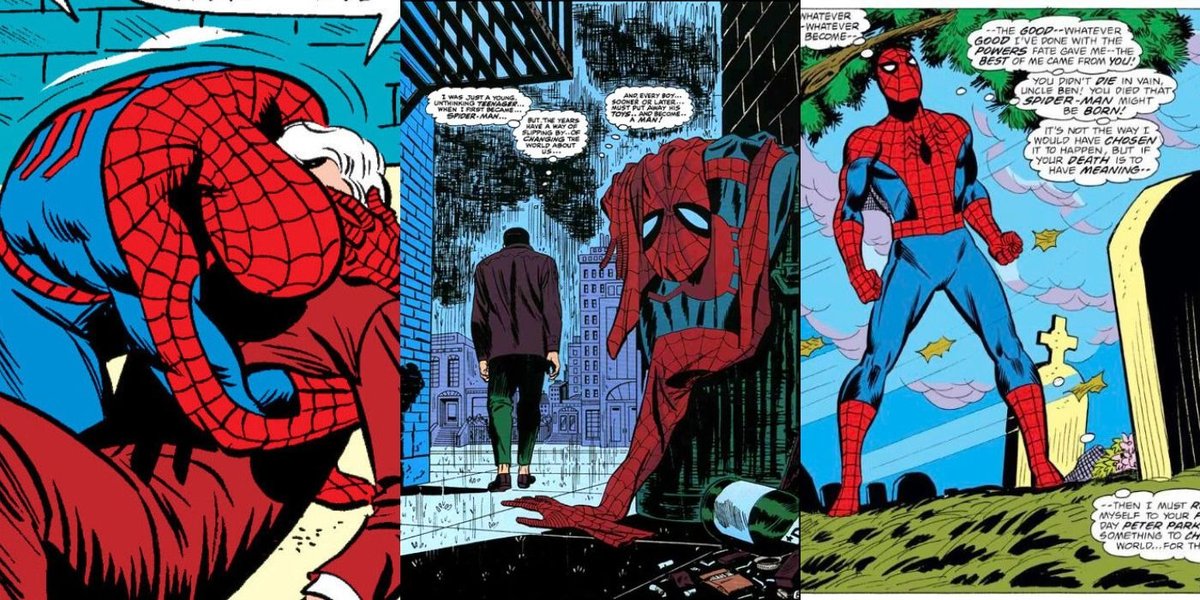
A collage showcasing various iconic Spider-Man comic book panels, reflecting the rich history the film drew upon.
Key Highlights: The Foundational Pillars of Spider-Man 2
- "Spider-Man No More!" (*Amazing Spider-Man* #50) was a cornerstone, shaping Peter Parker's profound internal conflict and his momentous decision to temporarily abandon his superhero persona due to overwhelming personal and emotional burdens.
- Classic Silver Age encounters with Doctor Octopus, particularly his debut in *Amazing Spider-Man* #3 and later dramatic confrontations like "The Final Battle" in *Peter Parker, The Spectacular Spider-Man* #79, heavily influenced the villain's complex portrayal and pivotal action sequences, including the unforgettable train fight.
- The *Ultimate Spider-Man* comic series by Brian Michael Bendis and Mark Bagley provided a contemporary lens, impacting character dynamics, the overall modern feel of the film, and offering nuanced takes on characters like Doctor Octopus.
The Heart of the Struggle: "Spider-Man No More!"
When the Weight of the World Becomes Too Much
Perhaps the most significant single comic book influence on Spider-Man 2 is the seminal storyline "Spider-Man No More!" from The Amazing Spider-Man #50 (July 1967), by Stan Lee and John Romita Sr. In this iconic issue, Peter Parker, overwhelmed by the constant sacrifices, lack of appreciation, and the negative impact his double life has on his personal relationships and academic pursuits, decides to give up being Spider-Man. He famously discards his costume in a garbage can, a powerful visual metaphor for his despair.
The film masterfully adapts this core emotional crisis. Peter (Tobey Maguire) finds himself increasingly unable to balance his responsibilities as Spider-Man with his personal life. His powers begin to fail him, a psychosomatic manifestation of his internal conflict and waning desire to continue his heroic crusade. The movie explores his attempts to live a normal life, his relief, and eventual realization that with great power, there must indeed come great responsibility, compelling him to reclaim the mantle. While the comic's Peter is largely driven by public opinion and personal hardship, the film emphasizes his inner turmoil and the direct impact on his loved ones, particularly Mary Jane Watson and Aunt May.
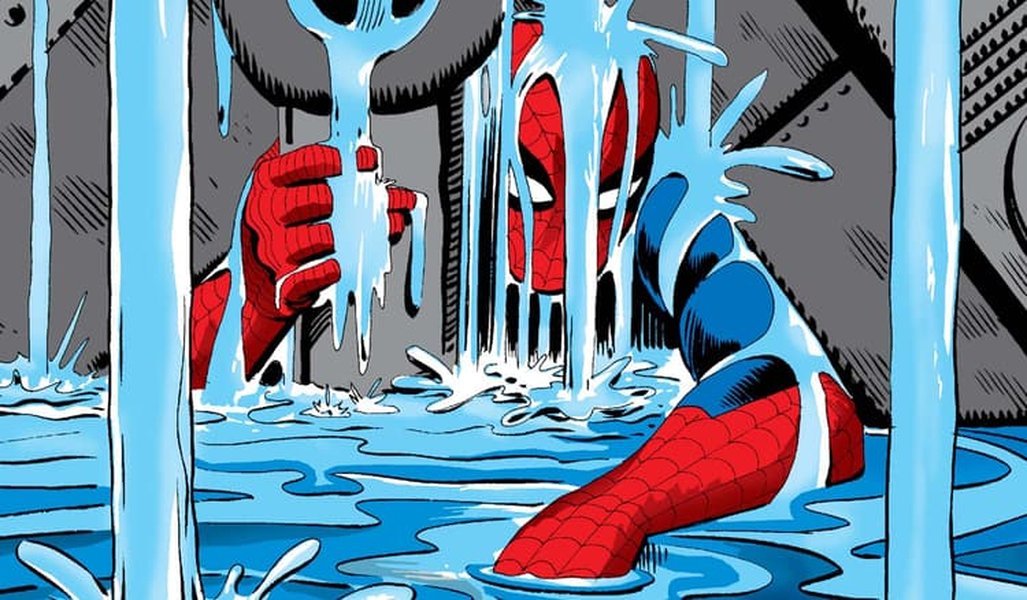
Cover of *The Amazing Spider-Man* #33, depicting Spider-Man trapped beneath heavy machinery. This iconic Steve Ditko cover visually represents Peter Parker's immense struggles and determination, a theme central to "Spider-Man No More!" and the film.
The Tentacled Menace: Doctor Octopus's Comic Origins and Evolution
From Brilliant Scientist to Tragic Villain
Doctor Otto Octavius, the film's tragic antagonist, draws heavily from his comic book counterpart, first introduced in The Amazing Spider-Man #3 (July 1963) by Stan Lee and Steve Ditko. In the comics, Dr. Octavius is a brilliant, respected nuclear physicist who, after a laboratory accident grafts a set of highly advanced mechanical arms to his body and nervous system, turns to a life of crime. The film retains this core origin, portraying Dr. Otto Octavius (Alfred Molina) as a gifted scientist and Peter Parker's idol, whose ambitious fusion power experiment goes catastrophically wrong, leading to the death of his wife Rosie and the fusion of his mechanical tentacles to his spine. The inhibitor chip meant to control the arms' AI is destroyed, allowing their malevolent influence to corrupt him.
The First Encounter and Characterization
The film's initial depiction of Doc Ock as a formidable and intelligent foe echoes his early comic appearances. The idea of a mentor figure turning into an enemy is a classic trope that the film utilizes effectively, reflecting some of the complex relationships Spider-Man has with his scientist-villains in the comics. The search results point to *Amazing Spider-Man* Vol 1 #3 as featuring the first fight where Doc Ock restrains Peter in a manner echoed in the film.
The Definitive Showdown: "The Final Battle"
A crucial inspiration for the film's action, particularly the breathtaking elevated train sequence, is "The Final Battle" from Peter Parker, The Spectacular Spider-Man #79 (June 1983) by Bill Mantlo, Al Milgrom, and Jim Mooney. This issue features an intense, no-holds-barred confrontation between Spider-Man and Doctor Octopus, parts of which take place on a moving train. The raw emotion and high stakes of this comic battle are mirrored in the film's celebrated train fight, where an unmasked and exhausted Spider-Man saves the passengers at great personal cost.
The Silver Age Foundation: Echoes of Lee, Ditko, and Romita Sr.
Capturing the Essence of Classic Spider-Man
Beyond specific storylines, Spider-Man 2 is deeply imbued with the spirit and themes of the Silver Age Spider-Man comics of the 1960s, primarily helmed by Stan Lee, Steve Ditko, and later John Romita Sr. This era established Peter Parker's defining characteristics: the relatable everyman struggling with financial woes, romantic troubles, and the immense burden of his powers. The film captures this tone beautifully.
- Peter's Personal Struggles: The film's depiction of Peter losing his job, struggling with college, and his powers failing him due to stress are all elements frequently explored in Silver Age comics. For instance, there were storylines where Peter's powers would temporarily fade, sometimes attributed to illness (like the flu) or psychological stress, reflecting his human vulnerability.
- The "Great Responsibility" Theme: The core tenet of Spider-Man's existence, "With great power comes great responsibility," is a recurring motif, heavily emphasized by Aunt May and serving as Peter's moral compass.
- Relationships: The complexities of Peter's relationships with Mary Jane Watson, Harry Osborn, and Aunt May are central to the film, echoing their long-standing dynamics in the comics.
A Modern Spin: The Influence of *Ultimate Spider-Man*
Reinterpreting Classics for a New Generation
While rooted in Silver Age tradition, Spider-Man 2 also incorporated elements and sensibilities from the then-contemporary *Ultimate Spider-Man* series, launched in 2000 by writer Brian Michael Bendis and artist Mark Bagley. This popular series reimagined Spider-Man's origins and early adventures for a modern audience.
The *Ultimate* line's influence can be seen in:
- Character Dynamics: Some character portrayals, including aspects of Doctor Octopus's personality (perhaps a more direct connection to Oscorp in some interpretations, though the film makes him an independent scientist funded by Harry), carry a more modern, psychologically nuanced feel reminiscent of the *Ultimate* comics.
- Contemporary Tone: The overall updated aesthetic and the way Peter's struggles are presented resonate with the *Ultimate* universe's approach to making classic characters relatable to early 21st-century readers. The official comic adaptation of the movie itself, *Spider-Man 2: The Official Comic Adaptation*, notably included content from *Ultimate Spider-Man* #14-15, underscoring this connection.
Visualizing the Comic DNA in Spider-Man 2 (2004)
A Charted Perspective on Inspiration Levels
The following radar chart offers an opinionated visualization of the perceived influence levels various comic book aspects had on shaping the narrative, character arcs, and thematic depth of the 2004 film. It highlights how different comic elements contributed to the film's various facets, from its emotional core to its action-packed sequences.
Subplots and Supporting Arcs: Weaving a Cohesive Narrative
The "Owl/Octopus War" and Other Influences
While major storylines provided the backbone, elements from other, perhaps less singularly famous, comic arcs also found their way into the film's rich tapestry. Some sources suggest that aspects of storylines like "The Owl/Octopus War" (which played out across various Spider-Man titles and involved conflicts and alliances between villains) might have influenced subplots such as Doctor Octopus's tritium fusion experiment and his interactions with Harry Osborn, particularly regarding funding and resources for his project. These threads help to ground the fantastical elements of the story in a world of scientific ambition and corporate maneuvering, reflecting themes often present in Spider-Man comics where villains' schemes have broader societal or economic implications.
Deep Dive: Comic Origins of Spider-Man 2 (2004)
Visualizing the Connection
This video further explores the comic book inspirations behind Sam Raimi's Spider-Man 2, offering a visual journey through the panels and pages that influenced the film. It provides valuable context and comparisons, illustrating how specific moments, character designs, and thematic undertones from the comics were translated to the cinematic medium, enriching the audience's understanding of the filmmakers' deep engagement with the source material.
Mapping the Multiverse of Inspiration: Spider-Man 2 (2004)
A Visual Web of Comic Influences
This mindmap visually outlines the primary comic book sources and the specific elements from each that contributed to the creation of Spider-Man 2. It showcases the interconnected web of ideas, from major plotlines to nuanced character traits, that Sam Raimi and his team drew upon to craft their acclaimed sequel.
Comic Inspirations"] id1["Amazing Spider-Man #50
(Spider-Man No More!)"] id1a["Peter Parker quits as Spider-Man"] id1b["Internal conflict & burnout theme"] id1c["Thematic loss of powers"] id1d["Iconic imagery (costume in trash)"] id2["Silver Age Comics
(Lee/Ditko/Romita Sr.)"] id2a["Overall Tone & Setting"] id2b["Peter's everyday struggles
(financial, personal)"] id2c["'Great Responsibility' theme"] id2d["Doctor Octopus's debut
(Amazing Spider-Man #3)"] id2e["Characterization of Doc Ock
(brilliant but flawed scientist)"] id2f["Peter losing powers (stress/illness)"] id3["Peter Parker, The Spectacular Spider-Man #79
('The Final Battle')"] id3a["Inspiration for train fight sequence"] id3b["Intense Spider-Man vs. Doc Ock confrontation"] id4["Ultimate Spider-Man
(Bendis/Bagley)"] id4a["Modernized narrative feel"] id4b["Contemporary character dynamics"] id4c["Nuances in Doc Ock's personality"] id4d["Influence on visual style"] id5["Other Storylines/Elements"] id5a["'The Owl/Octopus War'
(Potential influence on tritium subplot,
Harry Osborn's involvement with Ock)"]
Key Comic Inspirations and Their Cinematic Reflections
A Tabular Overview
The table below summarizes the pivotal comic book storylines and issues that provided foundational material for Spider-Man 2 (2004), highlighting the specific elements adapted for the film. This offers a quick reference to the source material that shaped one of superhero cinema's most beloved entries.
| Comic Series/Storyline | Key Issue(s)/Era | Influence on Spider-Man 2 (2004) |
|---|---|---|
| The Amazing Spider-Man, "Spider-Man No More!" | #50 (1967) | Peter Parker's decision to give up being Spider-Man, themes of burnout and personal sacrifice, temporary loss of powers due to psychological stress, iconic imagery of discarded suit. |
| Silver Age The Amazing Spider-Man | Early issues by Stan Lee & Steve Ditko (e.g., #3 for Doc Ock's debut) | Doctor Octopus's origin as a brilliant scientist turned villain, their initial confrontations, Peter's classic struggles balancing his dual life, financial hardships, and the overarching theme of responsibility. |
| Peter Parker, The Spectacular Spider-Man | #79 (1983) - "The Final Battle" | Significant inspiration for the dramatic elevated train fight sequence, the intensity of Spider-Man's clashes with Doctor Octopus, and the villain's relentless pursuit. |
| Ultimate Spider-Man | Early 2000s series by Bendis & Bagley | Provided a modernized tone and aesthetic, influenced contemporary character interactions, and potentially offered nuances to Doctor Octopus's characterization (e.g., his motivations and tragic fall). |
| Various storylines (e.g., "The Owl/Octopus War") | General Silver/Bronze Age plot elements | Potential influence on subplot elements such as the tritium fusion experiment, Doctor Octopus's need for resources, and Harry Osborn's connection to funding Doctor Octopus's research. |
Frequently Asked Questions (FAQ)
Recommended Further Exploration
- Explore the comic book origins of Spider-Man's other cinematic villains.
- How did Stan Lee and Steve Ditko first create Spider-Man and his world?
- What are the most iconic and impactful moments in Spider-Man's comic book history?
- Compare the comic book inspirations across different Spider-Man movie franchises.
References
 elvingsmusings.wordpress.com

Last updated May 8, 2025