
Cultivating Your Own Edible Oasis: A Comprehensive Guide to Vegetable Gardening
From Seed to Harvest: Nurturing a Bountiful Home Vegetable Garden
Key Insights for Aspiring Gardeners
- Start Small and Smart: Beginners should begin with a manageable garden size, perhaps 6x6 feet, focusing on a few easy-to-grow vegetables they enjoy eating. This approach minimizes overwhelm and maximizes early success.
- Sunlight is Non-Negotiable: Most vegetables require at least 6 to 8 hours of direct sunlight daily. Choosing a sunny, well-drained location is paramount for a thriving garden.
- Nurture Your Soil: Healthy soil is the foundation of a productive garden. Amend your soil with organic matter like compost, ensure good drainage, and consider conducting a soil test to understand its specific needs.
Embarking on the journey of growing your own vegetable garden is a deeply rewarding experience, offering fresh, healthy produce, reduced grocery costs, and a fulfilling connection with nature. Whether you have ample backyard space or just a small balcony, vegetable gardening is accessible to everyone. This guide will walk you through the essential steps and provide insights to help you cultivate a flourishing edible oasis.
Laying the Groundwork: Planning Your Vegetable Garden
Thoughtful planning is the cornerstone of a successful vegetable garden. Before you even break ground, consider several crucial factors that will influence your garden's prosperity.
Choosing the Ideal Location
The placement of your garden is perhaps the most critical decision. Vegetables are sun-lovers, and most require a minimum of 6 to 8 hours of direct sunlight daily for optimal growth and fruit production. Observe your yard throughout the day to identify the sunniest spots. A flat, well-drained area is also essential to prevent waterlogging and root rot. If puddles form after rain, consider improving drainage or opting for raised beds.
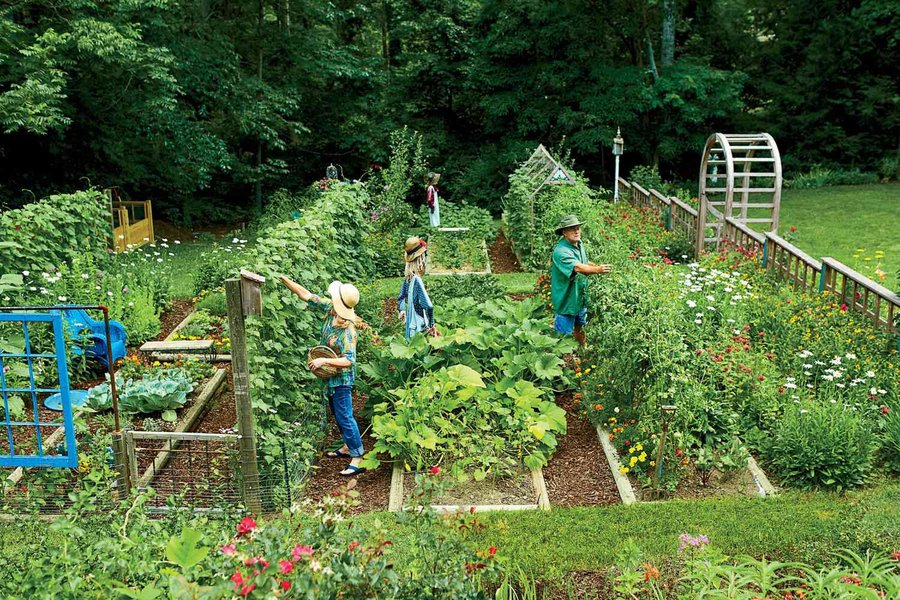
A vibrant vegetable garden benefiting from ample sunlight.
Determining Your Garden Size and Type
For beginners, starting small is highly recommended. A 6x6 foot plot is a good manageable size that allows you to learn the ropes without becoming overwhelmed. You can always expand in future seasons. Consider the type of garden that best suits your space and lifestyle:
- In-ground gardens: Utilize existing soil, which can be enriched over time.
- Raised beds: Offer excellent drainage, better control over soil quality, and can be easier to manage, especially for those with limited mobility. They are also a good option if your existing soil is poor or compacted.
- Container gardening: Perfect for small spaces like balconies or patios. Many vegetables, such as lettuce, spinach, peppers, and even some tomato varieties, thrive in pots.
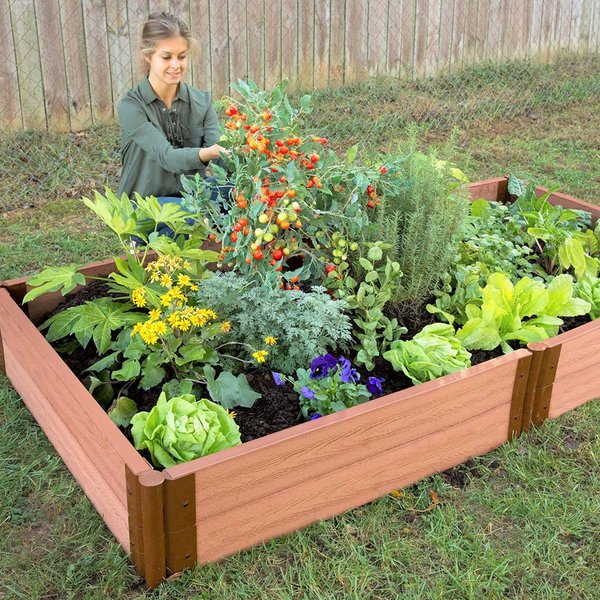
A raised garden bed offering an organized and accessible planting solution.
Choosing Your Crops Wisely
Select vegetables that you and your family enjoy eating. For beginners, it's wise to start with easy-to-grow varieties that are forgiving and offer a good yield. This builds confidence and provides tangible rewards early on. Consider factors like maturity time, space requirements, and whether they prefer cool or warm seasons.
Essential Steps for Starting Your Garden
Soil Preparation: The Foundation of Growth
Healthy soil is living soil. Before planting, thoroughly prepare your garden bed by removing all weeds and digging to loosen the soil. Amend it generously with organic matter such as compost or well-rotted manure. This improves soil structure, drainage, and nutrient content. If your soil is very hard and dry, moisten it before working it to prevent clods.
A soil test can provide valuable information about your soil's pH and nutrient levels, guiding you on specific amendments needed, such as lime, nitrogen, phosphorus, or potassium. "Feed your soil, not your plants" is a common adage among experienced gardeners, highlighting the importance of building rich, healthy soil.
Planting: Seeds vs. Transplants
You have two primary options for starting your vegetables:
- Direct sowing seeds: Many vegetables, especially root crops like carrots and radishes, and legumes like beans and peas, prefer to be sown directly into the garden bed. Ensure the soil temperature is appropriate for germination.
- Transplants (young plants): For plants that require a longer growing season or are sensitive to cold, such as tomatoes, peppers, and broccoli, purchasing young plants from a nursery or starting them indoors from seed can give you a significant head start.
Always refer to seed packets or plant tags for specific planting depths, spacing, and ideal growing conditions. Proper spacing is crucial to prevent overcrowding and ensure adequate air circulation, which helps deter diseases.
Watering and Fertilizing
Consistent watering is vital. Vegetables generally need about 1 inch of water per week, either from rainfall or irrigation. Deep, infrequent watering encourages strong root development. Drip irrigation systems or soaker hoses are excellent for consistent, targeted watering and conserving water. Mulching around your plants helps retain soil moisture, suppress weeds, and regulate soil temperature.
While healthy soil provides many nutrients, supplementing with fertilizer can boost plant growth and yield. Organic fertilizers are a great choice for vegetable gardens, as they feed the soil microbes and slowly release nutrients. Apply granular fertilizer when planting and then as a side dressing as needed, or use a liquid feed with your watering can.
Top Easy-to-Grow Vegetables for Beginners
Choosing the right vegetables can significantly impact a beginner's success and enjoyment. Here's a list of reliable, productive, and relatively low-maintenance options:
| Vegetable | Why it's Easy for Beginners | Tips for Success |
|---|---|---|
| Lettuce & Leafy Greens | Quick growing, tolerant of partial shade, can be harvested repeatedly. | Sow seeds every few weeks for a continuous supply. Good for containers. |
| Radishes | Extremely fast-growing (ready in weeks), requires minimal care. | Direct sow. Harvest promptly to avoid woodiness. |
| Green Beans | High germination rate, prolific producers, relatively pest-resistant. | Bush beans are compact; pole beans need a trellis for vertical growth. |
| Zucchini & Summer Squash | Very productive with minimal effort. | Can quickly take over; plant only a few. Harvest frequently when young. |
| Cucumbers | Easy to grow, especially with support for climbing. | Provide a trellis or fence to save space and keep fruit off the ground. |
| Tomatoes | Most popular home garden vegetable, rewarding flavors. | Start from transplants. Needs full sun, consistent water, and staking/caging. |
| Bell Peppers | Hardy and productive, especially from transplants. | Prefers warm conditions and full sun. Stake if plants become top-heavy. |
| Carrots | Rewarding root crop with sweet flavor. | Requires loose, stone-free soil. Direct sow seeds. |
| Beetroot | Easy to sow directly, quick to harvest, resistant to bolting. | Can use both roots and greens. |
| Peas | Quick germination, fun to grow, good yield. | Requires support like a trellis or netting. |
Understanding Vegetable Growing Characteristics
Different vegetables have varying needs and characteristics that influence their ease of growth. The radar chart below illustrates a comparative overview of some popular beginner-friendly vegetables based on their typical maintenance requirements, growth speed, pest resistance, and space efficiency. These are general observations and can vary with specific varieties and local conditions.
This radar chart provides a visual comparison of how different vegetables stack up across key factors for a beginner gardener. For instance, you can see that Radishes excel in "Growth Speed" and "Space Efficiency" with low "Maintenance," making them ideal for quick wins. Tomatoes, while high in "Yield Potential," demand more "Maintenance" and are less "Pest Resistant" for beginners.
Ongoing Care and Maintenance
A thriving garden requires consistent attention. Here are some ongoing tasks:
- Weeding: Stay on top of weeding to prevent competition for light, water, and nutrients. Mulching helps significantly in suppressing weeds.
- Pest and Disease Management: Regularly monitor your plants for any signs of pests or diseases. Early detection allows for easier management. Consider integrated pest management (IPM) approaches, prioritizing organic and natural solutions.
- Harvesting: Harvest your vegetables as soon as they are ready. Picking frequently encourages more production. Leafy greens can be cut within 2 inches of the ground for multiple harvests, while root crops should be pulled when they reach edible size.
- Succession Planting: For many crops, especially leafy greens and radishes, consider staggering your plantings every few weeks. This ensures a continuous harvest throughout the growing season rather than a single large yield.
Visualizing Your Garden Journey
Starting a vegetable garden is a dynamic process, evolving from planning to harvesting. This video offers an excellent visual guide to the initial stages of setting up your garden, providing practical insights for beginners.
A comprehensive guide to preparing and planting your first vegetable garden.
This video, "A Complete Guide to Digging & Planting Your First Vegetable Garden," is particularly relevant as it covers fundamental aspects from site selection to initial planting, offering visual demonstrations that complement the theoretical knowledge. It helps bridge the gap between understanding concepts and physically implementing them in your garden space, which is invaluable for a novice gardener.
Advanced Tips for Future Success
- Crop Rotation: To maintain soil health and reduce pest and disease issues, rotate your crops each year. Avoid planting the same vegetable in the same spot season after season.
- Companion Planting: Certain plants can benefit each other when grown together. For example, basil can enhance tomato growth, and marigolds can deter pests.
- Record Keeping: Make notes about what worked well and what struggled. This reflection will guide your choices for future growing seasons and help you refine your gardening techniques.
- Local Resources: Consult local nurseries, extension offices, or experienced gardeners in your area. They can provide tailored advice on soil types, climate considerations, and specific plant varieties that thrive in your region.
Frequently Asked Questions (FAQ)
What is the best time of year to start a vegetable garden?
How much space do I need for a vegetable garden?
How often should I water my vegetable garden?
Do I need special tools to start a vegetable garden?
Can I grow vegetables in shady areas?
Recommended Further Exploration
- Explore the benefits and techniques of organic gardening for a healthier harvest.
- Discover how certain plants can help each other thrive in your garden.
- Learn more about setting up and maintaining a productive raised bed garden.
- Identify and manage common garden pests and diseases naturally.
References
Last updated May 21, 2025