
Mauve Plants for the Middle of a Garden Border
Discovering the Ideal Mauve-Hued Plants to Enhance Your Garden's Centerpiece
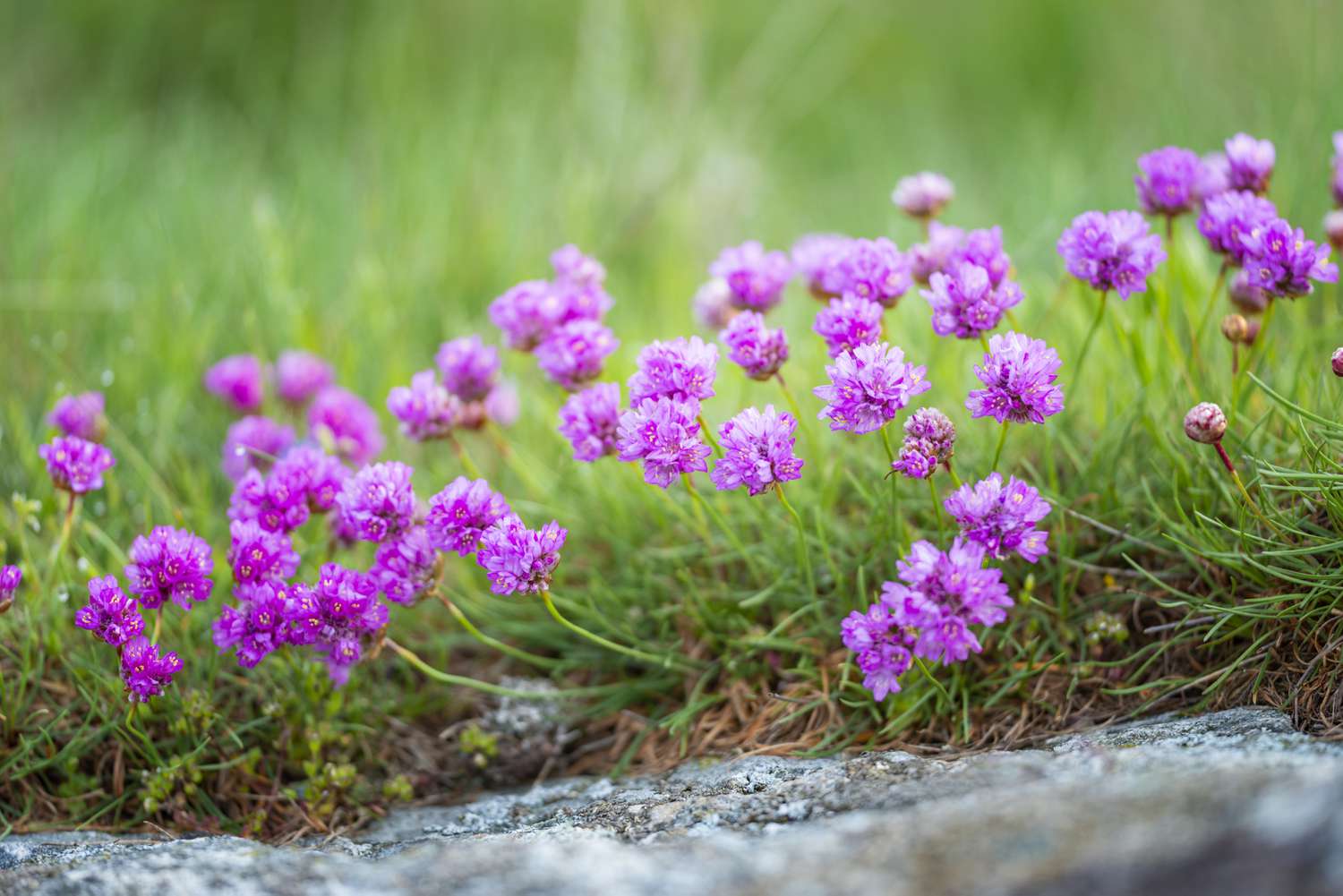
Key Highlights
- Attractive Color and Texture: Mauve plants add subtle yet sophisticated hues alongside complementary foliage textures.
- Diverse Plant Options: Choices range from wallflowers such as Erysimum 'Bowles Mauve' to perennial favorites like Phlox 'Younique Mauve' and others.
- Pollinator Friendly: Many options not only beautify the border but also attract beneficial insects like bees and butterflies.
Overview
Choosing the perfect mauve plant for the middle of your garden border involves combining aesthetic appeal with practical gardening benefits. Mauve, as a color, provides a muted but elegant look that blends subtly with both seasonal blooms and evergreen elements. In a garden border, the middle layer acts as a focal area where colors, textures, and plant heights converge to create both visual interest and harmony.
Here, we explore several cultivars that stand out as excellent choices for the middle border placement, delving into their distinctive characteristics, maintenance requirements, and compatibility with complementary plants. By understanding these details, gardeners can achieve a balance between beauty and functionality in their outdoor spaces.
Plant Options for a Mauve-Colored Border
1. Erysimum 'Bowles Mauve'
Description and Benefits
Erysimum 'Bowles Mauve', a perennial wallflower, is renowned for its abundant and vibrant mauve-purple blooms. This plant typically reaches a height of around 14 to 16 inches with a spread of 16 to 18 inches, making it an ideal candidate for the middle of a border.
Its long flowering season, extending from spring into summer – and in some climates up to autumn – ensures a sustained display of color. Not only is it visually appealing, but it also attracts a variety of pollinators, thanks to its richly nectar-laden blossoms.
Growing Conditions
Erysimum 'Bowles Mauve' thrives in well-drained soil and performs best in full sun or partial shade. It is relatively low-maintenance, making it a perfect addition for borders where ease of care is a priority. Proper watering and occasional fertilization will help maintain its vigor.
2. Phlox paniculata ‘Younique Mauve’
Description and Benefits
Phlox paniculata ‘Younique Mauve’ is a popular perennial that brings a delightful splash of mauve color to garden borders. Typically growing to a similar size as Erysimum, it introduces clusters of fragrant flowers that not only elevate the beauty of the border but also provide a delightful aroma.
The compact growth habit of this phlox makes it particularly suitable for the middle layer, where its rounded form compliments surrounding plants while adding depth to the design.
Growing Conditions
This phlox variety prefers moderately fertile, well-drained soil and full sun to partial shade. Regular watering, particularly during dry spells, will ensure that the plant remains healthy and continues to produce its signature clusters of mauve blooms.
3. Heuchera 'Purple Palace'
Description and Benefits
Although primarily grown for its foliage, Heuchera 'Purple Palace' provides an intriguing twist with its dark, rich leaves that display hints of mauve when catching the light. The contrast between its lush foliage and subtle floral elements can add another layer of sophistication to a garden border.
Growing Conditions
Heucheras thrive in well-drained soils and perform best in locations with partial shade to protect them from extreme sun conditions. They are known for their versatility and can tolerate a range of soil types, making them ideal for filling in gaps and forming a complementary background to flowering plants.
4. Salvia Species
Description and Benefits
Salvia, especially cultivars like Salvia nemorosa, are known for their spikes of mauve to violet flowers that serve as vertical accents in the garden border. These perennials add height and structure, creating layers of interest in the middle of the border.
Growing Conditions
Salvia plants thrive in full sun and well-drained soil. They are relatively hardy and drought-tolerant, making them ideal for gardeners interested in low-maintenance yet visually striking plants. Their presence not only accentuates the color theme but also attracts pollinators like bees and butterflies.
5. Additional Viable Options
Aubrieta
Aubrieta, also known as rock cress, offers mauve variants that are excellent for cascading effects in raised sections of a border. With its creeping habit, it can soften the transitions between different border layers.
Geranium 'Roseanne'
Geranium 'Roseanne' is another robust option known for its mauve-blue flowers. This plant’s sprawling habit works wonderfully as a filler, adding volume and harmonious color transitions within the border.
Veronicastrum ‘Adoration’
For those seeking a taller statement plant, Veronicastrum ‘Adoration’ offers striking, shimmering mauve spikes that can reach up to 1.2 meters. Although more typically used as a dramatic focal point, it can be integrated into the border where vertical accents are desired.
Catmint
While not strictly mauve, Catmint’s purple-blue flowers blend well with mauve tones in a mixed border. This hardy perennial is known for its drought resistance and low maintenance, complementing other plants effectively.
Comparative Table of Mauve Plants for the Middle Border
| Plant Name | Height & Spread | Flower Color | Preferred Sunlight | Notable Features |
|---|---|---|---|---|
| Erysimum 'Bowles Mauve' | 14-16 inches tall, 16-18 inches spread | Mauve-purple | Full Sun / Partial Shade | Long blooming season, attracts pollinators |
| Phlox paniculata 'Younique Mauve' | Approximately 14-16 inches | Mauve | Full Sun / Partial Shade | Fragrant clusters, ideal for compact spaces |
| Heuchera 'Purple Palace' | Compact, varies with cultivar | Subtle mauve accents (foliage) | Partial Shade | Striking foliage, excellent backdrop for borders |
| Salvia nemorosa | Varies, often around 2-3 feet | Mauve to violet | Full Sun | Vertical flower spikes, drought-tolerant |
| Veronicastrum 'Adoration' | Up to 1.2 meters tall | Mauve | Full Sun | Statement plant with shimmering vertical spikes |
Design Considerations for Planting in the Border
Layering and Spatial Arrangement
When designing a garden border, pay attention to the concept of layering. The middle section, where your mauve plants reside, should serve as a transition between the front and the back of the border. It creates a focal point where contrasting colors and textures harmonize.
To achieve an aesthetically pleasing layout, consider pairing mauve plants with other complementary hues. For instance, contrasting lighter or deeper shades in the foreground and background can accentuate the mauve tones and bring additional depth to the overall design.
Soil and Sunlight Requirements
Most mauve-flowered plants prefer well-drained soil and a location that receives either full sun or partial shade. Adequate sunlight is essential to encourage robust blooming, while proper soil drainage prevents problems such as root rot. Understanding these needs can guide you in selecting the best spots within your border for each plant.
Complement the mauve plants with a mix of even textured foliage plants. The contrasting leaves help support the bloom’s vibrancy and ensure that the border remains visually engaging all seasons.
Seasonal Considerations and Maintenance
Keeping your garden border vibrant throughout the year often means planning for seasonal changes. Incorporate a variety of plants that either bloom at different times or provide structural interest even outside of the flowering season. While plants like Erysimum 'Bowles Mauve' and Phlox 'Younique Mauve' provide continuous color during their flowering periods, consider supplementing the design with evergreens or foliage plants that add winter interest.
Regular maintenance such as pruning, deadheading, and managing moisture levels are important to prolong the blooming period and to keep the overall health of the plants. These tasks should be tailored based on your local climate and soil conditions.
Integrating Mauve Plants with a Holistic Garden Design
Complementary Plant Selection
Beyond the mauve plants themselves, the middle of a garden border can benefit significantly from a thoughtful selection of complementary species. Plants with neutral or softly contrasting foliage help to elevate the subtle beauty of the mauve blooms. For instance, integrating Heuchera, with its deep-colored leaves, along with the vibrant spikes of Salvia can create a dynamic and visually appealing contrast.
Focal Points and Visual Flow
In designing your border, consider establishing one or more focal points where the mauve color is concentrated. Such focal areas draw the eye and guide visitors through the garden, creating a sense of continuity and flow. These focal points might be highlighted by a particularly vibrant cluster or by arranging plants in a pattern that emphasizes the color.
The placement of taller species like Veronicastrum ‘Adoration’ at strategic positions can offer a vertical accent that complements lower-growing ground cover plants, enhancing the overall structure and rhythm of your garden border.
Practical Gardening Tips
As you set up your border, consider the following practical tips:
- Choose a mix of perennial and annual species to ensure a continuous display of color.
- Match soil amendments to suit the drainage and fertility needs of your chosen plants.
- Group plants with similar water and sunlight requirements together to optimize care routines.
- Rotate or intersperse different textures and shades of mauve to create layers of contrast.
- Periodically reassess the border to address any overgrowth or changes in sunlight patterns.
References
- Mauve Flowers - Garden Composer
- Wallflower Erysimum 'Bowles Mauve' - Hedgeplants Heijnen
- Phlox 'Younique Mauve' - Gardenia
- 15 Best Mauve Flowers - Balcony Garden Web
- 10 Mauve/Purple Flowers - Den Garten
Recommended Further Queries
Last updated March 16, 2025