
Gut Microbiome's Influence on Neurological Disorders
Understanding the Intricate Connections for Brain Health
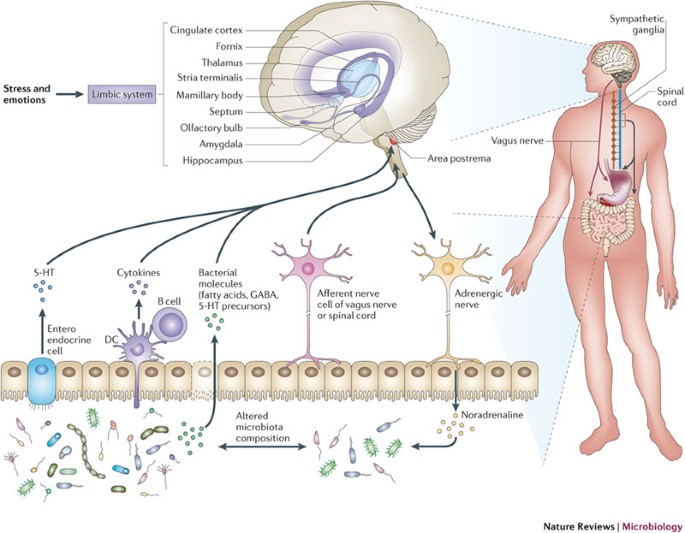
Highlights
- Bidirectional Communication: The gut and brain interact through complex pathways influencing both neurological function and overall health.
- Neurological Implications: Altered gut microbiome compositions are linked with conditions such as Alzheimer's, Parkinson's, autism, multiple sclerosis, stroke, and mood disorders.
- Therapeutic Potential: Modulating the gut microbiome through dietary interventions, probiotics, and other therapies shows promising potential in managing and possibly preventing neurological disorders.
Introduction
The connection between the gut microbiome and neurological disorders has emerged as one of the most intriguing areas in modern medical research. This connection, often described as the microbiota-gut-brain axis, involves a complex network of communication pathways that link the gastrointestinal system with the central nervous system. In recent years, observational studies, animal models, and early human trials have suggested that alterations in gut bacteria can have significant implications for a range of neurological conditions. This comprehensive exploration will elaborate on the mechanisms behind this influence, summarize current research, discuss potential therapeutic interventions, and offer future research directions.
Mechanisms of the Microbiota-Gut-Brain Axis
Bidirectional Communication Pathways
The microbiota-gut-brain axis represents a sophisticated communication network allowing the gut and brain to interact in continuous dialogue. This dialogue occurs through multiple channels:
Neural Pathways
The vagus nerve is a primary conduit that transmits signals from the gut to the brain. This nerve carries sensory information regarding the state of the gastrointestinal tract, and its activation or inhibition can influence mood, stress response, and overall cognitive function.
Endocrine System
Hormones produced in the gut, such as cholecystokinin and ghrelin, can affect appetite and mood, while the production of neurotransmitters like serotonin—of which approximately 90% is produced in the gut—illustrates the deep biochemical interconnection between the gastrointestinal tract and brain function.
Immune and Inflammatory Pathways
The gut contains a significant portion of the body’s immune cells. When the gut microbiome is imbalanced (a state known as dysbiosis), it can trigger immune responses and inflammation. Chronic neuroinflammation has been associated with various neurological disorders. Inflammatory cytokines produced in response to gut dysbiosis can cross the blood-brain barrier and potentially contribute to neurodegeneration.
Metabolic Pathways
Metabolites such as short-chain fatty acids (SCFAs) produced by gut bacteria provide energy to colonic cells and serve as signaling molecules in the brain. These metabolic products can influence cellular functions, gene expression, and neuronal health.
Gut Microbiome and Neurological Disorders
Research has increasingly documented the influence of the gut microbiome on various neurological and psychiatric disorders. Alterations in the balance of gut bacteria have been observed in multiple conditions, suggesting that these changes not only accompany but may also contribute to disease pathology.
Alzheimer's Disease (AD)
Numerous studies have found that patients with Alzheimer’s disease exhibit distinct changes in gut microbiome composition, such as reduced levels of beneficial bacteria and increased abundance of potentially harmful microbes. These alterations appear to influence neuroinflammation and the production of amyloid and tau proteins—key pathological hallmarks of AD. Inflammation driven by gut dysbiosis can exacerbate neural degeneration, making the gut microbiome a potential susceptibility factor in Alzheimer’s.
Parkinson's Disease (PD)
Parkinson’s disease has been closely associated with gut bacteria alterations. Patients often show decreased levels of microbes that produce short-chain fatty acids, which are important for neural health, and increased markers of inflammation. The changes in the gut microbiome observed in PD patients suggest that microbial metabolites may influence both motor and non-motor symptoms. There has been promising research into the use of probiotics and dietary interventions to restore microbial balance in PD.
Autism Spectrum Disorder (ASD)
In individuals with Autism Spectrum Disorder, research indicates reduced microbial diversity and a distinct imbalance in the gut microbiome. This dysbiosis may affect neurodevelopment and behavior, potentially through modified neurotransmitter production and immune regulation. Intervention studies using dietary modifications and probiotic supplementation have explored how modulating the gut microbiome might alleviate some ASD-related symptoms, underscoring the direct impact of gut bacteria on brain function.
Multiple Sclerosis (MS) and Immune-Mediated Disorders
Multiple sclerosis, an autoimmune disease, has been linked with changes in the gut microbiome. An imbalanced microbiota may contribute to aberrant immune responses, leading to increased inflammation and neural damage. Research in MS patients has associated alterations in gut bacterial populations with disease activity and severity. By modulating the gut microbiome, there is potential to influence the progression of MS and improve patient outcomes.
Stroke and Brain Injury
Emerging evidence suggests the composition of the gut microbiome can influence outcomes after stroke or traumatic brain injury. Specific microbial profiles may be linked to better recovery rates or, conversely, to increased inflammatory responses that worsen post-injury outcomes. There is growing interest in investigating how therapeutic interventions targeted at the gut microbiome could improve recovery and repair mechanisms following neurological injuries.
Epilepsy and Seizure Disorders
Some studies have revealed that children and adults who experience seizures show distinct gut microbiome profiles compared to healthy individuals. Metabolites derived from the gut microbiota might influence neural excitability and inflammation, thus affecting seizure susceptibility. Dietary approaches such as the ketogenic diet, known to alter the gut flora, have shown potential in reducing seizure frequency, thereby emphasizing the gut's role in managing epileptic conditions.
Mood and Psychiatric Disorders
It is widely recognized that mood disorders, including depression and anxiety, have a microbial component. Dysbiosis in the gut can alter the production of neurotransmitters and impact the immune system, leading to inflammation and subsequent mood changes. The administration of probiotics has shown some promise in improving mood, which further supports the idea that gut health is intimately connected with mental well-being.
Therapeutic Implications
The potential to manipulate the gut microbiome offers exciting therapeutic opportunities for a variety of neurological disorders. By restoring or maintaining a healthy gut bacterial balance, it might be possible to manipulate the underlying inflammatory and neurochemical pathways involved in these diseases.
Probiotics and Prebiotics
One of the most researched approaches involves the use of probiotics—live beneficial bacteria—to help restore a healthy gut flora. Prebiotics, dietary fibers that promote the growth of beneficial bacteria, can also be employed in combination. Together, these interventions can modulate immune responses and decrease inflammation, thereby impacting the neuronal environment.
Dietary Modifications
Diet plays a pivotal role in shaping the gut microbiome. Nutrients and non-digestible fibers can enhance the diversity of gut bacteria and promote the production of beneficial metabolites like SCFAs. Diets rich in fruits, vegetables, whole grains, and fermented foods have been associated with improved gut health, potentially influencing brain function and reducing the risk of neurological disorders.
Fecal Microbiota Transplantation (FMT)
Fecal microbiota transplantation, a procedure where processed stool from healthy donors is introduced into the gastrointestinal tract, has shown promise in treating conditions characterized by severe dysbiosis. Early research indicates that FMT may help restore microbial balance and reduce neuroinflammation, offering a novel intervention particularly for severe or resistant neurological conditions.
Emerging Pharmaceuticals and Targeted Therapies
Advances in biotechnology are leading to the development of pharmaceuticals aimed at targeting specific microbial pathways or metabolites. Such interventions could potentially fine-tune the gut-brain axis by modulating neuroactive compounds within the gut. The specificity of these approaches may allow for individualized treatment protocols based on a person’s unique microbial composition.
Integrative Research and Future Directions
The interdisciplinary nature of gut microbiome research is driving forward innovative paradigms in understanding and treating neurological disorders. With robust evidence supporting the microbiota-gut-brain axis, researchers are now focusing on several emerging areas:
Personalized Microbiome Interventions
Individual variations in the gut microbiota necessitate personalized treatment strategies. Future research is likely to develop diagnostic markers that identify specific patterns of dysbiosis. This would pave the way for personalized therapies that adjust probiotic formulations, dietary recommendations, or pharmaceutical interventions tailored to each patient’s microbiome profile.
Longitudinal Studies
Although much of the current data comes from cross-sectional studies and animal models, there is an urgent need for long-term human studies. Longitudinal research will help determine causal relationships, assess the long-term impact of microbiome shifts, and refine therapeutic approaches that target the gut-brain axis.
Advanced Metabolomics and Neuroimaging
With advances in metabolomics, researchers can now identify specific metabolic pathways that connect gut microbiota with neural functioning. Coupled with advanced neuroimaging technologies, these studies could directly correlate microbial metabolites with changes in brain structure and function. Such integrative approaches are expected to illuminate how specific bacterial strains influence neuroinflammation, neurotransmission, and overall brain health.
Summary Table of Neurological Disorders and Gut Microbiome Implications
| Neurological Disorder | Microbial Changes | Potential Impact |
|---|---|---|
| Alzheimer's Disease | Reduced beneficial bacteria, increased pathogens | Enhanced neuroinflammation, amyloid accumulation |
| Parkinson's Disease | Decreased SCFA-producing microbes | Altered motor function, increased inflammation |
| Autism Spectrum Disorder | Reduced diversity, imbalance of key species | Impact on neurodevelopment and behavior |
| Multiple Sclerosis | Immune-modulating dysbiosis | Heightened autoimmune responses, demyelination |
| Stroke & Brain Injury | Variable microbial profiles linked to recovery | Influence on inflammation and neural repair |
| Epilepsy | Distinct microbial pattern, altered neurotransmitter production | Enhanced seizure susceptibility |
| Mood Disorders | Dysbiosis leading to altered serotonin synthesis | Influences on depression and anxiety |
Conclusion
The intricate relationship between the gut microbiome and neurological disorders underscores the importance of considering the entire organism in medical research and treatment strategies. The bidirectional communication via neural, endocrine, immune, and metabolic pathways highlights how deeply interwoven our gut health is with brain function. From Alzheimer's and Parkinson's diseases to autism and mood disorders, the evidence points to a significant correlation between dysbiosis and neurological impairments. While current research offers promising avenues for therapeutic interventions—ranging from dietary modifications and probiotic treatments to advanced pharmaceutical developments—much remains to be explored. Personalized approaches based on individual microbiome compositions and long-term studies are essential for deciphering the precise causal mechanisms and refining these interventions.
The potential for transforming the prevention and treatment of neurological disorders through modulation of the gut microbiome is vast. This thriving field offers hope not only for alleviating symptoms but also for understanding the underlying pathways that contribute to disease progression. With continued advances and interdisciplinary collaboration, the future may hold targeted strategies that harness the power of the gut-brain axis to promote neurological health.
References
-
ScienceDirect Article on Neurological Disorders - ScienceDirect
- PubMed Article on Gut Microbiome - PubMed
- Comprehensive Review on Neurological Disorders - PubMed
- Review on Gut Microbiome and Neurological Disease - PubMed
- Frontiers in Neuroscience on Gut-Brain Axis - Frontiers
-
PMC Article on Microbiome in Neurological Disorders - PMC
- ASM Article on Gut-Brain Communication - ASM
- The Lancet Neurology on Neurological Disorders - The Lancet
Recommended Related Queries
Last updated February 24, 2025