
Gut Microbiome's Influence on Neurological Disorders
Exploring the Gut-Brain Axis, Parkinson's Disease, and Probiotic Solutions
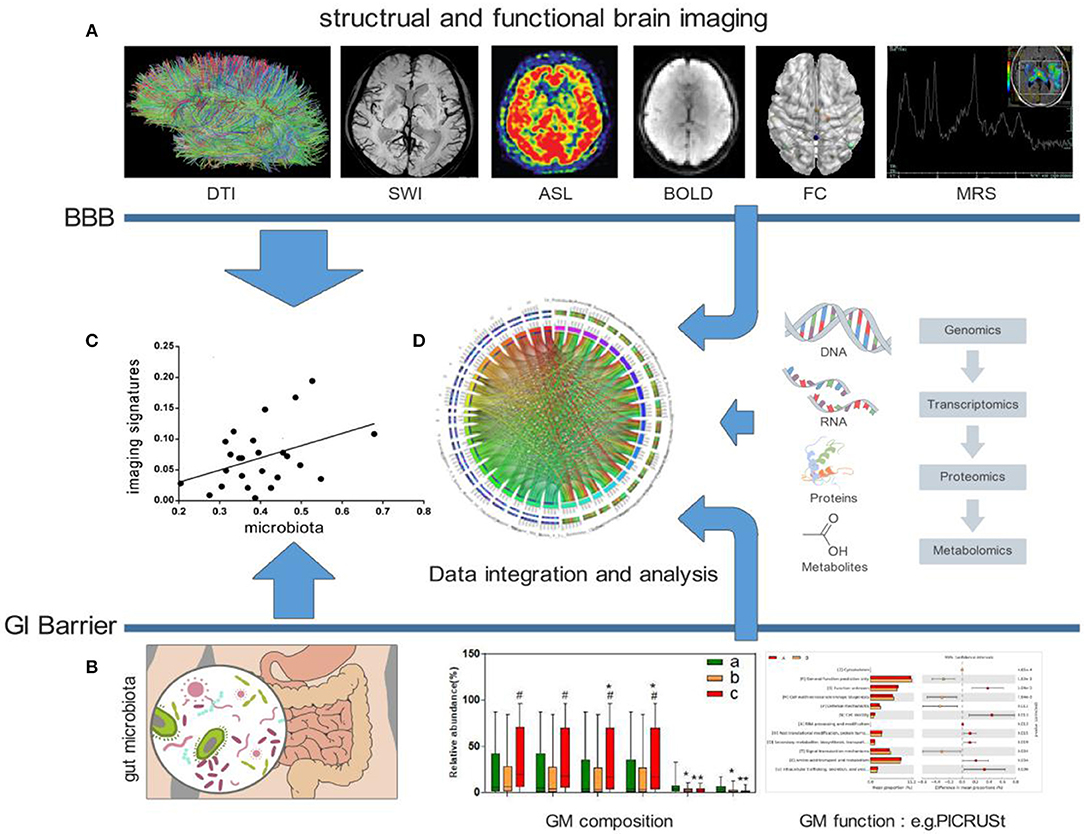
Highlights
- Bidirectional Interaction: The gut-brain axis facilitates communication between gut bacteria and the central nervous system.
- Neurological Impact: Altered gut microbiota are linked to conditions such as Parkinson’s, Alzheimer’s, and autism spectrum disorders.
- Probiotic Potential: Emerging research supports the use of probiotics to alleviate motor and non-motor symptoms and restore gut balance.
Introduction to the Gut-Brain Axis
The human body is an intricate network of systems that continuously interact to maintain homeostasis. At the forefront of emerging medical research is the gut-brain axis, a bidirectional pathway that facilitates communication between the gastrointestinal system and the central nervous system (CNS). This multi-faceted relationship involves neural, endocrine, immune, and metabolic pathways that regulate diverse processes ranging from mood and cognition to immune responses and metabolism.
Integral to this axis is the gut microbiome, an ecosystem of trillions of microorganisms residing primarily in our intestines. These microbes are crucial in breaking down food, modulating immune function, and synthesizing vital metabolites. However, more recent findings have highlighted that the gut microbiome also plays a significant role in the development and progression of neurological disorders. Dysbiosis—an imbalance in the healthy microbial community—has been associated with various neurological conditions, including Parkinson’s disease (PD), Alzheimer’s disease, autism spectrum disorder, multiple sclerosis, and others.
Understanding the Gut Microbiome's Role in Neurological Health
Mechanisms of Communication
The microbiota-gut-brain axis is a complex communication network that bridges the intestine and the brain. This connection involves several key mechanisms:
Neural Pathways
The vagus nerve is the primary neural pathway connecting the gut to the brain. It plays a critical role in relaying signals from the enteric nervous system directly to the CNS. This direct line of communication helps the brain receive real-time updates regarding gut status, influencing mood, behavior, and cognitive function.
Immune Pathways
The gut microbiome is fundamental in modulating the immune system. An imbalance in the microbial community, or dysbiosis, can lead to an exaggerated immune response, fostering systemic inflammation. Chronic low-grade inflammation is a well-documented contributor to neurodegeneration, whereby inflammatory mediators can cross the blood-brain barrier and impact neuronal integrity.
Endocrine and Metabolic Pathways
Gut bacteria produce a range of endocrine signals and metabolites, including neurotransmitters (such as dopamine and serotonin), short-chain fatty acids (SCFAs), and other bioactive compounds. These chemical messengers can modulate metabolic processes, mood regulation, and even influence signaling pathways in the brain. The delicate balance of these compounds underscores how the gut microbiota can indirectly drive or temper neurological functions.
Impact on Neurological Disorders
An increasing number of studies have now established the link between gut microbiome composition and the onset as well as progression of neurological disorders. In particular, Parkinson’s disease has received considerable attention due to its clear association with gut dysbiosis.
Parkinson's Disease and Gut Dysbiosis
Parkinson’s disease is a neurodegenerative disorder primarily characterized by motor symptoms such as tremors, rigidity, and bradykinesia. However, non-motor symptoms like gastrointestinal disturbances—especially chronic constipation—often precede the development of motor impairments by years, suggesting that the gut environment might serve as an early indicator of PD progression.
Research indicates that patients with Parkinson's disease display a significantly altered gut microbiome compared to healthy individuals. This dysbiosis is marked by a reduction in beneficial bacterial populations and an overabundance of potentially harmful bacteria. The clinical implications of this imbalance include:
Increased Intestinal Permeability
A compromised gut barrier, commonly referred to as "leaky gut," allows bacterial endotoxins and other harmful molecules to enter the bloodstream. Once systemic, these toxins can trigger inflammatory responses, which in turn promote neuroinflammation. This inflammation is believed to contribute to the degeneration of dopaminergic neurons in the substantia nigra, a hallmark of Parkinson’s disease.
Altered Neurotransmitter Production
Certain gut bacteria are capable of producing neurotransmitters, including dopamine—a neurotransmitter that plays a pivotal role in the motor control abnormalities observed in Parkinson’s. With dysbiosis, the production or regulation of these critical chemical messengers may be disrupted, potentially exacerbating PD symptoms.
Alpha-Synuclein and the Vagus Nerve
One of the key pathological markers of PD is the accumulation of the protein alpha-synuclein. Emerging research suggests that misfolded alpha-synuclein might initially originate in the gastrointestinal tract, subsequently being transported to the brain via the vagus nerve. This progression provides a tangible link between gut health and neurological degeneration.
Other Neurological Conditions
Beyond Parkinson’s disease, the gut microbiome has been implicated in several other neurological conditions:
- Alzheimer's Disease: Neuroinflammation driven by gut dysbiosis may contribute to the cognitive decline seen in Alzheimer's patients.
- Autism Spectrum Disorders (ASD): Studies suggest a correlation between early-life gut microbial composition and behavioral outcomes, potentially via modulation of the immune system and neurotransmitter balance.
- Multiple Sclerosis (MS): Dysbiosis may influence the immune system's regulation, thereby exacerbating the inflammatory processes associated with MS.
Exploring Probiotic Treatments
Given the intricate links between the gut microbiome and neurological health, the therapeutic potential of probiotics has become a major focus of contemporary research. Probiotics are live microorganisms that can confer health benefits by restoring or enhancing the natural balance of the gut microbiota. The notion is straightforward: by introducing beneficial bacteria, it might be possible to offset the harmful effects of dysbiosis and, as a result, mitigate neurological symptoms.
Mechanisms of Probiotic Action
Probiotics are thought to work through several mechanisms that can positively influence the gut-brain axis:
Reducing Inflammation
One primary benefit of probiotic administration is the reduction of systemic and neuroinflammation. By correcting dysbiosis, probiotics help reinforce gut barrier integrity, thereby minimizing the leakage of pro-inflammatory molecules into the bloodstream. This, in turn, can lead to lower levels of inflammatory mediators that would otherwise contribute to neuronal damage.
Enhancing Neurotransmitter Production
Certain strains of probiotics can synthesize neurotransmitters or influence their production. For example, some bacteria produce gamma-aminobutyric acid (GABA), which exerts an inhibitory effect on the nervous system, potentially alleviating symptoms like anxiety and tremors that are common in Parkinson’s disease.
Modulating Gut Barrier Function
By strengthening the intestinal barrier, probiotics reduce gut permeability. This minimizes systemic exposure to harmful endotoxins, which may otherwise trigger widespread inflammation—a process especially detrimental to neuronal survival.
Clinical Evidence and Trials
Multiple clinical studies have assessed the effects of probiotics on Parkinson’s disease. These trials typically focus on both motor and non-motor symptoms, evaluating the following outcomes:
Motor Symptom Improvement
Some intervention studies have reported noticeable improvements in motor function among PD patients taking probiotic supplements. Patients often experience reduced rigidity and improved balance, which are quantitatively measured through standardized scales like the Unified Parkinson’s Disease Rating Scale (UPDRS). The improvements suggest that rebalancing the gut microbiota may have a beneficial effect on motor circuitry within the brain.
Gastrointestinal Function
A predominant non-motor symptom in Parkinson’s is constipation, which significantly impacts patient quality of life. Several studies have documented that probiotic treatments help regulate bowel function, leading to more consistent stool patterns and relieving gastrointestinal discomfort. These improvements not only enhance daily living but may also indirectly influence the efficacy of PD medications, whose absorption can be affected by gut health.
Systemic Biochemical Markers
Beyond observable clinical symptoms, research has also examined changes in biochemical markers following probiotic treatment. Measures such as high-sensitivity C-reactive protein (a marker of inflammation), malondialdehyde (an indicator of oxidative stress), and levels of blood antioxidants like glutathione have been found to improve in certain probiotic intervention groups. These systemic changes further substantiate the therapeutic potential of these microbiota-targeted treatments.
Personalizing Probiotic Therapies
Despite promising results, determining the appropriate probiotic regimen poses a challenge due to variation in individual gut microbiota compositions. Research indicates that personalized approaches—tailoring probiotic strains to specific microbial imbalances—may ultimately be more effective than one-size-fits-all solutions. Future studies are expected to integrate probiotic treatments with data from microbial genomics and metabolomics to design highly specific and effective therapeutic interventions.
Comparison Table of Key Probiotic Strains
The following table summarizes some of the probiotic strains that have been frequently studied for their effects on neurological health, particularly within the context of Parkinson’s disease:
| Probiotic Strain | Observed Benefits | Mechanism Highlights |
|---|---|---|
| Lacticaseibacillus rhamnosus | Improved gut barrier, reduced inflammation | Modulates immune function, enhances neurotransmitter production |
| Lactobacillus acidophilus | Better gastrointestinal function | Produces beneficial metabolites and restores balance |
| Enterococcus faecium | Ameliorates non-motor symptoms | Supports microbial diversity and reduces gut permeability |
| Lactiplantibacillus plantarum | Enhances cognitive function and motor control | Increases antioxidant levels, modulates neurotransmission |
Future Directions and Research Needs
Although the connection between the gut microbiome and neurological disorders is an area of tremendous scientific interest, it remains a field in progress. There are several critical avenues for future research:
Longitudinal Studies
Most available studies assessing the benefits of probiotics in neurological disorders have been short-term and involve relatively small sample sizes. There is a need for larger and longer-duration clinical trials to determine the long-term safety and efficacy of probiotics. These studies should aim to track changes in both the microbial composition and neurological symptoms over extended periods.
Mechanistic Insights
While clinical correlations between dysbiosis and neurological conditions have been well documented, the underlying molecular mechanisms remain incompletely understood. Future research should focus on elucidating:
- The precise biochemical pathways by which microbial metabolites influence neuronal activity.
- How alterations in gut permeability affect systemic inflammation and subsequent neurodegeneration.
- The role of specific bacterial strains in modulating neurotransmitter production and immune responses.
Personalized Medicine Approaches
Given the considerable inter-individual variability in gut microbiota composition, taking a personalized medicine approach is essential. Tailoring probiotic interventions based on individual microbial profiles could significantly improve treatment outcomes. Additionally, integrating probiotic therapies with dietary modifications and prebiotic supplements might offer a synergistic approach to restoring gut-brain balance.
Combined Therapeutic Strategies
There is increasing evidence to suggest that combining probiotics with conventional medications could enhance overall treatment efficacy. In Parkinson’s disease, for example, improved gut function may increase the bioavailability and effectiveness of levodopa, a cornerstone medication in PD management. Further research is warranted to optimize such combined therapeutic regimens.
Conclusion
The exploration of the gut microbiome’s influence on neurological disorders has opened new and promising avenues in our understanding of complex neurodegenerative and neuropsychiatric conditions. The microbiota-gut-brain axis represents a critical interface where gut dysbiosis may initiate or exacerbate neurological impairments through mechanisms involving systemic inflammation, altered neurotransmitter production, and disrupted intestinal barrier function.
Parkinson’s disease serves as a prime example of how disturbances in the gut microbial community can have far-reaching impacts on neurodegeneration—as early gastrointestinal symptoms may herald the onset of motor dysfunction. The potential to harness probiotic treatments, specifically designed to restore microbial balance and reduce inflammatory markers, offers an innovative and adjunctive therapeutic strategy for managing PD and possibly other neurological conditions.
However, while preliminary clinical studies show promising outcomes—such as improvements in both motor and non-motor symptoms, enhanced medication absorption, and reductions in systemic oxidative stress—the field still requires more rigorous, large-scale, and long-term research. Personalized probiotic therapies, integrated with traditional treatment regimens, could represent the future of managing neurological disorders with multifactorial etiologies.
In summary, the intersection of gut microbiology and neuroscience stands at the forefront of medical innovation, offering potential breakthroughs that may transform treatment paradigms for Parkinson’s disease and other neurological disorders. As research continues to unveil the complex interactions within the microbiota-gut-brain axis, it holds the promise of not only advancing our understanding of neurological pathophysiology but also providing more effective, personalized, and holistic treatment approaches.
References
-
The gut microbiome in neurological disorders - ScienceDirect
- Gut microbiota correlations with neurological conditions - PubMed
- Probiotic Therapy in Parkinson's Disease - Neurology Live
- Probiotics Improve Parkinson's Disease Symptoms - Nature
- Review on Gut Microbiome and Neurological Disorders - PubMed
-
Gut Microbiota-Immune Interaction in Neurological Disorders - PMC
- Microbiota-Gut-Brain Axis in Neurological Disorder - Frontiers
- Neurological Manifestations of Gut Dysbiosis - The Lancet
Recommended Queries for Further Exploration
Last updated February 25, 2025