
Comprehensive Hands-On Experience at Carl Benz School
Exploring the depth and breadth of practical training in an international engineering program
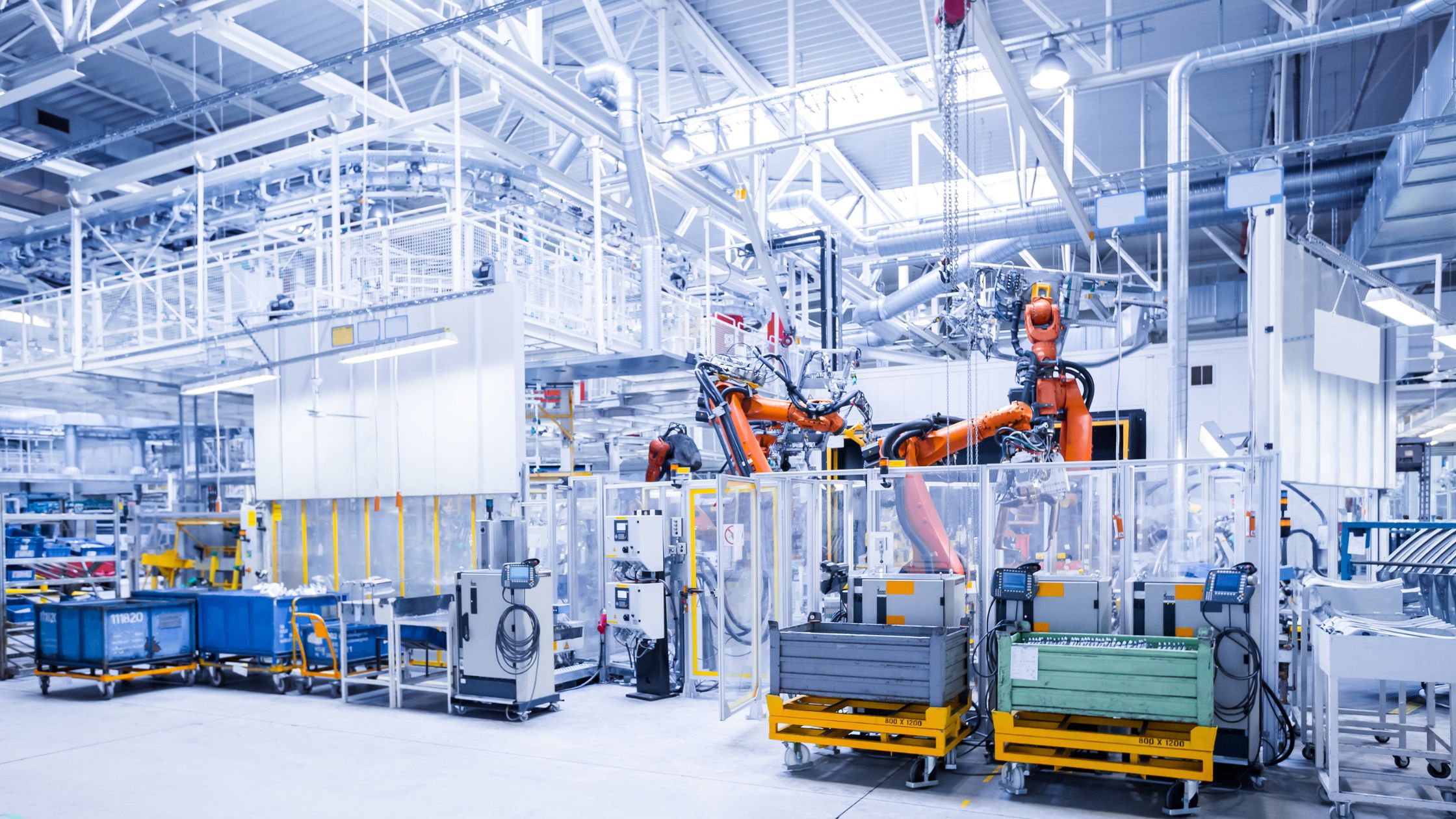
Highlights of the Program
- Integrated Practical Projects: Smart Projects, labs, and industry-oriented tasks run throughout the curriculum.
- Industry Training Programs: Innovative initiatives like SmartFactory∂Industry allow students to work with leading companies.
- Internships and Thesis: Mandatory hands-on internships and research projects ensure real-world skills development.
Overview of Hands-On Experiences
The Carl Benz School of Engineering, a part of the Karlsruhe Institute of Technology (KIT) in Germany, offers an exceptionally comprehensive international Bachelor of Science in Mechanical Engineering program. This program is renowned not only for its robust theoretical foundation but also for its extensive practical hands-on experiences. The hands-on components are uniquely designed to immerse students in real-world engineering challenges, combining classroom instruction with industry-driven tasks. These experiences prepare students for a dynamic engineering career, ensuring that they graduate with practical skills and valuable industry connections.
Integrated Hands-On Projects and Labs
A core component of the curriculum is the integration of practical projects and state-of-the-art laboratory work. From the early stages of their studies, students are engaged in projects and lab sessions that mirror real industrial scenarios. These practical sessions not only reinforce theoretical learning but also foster critical problem-solving abilities and innovative thinking. The practical projects include:
- Smart Projects: These are specifically designed projects in collaboration with industry partners, where students work on challenges ranging from production planning to logistics optimization. The Smart Projects provide a platform for students to apply engineering theories to complex, real-world issues.
- Laboratory Sessions: Hands-on experiments within fully equipped labs allow students to explore advanced manufacturing techniques, material testing, and mechanical design. The hands-on labs enable students to gain a thorough understanding of engineering principles and operational methods.
- Workshops: The curriculum incorporates workshops that focus on practical skill development. These range from CAD modeling and simulation techniques to practical energy management systems, ensuring that students are adept in both digital and physical prototyping.
Industry Training Programs
One of the most distinguishing aspects of the program is the dedicated industry training initiative known as SmartFactory∂Industry. This program goes beyond traditional classroom learning to immerse students in the increasingly significant world of Industry 4.0. Here are the key elements:
SmartFactory∂Industry
The SmartFactory∂Industry program represents a pioneering approach to hands-on technical education. Designed in collaboration with renowned industry leaders—including major companies such as Daimler, Bosch, and others—the program enables students to work on projects relevant to modern smart manufacturing. Students have the opportunity to:
- Engage in practical modules that focus on production planning, control, and logistics management.
- Experience firsthand the integration of advanced manufacturing technologies, simulating an Industry 4.0 environment.
- Collaborate with experts from the industrial sector, gaining exposure to the operational challenges and strategic aspects of high-tech manufacturing.
This initiative ensures that when students complete their studies there is a seamless transition from academic settings to industrial workplaces, thereby bridging the gap between theory and practice.
Industry Partnerships
Strong partnerships with some of the world’s leading companies are a hallmark of the program. These collaborations provide numerous benefits, including:
- Live Industry Challenges: Students participate in projects that address current industry demands, allowing them to work on solutions that are immediately relevant to the market.
- Networking Opportunities: Regular interaction with industry professionals helps in building networks that are critical for future career prospects.
- Access to Cutting-Edge Facilities: Exposure to industrial-grade technologies and facilities that few academic programs can offer, enhancing both learning and research outcomes.
Mandatory Internships and Bachelor Thesis
The program also emphasizes real-world work experience through its internship and bachelor thesis requirements, which are integral aspects of the overall hands-on experience.
Internship Experience
As students move through their studies, they are required to complete a mandatory 12-week professional internship, typically in their final (6th) semester. The internship serves as a bridge between academic learning and practical application by allowing students to:
- Apply theoretical concepts in a professional setting, tackling genuine engineering challenges.
- Develop critical industry-specific skills such as project management, technical troubleshooting, and innovation management.
- Gain insights into corporate culture and operational best practices through direct involvement in complex projects.
The hands-on nature of the internship ensures that students leave with not only deep insights into their specific technical fields but also with the softer skills required for effective teamwork and communication in the workplace.
Bachelor Thesis
The academic journey culminates in the bachelor thesis, an essential research project carried out during the final semester. The thesis is not merely an academic exercise; it acts as a capstone project that tests the student's ability to research, design, and implement a solution to a problem encountered in the field of mechanical engineering. The thesis work is highly practical and often links back to real challenges faced by industry partners, thereby:
- Allowing students to devise innovative solutions to genuine engineering problems.
- Encouraging deep dives into specialized topics such as energy systems, mobility, global production management, and more.
- Fostering collaboration between academia and industry, as many projects are co-supervised by company professionals.
Short-Term Learning Initiatives
Apart from the core curricular activities, the program is enriched by short-term learning initiatives such as summer, winter, and spring schools. While these programs are particularly attractive to high school students seeking early exposure to engineering, they also serve multiple purposes:
Summer, Winter, and Spring Schools
These seasonal schools offer workshops and practical sessions that provide a condensed yet immersive experience in engineering and manufacturing. They focus on:
- Introducing participants to the foundational principles of mechanical engineering through engaging lectures and interactive sessions.
- Providing practical insights by organizing visits to modern production facilities, historical museums, and technology parks.
- Enhancing understanding of the evolution of manufacturing processes and the future direction with Industry 4.0 concepts.
Though primarily designed for prospective students, these programs also serve as an outreach effort, promoting early interest in engineering and giving participants a taste of the rigorous and exciting environments at the Carl Benz School of Engineering.
Specialization and Focused Learning Tracks
An added benefit of the program lies in its wide range of specialization or focused learning tracks, each designed to hone particular skills and match emerging global trends.
Specialized Tracks
Students have the opportunity to tailor their educational journeys by choosing from specialized tracks that combine theoretical learning with hands-on projects. The specializations include:
- Applied Materials: Concentrating on material properties, testing, and innovative materials development, this specialization teaches students to apply research in everyday manufacturing.
- Energy Systems: With the global pivot to renewable energy, this track provides hands-on training in energy efficiency, sustainable system design, and innovative energy technologies.
- Global Production Management: This focuses on production logistics, supply chain optimization, and production planning, preparing students to oversee complex manufacturing processes in a global context.
- Mobility Systems: Addressing both traditional and next-generation transportation technologies, this specialization leverages practical projects related to automotive engineering and mobility innovations.
Each specialization not only builds theoretical expertise but also integrates specific practical projects and lab work to ensure that graduates are able to transition smoothly into industry roles upon completion of their degree.
Detailed Table: Hands-On Experience Components
| Component | Description | Key Benefits |
|---|---|---|
| Smart Projects | Integrated projects that require students to solve real-world engineering problems in collaboration with industry. | Develops problem-solving, teamwork, and industry-specific technical skills. |
| Industry Training (SmartFactory∂Industry) | Hands-on training modules conducted in state-of-the-art industrial environments in partnership with companies like Daimler and Bosch. | Exposure to Industry 4.0 technologies and practical manufacturing challenges. |
| Laboratory Sessions | Advanced labs and workshops focusing on modern mechanical engineering systems and production techniques. | Deepened understanding of technical concepts and operational practices. |
| Internships | A mandatory 12-week professional placement in a real company setting. | Application of academic knowledge in a real-world engineering environment and career networking. |
| Bachelor Thesis | A final research or design project that focuses on solving an industry-relevant problem. | Bridges theory with practice and often leads to innovative solutions co-supervised by industry experts. |
| Summer/Winter/Spring Schools | Short-term immersive programs featuring hands-on workshops, facility tours, and interactive sessions. | Introduction to the engineering world and early exposure to practical skills. |
| Specialized Tracks | Focused areas of study like Energy Systems, Mobility Systems, Global Production Management, and Applied Materials. | Customizes learning experience while integrating specific hands-on projects tailored to industry demands. |
Practical Integration Across the Curriculum
The integration of hands-on experiences is not limited to isolated modules but is embedded in every phase of the engineering curriculum. This integration ensures a continuous application of theoretical knowledge and prevents any disconnection between learning in the classroom and applying the concepts in industrial scenarios.
In-Class and Laboratory Synergy
Students begin their journey with a strong theoretical foundation, but the curriculum’s design rapidly bridges the gap to practical application. The synergy between in-class lectures and laboratory sessions provides a continuous feedback loop, where theory is tested through practical experiments and further refined by hands-on activities. By engaging in both scenarios, students:
- Gain a robust understanding of mechanical systems and engineering principles.
- Develop analytical skills critical for troubleshooting and system optimization.
- Learn the nuances of digital simulations alongside physical prototype creation.
Real-World Relevance Through Collaboration
The program’s close ties to industry significantly enhance its practical relevance. By collaborating with companies that continue to push technological boundaries, students are consistently exposed to challenges that mirror current market conditions. This collaboration results in several direct advantages, such as:
- Relevant Curriculum Updates: Close partnerships ensure that the curriculum evolves to meet the technological and industrial demands of today’s marketplace.
- Innovation Through Co-Creation: Direct interaction with industry experts fosters a culture of innovation where academic projects can directly translate into technological breakthroughs.
- Enhanced Employability: Regular contact with industry professionals and hands-on projects significantly improve a student’s readiness for the workforce, making them highly attractive to future employers.
Career Preparedness and Long-Term Benefits
The comprehensive hands-on experience offered by the Carl Benz School of Engineering not only develops immediate technical skills but also builds a strong foundation for lifelong growth in the engineering industries. Graduates emerge with:
- A strong portfolio of practical projects and research outcomes that demonstrate their readiness to tackle advanced engineering challenges.
- Industry connections and experience that provide a foot in the door of prominent companies.
- Enhanced critical thinking and problem-solving skills fostered by real-world engagement, which are essential in adapting to the evolving technological landscapes.
Employers consistently praise graduates of this program for their ability to transition smoothly into demanding work environments, owing largely to the balanced approach of rigorous theory and immersive practical training. Over time, these experiences not only help in building technical acumen but also in shaping leadership qualities, enabling graduates to eventually lead multidisciplinary teams and projects in the competitive global engineering arena.
Long-Term Academic and Professional Advantages
Participation in such an integrated program offers benefits that extend well beyond the immediate educational objectives. Alumni often find that the program’s emphasis on hands-on experiences provides them with:
- Research Opportunities: A solid grounding in practical work makes graduates prime candidates for further academic research, particularly in emerging fields like renewable energy, advanced manufacturing, and automation technologies.
- Advanced Studies: Many alumni pursue master’s or doctoral programs with a significant advantage, given their thorough industrial exposure and research background.
- Entrepreneurial Endeavors: Early exposure to practical challenges and problem-solving fosters an entrepreneurial mindset, enabling graduates to launch startups or innovate within established companies.
Summary and Detailed Breakdown
Below is a detailed breakdown of the different layers of hands-on experiences provided throughout the program, which together create a robust and dynamic learning environment:
| Program Element | Stage of Education | Experience Type | Main Outcomes |
|---|---|---|---|
| Smart Projects | Throughout the curriculum | Integrated project tasks | Real-world problem-solving and employer engagement |
| SmartFactory∂Industry | Mid to late program stages | Industry training modules | Exposure to Industry 4.0 and operational expertise |
| Laboratory Sessions | Core and elective courses | Practical lab work and experiments | Technical familiarity and operational skills |
| Internships | Final semester | Professional placement | Industry experience and network development |
| Bachelor Thesis | Final semester | Research and development project | Innovation, critical analysis, and real-world application |
| Summer/Winter/Spring Schools | Pre-entry / additional exposure | Short-term workshops | Early introduction to practical engineering concepts |
| Specialized Tracks | Advanced semesters | Focused project and lab work | Tailored expertise in niche engineering areas |
Analysis of the Hands-On Experience Approach
The program’s hands-on approach is multifaceted and designed to ensure that every student, irrespective of their prior exposure, is prepared to engage with complex engineering projects from day one. This inclusive strategy is characterized by:
Balanced Theoretical and Practical Instruction
Recognizing that engineering excellence stems from a strong theoretical base as well as practical know-how, the curriculum is structured in a way that theory and lab work are never isolated. Courses are designed such that theoretical lectures are immediately complemented by lab exercises or practical projects. This dual approach:
- Ensures long-term retention and deeper understanding of complex engineering principles.
- Provides a framework for rapid iteration and prototyping, skills which are highly valuable in today’s fast-paced technological environment.
- Helps students to quickly identify and remedy real-world challenges in engineering design and production.
Continuous Industry Engagement
The continuous interaction with industry is a highlight that distinguishes the Carl Benz School’s approach. Through initiatives that include direct industry training programs, internships, and co-supervised thesis projects, students are immersed in environments where:
- Academic knowledge is continuously validated against industrial standards.
- Students gain insights into current technological trends and operational challenges.
- They can even contribute to the development of innovative manufacturing concepts and smart technologies.
Long-Term Impact on Career and Personal Development
The extensive hands-on experiences offered by the program have a lasting impact on both professional and personal growth. Graduates find that:
- They possess a well-rounded skill set that includes technical competencies, research capabilities, and soft skills such as communication and teamwork.
- The practical projects serve as a strong foundation for both further academic research and immediate professional application within dynamic industries.
- The network established through industry engagements and collaborative projects often leads to opportunities in innovation, leadership, and entrepreneurship within the engineering landscape.
Conclusion and Final Thoughts
In summary, the Carl Benz School of Engineering at KIT offers an extraordinarily comprehensive program that goes far beyond conventional classroom teaching. The program is meticulously designed to ensure that every aspect of the Bachelor of Science in Mechanical Engineering provides rich, immersive experiences that blend theory with hands-on practical application. This includes a wide array of components such as Smart Projects, advanced lab sessions, dedicated industry training (SmartFactory∂Industry), mandatory internships, and a capstone bachelor thesis project. Further enriched by seasonal hands-on schools and specialized tracks in areas like Energy Systems, Global Production Management, Mobility Systems, and Applied Materials, the program leaves no stone unturned in preparing its graduates to meet the future with innovative, well-rounded, and industry-ready skills. These cumulative experiences create not only a technical expert but also a creative problem-solver capable of navigating and excelling in a constantly evolving industry landscape.
Those who graduate from this program carry with them not just academic credentials but a profound practical understanding that is critical in today's competitive global economy. The approach of combining theoretical coursework with continuous practical engagement sets a gold standard for engineering education, ensuring that every student is well-equipped to contribute to and lead future technological advances in the field of mechanical engineering.
References
- Curriculum - Carl Benz School of Engineering
- Bachelor in Mechanical Engineering - Educations.com
- Carl Benz School at KIT - St. Clare's Career Explore
- Winter/Spring School - Carl Benz School
Recommended Further Queries
Last updated February 23, 2025