
Background for the Thesis: Removal of Heavy Metals from Drinking Water by Surface Modified Alumina Nanoparticles
Exploring Nanotechnology-Enhanced Water Remediation for Safer Drinking Water
Key Takeaways
- Environmental and Health Risks: Heavy metal contamination poses serious public health concerns and requires innovative solutions.
- Nanotechnology Advantage: Surface modified alumina nanoparticles offer high adsorption capacity and selectivity for heavy metals.
- Enhanced Performance: Fine-tuning the surface characteristics via chemical modifications leads to improved dispersion, efficiency, and reusability.
Introduction
The contamination of drinking water by heavy metals such as lead, mercury, cadmium, and arsenic is a pressing global issue that threatens environmental safety and public health. These toxins, which can originate from industrial discharge, agricultural runoff, or naturally occurring geological formations, are persistent in the environment and can accumulate in biological systems over time, leading to severe health risks such as neurological damage, kidney dysfunction, and cancer. Traditional water treatment methods have been effective to a degree, but often face challenges such as high operational costs, generation of secondary waste, and limited efficiency at low contaminant levels. Therefore, to achieve a long-term solution that is both effective and sustainable, innovative approaches leveraging advances in nanotechnology have been explored extensively.
One promising strategy involves the use of alumina (Al2O3) nanoparticles. Alumina nanoparticles are characterized by their high surface area, thermal stability, and mechanical strength. However, their unmodified forms tend to agglomerate in aqueous environments, reducing their adsorption effectiveness. By employing surface modification techniques, these nanoparticles can be engineered to maximize their interaction with heavy metal ions, thereby improving their efficiency in water treatment applications. This background lays the foundation for understanding the significance of developing surface modified alumina nanoparticles in the context of removing heavy metals from drinking water, and sets out the research motivations behind this thesis.
Heavy Metal Contamination: Scope and Impact
Sources and Risks
Heavy metals in drinking water are introduced through both anthropogenic and natural processes. Industrial activities such as mining, metal plating, and battery manufacturing release substantial quantities of toxic metals into water bodies. Additionally, agricultural practices that involve pesticide and fertilizer application can also contribute to heavy metal accumulation in soils, which eventually leaches into groundwater or surface waters used for drinking. The persistence of these metals in the environment is of critical concern because, unlike organic pollutants, heavy metals do not degrade over time. This persistence amplifies the risks associated with long-term exposure even at trace levels.
The health implications of consuming heavy metal contaminated water are profound. Neurological disorders, renal dysfunction, cardiovascular diseases, and an increased prevalence of cancer have consistently been linked to exposure to metals like lead and arsenic. The biological accumulation of these metals via the food-chain mechanism further compounds the risk, making it imperative to develop robust, cost-effective, and efficient water treatment technologies.
Current Water Treatment Limitations
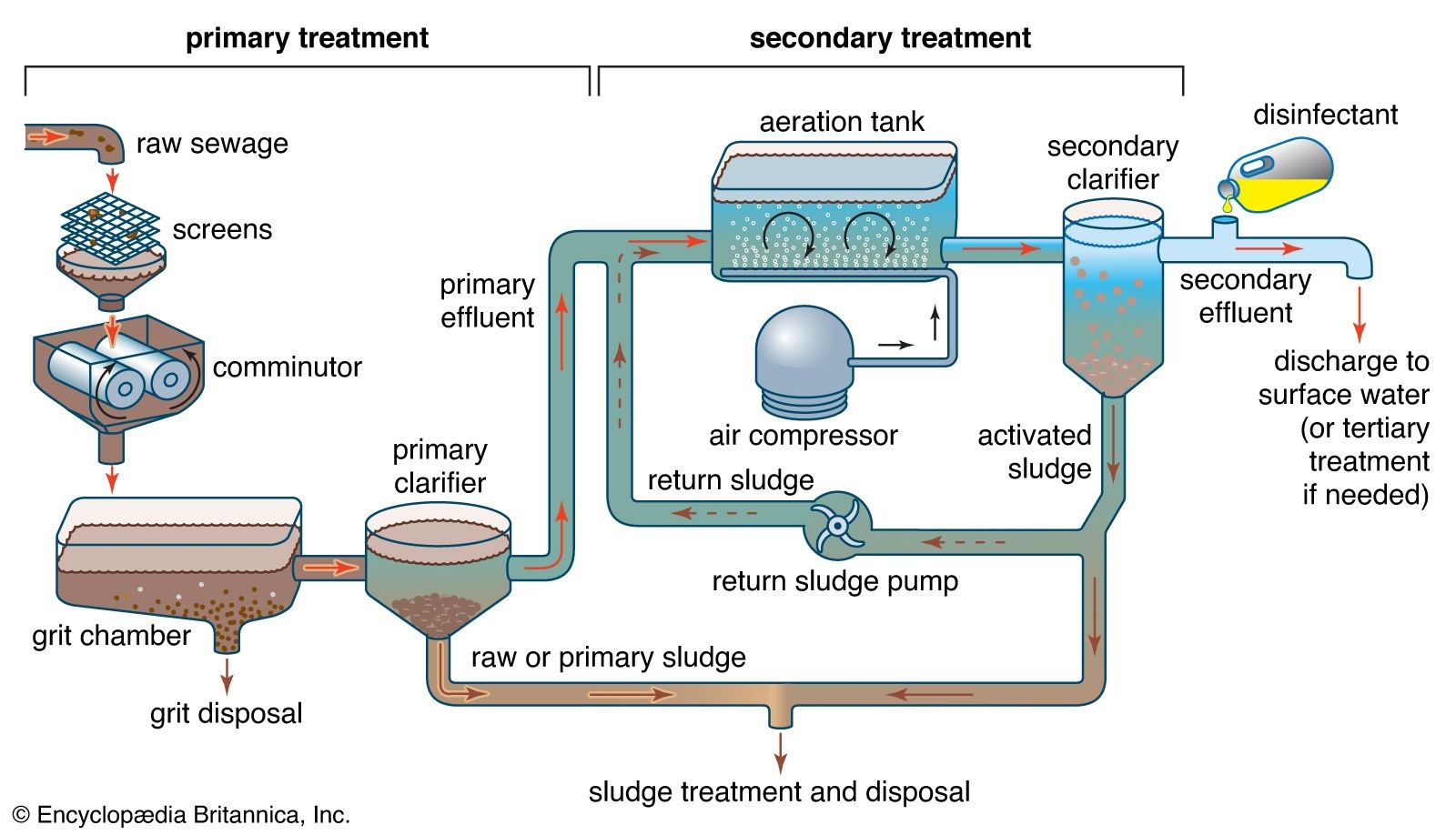
Traditional methods used for the removal of heavy metals include chemical precipitation, ion exchange, membrane filtration, and reverse osmosis. Although each of these approaches demonstrates certain levels of efficacy, they also present significant drawbacks:
| Method | Advantages | Limitations |
|---|---|---|
| Chemical Precipitation | Widely used; relatively simple reaction mechanism | Produces large volumes of sludge; requires further treatment of waste |
| Ion Exchange | High selectivity for certain metal ions | Expensive resins; requires frequent regeneration and may remove essential minerals |
| Membrane Filtration (RO) | Effective removal, often >99% | Energy intensive; issues with membrane fouling and high repair/maintenance costs |
| Adsorptive Methods | Cost-effective and efficient at low contaminant concentrations | Conventional adsorbents may have limited capacity and selectivity without further modification |
Given these limitations, there is a clear need to explore alternative materials and methods, such as the application of nanotechnology in water treatment, which can bridge the gap between efficiency, scalability, and environmental sustainability.
Nanotechnology in Water Treatment
Alumina Nanoparticles: Properties and Potential
Alumina (Al2O3) nanoparticles have emerged as a leading candidate for heavy metal adsorption in water treatment due to several intrinsic properties. Their high surface area significantly enhances the contact between the nanoparticles and the contaminants. Additionally, the chemical and thermal stability of alumina ensures that these particles can function effectively under a wide range of environmental conditions.
However, the raw form of alumina nanoparticles often exhibits poor dispersion in aqueous media, which restricts their effective contact with heavy metal ions. This drawback can be mitigated through surface modification, which involves tailoring the nanoparticle surfaces with various functional groups. Such modifications not only improve the dispersion of nanoparticles by reducing agglomeration but also create abundant binding sites that can selectively target and adsorb heavy metals from contaminated water. Surface modification methodologies include the use of coupling agents such as silanes, titanates, fatty acids, and other organic molecules, each serving to enhance adsorption capacity and specificity.
Mechanism of Surface Modification
The process of surface modifying alumina nanoparticles generally involves adsorbing or covalently attaching specific functional moieties that can interact strongly with heavy metal ions. For instance, coupling agents such as γ-aminopropyltriethoxysilane (KH550) and oleic acid have been used to modify alumina, imparting the particles with enhanced affinity for ions like lead, cadmium, arsenic, and mercury. The modified functional groups introduce sites for electrostatic attraction, chemical complexation, and ion exchange with the metal ions, thereby significantly improving the removal efficiency.
This chemical tailoring not only increases the number of active adsorption sites but also stabilizes the nanoparticles in solution. When nanoparticles are well-dispersed, the effective surface area available for interaction with contaminants increases, leading to higher adsorption kinetics and thus faster remediation. It is also critical that the surface-modified nanoparticles offer the potential for regeneration and reuse, which are vital parameters for transitioning from lab-scale studies to larger-scale practical applications in the water treatment industry.
Recent Developments and Advances
Optimizing Surface Functionalization
In recent years, research has made significant progress toward optimizing the surface functionalization of alumina nanoparticles for the removal of heavy metals. Different approaches such as chemical grafting, physical adsorption, and in situ polymerization have been explored to introduce a variety of functional groups on the nanoparticle surface. The choice of the modifier is crucial – for example, using fatty acids like stearic acid not only reduces surface energy but also provides hydrophobic characteristics. These characteristics help prevent premature aggregation and foster a stable, high-dispersion state that is essential for consistent performance in water treatment processes.
Moreover, several studies have demonstrated that the modification techniques can be fine-tuned to preferentially target different heavy metals. This tunability in selectivity is particularly important in scenarios where water contains a complex mix of ions. By customizing the surface chemistry, the nanoparticles can be geared to adsorb certain harmful metals more efficiently, without being significantly hindered by other benign or even beneficial ions present in the water. Such targeted adsorption is pivotal for meeting stringent water quality regulations and health guidelines.
Comparative Efficiency of Modified Nanoparticles
Comparative studies have shown that surface modified alumina nanoparticles exhibit significantly higher removal efficiencies than their unmodified counterparts. In controlled laboratory experiments, these modified nanoparticles have demonstrated heavy metal removal efficiencies reaching up to 94.9% under optimal conditions. When benchmarked against conventional adsorbents, the modified nanoparticles not only exhibit enhanced kinetics but also benefit from a broader operational pH range and a higher capacity for ion exchange. This positions them as a strong candidate for incorporation into next-generation water treatment systems that require both high performance and scalability.
The enhanced efficiency offered by these nanoparticles can be attributed to multiple adsorption mechanisms operating simultaneously. In many instances, the removal process involves a combination of surface complexation, electrostatic attractions, and even physical adsorption. It is the synergy of these mechanisms, enabled by the engineered nanoparticle surfaces, that underpins the exceptional performance reported in recent studies. These advances in surface functionalization provide a strong impetus for further research and development in the field.
Challenges and Future Directions
Scale-Up and Economic Feasibility
Despite the remarkable laboratory-scale success of surface modified alumina nanoparticles in removing heavy metals, several challenges remain before these technologies can be widely adopted in real-world water treatment systems. One of the major challenges is the scalability of the synthesis and surface modification processes. Laboratory methods that yield highly effective nanoparticles may not translate directly into cost-effective large-scale production. Therefore, future research must focus on developing scalable synthesis techniques that maintain the desirable surface properties while reducing production costs.
Economic feasibility is another key issue, particularly in developing regions that are most affected by water contamination. The cost of raw materials, the complexity of the modification process, and the energy requirements associated with nanoparticle production must all be optimized to create a viable product. Research is increasingly directed toward using locally available materials and environmentally benign modifiers to make these technologies more sustainable and affordable.
Environmental and Regulatory Considerations
The environmental impact of deploying engineered nanoparticles is a subject of considerable scrutiny. Even though alumina itself is relatively inert and non-toxic, concerns about the persistence and potential toxicity of nanoparticles in aquatic ecosystems persist. It is essential that the nanoparticles, once used in water treatment systems, are either contained and recycled or rendered completely benign. Research into the regeneration and safe disposal of these nanoparticles is imperative to ensure that water purification efforts do not inadvertently lead to new environmental challenges.
Alongside environmental concerns, regulatory issues play a critical role in the implementation of new water treatment technologies. Heavy metal concentrations in drinking water are subject to strict guidelines set forth by international organizations and governmental bodies. Therefore, any new treatment technology must not only be efficient but also comply with these regulatory standards. Surface modified alumina nanoparticles need to demonstrate consistent performance, durability, and safety over prolonged periods to gain regulatory approval and public trust.
Experimental Strategies and Design Considerations
Synthesis and Surface Modification Techniques
One of the central focuses of this thesis is the systematic investigation into various methods for synthesizing and modifying alumina nanoparticles. The candidate methods include:
- Surface functionalization through coupling agents like silanes and titanates.
- Grafting with organic molecules such as fatty acids to reduce surface energy and enhance hydrophobicity.
- Optimization of process parameters like reaction temperature, concentration of modifiers, and stirring times to achieve optimum nanoparticle dispersion and stability.
These approaches are designed to create a balance between achieving high adsorption efficiency and ensuring that the nanoparticles remain well-dispersed, cost-effective, and environmentally sustainable in water treatment applications. The selection of the appropriate surface modification technique will depend on a number of factors including the specific heavy metal targeted, the composition of the water matrix, and the desired operational conditions.
Evaluation Metrics and Performance Testing
To assess the effectiveness of these surface modified nanoparticles, several performance metrics will be evaluated systematically. These include:
-
Adsorption Capacity: Measurement of the maximum amount of heavy metal ions adsorbed per unit mass of nanoparticles.
-
Removal Efficiency: Quantification of the percentage of heavy metals removed from contaminated water under varied conditions.
-
Kinetic Studies: Analysis of the rate at which metal ions are adsorbed, which is crucial for determining the practicality of the system in continuous water treatment processes.
-
Regeneration and Reusability: Assessment of the ability to regenerate the nanoparticles through desorption techniques, which will determine the economic viability of the approach.
A detailed characterization of the nanoparticles pre- and post-modification will be carried out using techniques such as Fourier Transform Infrared Spectroscopy (FTIR), Scanning Electron Microscopy (SEM), and BET surface area analysis. These evaluations ensure that the physicochemical properties of the nanoparticles align with the theoretical design expectations and provide insights into the mechanisms of heavy metal adsorption.
Environmental and Technological Implications
Impact on Public Health and Ecosystem Safety
The successful removal of heavy metals from drinking water using surface modified alumina nanoparticles could have transformative impacts on public health and environmental sustainability. By drastically reducing the concentration of toxic metals in water, this technology addresses a critical need in regions where water quality is compromised either by industrial pollutants or natural geochemical conditions.
Lower exposure to heavy metals can reduce the prevalence of chronic diseases and developmental disorders that are linked to metal toxicity. Additionally, the technology has the potential to minimize the environmental footprint of water treatment processes by reducing sludge production and energy consumption compared to traditional methods. Consequently, this approach aligns with global initiatives toward sustainable development and resource conservation.
Innovative Contributions and Future Prospects
The research presented in this thesis is not merely an incremental improvement upon existing water treatment practices but rather an innovative leap forward. By integrating nanotechnology with surface engineering, the project aims to create a next-generation water remediation system. The tailored interaction between surface modified alumina nanoparticles and heavy metal ions offers a promising route for achieving high removal efficiencies in relatively low-cost and scalable systems.
Furthermore, this approach is inherently adaptable. Future studies may extend these concepts to target a wider range of contaminants, including organic pollutants and emerging contaminants. The modular set-up provided by nanoparticle surface modification techniques could lead to multifunctional water treatment systems that address a variety of environmental challenges simultaneously. By advancing the field of nano-engineered water treatment, this research contributes to the growing body of knowledge that seeks to harness the unique properties of nanomaterials for environmental remediation.
Conclusion
In summary, the background presented for the thesis "Removal of Heavy Metals from Drinking Water by Surface Modified Alumina Nanoparticles" encapsulates the urgent public health agenda, the innovative potential of nanotechnology, and the multifaceted strategies employed to enhance water treatment performance. Heavy metals pose formidable health risks, and existing water treatment technologies, while effective to some extent, are often economically and environmentally suboptimal. Surface modified alumina nanoparticles emerge as a highly promising solution due to their enhanced adsorption capabilities, improved dispersion, and the possibility of regeneration. The comprehensive experimental approaches—including the selection of suitable surface modifiers, systematic performance evaluations, and addressing scalability and regulatory challenges—not only demonstrate the feasibility of this method but also pave the way for future innovations in water remediation technologies.
This research is expected to significantly contribute to the development of sustainable and efficient water treatment solutions that meet stringent quality standards and ensure safer drinking water for communities worldwide. By bridging the gap between laboratory-scale success and real-world applicability, the thesis sets the stage for the next evolution in water purification technologies.
References
Heavy Metals Removal - Suez Water Handbook
New Technology More Efficiently Removes Heavy Metals - University of Chicago
Surface Modification for Heavy Metal Adsorption - ScienceDirect
Heavy Metal Removal Using Nanomaterials - ScienceDirect
Nanoparticle-Based Coatings for Water Treatment - MDPI
Surface Modified Alumina for Heavy Metals - RSC Publishing
Superhydrophobic Surfaces via Alumina Modification - ResearchGate
Learn More
Explore additional topics and deepen your understanding of water treatment and nanotechnology by following these queries:
Last updated February 18, 2025