
Hemp Leaves as a Game Changer in Animal Feed: Unlocking Nutritional and Stress-Reducing Potential
Exploring the promising role of hemp leaf and its byproducts in enhancing livestock health and sustainable agriculture.
Key Highlights of Hemp Leaf in Animal Feed
- Nutritional Powerhouse: Hemp leaf and its byproducts, especially spent hemp biomass, are rich in protein, essential fatty acids (omega-3 and omega-6), and fiber, offering a high-quality alternative to conventional feed sources like alfalfa and soybean meal.
- Stress Reduction and Welfare: Studies indicate that feeding industrial hemp, particularly leaves, can significantly reduce stress levels in livestock, leading to benefits such as increased lying time for rumination and improved overall animal welfare.
- Sustainability and Waste Valorization: Utilizing spent hemp biomass—the leftover material after cannabinoid extraction—transforms a significant agricultural waste product into a valuable feed ingredient, promoting environmental sustainability and potentially lowering feed costs for farmers.
The agricultural landscape is continuously evolving, seeking sustainable and economically viable solutions for livestock nutrition. Amidst this quest, industrial hemp (Cannabis sativa L.) and its various components, particularly hemp leaves and their byproducts, are emerging as a subject of significant interest and research. Historically valued for its fibers, seeds, and oils, hemp is now being re-evaluated for its potential as a high-quality, nutritious, and environmentally friendly feedstuff for a diverse range of livestock, including cattle, sheep, goats, poultry, and even aquaculture species.
The renewed focus on hemp in animal diets stems from its rich nutritional profile, which can address the rising costs and environmental impacts associated with traditional feed ingredients. However, integrating hemp into animal feed is not without its complexities, largely due to ongoing regulatory hurdles and the need for more comprehensive research on cannabinoid transfer to animal products. Despite these challenges, preliminary studies and ongoing trials demonstrate a compelling case for hemp leaf and its derivatives as a beneficial addition to livestock diets, promising improvements in animal health, productivity, and overall agricultural sustainability.
Unveiling the Nutritional Benefits of Hemp Leaf and Byproducts
A closer look at how hemp contributes to a balanced and robust animal diet.
Hemp, a versatile annual herb, offers various parts that can be utilized in animal feed, each with a distinct nutritional contribution. Hemp leaves, often part of the "spent hemp biomass" left after cannabinoid extraction, are particularly noted for their significant nutritional value. This biomass, which traditionally posed a disposal challenge for hemp cultivators, is now being recognized as a valuable resource for animal agriculture.
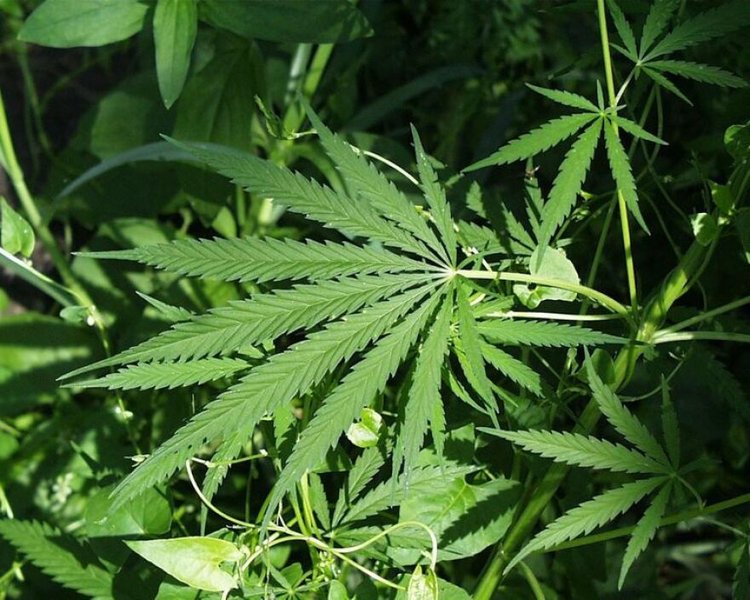
Spent hemp biomass is being evaluated for its potential as a nutritional feed for livestock.
Protein and Amino Acids
One of the most appealing aspects of hemp byproducts, including hemp leaf, is their high protein content. Some parts of the hemp plant can contain up to 20% crude protein, comparable to or even exceeding that found in alfalfa. Hempseed and hempseed cake are especially rich protein sources, with hempseed meal often boasting a crude protein content of 29-35% dry matter. Furthermore, hemp protein is considered high-quality, containing all nine essential amino acids crucial for the growth and maintenance of muscle tissue in animals.
Essential Fatty Acids
Hemp is an excellent source of essential fatty acids, notably omega-3 (alpha-linolenic acid, ALA) and omega-6 (linoleic acid, LA). These fatty acids are vital for animal health, contributing to reduced inflammation, improved nutrient absorption, and overall well-being. The balanced omega-3 to omega-6 ratio in hemp is particularly beneficial, as many conventional feeds tend to be disproportionately high in omega-6s. Incorporating hemp into the diet of laying hens, for example, has been shown to increase omega-3 levels in egg yolks, enhancing the nutritional profile of animal products for human consumption.
Fiber and Other Micronutrients
Hemp leaves and stalks are rich in fiber, which is important for digestive health in ruminants like cattle and sheep. These animals can readily digest hemp's high-cellulose plant material, breaking it down in their rumen to convert it into usable nutrients. Beyond macronutrients, hemp also offers a rich profile of B vitamins, iron, calcium, vitamin E, and zinc, further enhancing its appeal as a comprehensive feed ingredient.
Beyond Nutrition: Health and Welfare Benefits
Exploring the broader impacts of hemp supplementation on animal well-being.
The advantages of feeding hemp to livestock extend beyond its nutritional composition, with emerging research highlighting its potential to improve animal health, reduce stress, and promote better productivity.
Stress Reduction and Behavioral Improvements
Recent studies have provided compelling evidence that industrial hemp can help alleviate stress in livestock. For instance, federally funded research found that feeding hemp to cattle helped reduce their stress levels and led to them spending more time lying down. This increased lying behavior is crucial for ruminant animals, as it aids in rumination and saliva production, both vital for digestive health. Similarly, fresh hemp leaf supplementation has been shown to maintain blood metabolites in goats during transport, mitigating the adverse effects of transportation stress on animal health and meat quality.
This video highlights research on the stress-reducing benefits of feeding industrial hemp to cattle.
Immune Function and Antioxidant Properties
Hemp's nutritional richness, coupled with its natural antioxidants, contributes to better overall well-being and immune function in animals. These properties can help enhance animals' natural immune systems, making them more resilient to disease and promoting overall health. Some research also suggests potential anti-inflammatory effects due to compounds like gamma linolenic acid (GLA), a polyunsaturated fatty acid found in hemp seeds.
Potential Impact on Product Quality
While research is ongoing, some preliminary findings suggest that hemp supplementation could influence the quality of animal products. For example, some studies anticipate that hemp's nutritional richness could lead to decreased cholesterol levels in animals and healthier meat products for human consumption. For dairy cattle, supplementing diets with industrial hemp seeds or byproducts might enhance the nutritional quality of milk by increasing lactose and fatty acids.
Hemp Byproducts: A Sustainable Feed Solution
Turning agricultural waste into valuable resources.
The rising demand for hemp, particularly for CBD extraction, generates significant amounts of "spent hemp biomass"—the leftover plant material after processing. This byproduct, primarily consisting of leaves and other plant parts, has traditionally been a nuisance for the hemp industry, requiring costly disposal. However, its potential as livestock feed offers a sustainable solution, transforming waste into a valuable commodity.

Hemp straw, a byproduct of hemp processing, can be utilized as animal feed.
Economic and Environmental Advantages
Utilizing spent hemp biomass as animal feed offers several economic and environmental benefits. It provides an inexpensive source of nutritional value for livestock, potentially reducing feed costs for farmers. Furthermore, it promotes sustainability by minimizing agricultural waste and the associated time, labor, and expenses of waste management. This aligns with broader efforts to improve animal nutrition sustainably and reduce the environmental footprint of livestock production, including the potential for greenhouse gas emission reduction through improved animal health and productivity.
Comparison with Traditional Feed
On the surface, spent hemp biomass has been found to be a high-quality animal feed, offering protein and fat content comparable to or even greater than alfalfa. This positions hemp byproducts as a viable substitute for conventional protein sources like soybean meal and canola meal, which are facing increasing prices and sustainability concerns.
Current Research and Regulatory Landscape
Navigating the path to widespread adoption.
Despite the promising benefits, the widespread adoption of hemp in animal feed faces significant regulatory hurdles, particularly in the United States. While hemp cultivation is legal, its use in animal feed is not yet federally approved by the U.S. Food and Drug Administration (FDA) or the Association of American Feed Control Officials (AAFCO). The United States Department of Agriculture (USDA) currently prohibits meat products processed from animals fed hemp.
Researchers are conducting studies on how hemp feed impacts cattle.
Key Concerns and Ongoing Research
The primary concerns revolve around the potential transfer of cannabinoids, including low levels of THC (tetrahydrocannabinol), into meat, milk, and eggs of food-producing animals, and the long-term effects of cannabinoid exposure on animal performance and health. Universities and organizations, such as the Hemp Feed Coalition (HFC), are actively conducting studies to address these safety and efficacy questions. Research focuses on:
- Cannabinoid Residuals: Examining whether feeding spent hemp biomass to livestock results in detectable cannabinoid levels in animal products. Preliminary findings have shown minimal THC levels in hemp-fed animals.
- Performance and Health: Assessing the impact on animal growth, feed intake, milk production, and overall health metrics. Early data from Oregon State University (OSU) trials show promising signs, with hemp biomass demonstrating comparable or superior performance to traditional feed.
- Optimal Inclusion Levels: Identifying the ideal amounts of hemp and its byproducts to include in different animal diets to maximize benefits without adverse effects.
International Perspective
In contrast to the U.S., some countries, including Canada and certain European nations, have already permitted the use of various hemp products in animal feed. This international precedent provides valuable insights and demonstrates the potential for safe integration of hemp into livestock diets.
Comparative Analysis of Hemp Feed Components
Understanding the distinct nutritional profiles of different hemp products.
The nutritional benefits derived from hemp as an animal feed largely depend on the specific part of the plant being utilized. Each component offers a unique composition of macronutrients and micronutrients, making them suitable for different applications or animal species.
| Hemp Component | Primary Nutritional Contributions | Typical Use Cases | Current Status/Considerations |
|---|---|---|---|
| Hemp Leaves (Spent Biomass) | High in protein, fiber, essential fatty acids, antioxidants. | Feed for ruminants (cattle, sheep, goats) as a byproduct after CBD extraction; stress reduction. | Significant potential for waste valorization; primary focus of ongoing research on cannabinoid transfer. |
| Hemp Seed | Rich in protein (20-27% DM), oil (36% DM), balanced omega-3 and omega-6 fatty acids, vitamins (E), minerals (Ca, Fe, Zn). | Direct feed for poultry and cattle (as concentrated energy); source of hemp oil. | Valuable for its comprehensive nutrient profile; less concern about cannabinoids if processed. |
| Hemp Seed Cake/Meal | High protein (29-35% DM), fiber, residual oil, essential fatty acids. | Protein source for various livestock (pigs, poultry, ruminants), potential substitute for soybean meal. | Most widely used hemp component due to economic viability and nutritional value after oil extraction. |
| Hemp Oil | Concentrated essential fatty acids (linoleic, linolenic acids). | Supplement for essential fatty acids in feed, especially for poultry and aquaculture. | Added to feed to provide specific healthy fats; less volume required due to concentration. |
| Hemp Silage | Similar relative feeding value to lucerne (alfalfa). | Forage for cattle. | Provides a roughage source, comparable to traditional forage options. |
Assessing the Overall Impact of Hemp Leaf in Livestock Diets
A comprehensive evaluation of the multifaceted effects.
To better understand the multifaceted impact of incorporating hemp leaf and its byproducts into livestock diets, we can visualize several key performance indicators. The radar chart below provides a comparative assessment of hemp-inclusive diets against conventional feeds, based on current research and observed trends in areas such as nutritional enhancement, animal welfare, and sustainability.
The radar chart illustrates that hemp-inclusive diets show significant advantages in nutritional value, stress reduction, and sustainability/waste reduction. However, they currently face hurdles in regulatory approval, which impacts their economic viability due to market access limitations. Conventional feeds, while having established regulatory pathways and often lower initial costs, typically offer less in terms of enhanced animal welfare and sustainable waste utilization.
Future Outlook and Challenges
Paving the way for broader adoption of hemp in animal agriculture.
The trajectory for hemp in animal feed is one of cautious optimism. As research progresses and regulatory bodies gain more clarity on the safety and efficacy of hemp and its byproducts, the potential for widespread adoption is immense. The animal feed market is projected to reach significant figures, and hemp stands to capture a notable share as a sustainable and nutritious alternative.
Key Challenges
- Regulatory Approval: The lack of federal approval in key markets like the U.S. remains the biggest barrier. Efforts by organizations like the Hemp Feed Coalition are crucial in navigating these regulatory pathways through scientific data and advocacy.
- Standardization and Quality Control: Ensuring consistent quality and cannabinoid levels in hemp byproducts for feed will be vital.
- Farmer Adoption: Educating farmers on the benefits, proper handling, and integration of hemp feed, along with addressing any lingering perceptions or concerns.
The transition to incorporating hemp feed should be gradual, typically over 7-14 days, starting with small percentages (e.g., 5%) and incrementally increasing to the desired amount. This careful approach helps animals adjust and allows farmers to monitor their health and performance effectively.
Frequently Asked Questions (FAQ)
Recommended Further Exploration
- How are regulatory bodies and advocacy groups working towards federal approval of hemp in animal feed?
- What are the specific physiological effects of hemp on the digestive system of ruminant animals?
- Can spent hemp biomass significantly reduce feed costs for livestock producers?
- Are there discernible improvements in the quality of meat, milk, or eggs from animals fed hemp byproducts?
References
Last updated May 21, 2025