
Unlocking Peak Performance: The Transformative Power of Higher Purpose in the Workplace
A Chapter by Dr. Denise Gates for Boss Up Your Workplace Experience: A Guide To Winning in the Workplace
In the contemporary world of work, the quest for meaning has transcended traditional motivations of compensation and career progression. Employees and organizations alike are recognizing that a profound sense of higher purpose is not merely a philosophical ideal but a critical catalyst for engagement, performance, and sustained success. This chapter delves into the multifaceted importance of pursuing a higher purpose within the organizational context, explores the influence of a higher calling or power on workplace dynamics, offers pathways to identify one's personal calling, and outlines actionable strategies for leaders to cultivate an environment where purpose can flourish, ultimately enabling individuals and teams to "Boss Up" their workplace experience.
Key Insights: The Purpose Dividend
- Enhanced Engagement and Productivity: A strong sense of purpose is directly linked to increased employee motivation, commitment, and higher quality work outcomes.
- Pathways to Personal Calling: Identifying one's purpose is an introspective yet actionable journey involving self-reflection on values and passions, seeking feedback, and aligning work with what brings fulfillment.
- Leadership as a Purpose Catalyst: Leaders are instrumental in fostering a purpose-driven culture by articulating a compelling vision, championing supportive practices, and empowering individuals to connect their roles to a larger mission.
The Indispensable Quest: Why Pursuing Higher Purpose Matters in Organizations
The pursuit of higher purpose within the workplace has evolved from a peripheral concern to a central tenet of thriving organizations and fulfilled individuals. Traditionally, work was often viewed through a transactional lens, where compensation and advancement were primary motivators. However, these factors, while important, often act as "hygiene factors" – their absence causes dissatisfaction, but their presence alone does not guarantee sustained engagement or peak performance (amba-bga.com, 2025). Modern research and employee sentiment overwhelmingly indicate a desire for something more profound: a sense of meaning and significance in daily endeavors. Indeed, studies show that a significant majority of employees, as high as 89%, seek purpose in their work, with many defining their personal purpose through their job roles (McKinsey, 2021; indeed.com, 2025).
When organizational members connect with a higher purpose, the benefits are manifold. Employees who feel their work contributes to something larger than themselves exhibit increased excitement, passion, and commitment (indeed.com, 2025). This heightened engagement translates directly into tangible improvements in productivity, higher quality outcomes, and greater innovation (culturemonkey.io, 2025; AIHR, 2025). Furthermore, individuals who "live their purpose at work" are reported to be healthier, more resilient in the face of challenges, and significantly more likely to remain with their organizations long-term, thereby reducing costly turnover (McKinsey, 2025; amba-bga.com, 2025). Neglecting this fundamental human need for meaning can lead to disengagement, lower morale, and an inability to attract and retain top talent, particularly among younger generations who increasingly prioritize purpose-driven careers (LinkedIn, 2023).
Fostering a collaborative environment where individual contributions align with a shared purpose.
The Ripple Effect of Purpose on Organizational Health
The impact of a purpose-driven workforce extends beyond individual metrics to influence the overall health and performance of the organization. Companies that successfully cultivate a culture valuing individual growth and purpose are better equipped to navigate complexity, drive innovation, and maintain a competitive edge (AIHR, 2025). When employees perceive their work as contributing to a greater good, their commitment deepens, and their discretionary effort often intensifies, leading to enhanced team cohesion and a more positive organizational climate (Brower, 2021). This alignment of individual and organizational purpose creates a powerful synergy that propels the entire entity forward.
Beyond the Mundane: The Influence of Higher Calling and Power on Workplace Performance
The concept of a "higher power" or a "higher calling" often provides a profound anchor for individuals in the workplace, influencing their performance, resilience, and ethical conduct. This notion can be interpreted through various lenses, including religious faith, spirituality, or a deeply ingrained personal mission that transcends daily tasks (Gates, 2025). Regardless of its specific interpretation, connection to a higher purpose or power tends to imbue work with added significance.
From a psychological perspective, belief in a higher power or a transcendent purpose can significantly enhance well-being, which directly impacts workplace effectiveness (Puutio, 2024). Individuals who feel guided by such principles often exhibit greater moral responsibility, empathy, and a robust commitment to their duties and colleagues (McKinsey, 2021). This can foster an environment of increased trust and psychological safety, conditions crucial for high-performing teams (Puutio, 2024). Moreover, this internal compass can provide clarity and resilience, especially during times of organizational change or personal adversity. The ability to draw strength from a source perceived as greater than oneself can empower employees to persevere and maintain high standards of performance even under pressure.
Biblical traditions, for example, often frame work as a form of service or stewardship. Scriptures such as Colossians 3:23 (NIV), "Whatever you do, work at it with all your heart, as working for the Lord, not for human masters," encourage a mindset where labor is performed with diligence and integrity, motivated by a commitment to a higher authority rather than solely for human approval or material reward. Similarly, Philippians 4:13 (NIV), "I can do all things through Christ who strengthens me," illustrates how faith can be a source of empowerment and resilience in overcoming workplace challenges. When leadership acknowledges and respects this dimension of an employee's life, it contributes to a more holistic and supportive work environment where individuals feel valued as whole persons, not just as cogs in a machine (Meridian University, 2023).
Discovering Your Compass: Identifying Your Purpose and Calling
Identifying one's purpose or calling in life is a deeply personal and often iterative journey. It's less about a sudden revelation and more about a conscious process of introspection, exploration, and alignment. This journey requires looking inward to understand one's core values, passions, and innate talents, and then looking outward to see how these can be applied to contribute meaningfully to the world, including the workplace.

The journey to purpose requires preparation through self-reflection and exploration.
Practical Steps to Uncover Your Calling
Several practical strategies can aid in this discovery process:
- Self-Reflection and Journaling: Regularly take time to reflect on experiences – both successes and challenges. What activities bring a profound sense of joy, fulfillment, and flow? What are you naturally good at? What problems in the world or your community ignite your passion? Journaling these reflections can help uncover recurring themes and "clues" to your purpose (Tiny Buddha, 2023; eight22group.com, 2025).
- Identify Core Values and Strengths: Understand what principles are non-negotiable for you. What unique talents and strengths do you possess? Often, purpose lies at the intersection of what you value, what you're good at, and what the world needs.
- Seek Counsel and Feedback: Engage in conversations with trusted mentors, colleagues, friends, or coaches. They may offer valuable insights into your strengths and impact that you might overlook (SHRM, 2025). Constructive feedback can illuminate blind spots and affirm nascent callings.
- Experimentation and Service: Actively try different roles, projects, or volunteer opportunities, especially those that resonate with your emerging sense of purpose (Letu Alumni, n.d.). Tangible experience is often the best teacher, allowing you to test hypotheses about what truly energizes and fulfills you.
- Spiritual Discernment: For individuals with a spiritual orientation, practices such as prayer, meditation, or studying sacred texts can be vital for clarity and confirmation (Dial In Ministries, 2025). For instance, scriptures like Jeremiah 29:11 (NIV), "For I know the plans I have for you…plans to prosper you and not to harm you, plans to give you a hope and a future," can offer reassurance and guidance.
It’s important to dispel the myth that a higher purpose must always be a grand, world-changing mission or solely a "Godly" endeavor detrimental to oneself. Purpose can be found in the everyday, in the quality of one's work, in mentoring a colleague, or in contributing to a positive team environment. It is fundamentally about integrating your natural talents and sources of joy in a way that provides meaning to you and value to others (eight22group.com, 2025).
Visualizing the Pathways to Purpose
The journey to discovering and living one's purpose is multifaceted, involving internal exploration and external interaction. This mindmap illustrates key interconnected elements in fostering higher purpose within the workplace, highlighting both individual pathways and organizational support systems.
in the Workplace"] id1["Individual Journey"] id1a["Self-Reflection"] id1a1["Identify Passions & Joys"] id1a2["Recognize Strengths & Talents"] id1a3["Clarify Core Values"] id1b["Active Exploration"] id1b1["Experiment with Roles"] id1b2["Seek New Experiences"] id1b3["Engage in Service"] id1c["Seeking Guidance"] id1c1["Mentorship & Coaching"] id1c2["Feedback from Peers"] id1c3["Spiritual Discernment (if applicable)"] id2["Organizational Enablement"] id2a["Leadership Commitment"] id2a1["Articulate Clear Vision & Mission"] id2a2["Model Purposeful Behavior"] id2b["Supportive Culture"] id2b1["Foster Psychological Safety"] id2b2["Encourage Open Communication"] id2b3["Value Contribution & Meaning"] id2c["Development Opportunities"] id2c1["Skills Training Aligned with Purpose"] id2c2["Growth & Advancement Paths"] id2c3["Coaching for Purpose Alignment"] id3["Outcomes of Purpose"] id3a["For Individuals"] id3a1["Increased Engagement"] id3a2["Enhanced Well-being"] id3a3["Greater Resilience"] id3a4["Job Satisfaction"] id3b["For Organizations"] id3b1["Higher Productivity"] id3b2["Improved Retention"] id3b3["Stronger Innovation"] id3b4["Positive Reputation"]
Architects of Meaning: Leadership's Role in Cultivating Purpose
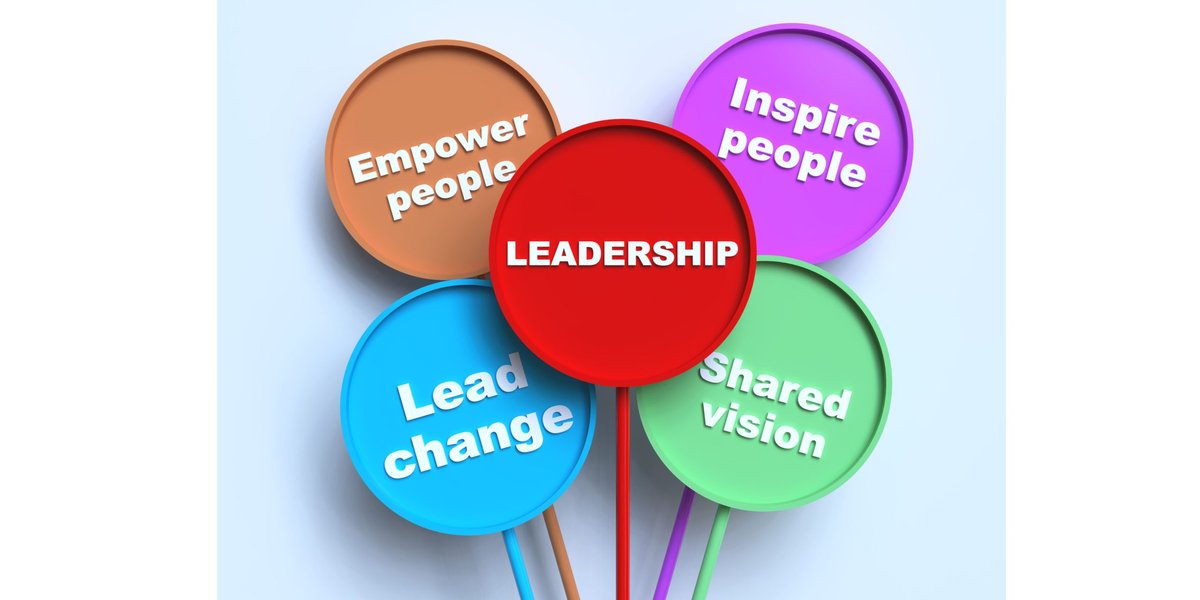
Leaders play an undeniable and pivotal role in shaping an environment where employees can not only discover but also actively pursue their higher purpose. This requires a conscious shift from a purely transactional management style to one that is transformational, prioritizing communication, deeply embedded company values, and holistic employee development (Lattice, 2025). When leaders act as architects of meaning, they unlock significant potential within their teams and the broader organization.

Leaders inspiring their teams by connecting work to a meaningful mission.
Strategies for Purpose-Driven Leadership
Effective leaders can employ several strategies to facilitate their teams' pursuit of higher good:
- Articulate and Embody an Inspiring Vision: Leaders must clearly define and consistently communicate an organizational purpose that transcends profit. This vision should be compelling and allow employees to see how their individual contributions connect to a larger, meaningful mission (Gates, 2025; Lattice, 2025). Importantly, leaders must embody this purpose in their own actions and decisions.
- Foster Psychological Safety and Open Communication: Creating an environment where employees feel safe to express their aspirations, share ideas, voice concerns, and even admit mistakes without fear of retribution is paramount (Puutio, 2024). Open channels for dialogue about purpose, values, and individual goals are essential.
- Champion Coaching, Mentoring, and Development: Invest in programs that support personal and professional growth. This includes formal and informal mentoring, coaching that helps individuals align their roles with their purpose, and opportunities for skills development that enhance their ability to contribute meaningfully (SHRM, 2025).
- Empower and Grant Autonomy: Where possible, grant employees autonomy over their work and involve them in decision-making processes, especially those that impact their roles and contributions to the organization's purpose. Empowerment fosters a sense of ownership and agency.
- Recognize and Reward Purposeful Contributions: Acknowledge and celebrate individuals and teams whose work exemplifies the organization's values and purpose. This reinforces desired behaviors and demonstrates that purposeful action is genuinely valued.
- Integrate Purpose into Performance Management: Performance conversations should extend beyond metrics to include discussions about an employee's sense of purpose, alignment with organizational values, and opportunities for growth in these areas (Lattice, 2025).
- Encourage Service and Community Engagement: Provide opportunities for employees to engage in service or community initiatives that align with personal and organizational values, further strengthening their sense of contribution (Workhuman, 2025).
The Impact of Purpose-Driven Leadership: A Comparative View
The difference between workplaces with low versus high emphasis on purpose, often driven by leadership, can be stark. The following chart illustrates the potential impact on key organizational and individual indicators. While these are illustrative values, they represent the general trends observed when purpose becomes a central focus.
As the chart suggests, a high-purpose environment, typically fostered by effective leadership, correlates with significantly improved outcomes across multiple dimensions critical for organizational success and employee flourishing.
Leadership in Action: Insights on Purpose
Understanding the pivotal role of leadership in cultivating a purpose-driven workplace is crucial. The following video offers valuable perspectives on how leaders can effectively connect their teams to a higher mission, thereby fostering motivation, shaping a positive culture, and amplifying impact. It delves into the practicalities and philosophies behind leading with purpose.
Video exploring the importance of purpose for effective leadership.
A Framework for Purpose-Driven Leadership Strategies
To further concretize how leaders can act as facilitators of purpose, the table below outlines key strategies, their descriptions, and the expected positive outcomes for both individuals and the organization.
| Strategy | Description | Expected Outcome |
|---|---|---|
| Define & Communicate Organizational Purpose | Clearly articulate and consistently reinforce a compelling organizational 'why' that goes beyond financial metrics, connecting daily work to a larger impact. | Increased employee alignment, motivation, and a shared sense of direction. |
| Foster Psychological Safety | Create an inclusive environment where employees feel safe to be authentic, voice opinions, experiment, and learn from mistakes without fear of negative repercussions. | Enhanced creativity, open communication, innovation, and employee trust. |
| Provide Growth & Development Opportunities | Offer coaching, mentoring, training, and clear advancement paths that help employees develop skills and connect their personal growth to the organization's purpose. | Improved employee skills, engagement, loyalty, and a stronger sense of contribution. |
| Empower Employees & Encourage Autonomy | Delegate responsibility, grant autonomy where appropriate, and involve employees in decisions that affect their work and align with the overarching purpose. | Greater ownership, initiative, job satisfaction, and innovative problem-solving. |
| Recognize & Reinforce Purposeful Contributions | Actively acknowledge, appreciate, and reward individual and team behaviors and achievements that exemplify the organization's values and purpose. | Reinforced desired behaviors, strengthened cultural values, and increased employee morale. |
By embracing these strategies, leaders can transform the workplace into an arena where individuals not only perform their duties but also find profound meaning and fulfillment, contributing their best selves to a collective higher good.
Frequently Asked Questions (FAQ)
What if my current job doesn't seem to have an obvious 'higher purpose'? +
Purpose can be found or created in almost any role. It often involves reframing your perspective. Consider: How does your work contribute to the well-being of colleagues, customers, or the broader community? Can you find meaning in striving for excellence, mentoring others, or improving processes? Sometimes, purpose is not in the grand scale of the job itself, but in how you approach it and the impact you choose to make within your sphere of influence. Discussing with your leader how your role connects to the company's mission can also provide clarity (CultureMonkey.io, 2025).
Can an individual's sense of purpose change over time? +
Absolutely. Purpose is not static; it can evolve with life experiences, personal growth, and changing priorities. What feels purposeful in one stage of your career or life might shift as you learn more about yourself and the world. It's important to engage in ongoing self-reflection and be open to redefining or expanding your sense of purpose. This adaptability is a sign of growth (eight22group.com, 2025).
How can an organization practically measure the impact of a purpose-driven culture? +
Organizations can measure the impact through various metrics, including employee engagement surveys (specifically questions related to meaning and purpose), retention rates, productivity levels, absenteeism, customer satisfaction scores, and innovation metrics. Qualitative data from employee feedback sessions and exit interviews can also provide valuable insights. Some companies develop specific "purpose impact" indices tracked over time (McKinsey, 2023; AIHR, 2025).
Is "higher power" strictly a religious concept in the context of workplace purpose? +
Not necessarily. While for many, "higher power" is rooted in religious faith or spirituality, in a broader workplace context, it can also refer to a commitment to a transcendent purpose, ethical principles, a profound personal mission, or a deep sense of connection to humanity or nature. The key element is a guiding force or set of values that is perceived as greater than oneself and informs one's actions and motivations (Gates, 2025). Organizations should foster an inclusive environment that respects diverse interpretations of what provides this deeper sense of meaning and guidance.
Recommended Further Exploration
- How can I align my daily tasks with my personal sense of purpose?
- What are some examples of companies with strong purpose-driven cultures?
- Explore practical exercises for discovering my unique strengths and passions.
- What is the connection between psychological safety and employee performance?
References
Last updated May 10, 2025