
Historical Overview of Society's Development
Tracing the Evolution from Nomadic Tribes to Global Civilization
Key Takeaways
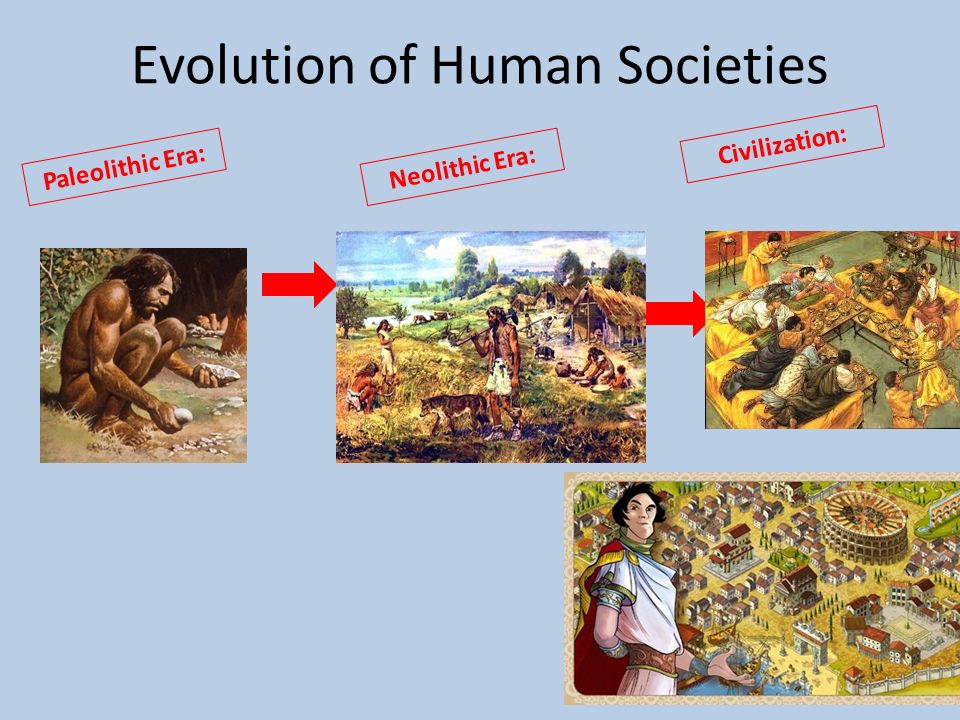
- The transition from hunter-gatherer societies to agricultural communities laid the foundation for complex social structures.
- The Industrial Revolution fundamentally transformed economic and social systems, leading to urbanization and new class distinctions.
- Modern and Knowledge Age societies are characterized by technological advancements and global interconnectedness, shaping contemporary social dynamics.
I. Hunter-Gatherer Societies: The Dawn of Human Organization
Early Beginnings
Human societal development began with hunter-gatherer societies, the earliest form of human organization. These societies were small, nomadic groups that relied on hunting animals and gathering wild plants for sustenance. Social structures in these groups were typically egalitarian, with cooperation and shared resources ensuring survival. Kinship ties played a significant role in maintaining social cohesion and facilitating the sharing of resources.
Social and Cultural Foundations
Over time, hunter-gatherer societies developed complex cultural practices, including language, rituals, and symbolic artifacts. These developments laid the groundwork for the transmission of knowledge and culture across generations. The emergence of symbolic culture towards the end of the Middle Stone Age marked a significant advancement in human cognitive and social capabilities.
II. The Agricultural Revolution: Settling into Complexity
From Foraging to Farming
A pivotal moment in societal development was the Agricultural Revolution, also known as the Neolithic Revolution, which began around 10,000 BCE. This transition involved the domestication of plants and animals, allowing humans to shift from a nomadic lifestyle to settled communities. The ability to produce surplus food led to population growth and the establishment of permanent settlements.
Emergence of Social Hierarchies and Specialized Labor
With the advent of agriculture, societies began to exhibit more complex social structures. Surplus production enabled the development of social hierarchies and the division of labor, giving rise to specialized roles such as artisans, priests, and administrators. The establishment of permanent settlements also facilitated the creation of infrastructure, including storage facilities, religious sites, and early forms of governance.
III. Formation of Early Civilizations: Building on the Agricultural Base
Rise of Complex Societies
As agricultural practices became more sophisticated, early civilizations emerged around 4000 BCE in regions like Mesopotamia, Egypt, and the Indus Valley. These civilizations featured complex governmental systems, religious institutions, and social hierarchies. Monumental architecture, such as temples and pyramids, became symbols of political and religious power.
Technological and Cultural Innovations
The development of writing systems was a critical advancement that facilitated administration, record-keeping, and the transmission of knowledge. Legal codes were established to regulate society, and trade networks expanded, connecting diverse regions and promoting cultural exchange. Advances in art, science, and engineering during this period laid the foundation for subsequent societal developments.
IV. The Industrial Revolution: Transforming Societies
Technological Advancements and Economic Changes
The Industrial Revolution, which began in the late 18th century, marked a significant transformation in human society. The introduction of machine-based manufacturing processes led to increased production efficiency and the growth of industrial economies. This period saw the rise of factories, which became centers of economic activity and employment.
Urbanization and Social Mobility
Industrialization spurred massive urbanization, as people moved from rural areas to cities in search of work. This shift altered social structures, leading to the emergence of new class distinctions between industrial capitalists and the working class. The changing economic landscape also facilitated increased social mobility, as individuals sought opportunities in emerging industries and educational institutions.
V. Modern Society: Navigating Complexity and Interconnectivity
Technological and Information Advancements
Modern society, evolving from the late 19th century onwards, has been shaped by rapid technological advancements and the rise of information technology. The development of computers, the internet, and communication technologies has revolutionized economic practices, social interactions, and access to information. Globalization has further interconnected societies, facilitating the exchange of ideas, goods, and cultural practices on an unprecedented scale.
Social Structures and Democratic Institutions
Complex economic systems and diverse social structures characterize modern societies. The expansion of democratic institutions has increased political participation and accountability, while advancements in education and healthcare have promoted social mobility and improved quality of life. However, modern societies also grapple with ongoing debates surrounding social justice, equality, and the equitable distribution of resources.
VI. The Knowledge Age: Shaping the Future
Information and Communication Technologies
Entering the Knowledge Age, contemporary societies are defined by information and communication technologies (ICT) that drive innovation and economic growth. The digital revolution has transformed industries, from manufacturing to services, and has enabled new forms of social organization and governance. Technologies such as artificial intelligence, biotechnology, and renewable energy sources are at the forefront of societal advancements, reshaping how we live, work, and interact.
Global Challenges and Social Transformations
Global challenges such as climate change, pandemics, and resource scarcity necessitate coordinated efforts and international cooperation. Societal responses to these challenges involve rethinking governance structures, resource distribution, and ethical responsibilities. Movements advocating for human rights, social justice, and environmental sustainability reflect the evolving priorities and values of modern societies. Additionally, the increasing complexity and interdependence of global systems require innovative solutions and adaptive strategies to address multifaceted issues effectively.
Comparison of Societal Stages
| Stage | Time Period | Key Characteristics | Major Developments |
|---|---|---|---|
| Hunter-Gatherer | Prehistoric | Small, nomadic groups; egalitarian social structure | Hunting, gathering; development of language and rituals |
| Agricultural | ~10,000 BCE | Settled communities; social hierarchies | Domestication of plants and animals; surplus food production |
| Early Civilizations | ~4000 BCE | Complex governments; religious institutions; social stratification | Writing systems; monumental architecture; trade networks |
| Industrial | Late 18th century | Urbanization; class distinctions; economic transformation | Machine-based manufacturing; factories; increased social mobility |
| Modern | Late 19th century - Present | Globalization; complex social structures; democratic institutions | Information technology; globalization; debates on social justice |
| Knowledge Age | 21st century | Technological advancements; global interconnectedness | ICT innovations; responses to global challenges |
Conclusion
The development of human society is a testament to our adaptability and capacity for innovation. From the humble beginnings of hunter-gatherer bands to the sprawling complexities of the Knowledge Age, each stage of societal evolution has built upon the advancements of its predecessors. The transitions from nomadic lifestyles to settled agricultural communities, from agrarian economies to industrial powerhouses, and from industrial societies to technologically driven global civilizations highlight the dynamic interplay between technological innovation, social organization, and cultural transformations.
As societies continue to navigate the challenges of the modern era, including climate change, technological disruption, and social inequality, the lessons of history provide invaluable insights into how human ingenuity and collaboration can address these issues. The ongoing evolution of society underscores the importance of fostering inclusive, sustainable, and adaptive social structures that can respond to both the opportunities and challenges of an ever-changing world.
References
Last updated February 12, 2025