
Exploring the Rich History of Uganda's Religious Movements
A comprehensive journey through faith, colonial influence, and indigenous traditions
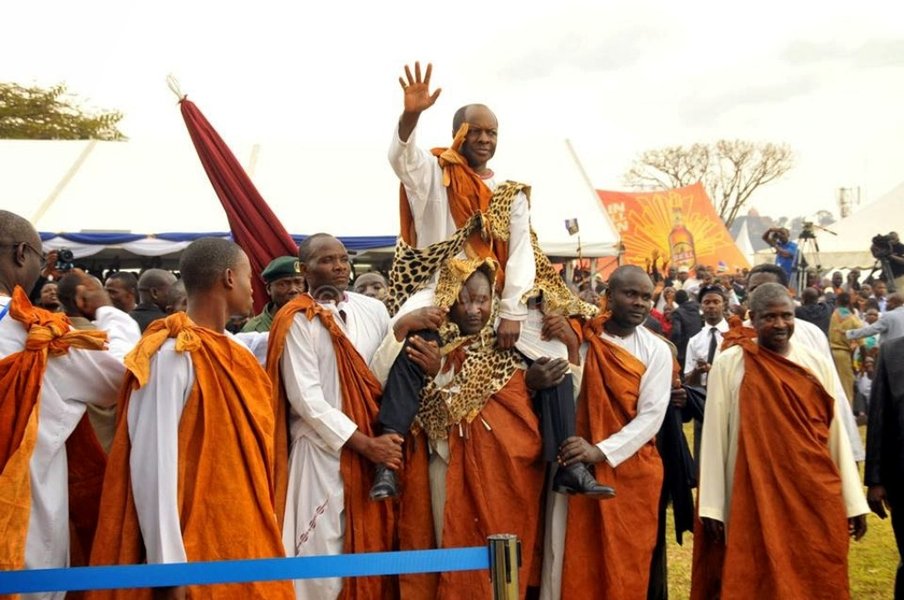
Highlights
- Historical Interplay: Indigenous beliefs, Islam, and Christianity have shaped Uganda’s religious identity.
- Colonial and Post-Colonial Dynamics: The early introduction by missionaries intertwined with political and cultural influences.
- Modern Religious Developments: Pentecostalism, evangelical movements, and state regulations continue to mold the landscape.
Overview of Historical Religious Movements in Uganda
Uganda’s religious panorama is a vibrant tapestry where indigenous traditions, introduced faiths, and modern interpretations blend into a unique narrative. Prior to the arrival of foreign influences, the people of Uganda practiced a variety of indigenous religious systems enriched by ancestor worship, veneration of natural elements, and ritualistic ceremonies. These traditions laid the cultural foundation that would later interact with the new belief systems of Islam and Christianity.
The introduction of Islam to Uganda came through traders and explorers from the East African coast in the 19th century. Early conversions among local leaders such as the Baganda king contributed to the spread of Islam, particularly in the eastern and northern regions of the country. Similarly, Christianity was introduced by European missionaries, beginning in the 1870s with Protestant efforts spearheaded by the Church Missionary Society, followed by the advent of Catholic missions shortly thereafter. This arrival not only transformed the religious landscape but also brought with it educational, social, and political changes that reverberated throughout Uganda.
Over time, these interactions have spurred the rise of African-initiated churches that attempted to reconcile Christian doctrines with indigenous customs. Movements like the Balokole and the later flourishing of Pentecostal and evangelical churches have redefined personal and communal faith practices. Today, Christianity dominates Uganda with around 82% adherents, while Islam remains a significant minority at approximately 13%, interwoven with the remnants of traditional beliefs.
Detailed Historical Timeline and Movements
Indigenous Religions
Early Beliefs and Practices
Before the establishment of formalized religions, Ugandan societies adhered to indigenous spiritual systems that prized the role of ancestors, nature, and ritualistic ceremonies. These systems were diverse and region-specific, often focusing on a creator figure and a pantheon of lesser deities connected with natural forces.
The baganda and other ethnic groups practiced these faiths with deeply embedded cultural traditions that would later influence how new religions were adopted and adapted.
Introduction of Islam
Arrival and Spread
The introduction of Islam in Uganda can be traced back to the 19th century when Arab traders and itinerant preachers made contact with local populations. Early on, significant conversions among local elites, notably within the Baganda kingdom, facilitated the establishment of Islam as a sturdy minority faith.
The Muslim community became particularly prominent in the eastern districts and continues to influence social dynamics and political discourse. Their historical narrative is one of resilience, as Islam navigated both the favor and resistance of emerging colonial and post-colonial governments.
The Christian Influence
Missionary Activities and the Rise of Denominations
Christianity began influencing Uganda when Protestant missionaries from the Church Missionary Society arrived in the late 19th century, establishing significant footholds among indigenous populations. Soon after, Catholic missions followed, leading to dynamic competition that culminated in political and social changes. This period also saw the rise of the renowned “Uganda Martyrs,” whose sacrifices molded national identity.
The advent of African-initiated churches emerged as a counterpoint to the European-dominated churches. These movements incorporated local customs and provided a sense of ownership to indigenous believers. In more recent decades, the rapid expansion of Pentecostal and evangelical movements has signified a shift towards personal spiritual experiences and charismatic leadership.
Modern Pentecostalism and Evangelical Movements
From the 1960s onward, Pentecostalism began to flourish, focusing on personal conversion, dynamic worship, and the manifestation of spiritual gifts. This movement reshaped religious practice particularly in urban areas and among younger demographics. Along with evangelical groups, these modern movements have significantly elevated the role of media, technology, and urban lifestyle in religious practice.
Government policies since the 2010s have also played a role in shaping religious organizations, requiring formal registration of faith-based groups and guidelines on religious education in schools. This regulatory framework has both supported established groups and created challenges for newer, less formal religious movements.
Visual Representation and Comparative Analysis
Radar Chart: Comparative Influence of Religious Movements
The following radar chart offers a visual representation of the key attributes influencing Uganda's religious movements, including indigenous traditions, Islamic impact, Christian missionary activities, African-initiated movements, and modern Pentecostal influences. Each dataset represents an opinionated analysis of the influence on culture, politics, social cohesion, historical impact, and modern growth.
Mermaid Mindmap: Narrative of Uganda's Religious Evolution
The mindmap below encapsulates the key nodes of Uganda's religious evolution: indigenous roots, the advent of Islam, the rise of Christianity, and the emergence of modern movements, including interfaith interactions that persist today.
Comparative Overview: Religions in Uganda
The table below summarizes the key historical and cultural aspects associated with the major religious movements in Uganda, presenting insights into their origins, areas of influence, and notable historical markers.
| Religious Group | Period of Introduction | Key Influences | Regions of Strength | Historical Impact |
|---|---|---|---|---|
| Indigenous Religions | Pre-19th Century | Ancestor worship, nature, rituals | Nationwide (local customs) | Established cultural identity |
| Islam | Early 19th Century | Trade routes, local leadership conversions | Eastern & Northern Uganda | Political and social integration |
| Christianity | Late 19th Century | Missionary work, colonial influence | Central, Eastern, Northern, Western Uganda | Modern education and health systems |
| African-Initiated Churches | Early 20th Century | Indigenized practices, anti-colonial sentiments | Various localities | Empowered cultural self-determination |
| Pentecostalism/Evangelical | Mid-20th Century & Beyond | Charismatic leadership, media expansion | Urban Centers | Dynamic and rapid growth |
Engaging Multimedia
Featured Video
For a dynamic visual overview of the emergence of Islam in Uganda and its historical developments, the video below provides a succinct yet informative review of this religious trajectory.
Frequently Asked Questions
What were the main indigenous religious practices in Uganda?
Indigenous religious practices in Uganda involved the worship of natural elements, ancestors, and a variety of deities. These practices were deeply embedded in communal rituals, ceremonies, and the oral traditions of various ethnic groups, setting the foundation for a rich cultural identity.
How did Islam first spread in Uganda?
Islam was introduced to Uganda by Arab traders and itinerant preachers in the 19th century. Converts among local leadership, particularly in the Baganda kingdom, facilitated its spread, primarily in the eastern and northern regions.
What role did Christianity play during the colonial era?
Christianity had a profound influence during the colonial era by introducing modern education, healthcare, and administrative systems. Missionaries, predominantly from Protestant and Catholic backgrounds, also laid the groundwork for subsequent indigenous church movements.
How have modern Pentecostal and evangelical movements transformed the religious landscape?
Modern Pentecostal and evangelical movements emphasize personal spiritual experiences, charismatic leadership, and the use of media and technology. These movements, especially in urban centers, continue to reshape the landscape by attracting younger demographics and fostering an environment of dynamic religious expression.
References
- Uganda - Christianity, Islam, Animism - Encyclopedia Britannica
- Religion in Uganda - Wikipedia
- Religious Demographics of Uganda - Tukana Wild Safaris
- Religions in Uganda - The Uganda Guide
- Uganda - International Religious Freedom - U.S. Department of State
Recommended Further Queries
Last updated March 31, 2025