
Exploring the Impact of HIV Orphans in Community Health Nursing
Understanding the challenges and comprehensive care for vulnerable children
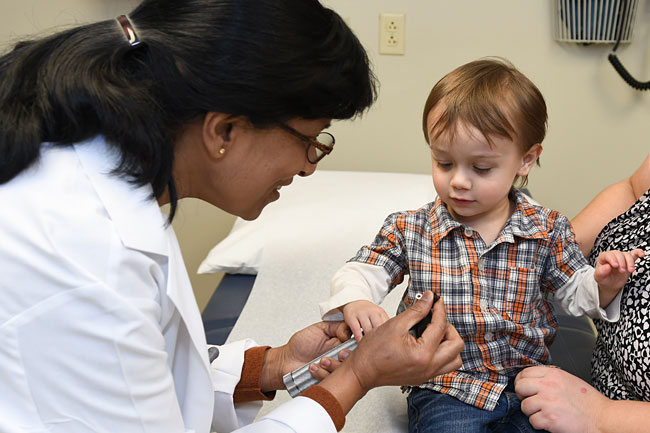
Key Highlights
- Comprehensive Support: Integrating healthcare, psycho-social, educational, and community-driven approaches.
- Community-Based Care: Leveraging local networks and family structures for nurturing interventions.
- Challenges Addressed: Tackling stigma, discrimination, and economic hardship through targeted strategies.
Introduction
HIV orphans are children who have lost one or both parents to AIDS or live in families significantly impacted by the HIV/AIDS pandemic. These children commonly face a multitude of challenges such as social stigma, limited access to healthcare and education, economic difficulties, and emotional trauma. In the realm of community health nursing, the role of supporting HIV orphans is critical due to the multifaceted issues that these vulnerable children encounter.
The Role of Community Health Nursing
Community health nurses are instrumental in providing a spectrum of interventions that address the physical, psychological, and social needs of HIV orphans. Through community-based care programs, nurses engage in:
Holistic Healthcare Interventions
Nurses ensure ongoing medical support including regular health assessments, preventative care, and the facilitation of antiretroviral therapy where appropriate. Physical health monitoring, early diagnosis, and integrated nutritional support are essential to improve the overall well-being of these children.
Psychosocial and Emotional Support
The emotional turmoil resulting from parental loss often leads to psychological distress among HIV orphans. Community health nurses provide vital mental health services including counseling, the establishment of peer support groups, and community engagement activities that foster a positive social environment. These efforts help the children cope with grief and avoid the detrimental effects of isolation.
Educational Advocacy and Empowerment
Education acts as a transformative pathway for HIV orphans to break the cycle of poverty and marginalization. Nurses, alongside community leaders, work to remove barriers to education by advocating for affordable school supplies, transportation assistance, and tutoring programs. These educational interventions, coupled with life-skills training, are pivotal in empowering the children for future independence.
Community-Based and Family-Centered Approaches
Recognizing the importance of familial and community ties, community health nursing emphasizes the benefits of community-based care tailored to the needs of HIV orphans. Integrating local organizations, kinship networks, and volunteer community health workers creates a sustainable support system that strengthens the resilience of entire communities. This collaborative model not only provides direct care but also mobilizes resources and fosters local leadership in tackling the crisis.
Challenges Faced by HIV Orphans
HIV orphans encounter numerous challenges that derail their prospects for a healthy and productive future. The most pressing issues include:
Social Stigma and Discrimination
Social stigmatization remains one of the most pervasive challenges for HIV orphans. The association with HIV/AIDS exposes these children to discrimination, leading to isolation and reduced opportunities for integration within their communities. This stigma can prevent them from accessing essential services, including education and healthcare.
Healthcare and Nutritional Deficiencies
The loss of a parent often results in economic hardships that significantly reduce the capacity of families to provide proper nutrition and healthcare. HIV orphans are more likely to suffer from malnutrition, recurrent infections, and untreated medical conditions. The risk of mother-to-child transmission in some cases further exacerbates the vulnerability of these children.
Psychological Trauma and Emotional Distress
The trauma from losing a parent and dealing with chronic societal stigma can lead to long-term psychological issues such as depression, anxiety, and behavioral problems. Without adequate mental health support, these orphans are at risk of developing more severe emotional complications that can impede their development.
Limited Access to Education
Economic constraints and discrimination greatly obstruct the educational opportunities available to HIV orphans. Lack of access to quality education not only diminishes future employment opportunities but also affects the overall wellbeing and empowerment of these children.
Economic Hardship and Resource Scarcity
The socioeconomic burden borne by families caring for HIV orphans is considerable. With reduced financial support, these households often struggle with meeting basic necessities such as food, shelter, and healthcare. The resulting economic hardship further limits the capability of the community to provide effective and sustained interventions.
Integrated Interventions and Community-Based Strategies
A comprehensive approach by community health nurses can be installed to address the layered needs of HIV orphans. Ensuring a well-rounded strategy involves a seamless integration of multiple health, social, and educational services into a unified care plan. The following table provides an overview of the primary components of this integrated care model:
| Component | Description | Expected Outcome |
|---|---|---|
| Medical Care | Regular health screening, immunizations, and access to antiretroviral therapy; nutritional support for physical wellbeing. | Improved overall health and reduced risk of opportunistic infections. |
| Psychosocial Support | Counseling services, mental health programs, and peer support groups to address grief and trauma. | Enhanced emotional resilience and reduced psychological distress. |
| Educational Empowerment | Access to affordable education, tutoring services, and life-skills training programs. | Increased literacy and long-term self-sufficiency. |
| Community Involvement | Engagement of community health workers, local organizations, and kinship networks to provide support services. | Sustainable support systems and stronger community bonds. |
| Policy Advocacy | Promotion of policies aimed at protecting the rights of HIV orphans, facilitating access to essential services, and countering stigma. | Improved legal and social framework supporting orphans’ rights. |
Multifaceted Role of Community Health Nurses in Supporting HIV Orphans
The role of community health nurses in caring for HIV orphans extends across several domains. Nurses are uniquely positioned to identify the needs of vulnerable children and implement targeted interventions designed to mitigate the multi-layered effects of HIV/AIDS on this population.
Direct Health Interventions
Through persistent monitoring and personalized care, nurses can detect early signs of illness, manage chronic conditions, and ensure timely medical interventions. This proactive approach empowers children to maintain better health outcomes even under resource constraints.
Psycho-Social and Emotional Care
Delivering effective psychosocial and emotional care involves providing accessible mental health services, counseling, and community support groups. By fostering an inclusive and nurturing environment, nurses help orphans build resilience against the mental health challenges associated with loss and stigmatization.
Educational and Social Empowerment Programs
Access to quality education is an essential aspect of breaking the cycle of poverty experienced by HIV orphans. Community health nurses work alongside educational institutions and local NGOs to remove barriers that prevent these children from thriving academically and socially.
Policy and Community Advocacy
Advocacy is a central pillar of community health nursing, particularly when it involves championing the rights and needs of HIV orphans. By collaborating with government bodies, community organizations, and international agencies, nurses help generate policies that promote social justice, equal access to resources, and overall empowerment for these vulnerable populations.
Recommendations for Future Interventions
The sustainability of interventions targeting HIV orphans is paramount. Future strategies should consider:
Expanding Community-Based Programs
Investment in community-led initiatives that integrate traditional care methods with modern healthcare practices is key. As the number of HIV orphans continues to challenge health systems globally, community-based programs that are culturally sensitive and community-specific offer viable, cost-effective solutions.
Enhancing Intersectoral Collaboration
Increased collaboration between healthcare, education, and social service departments can facilitate a more cohesive care network. This integrated approach ensures that all aspects of an orphan’s wellbeing are addressed harmoniously.
Promoting Mental Health Awareness
Initiatives aimed at reducing stigma and increasing mental health literacy are essential. Creating supportive environments in schools and communities can lead to a significant reduction in the psychological impact on HIV orphans.
Empowering Families and Communities
Supporting families through economic aid, counseling, and skill development programs can improve the overall care environment. Empowered families are better equipped to nurture the growth and development of HIV orphans.
References
-
USAID – Orphans and Vulnerable Children - USAID
- FHI 360 – HIV Orphans Support - FHI 360
- PubMed – Community-based Orphan Care - PubMed
- UNAIDS – Understanding AIDS Orphans - UNAIDS
-
ScienceDirect – Research on AIDS orphans - ScienceDirect
Recommended Further Queries
Last updated March 25, 2025