
Unlocking the Sky: What Every Aspiring Weather Watcher Needs to Know
Embark on your meteorological journey with these essential insights for observing, understanding, and even predicting the weather.
Becoming a hobby meteorologist opens up a fascinating world of atmospheric science, accessible right from your backyard. It's a pursuit that blends observation, learning, and the thrill of understanding the ever-changing skies. To truly enjoy and excel in this hobby, there are several cornerstone areas of knowledge and practice you should cultivate.
Key Takeaways for the Enthusiast Meteorologist
- Master the Fundamentals: A solid grasp of basic atmospheric principles—like pressure, temperature, humidity, and wind—is the bedrock of all weather understanding.
- Equip Yourself Wisely: Starting with simple tools and gradually progressing to more sophisticated instruments will enhance your observational capabilities significantly.
- Embrace Continuous Learning: The weather is a dynamic teacher. Supplement your observations with reliable resources and connect with fellow enthusiasts to deepen your expertise.
Laying the Groundwork: Fundamental Meteorological Concepts
Understanding the "why" behind weather phenomena is crucial. This involves getting to grips with the core elements that drive atmospheric changes.
The Atmosphere and Its Mechanics
The Earth's atmosphere is a complex system. As a hobbyist, focus on the troposphere, the lowest layer, where most weather occurs. Key concepts include:
- Atmospheric Pressure: The weight of the air above a given point. Changes in pressure drive wind and are associated with different weather systems (high pressure often means clear skies, low pressure can indicate storms).
- Temperature: A measure of heat in the atmosphere, influencing air density, moisture capacity, and the formation of weather phenomena.
- Humidity: The amount of water vapor in the air. Relative humidity is a key factor in cloud formation, dew, fog, and how the temperature feels.
- Wind: The movement of air, primarily caused by pressure differences. Understanding wind speed and direction is vital for tracking weather systems.
- Weather Systems: Learn to identify and understand fronts (cold, warm, occluded, stationary), high and low-pressure areas, cyclones, and anticyclones. These systems dictate regional and local weather patterns. The jet stream, a high-altitude current of air, also plays a significant role in steering these systems.
The Language of Clouds
Clouds are not just beautiful; they are visual indicators of atmospheric processes. Learning to identify different cloud types and what they signify is a fundamental skill. The classification system, largely developed by amateur meteorologist Luke Howard in the early 19th century, is still in use today.
- High Clouds (e.g., Cirrus, Cirrocumulus, Cirrostratus): Composed mainly of ice crystals, often thin and wispy. Cirrus clouds can indicate an approaching warm front.
- Mid-Level Clouds (e.g., Altocumulus, Altostratus): Composed of water droplets or ice crystals. Altostratus can signal approaching precipitation.
- Low Clouds (e.g., Stratus, Stratocumulus, Nimbostratus): Composed mostly of water droplets. Stratus clouds are flat and featureless, often bringing drizzle. Nimbostratus are thick, dark rain clouds.
- Clouds with Vertical Development (e.g., Cumulus, Cumulonimbus): Cumulus clouds are puffy and can indicate fair weather, but can grow into towering Cumulonimbus clouds, which are associated with thunderstorms.
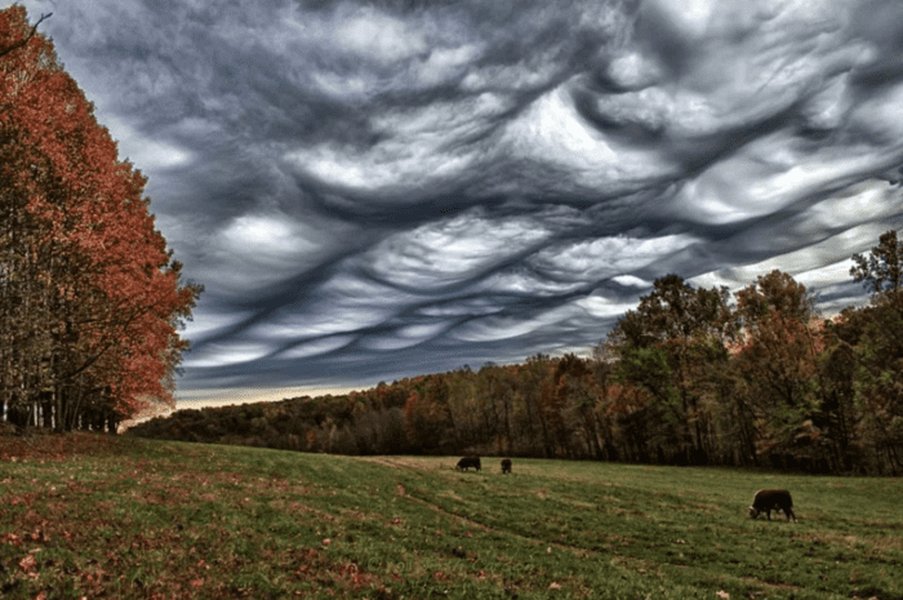
A visual guide to common cloud types and their typical altitudes.
Gearing Up: Essential Tools and Observation Techniques
Accurate observation is the heart of amateur meteorology. Equipping yourself with the right tools will transform your hobby from passive observation to active data collection.
Choosing Your Instruments
You can start with basic instruments and potentially invest in a more comprehensive personal weather station (PWS) as your interest grows. Popular brands for PWS include AcuRite, La Crosse Technology, Davis Instruments, and Ambient Weather.
Key Weather Instruments
This table outlines some of the fundamental instruments used in meteorology and their significance for hobbyists:
| Instrument | Measures | Importance for Hobbyist |
|---|---|---|
| Thermometer | Air Temperature | Fundamental for tracking daily and seasonal changes, and understanding air mass characteristics. |
| Barometer | Atmospheric Pressure | Crucial for identifying approaching weather systems; falling pressure often indicates deteriorating weather, while rising pressure suggests improvement. |
| Hygrometer | Humidity (Water Vapor Content) | Helps in predicting dew, frost, fog, and understanding human comfort levels (heat index, dew point). |
| Anemometer | Wind Speed | Essential for gauging storm intensity, understanding local wind patterns, and wind chill calculations. |
| Wind Vane | Wind Direction | Indicates the origin of air masses and helps in tracking the movement of weather systems. |
| Rain Gauge | Amount of Precipitation | Measures rainfall, vital for agriculture, hydrology, and understanding local climate variations. |
| Personal Weather Station (PWS) | Multiple Parameters (often all the above, plus UV index, solar radiation, etc.) | Provides comprehensive, real-time local weather data, often with digital logging and online sharing capabilities. |
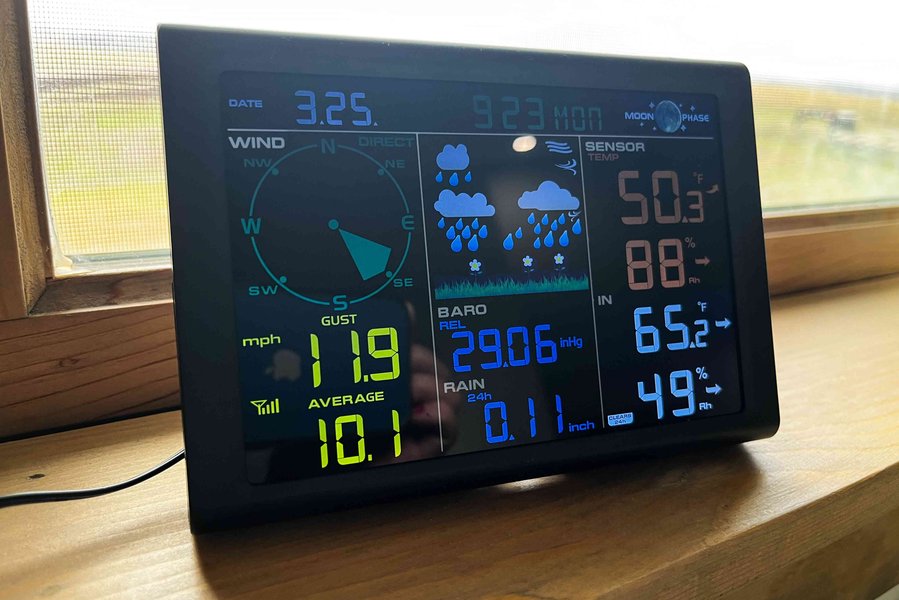
A typical home weather station, capable of measuring various atmospheric conditions.
Mastering Observation and Data Interpretation
Beyond instruments, develop your observational skills:
- Regular Recording: Keep a weather journal or use digital tools to log your observations (temperature, pressure, humidity, wind, cloud cover, precipitation) at consistent times. This helps in identifying local patterns and trends.
- Reading Weather Maps: Learn to interpret surface analysis maps, which show pressure systems, fronts, and station data. Many national weather services provide these online.
- Understanding Radar and Satellite Imagery: Radar images show precipitation intensity and movement, while satellite images reveal cloud patterns and large-scale systems. These are invaluable for short-term forecasting.
- Natural Signs: While not a substitute for instruments, observing natural signs (e.g., animal behavior, plant responses, traditional sky interpretation) can add another layer to your understanding, connecting you to historical weather wisdom.
Developing Your Forecasting Acumen
Making your own weather predictions is one of the most rewarding aspects of this hobby. It requires a blend of knowledge, observation, and analytical skill.
The Art and Science of Prediction
- The "Observe-Create-Confirm" Cycle: A practical approach involves:
- Observe: Monitor current conditions using your instruments and online data (maps, radar, satellite).
- Create: Formulate a hypothesis or forecast based on your understanding of meteorological principles and observed patterns.
- Confirm: Verify your forecast against actual weather developments and official forecasts. This feedback loop is crucial for learning.
- Pattern Recognition: Learn to recognize common weather patterns associated with approaching fronts, pressure system movements, and seasonal changes specific to your region.
- Understanding Forecast Models: Familiarize yourself with numerical weather prediction (NWP) models (e.g., GFS, ECMWF), often accessible through weather websites. Understand their strengths, weaknesses, and that they are tools, not infallible oracles. Avoid over-reliance on a single model.
- Limitations of Forecasting: Be aware that weather forecasting is inherently probabilistic. Accuracy generally decreases significantly beyond 5-7 days. Focus on short-to-medium range forecasts for your local area.
- Local Knowledge (Microclimates): Your specific location (terrain, proximity to water bodies, urban heat island effect) can influence weather significantly. Developing an understanding of your local microclimate is key to refining your forecasts.
Visualizing Meteorological Skill Development
The journey of a hobby meteorologist involves developing a range of skills. The radar chart below illustrates a conceptual representation of how the importance of different skill areas might be perceived by a beginner versus a more advanced hobbyist. This is an opinionated visualization designed to highlight a potential progression in focus.
This chart suggests that while foundational knowledge, observation, and instrument use are important throughout, an advanced hobbyist might place greater emphasis on sophisticated forecasting, in-depth data interpretation, and potentially contributing to citizen science (implied in community engagement and robust skills).
Mapping Your Meteorological Journey
The pursuit of amateur meteorology encompasses several interconnected domains. The mindmap below provides a visual overview of the key areas a hobbyist should explore to build a comprehensive understanding and skill set. It organizes the essential components discussed, showing how they relate to each other in the broader context of weather enthusiasm.
(Temp, Pressure, Humidity, Wind)"] id1c["Weather Systems
(Fronts, High/Low Pressure)"] id1d["Cloud Types & Identification"] id1e["Climate vs. Weather"] id2["Tools & Observation"] id2a["Basic Instruments
(Thermometer, Barometer, etc.)"] id2b["Personal Weather Stations (PWS)"] id2c["Reading Weather Maps"] id2d["Interpreting Radar/Satellite"] id2e["Systematic Data Recording"] id2f["Observing Natural Signs"] id3["Forecasting Skills"] id3a["Observe-Create-Confirm Cycle"] id3b["Pattern Recognition"] id3c["Using Forecast Models (NWP)"] id3d["Understanding Forecast Limitations"] id3e["Local Microclimate Awareness"] id4["Learning & Resources"] id4a["Online Courses & Tutorials"] id4b["Meteorology Books & Guides"] id4c["Weather Websites & Apps"] id4d["National Weather Service Info"] id5["Community & Application"] id5a["Joining Weather Clubs/Forums"] id5b["Citizen Science (e.g., CoCoRaHS, Skywarn)"] id5c["Sharing Observations"] id5d["Weather Journaling/Blogging"] id6["Safety & Ethics"] id6a["Severe Weather Awareness"] id6b["Safe Observation Practices"] id6c["Responsible Information Sharing"]
This mindmap acts as a conceptual guide, highlighting the core pillars of amateur meteorology, from understanding the science to applying your knowledge ethically and safely.
Deepening Your Understanding: Educational Resources
Continuous learning is key. Thankfully, there's a wealth of resources available:
- Online Courses: Platforms like Udemy, edX, Coursera, and Alison offer free or affordable courses on basic meteorology, atmospheric science, and even specialized topics like severe weather. The U.S. National Weather Service's "JetStream - An Online School for Weather" and the Met Office's educational materials are excellent starting points.
- Books: Look for introductory meteorology textbooks or guides written for enthusiasts. "Meteorology Today" by C. Donald Ahrens or "The AMS Weather Book" are often recommended.
- Websites and Apps: Numerous websites provide real-time data, forecasts, and educational content. Government sites like NOAA/NWS (USA) or the Met Office (UK) are invaluable. Weather apps can provide data and model outputs.
- Community Engagement: Join online forums (like subreddits r/meteorology), social media groups, or local weather clubs. Sharing observations and learning from experienced enthusiasts is highly beneficial. Consider citizen science projects like CoCoRaHS (Community Collaborative Rain, Hail and Snow Network) or becoming a SKYWARN storm spotter.
This video, "Basic Understanding of Weather - Weather Observing Course (Chapter 1)," provides an excellent introduction to fundamental meteorological concepts and how national weather services operate, making it a valuable resource for beginners looking to establish a solid foundation in weather science.
Practical Application and Safety
Applying Your Knowledge
Use your growing knowledge for practical purposes: plan outdoor activities, understand agricultural impacts, or simply appreciate the daily weather ballet. Keeping a detailed weather journal not only hones your skills but also creates a valuable long-term record of your local climate.
Safety First
When observing weather, especially severe conditions, prioritize safety. Learn to recognize signs of dangerous weather (lightning, hail, tornadoes, flooding) and understand appropriate safety procedures. Never put yourself at risk for an observation.
Frequently Asked Questions (FAQ)
Do I need a formal degree to be a hobby meteorologist?
No, a formal degree is not necessary to enjoy meteorology as a hobby. Many enthusiasts are self-taught, utilizing online resources, books, and practical experience. The key is a passion for learning and consistent observation.
What are some common mistakes beginner hobby meteorologists make?
Common pitfalls include over-relying on a single forecast model, misinterpreting radar/satellite data without understanding its limitations, neglecting local microclimate effects, and not consistently verifying personal forecasts against actual outcomes. It's also important to ensure instruments are properly sited for accurate readings.
How can I contribute my observations to scientific efforts?
You can join citizen science programs like CoCoRaHS (Community Collaborative Rain, Hail and Snow Network) to report precipitation measurements, or become a trained SKYWARN storm spotter for the National Weather Service (in the US) to report severe weather. These contributions are valuable for research and public safety.
Is it expensive to get started with weather instruments?
Not necessarily. You can start with very affordable basic instruments like a simple thermometer and rain gauge. A good quality personal weather station can be a more significant investment, but prices vary widely, and you can choose one that fits your budget and desired features as your interest grows.
How important is understanding local geography for hobby meteorology?
Very important. Local terrain features like mountains, valleys, large bodies of water, and even urban development can significantly influence local weather patterns (microclimates). Understanding these effects will greatly improve the accuracy of your local forecasts and observations.
Recommended Next Steps
Continue your exploration with these related queries:
- How can I learn to interpret weather radar images effectively as a beginner?
- What are the best personal weather stations for home use on a moderate budget?
- Where can I find resources to understand numerical weather prediction models better?
- What are the key visual signs that indicate severe weather might be approaching my area?
References

Last updated May 10, 2025