
Adhering to Inclusivity Standards in Hotel Design
Creating Accessible and Welcoming Environments for All Guests
Key Takeaways
- Comprehensive Physical Accessibility: Ensuring all areas of the hotel are easily navigable for guests with varying mobility needs.
- Sensory and Communication Accommodations: Implementing features that assist guests with sensory impairments and diverse communication preferences.
- Inclusive Technology and Staff Training: Utilizing advanced technologies and training staff to enhance the overall guest experience for everyone.
Comprehensive Physical Accessibility
Accessible Entrances and Circulation
One of the foundational aspects of an inclusive hotel design is ensuring that all entrances and circulation pathways are accessible. This includes the installation of ramps or automatic doors to facilitate easy entry for guests using wheelchairs, strollers, or other mobility aids. Doorways should have a minimum width of 32 inches to allow unobstructed passage. Additionally, hallways, ramps, and other circulation paths should be at least 36 inches wide to accommodate wheelchair users comfortably, ensuring that guests can move around the hotel without unnecessary hindrances.
Inclusive Guest Room Designs
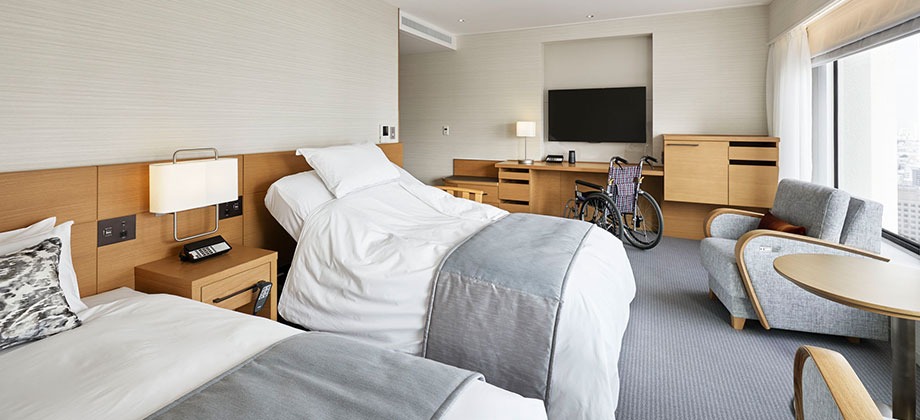
Guest rooms should be designed with universal design principles, making them usable by all guests regardless of their physical abilities. This involves creating spacious layouts with minimal and flexible furniture arrangements to allow for easy navigation and adaptability. Adjustable bed heights between 17 and 19 inches are recommended to facilitate easier transfers. Tables within the room should have surface heights ranging from 28 to 34 inches and include knee and toe clearance to accommodate wheelchair access. Additionally, removing unnecessary obstacles and ensuring that essential controls for lighting, temperature, and media are within easy reach can significantly enhance the usability of the room for all guests.
Accessible Bathrooms
Bathrooms are critical areas where accessibility must be meticulously addressed. Installing grab bars near toilets and in shower areas provides necessary support for guests with mobility challenges. Roll-in showers equipped with adjustable showerheads allow guests using wheelchairs to bathe comfortably. Toilets should be raised to an appropriate height to facilitate easy use, and all fixtures must be wheelchair-accessible. Ensuring that there is adequate turning space within the bathroom—typically a 60-inch diameter—allows for smooth maneuverability. Additionally, lower counter heights (around 36 inches) can accommodate guests seated in wheelchairs, making the bathroom functional and safe for everyone.
Parking and Outdoor Spaces
Accessible parking is a crucial component of hotel inclusivity. Reserving parking spaces close to the building entrances with clear signage and curb cuts ensures that guests with disabilities can park conveniently. Outdoor spaces, including gardens, pools, and recreational areas, should feature accessible routes and seating options. This might include pathways that are free of obstructions, ramps for raised areas, and seating designed to accommodate guests with mobility aids. Ensuring that outdoor amenities are accessible not only enhances the guest experience but also demonstrates the hotel's commitment to inclusivity.
Flexible Furniture and Fixtures
Incorporating flexible furniture and fixtures within the hotel allows rooms and common areas to be easily reconfigured to meet the diverse needs of guests. For instance, tables and chairs that can be moved or adjusted in height provide versatility, making spaces more adaptable for different uses. This flexibility is particularly beneficial for guests with varying mobility requirements or those who may need to rearrange the space to accommodate medical devices or other assistive equipment.
Clear Pathways
Ensuring that all pathways are free from obstacles enhances safety and accessibility. This involves regular maintenance to remove any obstructions, such as misplaced furniture or debris, and designing floor plans that prioritize open and clear routes throughout the hotel.
Adequate Lighting
Proper lighting is essential for visibility and safety, particularly for guests with visual impairments. Incorporating ample lighting in corridors, stairways, and entrances helps prevent accidents and ensures that all areas are easily navigable at any time of day.
Sensory and Communication Accommodations
Visual and Tactile Signage
Effective signage is vital for guiding guests throughout the hotel. Utilizing high-contrast colors and large fonts makes signs more readable for guests with visual impairments. Incorporating braille and tactile markings on signs, especially in elevators and critical navigation points, ensures that guests who are blind or have low vision can navigate the premises independently and confidently.
Audio Assistance and Visual Alerts
Implementing audio prompts in elevators, public spaces, and common areas aids guests with visual impairments by providing necessary information audibly. Simultaneously, visual alert systems in guest rooms—such as flashing lights for alarms—ensure that guests who are deaf or hard of hearing are promptly notified during emergencies. Additionally, offering closed-captioned televisions and integrating voice-activated room controls further enhances accessibility for guests with hearing impairments.
Quiet and Sensory-Friendly Spaces
Designating quiet rooms or zones within the hotel caters to guests with sensory sensitivities. These areas should feature soundproofing, adjustable lighting, and minimal visual clutter to create a calming environment. By providing such spaces, hotels can accommodate guests who may require a more serene setting to maintain comfort and well-being during their stay.
Multilingual Support and Clear Wayfinding
In today's globalized world, offering multilingual support is essential for accommodating international guests. Providing guest-facing materials—such as menus, instructions, and informational signage—in multiple languages ensures that non-native speakers can easily understand and navigate the hotel's offerings. Additionally, implementing clear and intuitive wayfinding markers assists guests with cognitive impairments or those unfamiliar with the local language in navigating the hotel environment with ease.
Consistent Layouts
Maintaining a consistent layout throughout the hotel aids in reducing confusion and helps guests anticipate the location of amenities and services. This consistency is particularly beneficial for guests with cognitive disabilities who may find it easier to navigate spaces that follow a predictable structure.
Interactive Information Displays
Interactive information displays equipped with touchscreens and audio output can provide guests with customizable access to information about the hotel, local attractions, and services. These displays should be designed to be accessible, allowing for ease of use by guests with varying levels of ability.
Inclusive Technology and Staff Training
Advanced Assistive Technologies
Embracing advanced assistive technologies can significantly enhance the accessibility of hotel environments. Voice-activated systems allow guests to control room settings such as lighting, temperature, and entertainment without physical interaction. Accessible check-in kiosks streamline the arrival process for guests with mobility challenges, and mobile apps designed for room control provide an additional layer of convenience by enabling guests to manage their accommodations directly from their smartphones.
Accessible Digital Platforms
Ensuring that online booking systems and hotel websites adhere to the Web Content Accessibility Guidelines (WCAG) is crucial for accessibility. Features like text-to-speech functionality, adjustable font sizes, and keyboard navigation compatibility make digital platforms more user-friendly for guests with disabilities. By prioritizing digital accessibility, hotels can provide a seamless and inclusive booking experience for all potential guests.
Staff Training and Awareness
Comprehensive staff training is essential for fostering an inclusive and supportive environment within the hotel. Training programs should focus on accessibility standards, disability awareness, and inclusive service practices. Equipping staff with the knowledge and skills to assist guests effectively—such as understanding sign language or alternative communication methods—ensures that all guests feel welcomed and supported during their stay.
Disability Sensitivity Training
Providing disability sensitivity training helps staff understand the diverse needs of guests with disabilities. This training can cover appropriate communication techniques, proper assistance methods, and strategies for creating an inclusive atmosphere. By fostering empathy and understanding, staff can provide a higher level of service and enhance the overall guest experience.
Emergency Preparedness and Safety
Training staff on emergency preparedness is vital to ensure the safety of all guests. This includes developing accessible evacuation plans that account for guests with disabilities and conducting regular drills to practice these procedures. Staff should be knowledgeable about the use of multi-channel communication systems—such as visual, auditory, and tactile signals—to provide clear instructions during emergencies, ensuring that all guests receive the necessary information to evacuate safely.
Emergency Preparedness and Safety
Developing comprehensive emergency preparedness plans that specifically address the needs of guests with disabilities is paramount. This includes creating accessible evacuation routes, utilizing multi-channel communication systems for alerts, and ensuring that all staff are trained to assist guests with various disabilities during emergencies. Regularly reviewing and updating these plans helps maintain readiness and ensures that all guests are protected in the event of an emergency.
Inclusive Amenities and Decor
Accessible Gallery and Common Areas
Common areas such as dining rooms, lounges, and pools should be designed with accessibility in mind. This includes providing accessible seating options, ensuring clear pathways free from obstructions, and incorporating features like adjustable tables to accommodate guests with different needs. Inclusive decor and artwork that represent diverse cultures and communities contribute to a welcoming and visually engaging environment for all guests.
Flexible Room Configurations
Offering flexible room configurations caters to the diverse needs of guests, including different family structures such as multi-generational families, single travelers, and groups. Room amenities should be culturally sensitive, recognizing and respecting the varying preferences and requirements of a global clientele. This adaptability ensures that all guests feel comfortable and accommodated during their stay.
Community Engagement and Inclusive Event Spaces
Collaborating with local organizations that advocate for disability rights and cultural inclusion can provide valuable insights into continuously improving hotel design and service standards. Inclusive event spaces, such as conference halls and wedding venues, should be adaptable to accommodate a wide range of cultural, religious, and social requirements. Providing services that cater to diverse needs ensures that events hosted at the hotel are accessible and enjoyable for all participants.
Culturally Responsive Design
Incorporating elements of culturally responsive design, such as artwork, color schemes, and thematic decor that reflect the local culture and the diversity of guests, creates a more inclusive and engaging atmosphere. This approach fosters a sense of belonging and respect, enhancing the overall guest experience.
Adaptive Event Facilities
Adaptive event facilities should include features like adjustable lighting, sound systems compatible with hearing aids, and seating arrangements that accommodate guests with mobility devices. Ensuring that these spaces are versatile and inclusive makes them suitable for a broader range of events and attendees.
Comprehensive Table of Accessibility Features
| Feature | Description | Benefits |
|---|---|---|
| Accessible Entrances | Ramps and automatic doors with minimum 32-inch widths | Facilitates easy access for guests using wheelchairs or mobility aids |
| Universal Guest Rooms | Spacious layouts, adjustable bed heights, accessible tables | Ensures rooms are usable by guests with various needs |
| Accessible Bathrooms | Grab bars, roll-in showers, wheelchair-accessible fixtures | Enhances safety and independence for guests with disabilities |
| Visual and Tactile Signage | High-contrast signs, braille, tactile markings | Improves navigability for guests with visual impairments |
| Assistive Technology | Voice-activated controls, accessible check-in kiosks | Enhances user experience and accessibility |
| Staff Training | Accessibility awareness, disability sensitivity training | Ensures staff can effectively assist all guests |
| Emergency Preparedness | Accessible evacuation plans, multi-channel emergency alerts | Ensures the safety of all guests during emergencies |
| Inclusive Decor | Artwork and themes representing diverse cultures | Creates a welcoming and engaging environment for all guests |
| Flexible Event Spaces | Adaptable lighting, sound systems, and seating arrangements | Accommodates a wide range of events and attendees |
Conclusion
Adhering to inclusivity standards in hotel design is not only a legal requirement but also a commitment to providing exceptional service to all guests, regardless of their abilities. By implementing comprehensive physical accessibility features, such as barrier-free entrances, universal guest rooms, and accessible bathrooms, hotels ensure that guests with mobility challenges can navigate and enjoy their stay with ease. Incorporating sensory and communication accommodations, including visual and tactile signage, audio assistance, and multilingual support, caters to guests with diverse sensory and communication needs, enhancing their overall experience. Additionally, integrating inclusive technologies and providing thorough staff training fosters an environment of support and understanding, ensuring that all interactions are positive and accommodating. Furthermore, designing inclusive amenities and decor that reflect cultural diversity and community engagement promotes a welcoming and respectful atmosphere for all guests. Comprehensive emergency preparedness plans and adaptive event spaces further solidify a hotel's dedication to inclusivity and safety. By embracing these design solutions, hotels not only comply with accessibility standards but also create a more equitable and enjoyable experience for a diverse clientele, ultimately enhancing their reputation and fostering guest loyalty.
References
Last updated February 11, 2025