
Decoding House Construction Dates and Cryptocurrency Mining Research
A Comprehensive Exploration of Property Age Identification and Crypto Mining Academic Resources
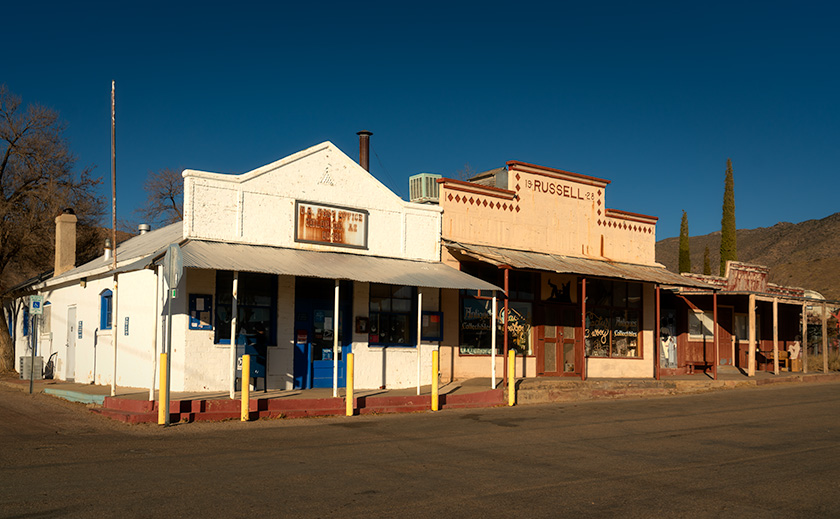
Essential Highlights
- House Identification Methods: Use public records, building permits, deed documents, historical maps, and physical clues to pinpoint when a house was constructed.
- Cryptocurrency Mining Research: Access a variety of journals and academic resources to better understand the dynamic field of crypto mining and its environmental, economic, and technological challenges.
- Integrated Strategies: Both topics require a combination of digital research and expert consultation, whether you're verifying property details or exploring scholarly journals.
Introduction
In today’s digital era, obtaining detailed historical data on various subjects has become considerably easier using online platforms and digital records. Two diverse but equally intriguing aspects of research include determining the construction timeline of a property and delving into the academic study of cryptocurrency mining. Although these topics may appear unrelated at first glance, both demand meticulous methodologies, the use of multiple resources, and consideration of both official documents and physical evidence.
Part I: Determining the Construction Date of a House
Overview
Understanding when a house was built is crucial not only for historical curiosity but also for practical reasons, such as property valuation, renovations, and heritage conservation. There are several approaches that homeowners, prospective buyers, or researchers can take to piece together the construction timeline of a property. These methods range from examining public records to physically inspecting the building. Below, we delve into the best practices and techniques used to determine the construction date of a house.
Utilizing Public Records
County Assessor and Recorder Offices
The local county assessor's and recorder's offices are excellent starting points. Government institutions maintain detailed records of property assessments, including the year buildings were erected. These records may be accessible online or by visiting the office in person. Typically, public records include:
- Construction or assessment year of the property
- Tax assessment reports that indicate property details over time
- Historical records that can show changes in ownership and major renovations
In many jurisdictions, these offices have online parcel viewers or digital databases where users can search for the property by address or parcel identification numbers. Inputting the property details can bring up historic construction data, which might include the original build date or any modifications made during renovations.
Building Permits and Architectural Records
Another powerful tool in establishing the construction timeline of a property is reviewing building permits and architectural records. Municipal planning departments archive permits used for new constructions, renovations, or additions. These permits typically list important details, such as the issuance date and sometimes the expected or actual construction dates.
In some cases, homeowners can request a search of the municipal building records, which may also include:
- Details regarding construction companies involved
- Architectural plans and drawn blueprints
- Inspections and revisions approved throughout the construction process
These records not only confirm the age of the property but can also uncover modifications and restorations that may have altered the house’s original design.
Examining Legal Documents and Historic Maps
Deed and Title History
The deed, mortgage documents, title insurance policies, and other legal papers are valuable sources of historical data. These documents often get updated during property transactions and may include key dates:
- Warranty Deeds: Document the original sale and sometimes include references to the date of construction.
- Home Appraisals: Appraisals often list the definitive construction year, supplemented by updates following renovations.
While these records may not always provide the exact build date, they offer context regarding property transactions and often point to when significant work or updates were done to the structure.
Historical Maps and Atlases
Historical maps and atlases can be a surprising and insightful source for understanding property age. By accessing local archives or libraries, you can view maps from different decades. Overlaying these maps or comparing different time periods may reveal:
- The first appearance of a building on official maps.
- Urban development patterns that indicate when residential areas were established.
These comparisons provide a rough timeline that situates your property within the context of neighborhood development and city planning. Libraries or local historical societies often have archives of such maps that may not be available online.
Inspecting the Property for Physical Clues
Structural and Material Analysis
A hands-on approach is also notable when public records are incomplete or unavailable. Often, the property itself holds clues about its construction date:
- Stamped Materials: Search for dates stamped or imprinted on building materials such as bricks, support beams, pipes, and fixtures.
- Architectural Details: Styles, molding techniques, window designs, and roofing can suggest a particular era or architectural trend.
Inspecting areas like the basement, attic, or utility closets for date codes can be particularly revealing. In some instances, manufacturers stamp the installation dates on fixtures or machinery, which when cross-referenced, can help narrow down the construction period.
Consulting Local Experts and Neighbors
Networking within your community can also serve as an invaluable resource. Homeowners, local real estate professionals, or long-time neighbors can provide historical insights or anecdotal evidence regarding when a property was constructed. Local real estate agents, especially those who specialize in historic homes, can often access the multiple listing service (MLS), which records important details about the construction date.
Compiling and Cross-Referencing Data
To achieve the most accurate conclusion, it is advisable to collect information from several sources and cross-reference them. Combining public records, physical inspection findings, legal documents, and expert insights results in a well-rounded picture of the house’s history. Creating a timeline through a dedicated table or spreadsheet can help identify any inconsistencies, ensuring that the final estimate is as precise as possible.
Useful Comparison Table
| Method | Key Indicators | Data Sources |
|---|---|---|
| Public Records | Assessment Year, Tax Records, Parcel Information | County Assessor's Office, Online Databases |
| Building Permits | Permit Issuance Date, Architectural Plans, Renovation Approvals | Municipal Building Departments, Digital Archives |
| Legal Documents | Deed, Warranty Policy, Mortgage Documents | County Recorder’s Office, Title Companies |
| Physical Inspection | Stamped Dates on Materials, Architectural Style Analysis | Home Inspection Reports, On-Site Assessments |
| Historical Research | Historic Maps, Local Archive Records | Libraries, Historical Societies |
| Expert Consultation | Professional Opinions, Local Stories | Real Estate Agents, Local Residents |
Part II: Cryptocurrency Mining Research Journals
Overview of Cryptocurrency Mining
Cryptocurrency mining remains one of the most dynamic and widely discussed components of blockchain technology. The process involves verifying transactions on a decentralized ledger while generating new coins, typically using complex computer algorithms and substantial computational power. The field has grown rapidly, ushering in a broad range of technical, environmental, and economic research.
Recently, academic research has focused on multiple key aspects of cryptocurrency mining:
- Energy Consumption Impact: The high energy usage associated with mining operations has drawn shared concern and urged studies into renewable sources and efficiency improvements.
- Regulatory and Environmental Implications: Research scrutinizes the environmental footprint, with some studies comparing the sustainability of various countries’ mining practices based on renewable integration.
- Technological Advances and Hardware Efficiency: Ongoing work explores the evolution of mining hardware, from traditional ASICs to more specialized machines that aim to optimize the operational economics of mining.
Academic Journals and Databases
Key Publication Venues
A variety of academic journals have turned their attention to issues in cryptocurrency mining. When researching this subject, it is important to consider interdisciplinary platforms that cover economics, computer science, and environmental studies:
- Open-Access Peer-Reviewed Journals: These journals offer accessible research papers which often provide detailed case studies and comprehensive reviews on mining technologies. They focus on topics ranging from energy consumption to mining algorithms and hardware optimization.
- Technical and Engineering Journals: Journals in this category emphasize the technological advancements in hardware efficiency and novel computational techniques that reduce the costs associated with mining operations.
- Environmental and Sustainability Journals: Focused studies in these publications evaluate the environmental impact of cryptocurrency mining, addressing issues like greenhouse gas emissions, waste heat management, and integration of renewable energy sources.
Research Themes and Trends
Current academic research is organized around several themes, which provide context for both the operational challenges and future prospects of cryptocurrency mining:
- Economic Viability: Researchers perform cost-benefit analyses, primarily focusing on the variable costs of electricity, the efficiency of mining hardware, and market fluctuations influencing profitability.
- Environmental Sustainability: Many studies investigate the ecological implications of mining, comparing countries on performance indicators tied to renewable energy usage and environmental regulation adherence.
- Technological Innovation: Continuous development within mining technologies is analyzed, examining incremental improvements and breakthroughs that enable more energy-efficient mining practices while emphasizing cybersecurity and decentralization.
- Policy and Regulation: As mining operations expand globally, academic papers often assess how governmental policies and regulatory frameworks impact the industry’s long-term sustainability.
How to Access and Use These Resources
Academic Databases
For researchers and enthusiasts interested in diving deeper into the academic literature on cryptocurrency mining, there are several reputable databases and platforms that aggregate peer-reviewed articles, conference papers, and theses:
- Google Scholar: A widely-used search engine for academic publications, it allows users to search using specific keywords such as "cryptocurrency mining," "Bitcoin energy consumption," and "eco-friendly mining practices."
- Web of Science: This extensive research database provides access to high-impact journals and articles across multiple disciplines, giving insight into the multifaceted nature of cryptocurrency mining.
- IEEE Xplore: Particularly useful for technology-focused research, IEEE Xplore catalogs articles on mining hardware, proof-of-work algorithms, and energy-efficient computing technologies.
Resources for Interdisciplinary Research
Given that cryptocurrency mining intersects with technology, finance, and environmental studies, it is expedient to include journals and reports that cross these domains. For instance:
- Look for articles exploring energy sources and sustainable practices that mitigate mining’s environmental impact.
- Review economic models that elaborate on the cost differentials influenced by cryptocurrency market dynamics.
- Consider technology reviews that report on hardware developments and efficiency enhancers in mining rigs.
Synthesizing Information: Creating a Research Framework
Whether you are determining a house's construction date or compiling a literature review on cryptocurrency mining, synthesis of multiple sources is key. Create a structured research framework, which might include:
- Timeline Construction: Break down the historical construction data into identifiable periods. This involves cross-referencing different record sources and noting overlapping dates.
- Data Comparison and Verification: Use tables or spreadsheets to align data from public records, legal documents, and physical inspections for property history. Similarly, summarizing key trends from academic articles into structured charts aids in understanding research outcomes.
- Consulting Experts: Engage with local historians or real estate professionals for property data and collaborate with academic peers or professionals for insights on mining research trends.
By combining these methods, you can form a robust research framework that validates your findings and lends credibility to the collected data. The process is iterative: Begin with broad searches, narrow down based on the available records and physical evidence, and conclude by confirming with expert opinions.
Conclusion
In summary, determining the construction date of a house and accessing scholarly research on cryptocurrency mining both involve systematic approaches rooted in detailed records analysis and multi-source verification. For house construction date identification, public records such as county assessor data, building permits, legal documents, physical inspections, and historical maps provide a comprehensive view of when a property was built. Each method contributes unique insights that, when combined, yield a reliable estimate of the construction timeline.
On the other hand, academic research into cryptocurrency mining encompasses economic, technological, and environmental aspects. Peer-reviewed journals and databases such as Google Scholar, Web of Science, and IEEE Xplore offer extensive resources that analyze the efficiency, sustainability, and innovations in mining operations. These publications highlight critical themes such as energy consumption, policy regulation, and technological advancements, providing a well-rounded understanding of the industry. The approaches in both domains have much in common—systematic extraction and analysis of data, corroboration from multiple sources, and the utilization of expert insights to validate findings.
Both investigations demonstrate that rigorous research, whether in historical property analysis or advanced technological studies, demands clear methodologies and cross-validation between various informational sources. In using these combined strategies, you not only arrive at well-founded conclusions but also pave the way for further inquiries into connected areas, such as urban development trends or sustainable practices in crypto mining.
References
- Determine Property Construction Date - SurveyHut
- How to Determine Your Home’s Build Date - Everyday Old House
- When Was Your House Built? - Better Homes and Gardens
-
Finding Out Your House’s Build Date - Angi
- Environmental Impact of Cryptocurrency Mining - ResearchGate
Recommended Queries
Last updated February 23, 2025