
Mastering Charisma: Body Language and Eye Contact for Magnetic Presence
Unlocking the Secrets to Making People Say "Damn, I Like This Person"
Charisma is not an innate trait possessed by a lucky few; it's a learned skill set that can be developed and refined. It's about creating a positive and memorable impression on others, making them feel comfortable, valued, and engaged in your presence. While the idea of becoming "very strongly" charismatic might seem daunting, focusing on key areas like body language and eye contact can significantly enhance your ability to connect with people and leave a lasting positive impact.
Key Takeaways for Boosting Your Charisma
- Intentional Body Language: Your physical presence speaks volumes. Adopting an open posture, using purposeful gestures, and being mindful of your movements can project confidence and approachability.
- Engaged Eye Contact: Maintaining appropriate eye contact is crucial for building rapport and showing genuine interest. It signifies confidence and helps create a deeper connection.
- Authentic Presence: True charisma stems from being genuine and present in interactions. Listen actively, show genuine interest in others, and share your passions to create relatable connections.
The Foundation of Charisma: More Than Just Personality
While often associated with outgoing personalities, charisma is more nuanced. It's a blend of confidence, warmth, power, and presence that can be cultivated regardless of your natural disposition. Highly charismatic individuals make others feel seen, heard, and important. They are often skilled communicators, not just in what they say, but how they say it, using both verbal and non-verbal cues effectively.
Becoming more charismatic involves a conscious effort to adjust your behaviors and mindset. It's about understanding the impact you have on others and learning to project an energy that draws people in. This often involves stepping outside of your comfort zone and practicing new ways of interacting.
Cultivating Confidence: The Inner Game of Charisma
Confidence is a cornerstone of charisma. When you believe in yourself, it shows in your demeanor and how you interact with the world. This doesn't mean being arrogant, but rather possessing a quiet self-assurance that allows you to be present and engaged without being consumed by self-doubt.
Here are some ways to cultivate inner confidence:
-
Focus on your strengths and acknowledge your accomplishments, no matter how small.
-
Challenge negative self-talk and replace it with positive affirmations.
-
Step outside your comfort zone regularly to build resilience and self-efficacy.
-
Practice self-care to improve your overall well-being.
Body Language: The Unspoken Language of Attraction
Your body language is a powerful tool in conveying charisma. It often communicates more than your words, influencing how others perceive your confidence, openness, and approachability. Being mindful of your posture, gestures, and movements can significantly enhance your charismatic presence.
Open and Confident Posture
Standing tall with your shoulders back and chest slightly out projects confidence and self-assurance. Avoid slouching or crossing your arms, as these can signal insecurity or defensiveness. An open posture makes you appear more approachable and receptive to interaction.
Consider the difference in how someone who is hunched over and avoiding eye contact is perceived compared to someone standing upright with a relaxed yet engaged stance. The latter is inherently more inviting.
For men, active and fluid body language is particularly important for conveying likability and confidence.
Engaging Gestures
Using open-handed gestures, especially above the waist, can add emphasis to your words and make you appear more dynamic and engaging. However, avoid excessive or nervous fidgeting, which can be distracting and signal anxiety. Purposeful and controlled gestures enhance your communication.
Mindful Movements
Walk with purpose and move with intention. This conveys a sense of direction and confidence. Be aware of your personal space and respect that of others. Leaning slightly forward when listening shows engagement, while leaning back excessively can suggest disinterest.
Mirroring the body language of the person you are interacting with, subtly and naturally, can also help build rapport and create a sense of connection.
The Power of Eye Contact: Connecting on a Deeper Level
Eye contact is one of the most crucial elements of charismatic communication. It establishes a connection, shows genuine interest, and conveys confidence. Mastering the art of eye contact can make a significant difference in how people perceive you.
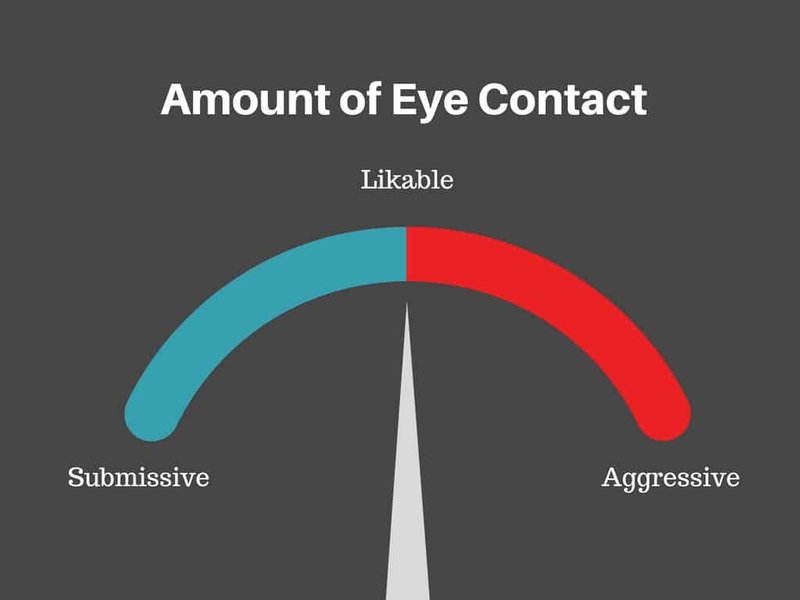
Recommended percentages for maintaining eye contact during a conversation.
Striking the Right Balance
While maintaining eye contact is important, it's essential to find the right balance. Staring intensely can be off-putting, while darting eyes can signal nervousness or insincerity. Aim for maintaining eye contact for approximately 60-70% of the conversation when speaking and slightly more when listening (around 70%).
Think of your gaze as soft and engaged, rather than a laser focus. Blink regularly to keep it natural.
Showing Genuine Interest Through Your Gaze
Your eyes can convey warmth, attentiveness, and genuine interest. When listening, subtle nods and engaged facial expressions (like a slight smile) in conjunction with eye contact reinforce that you are actively processing what the other person is saying. This makes the other person feel valued and heard.
Practicing Eye Contact
If you find eye contact challenging, practice in low-pressure situations. You can start by holding eye contact with people you encounter briefly, like cashiers or baristas. Gradually increase the duration and frequency of eye contact in conversations.
Another helpful exercise is practicing in a mirror. Observe your gaze and facial expressions to become more aware of how you appear to others.

Making eye contact is essential in various professional and social settings.
Beyond Body Language and Eye Contact: Other Charismatic Traits
While body language and eye contact are fundamental, other traits contribute to a charismatic presence. Incorporating these into your interactions will further enhance your ability to connect with others.
Active Listening
Charismatic people are excellent listeners. They give their full attention to the speaker, ask clarifying questions, and respond thoughtfully. Listening more than you talk shows respect and makes the other person feel important.
Genuine Smiling
A sincere smile is universally appealing and makes you appear warm and approachable. It lights up your face and can instantly put others at ease. Ensure your smile reaches your eyes for it to be perceived as genuine.
Conveying Passion
Talking about things you are genuinely passionate about is infectious. Your enthusiasm can draw people in and make you more interesting. Don't be afraid to share your interests, even if they seem niche.
Storytelling Ability
Being a good storyteller can captivate an audience and make your interactions more memorable. Practice sharing anecdotes and experiences in a way that engages your listeners.
Relatability
People are drawn to those they can relate to. Share your vulnerabilities and admit your mistakes when appropriate. This makes you more human and approachable.
Managing Nerves
Nervousness can manifest in uncharismatic behaviors. Practice relaxation techniques and prepare for interactions to help manage anxiety.
Integrating Charismatic Behaviors into Daily Life
Becoming more charismatic is a process that requires consistent effort and practice. It's not about putting on a performance, but rather integrating these behaviors into your natural interactions.
Here is a table summarizing key charismatic behaviors:
| Area | Key Behaviors | Impact |
|---|---|---|
| Body Language | Open posture, engaging gestures, purposeful movements, mirroring | Projects confidence, approachability, and engagement. |
| Eye Contact | Maintaining appropriate duration (60-70%), soft gaze, showing interest | Builds rapport, shows attentiveness, conveys confidence. |
| Communication Style | Active listening, genuine smiling, conveying passion, storytelling, relatability | Makes others feel valued, creates positive atmosphere, enhances connection. |
Start by focusing on one or two areas at a time. For example, make a conscious effort to maintain better eye contact in your conversations for a week. Once that feels more comfortable, introduce another element, like focusing on your posture.
Seek feedback from trusted friends or mentors. They can provide valuable insights into how you are perceived and offer suggestions for improvement.
Understanding the "Why" Behind Likability
Why do we naturally gravitate towards certain individuals? It often comes down to how they make us feel. Charismatic people have a knack for making others feel good about themselves. They create a positive energy around them that is inviting and uplifting.
This positive energy is often a result of the behaviors discussed above – being present, attentive, confident, and warm. When someone feels truly seen and heard, they are more likely to feel a connection and develop positive feelings towards that person.
Frequently Asked Questions About Charisma
Is charisma something you are born with?
While some individuals may appear to be naturally more charismatic, charisma is widely considered a skill that can be learned and developed through practice and conscious effort.
How long does it take to become more charismatic?
The timeline for developing charisma varies depending on the individual and the amount of effort invested. Consistent practice and self-awareness are key. You may start seeing improvements in how people respond to you relatively quickly, with continued practice leading to more significant changes over time.
Can introverts be charismatic?
Absolutely. Charisma is not solely dependent on being outgoing. Introverts can develop strong charismatic skills by focusing on active listening, genuine connections, and leveraging their strengths in thoughtful communication and presence.
What are some common anti-charismatic behaviors to avoid?
Behaviors that detract from charisma include being overly self-focused, interrupting others, showing disinterest through body language (like crossed arms or avoiding eye contact), negative self-talk, and lacking genuine enthusiasm.
References
Last updated May 4, 2025