
Empowering Actions for a Healthier Planet
Simple Yet Impactful Ways to Contribute to Environmental Sustainability
Addressing the challenges facing our planet, such as climate change and pollution, can feel overwhelming. However, individual actions, when collectively adopted, can lead to significant positive changes. By making conscious choices in our daily lives, we can reduce our environmental footprint and contribute to a more sustainable future. This guide explores practical and effective ways to help save the planet, covering various aspects of daily living.
Key Highlights for Environmental Action
- Reduce Your Consumption: A fundamental step is to simply consume less. This applies to energy, water, food, and material goods.
- Embrace Sustainable Habits: Incorporate practices like recycling, composting, and choosing reusable items over single-use products.
- Rethink Transportation and Diet: Making changes to how you travel and what you eat can significantly lower your carbon footprint.
Reducing Your Environmental Footprint at Home
Our homes are central to our daily lives, and they offer numerous opportunities to reduce environmental impact. By focusing on energy and water conservation, waste reduction, and mindful consumption, we can make a substantial difference.
Conserving Energy
Energy production often relies on fossil fuels, a major contributor to greenhouse gas emissions. Reducing our energy consumption directly lowers our carbon footprint. Simple habits and smart investments can make a big difference.
Practical Energy-Saving Tips
- Turn off lights and unplug electronics when not in use. Even idle electronics can draw power.
- Adjust your thermostat to reduce heating and cooling needs. Lowering the temperature by a few degrees in winter and raising it in summer can save significant energy.
- Seal drafts around windows and doors to prevent heat loss or gain.
- Consider switching to energy-efficient light bulbs like LEDs, which use significantly less electricity than incandescent bulbs.
- Use power strips for electronics to easily turn off multiple devices at once.
- Reduce the use of air conditioning and heating by opening windows for ventilation when the weather permits.
- Consider insulating your water heater to reduce heat loss.
Saving Water
Water is a precious resource, and conserving it helps protect local ecosystems and reduces the energy required to pump, heat, and treat water.
Effective Water Conservation Methods
- Fix leaky faucets and toilets promptly. A small leak can waste a large amount of water over time.
- Install low-flow showerheads and faucets to reduce water usage without sacrificing performance.
- Take shorter showers instead of baths.
- Turn off the water while brushing your teeth or washing dishes.
- Only run your dishwasher and washing machine when they are full.
- Water your lawn and plants efficiently, preferably in the early morning or late evening to minimize evaporation. Consider using rain barrels to collect water for gardening.
Minimizing Waste
Reducing, reusing, and recycling are fundamental to minimizing the amount of waste sent to landfills, which contribute to pollution and greenhouse gas emissions.
Strategies for Waste Reduction
- Bring your own reusable bags, water bottles, and coffee cups to avoid single-use plastics.
- Recycle paper, plastic, glass, and metal according to your local guidelines. Proper recycling ensures materials are processed effectively.
- Start composting food scraps and yard waste. This reduces landfill waste and creates valuable soil enrichment.
- Choose products with minimal packaging or opt for products made from recycled materials.
- Repair items instead of replacing them whenever possible.
- Buy secondhand clothing and other items.
- Reduce food waste by planning meals, storing food properly, and using leftovers.
A trash audit can be helpful in understanding your household's waste patterns and identifying areas for improvement.
Sustainable Transportation Choices
Transportation is a significant source of carbon emissions. Making conscious choices about how we travel can greatly reduce our environmental impact.
Exploring sustainable transportation options to reduce your carbon footprint.
Greener Ways to Get Around
- Walk or bike for short distances. This is also great for your health!
- Utilize public transportation whenever possible.
- Carpool with others to reduce the number of vehicles on the road.
- Consider switching to an electric vehicle (EV) if feasible.
- For necessary car trips, practice eco-driving habits like maintaining a steady speed and keeping tires properly inflated.
- Combine errands into a single trip to reduce driving time and distance.
- Reduce air travel when possible, as flying has a significant carbon footprint.
Adopting a Sustainable Diet
The food we eat has a considerable environmental impact, from land use and water consumption to greenhouse gas emissions from production and transportation. Shifting towards a more plant-based diet and supporting sustainable food systems can make a big difference.
Making Environmentally Friendly Food Choices
- Eat lower on the food chain by incorporating more vegetables, fruits, whole grains, legumes, nuts, and seeds into your diet.
- Reduce your consumption of meat and dairy, particularly red meat, which has a higher environmental footprint.
- Choose organic and local foods that are in season. This supports local farmers and reduces emissions from transportation.
- Avoid wasting food.
- Consider growing some of your own food, even if it's just a small herb garden.
Conscious Consumption and Purchasing Power
Our purchasing decisions have a direct impact on the environment. By being mindful of what we buy and supporting sustainable businesses, we can drive positive change.
Mindful Spending for a Greener Planet
- Think twice before buying something new. Do you truly need it?
- Choose products that are durable, made from sustainable materials, and ethically produced.
- Support companies that prioritize sustainability and environmental responsibility.
- Buy less overall. A less consumerist lifestyle benefits both you and the planet.
- Consider the lifecycle of a product, from its production to its disposal, before making a purchase.
Engaging with Your Community and Advocating for Change
Individual actions are powerful, but collective action can create even greater impact. Engaging with your community and advocating for environmental policies can lead to systemic change.
Taking Action Beyond Individual Habits
- Share your knowledge and enthusiasm for eco-friendly living with friends and family.
- Support local environmental initiatives and organizations.
- Participate in community cleanups and conservation efforts.
- Advocate for policies that promote environmental protection at local, state, and national levels.
- Vote for political leaders who prioritize environmental sustainability.
- Consider investing in companies or funds that focus on sustainable practices.
Additional Tips for a Sustainable Lifestyle
Beyond the core areas of energy, water, waste, transportation, and diet, there are many other ways to incorporate sustainability into your life.
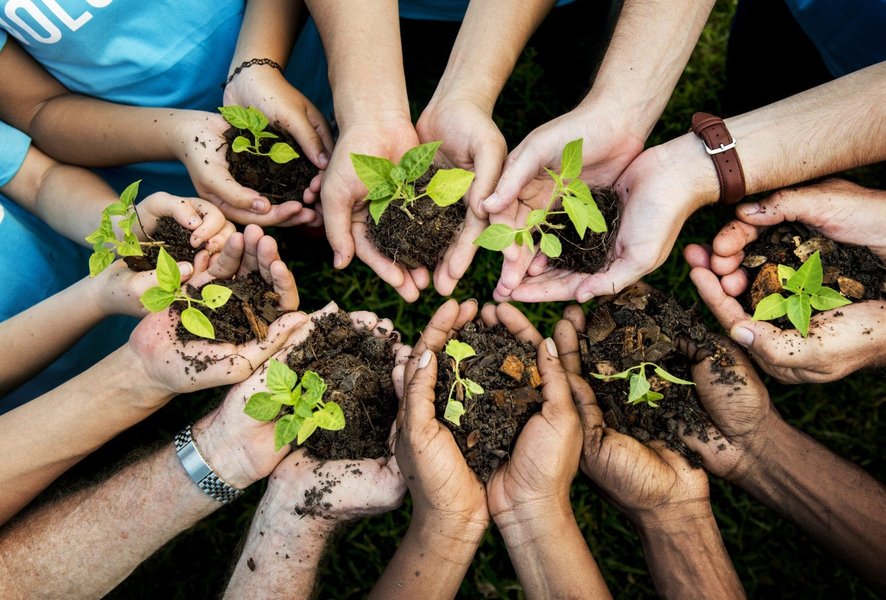
Planting trees contributes to carbon sequestration and habitat creation.
One impactful action is planting trees. Trees absorb carbon dioxide, help improve air quality, prevent soil erosion, and provide habitats for wildlife. Supporting organizations that plant trees or planting them yourself are tangible ways to contribute to a healthier environment.
Other tips include:
-
Creating a wildlife-friendly garden by planting native flora, providing shelter, and avoiding pesticides.
-
Reducing your use of harsh chemicals in cleaning and personal care products.
-
Choosing sustainable travel options when planning vacations.
-
Being mindful of your "carbon paw print" if you have pets, considering the environmental impact of pet food and supplies.
-
Learning more about environmental issues and staying informed.
Understanding Your Impact: The Carbon Footprint
A carbon footprint represents the total amount of greenhouse gases released into the atmosphere by an individual, event, organization, or product. Understanding your carbon footprint can help you identify the areas of your life that have the most significant environmental impact and where you can focus your reduction efforts.
Various online calculators can help you estimate your carbon footprint based on your lifestyle choices, such as transportation habits, energy consumption, and dietary choices. While these calculators provide estimates, they can be a useful tool for raising awareness and motivating change.
Embed: Visualizing Sustainable Living
The following video provides a visual overview of practical tips for adopting an eco-friendly lifestyle:
This video complements the information presented here by offering a dynamic perspective on incorporating sustainable habits into your daily routine, making the concepts more accessible and actionable.
Summary of Actions for a Greener Lifestyle
The journey towards a more sustainable lifestyle involves a combination of conscious choices and consistent habits. Here is a table summarizing key areas and actions:
| Area | Key Actions |
|---|---|
| Energy Consumption | Turn off lights, unplug electronics, adjust thermostat, use energy-efficient bulbs, seal drafts. |
| Water Usage | Fix leaks, install low-flow fixtures, take shorter showers, run full loads for appliances, water efficiently. |
| Waste Reduction | Reduce, reuse, recycle, compost, avoid single-use items, buy secondhand, minimize food waste. |
| Transportation | Walk, bike, use public transit, carpool, consider EVs, practice eco-driving, reduce air travel. |
| Diet | Increase plant-based meals, reduce meat and dairy, choose local and organic, avoid food waste, consider growing food. |
| Consumption | Buy less, choose durable and sustainable products, support eco-friendly businesses. |
| Advocacy | Share knowledge, support local initiatives, participate in cleanups, advocate for policies, vote. |
Frequently Asked Questions
Is it expensive to live an eco-friendly lifestyle?
While some initial investments in energy-efficient appliances or reusable items might be required, many eco-friendly habits can actually save you money in the long run. Reducing energy and water consumption lowers utility bills, and buying less saves money on purchases. Composting can reduce the need for store-bought fertilizers, and cooking at home with fresh ingredients is often more economical than eating out or buying pre-packaged meals.
Do my individual actions really make a difference?
Yes, absolutely. While large-scale systemic changes are crucial, individual actions are the building blocks of a more sustainable society. When millions of individuals adopt eco-friendly habits, the collective impact is significant. Furthermore, your actions can inspire others to make similar changes, creating a ripple effect. Your choices also send a message to businesses and policymakers about the demand for sustainable options.
Where should I start if I'm new to sustainable living?
Start with small, manageable changes that you can easily incorporate into your routine. Focus on one or two areas to begin with, such as reducing plastic waste by using reusable bags and water bottles, or saving energy by turning off lights and unplugging electronics. As these habits become ingrained, you can gradually introduce more changes. Don't feel pressured to do everything at once; progress is more important than perfection.
How can I encourage others to be more eco-friendly?
Lead by example and share your experiences in a positive and encouraging way. Offer practical tips and explain the benefits of sustainable living, such as saving money or improving health. You can also suggest watching documentaries or reading articles about environmental issues together. Participating in community environmental activities can also be a great way to engage others.
References
Last updated May 14, 2025