
Understanding HTTP GET Method and Data Transmission
Exploring the Capabilities and Best Practices of the GET Request
Key Takeaways
- GET Method Limitations: The GET method is not designed to include a request body, adhering strictly to sending data via the URL's query string.
- Standards and Compatibility: Including a body in GET requests violates HTTP specifications and can lead to interoperability issues across different servers and clients.
- Optimal Data Transmission: For sending complex or sensitive data, alternative HTTP methods like POST are recommended to ensure data integrity and security.
Understanding the HTTP GET Method
The HTTP GET method is one of the fundamental request methods used in the communication between clients and servers on the web. Defined by the HTTP/1.1 specification (RFC 7231), the primary purpose of a GET request is to retrieve data from a specified resource without causing any side effects on the server.
Can GET Pass Values via HTTP Content (Body)?
No, the HTTP GET method is not designed to pass values through the HTTP request body. According to the HTTP/1.1 specification, GET requests should not contain a body. Instead, any data that needs to be sent to the server is typically included in the URL's query string. While some servers or frameworks might technically accept a body in a GET request, this practice is non-standard and strongly discouraged due to potential undefined behavior and compatibility issues.
Why GET Shouldn't Use Body for Data
Several critical reasons prevent the inclusion of a body in GET requests:
-
Standards Compliance:
The HTTP/1.1 specification explicitly states that GET requests must not have a body. Adhering to this standard ensures consistent behavior across different clients and servers.
-
Caching Mechanisms:
Many caching systems and intermediaries such as proxies expect GET requests to use the query string for parameters. Including a body can lead to improper caching behavior, where responses might be cached incorrectly or not at all.
-
Interoperability:
Not all servers, frameworks, or tools support or recognize a body in GET requests. This can result in compatibility issues, where the data sent in the body is ignored or causes the request to be rejected.
-
Semantics and Idempotency:
The GET method is intended to be safe and idempotent, meaning that multiple identical requests should produce the same result without modifying server state. Including a body could introduce unintended side effects, violating these principles.
Proper Ways to Pass Values with GET
To transmit data using the GET method effectively and in compliance with standards, the following approaches should be utilized:
-
Query Parameters:
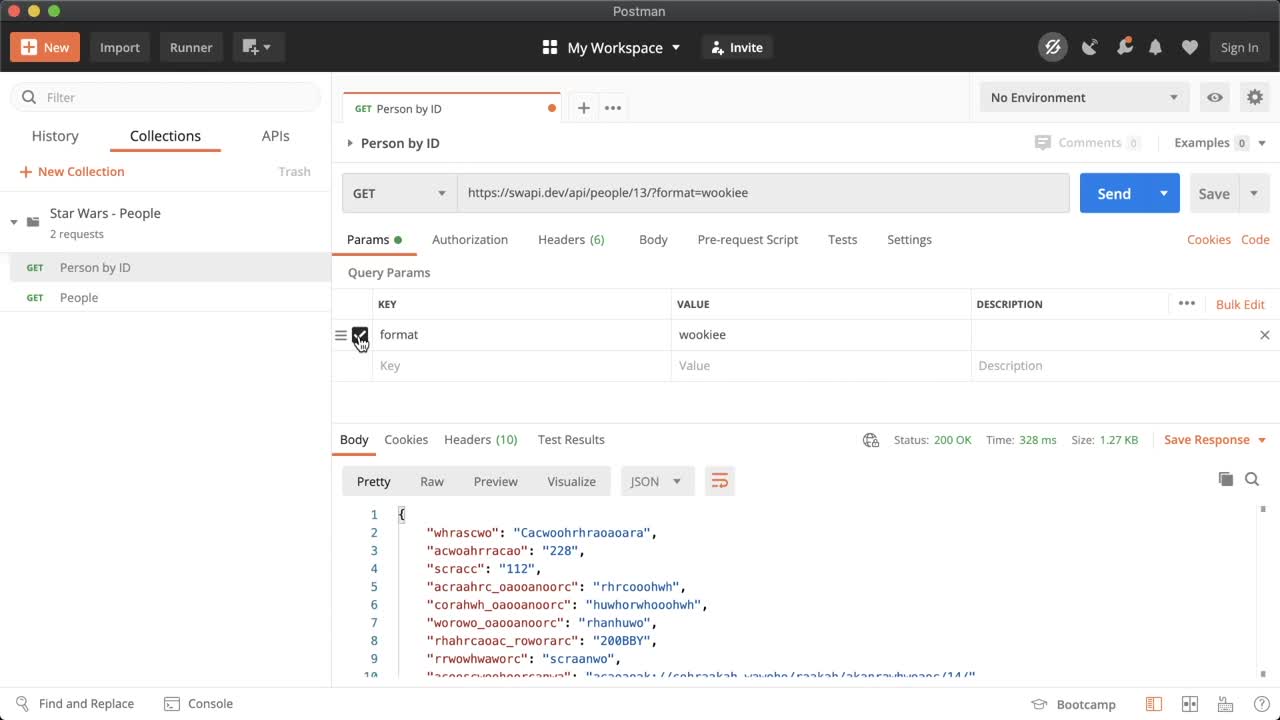
Data can be included in the URL as query parameters. These are key-value pairs appended to the URL after a
?, separated by&for multiple parameters. For example:https://example.com/search?query=HTTP+GET&page=1This method is ideal for sending lightweight and non-sensitive data such as search terms, filter options, or pagination details.
-
URL Path Parameters:
Sometimes, data can be embedded directly within the URL path itself, especially when representing hierarchical resources. For example:
https://example.com/users/12345/profileHere, "12345" serves as a path parameter identifying a specific user.
-
Header Parameters (Advanced Use Cases):
In certain scenarios, additional metadata can be sent via HTTP headers. However, this requires custom parsing on the server side and is not commonly used for passing standard data parameters.
It's essential to ensure that sensitive information is never transmitted via the URL, as query parameters are exposed in browser history, server logs, and can be easily intercepted.
Alternatives for Sending Data in HTTP Requests
When the nature of the data to be sent exceeds the simplicity or security provided by query parameters, alternative HTTP methods should be considered:
| HTTP Method | Purpose | Request Body |
|---|---|---|
GET |
Retrieve data without side effects. | Not used; data passed via URL. |
POST |
Submit data to be processed or create a new resource. | Includes a request body. |
PUT |
Update an existing resource. | Includes a request body. |
PATCH |
Partially update a resource. | Includes a request body. |
DELETE |
Remove a resource. | Typically does not include a body. |
For sending large, complex, or sensitive data, the POST method is the preferred choice. It allows for the inclusion of a request body, providing greater flexibility and security. For example, submitting form data or uploading files are scenarios where POST is appropriate:
POST /submit-form HTTP/1.1
Host: example.com
Content-Type: application/json

{
  "username": "johndoe",
  "password": "securepassword123"
}
This ensures that the data is transmitted securely within the body of the request, rather than being exposed in the URL.
Technical Limitations and Best Practices
Even if a server or framework technically allows a body in a GET request, it is considered a bad practice due to the following technical limitations:
-
Inconsistent Handling: Different servers and clients may handle GET request bodies inconsistently, leading to unpredictable behavior.
-
Proxy and Middleware Issues: Many intermediaries such as proxies, firewalls, and gateways may ignore or strip the body from GET requests, resulting in data loss.
-
Cache Mismanagement: Caching systems rely on the URL to identify unique requests. Bodies in GET requests can cause confusion, leading to improper caching or cache misses.
To maintain the integrity, consistency, and security of HTTP communications, adhering to the standards and using the appropriate methods for data transmission is crucial.
Conclusion
The HTTP GET method serves as a cornerstone for retrieving data from web resources. Its design emphasizes simplicity, safety, and idempotency, making it ideal for fetching information without altering server state. While technically possible to include a body in a GET request, doing so contravenes the established HTTP specifications and introduces a myriad of potential issues, including compatibility problems, caching inconsistencies, and security vulnerabilities.
Therefore, it is imperative for developers to utilize query parameters within the URL for passing data when using GET. For scenarios requiring the transmission of complex, large, or sensitive data, alternative methods such as POST, PUT, or PATCH should be employed to ensure data integrity, security, and compliance with web standards.
References
Last updated January 23, 2025