
Analysis of HTTP Protocol Design
Comprehensive insight into the structure, evolution, and security of HTTP
Key Takeaways
- Evolutionary Enhancements: HTTP has progressively evolved from HTTP/1.0 to HTTP/3, introducing features like persistent connections, multiplexing, and improved security mechanisms.
- Stateless and Extensible: The stateless nature of HTTP simplifies scalability, while extensible headers allow for continuous protocol enhancements without disrupting existing functionalities.
- Security and Performance Balance: While HTTP advancements aim to optimize performance, they concurrently address security vulnerabilities to ensure robust and secure web communications.
Introduction to HTTP Protocol
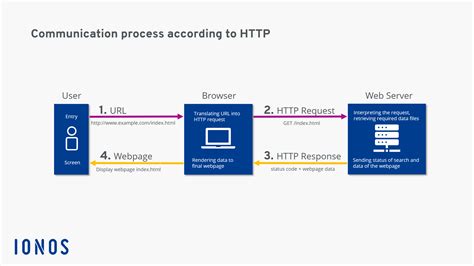
The Hypertext Transfer Protocol (HTTP) stands as the foundational protocol for data communication on the World Wide Web. As a client-server protocol, it facilitates the exchange of resources, such as HTML documents, between clients (typically web browsers) and servers (MDN Web Docs). Designed with simplicity and human readability in mind, HTTP enables developers to implement and interact with web resources efficiently.
Evolution of HTTP
From HTTP/1.0 to HTTP/1.1
HTTP/1.0 marked the inception of the protocol, utilizing a separate TCP connection for each request-response pair. This approach, while straightforward, led to inefficiencies, especially when multiple resources needed to be fetched concurrently. To address these limitations, HTTP/1.1 introduced persistent connections and pipelining through the Connection header, allowing multiple requests and responses to be sent over a single TCP connection (MDN Web Docs).
Advancements in HTTP/2
HTTP/2 brought significant performance enhancements by introducing:
Transition to HTTP/3
Building upon the improvements of HTTP/2, HTTP/3 leverages the QUIC transport protocol, which operates over UDP. This transition addresses issues like head-of-line blocking inherent in TCP by enabling faster connection establishments and more resilient data transmission. HTTP/3 continues to enhance performance and reliability while maintaining backward compatibility with previous HTTP versions (Semantic Scholar).
Core Design Principles
Simplicity and Human Readability
HTTP was intentionally designed to be simple and human-readable. This design choice facilitates ease of use and understanding for developers, promoting widespread adoption and simplifying debugging processes (MDN Web Docs). The use of clear textual commands and headers ensures that interactions between clients and servers are transparent and manageable.
Stateless Architecture
One of the foundational aspects of HTTP is its statelessness. Each request from a client is treated as an independent transaction, with no inherent context carried over from previous interactions. This characteristic simplifies server design and enhances scalability, as servers do not need to maintain session information for each client. However, to facilitate stateful interactions when necessary, mechanisms such as cookies and session tokens are employed (Cloudflare).
Extensibility through Headers
HTTP's extensibility is primarily achieved through its header system. Headers allow for the introduction of new functionalities without altering the core protocol. This design enables experimentation and the seamless integration of new features, ensuring that HTTP can adapt to evolving web technologies without compromising backward compatibility (MDN Web Docs).
Statelessness and Session Management
The stateless nature of HTTP simplifies web server implementation and enhances scalability by ensuring that each request is processed independently. However, many web applications require maintaining state across multiple requests to provide cohesive user experiences. To bridge this gap, HTTP employs mechanisms like cookies, session tokens, and client-side storage solutions. Cookies, in particular, allow servers to store small pieces of data on the client side, enabling the identification of returning users and the management of user sessions (MDN Web Docs).
While these mechanisms enable stateful interactions, they introduce additional considerations for security and privacy. Proper handling of cookies and session data is critical to prevent vulnerabilities such as session hijacking and cross-site scripting (XSS) attacks (CORE).
Extensibility Features
HTTP's design incorporates extensibility as a core feature, primarily through its header system. Headers can be used to introduce new functionalities, negotiate content types, manage caching strategies, and handle authentication mechanisms, among other use cases. This extensibility ensures that HTTP can evolve alongside changing web standards and application requirements without necessitating foundational overhauls to the protocol itself (MDN Web Docs).
For instance, the introduction of custom headers allows developers to implement proprietary features or optimizations tailored to specific application needs. Additionally, standardized headers facilitate interoperability and consistency across different web applications and services (ResearchGate).
Security Considerations
Authentication and Authorization
HTTP incorporates various authentication mechanisms to ensure secure access to resources. Basic and Digest authentication schemes provide a means for verifying user identities, while more robust protocols like OAuth and JWT offer advanced security features for authorization (ScienceDirect). These authentication protocols are critical for protecting sensitive data and ensuring that only authorized users can access specific web resources.
Vulnerability Mitigation
As HTTP has evolved, so have the associated security vulnerabilities. HTTP/2, for example, introduced complexities that have been exploited to perform denial-of-service (DoS) attacks and other malicious activities. Implementations of HTTP/2 must adhere to strict security guidelines to prevent issues like compression vulnerabilities, which can lead to the inadvertent exposure of sensitive information (Imperva).
Furthermore, the transition to HTTP/3 with the adoption of the QUIC protocol introduces new security considerations, including the need for robust encryption and protection against emerging attack vectors. Continuous security assessments and updates are essential to maintain the integrity and confidentiality of HTTP communications (Imperva).
Performance Enhancements
Multiplexing and Parallelism
HTTP/2's introduction of multiplexing allows multiple HTTP requests and responses to be sent simultaneously over a single TCP connection. This feature significantly reduces latency and improves the efficiency of data transmission by eliminating the need for multiple connections and minimizing head-of-line blocking (Imperva; Semantic Scholar).
Header Compression
HTTP/2 employs HPACK for header compression, which reduces the overhead associated with HTTP headers. By compressing headers, the protocol minimizes the amount of data transmitted, thereby enhancing overall performance and reducing bandwidth consumption (MDN Web Docs).
Server Push
The server push feature in HTTP/2 allows servers to send resources to clients proactively, without explicit requests. This capability can lead to faster page load times by anticipating the client's needs and delivering resources preemptively (Imperva).
Transition to QUIC in HTTP/3
HTTP/3's utilization of the QUIC protocol over UDP offers enhanced performance by enabling quicker connection establishments and more resilient data transfers. QUIC's design addresses the limitations of TCP, such as head-of-line blocking, thereby further optimizing the speed and reliability of HTTP communications (Semantic Scholar).
Protocol Analysis Techniques
Analyzing HTTP from a protocol design perspective involves understanding its structure, functionality, and the interplay with other network layers. Tools like Wireshark and tcpdump are commonly used for manual analysis of HTTP traffic, especially for human-readable elements. For binary protocols or more complex analyses, advanced techniques such as static and dynamic analysis of executables and device drivers are employed (MITRE CAPEC-192).
Moreover, the design and evaluation of HTTP protocol parsers are crucial for accurate web traffic measurement and visibility. Memory-safe languages and domain-specific languages have been leveraged to develop robust parsers that minimize vulnerabilities and enhance security during the parsing process (Semantic Scholar; ResearchGate).
Comprehensive protocol analysis not only aids in optimizing performance but also plays a pivotal role in identifying and mitigating security vulnerabilities, ensuring the reliability and integrity of HTTP communications (ResearchGate).
Future Directions of HTTP
The HTTP protocol continues to evolve in response to the dynamic landscape of web technologies and user demands. Future directions focus on enhancing performance, improving security, and expanding the protocol's capabilities to support emerging use cases.
Integration with Emerging Technologies
As technologies like Internet of Things (IoT), augmented reality (AR), and virtual reality (VR) become more prevalent, HTTP is adapting to meet the unique requirements of these applications. This includes optimizing data transfer mechanisms and ensuring seamless interoperability across diverse devices and platforms (MATEC Conferences).
Enhanced Security Protocols
With the increasing sophistication of cyber threats, future iterations of HTTP will likely incorporate more robust security features. This includes enhanced encryption standards, improved authentication mechanisms, and proactive vulnerability mitigation strategies to safeguard data integrity and confidentiality (CORE).
Optimizing for Low-Latency Networks
In response to the growing demand for real-time applications, HTTP is being optimized for low-latency networks. This involves refining protocols to reduce overhead, improve connection management, and enhance data transmission speeds, ensuring that applications like live streaming and online gaming deliver seamless user experiences (IEEE Xplore).
Conclusion
The Hypertext Transfer Protocol (HTTP) remains a pivotal component of web communications, continually adapting to meet the evolving demands of the digital landscape. From its initial design emphasizing simplicity and human readability, HTTP has undergone significant transformations to enhance performance, security, and scalability. The evolution from HTTP/1.0 to HTTP/3 exemplifies the protocol's capacity for growth and adaptation, incorporating advancements like persistent connections, multiplexing, and the QUIC transport protocol.
Core design principles such as statelessness and extensibility have ensured that HTTP remains both scalable and adaptable, allowing it to integrate seamlessly with emerging technologies and evolving web standards. Security considerations have become increasingly paramount, prompting ongoing refinements to address vulnerabilities and safeguard data integrity.
Comprehensive protocol analysis and continuous innovation underpin the enduring relevance and robustness of HTTP. As the web continues to expand and diversify, HTTP's ability to adapt and enhance its capabilities will remain essential in supporting the complex and dynamic nature of modern web interactions.
This analysis provides an in-depth exploration of HTTP from the viewpoint of protocol design, encompassing its evolution, core principles, security measures, performance optimizations, and future directions.
Last updated January 11, 2025