
A New Era in Urology: The Dawn of Human Bladder Transplantation
Unlocking the potential for natural urinary function through a groundbreaking surgical breakthrough.
Key Insights into Bladder Transplantation
- Historic Milestone: The world's first successful human bladder transplant was performed on May 4, 2025, by a collaborative team from Keck Medicine of USC and UCLA Health.
- Revolutionary Approach: This procedure offers a more natural solution for severe bladder dysfunction compared to traditional reconstruction methods, potentially reducing complications associated with using intestinal tissue.
- Rigorous Preparation: Years of extensive preclinical research, including advanced robotic surgeries on animal and human cadaver models, paved the way for this complex and highly precise operation.
Yes, bladder transplantation is no longer a theoretical concept but a clinical reality. A landmark surgery on May 4, 2025, marked the first successful human bladder transplant, opening a new frontier in treating severe bladder conditions. This achievement is the culmination of dedicated research, innovative surgical techniques, and inter-institutional collaboration, offering profound hope for patients who have exhausted traditional treatment options.
The Historic First: A Collaborative Triumph
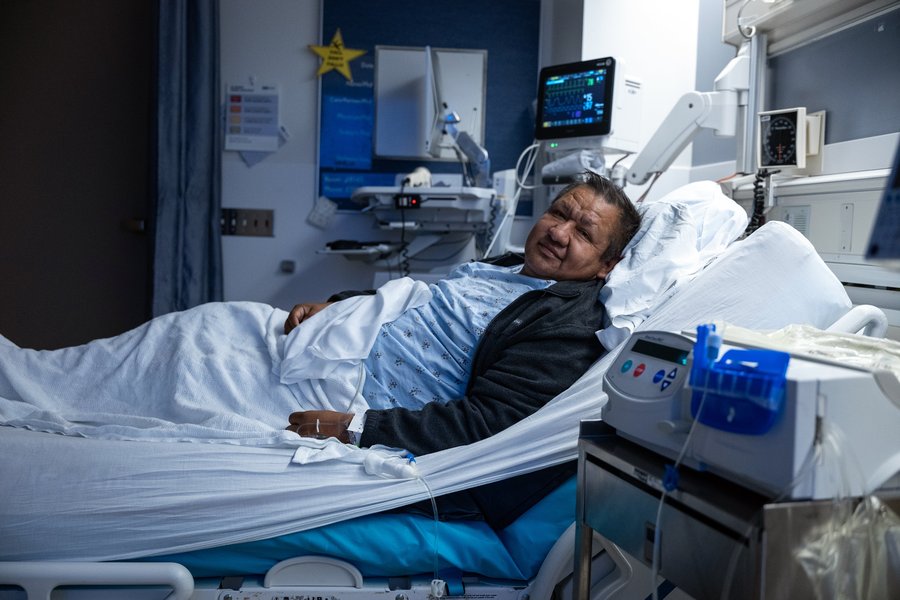
The groundbreaking procedure was successfully carried out by a combined team of surgeons from Keck Medicine of USC and UCLA Health at Ronald Reagan UCLA Medical Center. This pioneering surgery involved replacing a patient's diseased bladder with a healthy one from a deceased donor. The operation was complex, lasting approximately eight hours, and in this specific case, it also included the transplantation of a new kidney, which was subsequently connected to the newly transplanted bladder. This simultaneous kidney and bladder transplant was crucial for the patient, Oscar Larrainzar, who had been on dialysis for seven years due to end-stage kidney disease and significant bladder damage from cancer.
A team of surgeons working meticulously during the historic bladder transplant.
Patient Profile and Medical Necessity
The recipient, Oscar Larrainzar, a 41-year-old man, presented a complex medical history. He had lost both kidneys and most of his bladder due to renal cancer. His remaining bladder tissue was severely compromised and too small to function adequately, necessitating continuous dialysis. The combined kidney and bladder transplant offered a comprehensive solution, addressing both his renal failure and debilitating bladder condition simultaneously. This approach highlights the potential for bladder transplantation in patients with multifaceted urological and renal challenges.
Pioneering the Procedure: Years of Diligent Research
The successful execution of the first human bladder transplant is not an overnight success but the result of extensive preclinical research and meticulous surgical development. Dr. Inderbir Gill of USC and Dr. Nima Nassiri of UCLA led these efforts, pushing the boundaries of robotic surgery and transplantation techniques.
Preclinical Foundations and Robotic Innovation
Years of dedicated work involved rigorous studies, including robotic autotransplantation in living porcine models, human cadavers, and heart-beating brain-dead human research donors. This preclinical phase was critical for:
- Developing and refining complex robotic surgical techniques for bladder retrieval and transplantation.
- Demonstrating the feasibility of vascularized composite bladder allograft transplantation, ensuring successful graft perfusion.
- Perfecting the intricate vascular reconstruction and implantation procedures required for the bladder's delicate anatomy.
The use of robotic-assisted surgery was pivotal, allowing for enhanced precision in handling the complex pelvic vascular structures and meticulously connecting blood vessels and ureters (anastomosis) to ensure adequate blood supply and proper urine expulsion from the transplanted bladder.
Transforming Urologic Care: Benefits Over Traditional Methods
Historically, patients facing severe bladder dysfunction often relied on reconstructive surgeries or urinary diversions. While effective, these methods frequently came with significant drawbacks. Bladder transplantation aims to circumvent many of these issues, offering a pathway to more natural physiological function.
Comparative Analysis: Transplant vs. Traditional Approaches
Before this breakthrough, common treatments included:
- Neobladder Reconstruction: A new bladder is created from a segment of the patient's small intestine. While allowing voluntary urination, it can lead to complications such as infection, metabolic disturbances, digestive issues, and even malignant transformation due to the exposure of non-urothelial tissue to urine.
- Ileal Conduit: Urine is diverted into an external bag via a segment of the small intestine. This method avoids some internal complications but necessitates continuous use of an external appliance, significantly impacting quality of life.
The primary advantage of bladder transplantation is its potential to provide a more natural urinary function. By replacing the diseased bladder with a healthy donor organ, it seeks to minimize complications associated with intestinal tissue use, such as chronic infections and metabolic imbalances, thereby enhancing the patient's quality of life and potentially reducing the need for continuous self-management.
Immediate Impact on Patient Outcomes
In the case of Oscar Larrainzar, the immediate post-operative results were remarkably promising. The new kidney began producing a large volume of urine, which properly drained into the transplanted bladder, allowing him to cease dialysis. This swift restoration of function underscores the potential of bladder transplantation to dramatically improve patient outcomes right after surgery.
Understanding the Procedure: A Glimpse into the Surgical Process
The bladder transplant procedure is an intricate surgical undertaking that demands exceptional precision and coordination among a specialized medical team. The process involves several critical steps to ensure the successful integration and function of the donor organ.
Key Stages of Bladder Transplantation
During the surgery, the patient's compromised or diseased bladder is meticulously removed. A healthy bladder from a deceased donor is then prepared for implantation. The most challenging aspects involve the intricate connection of blood vessels and the careful anastomosis of the ureters to the new bladder, ensuring a robust blood supply and proper drainage of urine. In cases of combined kidney and bladder transplants, the kidney is typically transplanted first, followed by the integration of the bladder, and then the new kidney is connected to the new bladder using advanced techniques pioneered by the surgical team.
This video highlights the transformative potential of bladder transplants for patients with severe bladder conditions, underscoring the improved quality of life that can result from this innovative surgical procedure.
This clip underscores the human impact of such an advanced procedure, providing a glimpse into the motivations and aspirations behind this medical milestone. The focus on improving quality of life for patients with debilitating bladder conditions is a central theme, emphasizing how this transplant offers a more natural and functional solution compared to previous surgical alternatives.
Who Benefits? Eligibility and Candidate Selection
Bladder transplantation is a highly specialized procedure, and careful patient selection is paramount to optimize outcomes and manage associated risks. The ideal candidates are those with severe, non-functioning bladders that cannot be effectively managed by other means.
Criteria for Bladder Transplant Candidates
Potential candidates include individuals suffering from:
- Terminal neurogenic bladder pathology
- Chronic inflammatory bladder diseases
- Refractory or recurrent infections leading to severe bladder damage
- Bladder stones that are persistently debilitating
- Congenital defects or bladder cancer that necessitate removal of the native bladder.
A crucial consideration for eligibility is the patient's overall health and their ability to adhere to lifelong immunosuppressive medication. Patients who are already on immunosuppression for other conditions or are anticipated to need it for future transplantation may be particularly suitable candidates.
The Role of Immunosuppression
Like all organ transplants, bladder transplantation requires lifelong immunosuppressive medication to prevent organ rejection. While essential for graft survival, these drugs carry risks, including increased susceptibility to infections and potential interference with the immune system's ability to fight cancer. Therefore, a thorough pre-transplant evaluation is crucial to assess a patient's capacity to manage these medications and their overall risk profile.
Challenges and Future Directions in Bladder Transplantation
While the first human bladder transplant represents a monumental leap forward, it also underscores the significant challenges that lie ahead. The procedure is still in its nascent stages, and extensive research and clinical trials are needed to fully understand its long-term implications.
Navigating Risks and Unknowns
Key areas of focus for ongoing research and clinical trials include:
- Long-term Outcomes: Understanding the long-term function of the transplanted bladder, including its capacity and overall durability.
- Immunosuppression Optimization: Determining the optimal level of immunosuppression required to prevent rejection while minimizing adverse effects.
- Potential Graft Complications: Monitoring for and managing any unforeseen complications related to the transplanted organ.
The complexity of the procedure itself, particularly the intricate vascular structure of the pelvic area, presents inherent risks such as infection, bleeding, and issues with the blood supply to the transplanted organ. Post-operative challenges might include temporary urinary incontinence or blockages as the body adjusts to the new bladder.
Clinical Trial Outlook
A clinical trial is currently underway, with plans to perform bladder transplants in several more patients. This trial, expected to be completed by 2028, will provide invaluable data on outcomes, refine surgical protocols, and establish the procedure's long-term safety and efficacy. This systematic approach is vital for solidifying bladder transplantation as a viable and sustainable treatment option.
Assessing the Bladder Transplant's Efficacy
The success of bladder transplantation can be evaluated across various dimensions, including patient quality of life, surgical complexity, and the reduction of complications seen in traditional bladder reconstruction methods. While initial results are promising, a comprehensive understanding requires long-term data from ongoing clinical trials.
Multifaceted Evaluation of Bladder Transplant Outcomes
To illustrate the various facets of this pioneering surgery, consider the following assessment of its current efficacy:
The radar chart above provides an opinionated assessment of the efficacy of human bladder transplantation across several key dimensions. It evaluates areas such as the potential for improved quality of life, the complexity of the surgical procedure, the reduction of complications compared to traditional methods, the success rate of the graft, and the ongoing need for immunosuppression. While the procedure is still in its early stages, this visualization highlights its strengths and the areas requiring continued research and optimization. Note that all data points are above zero to ensure visual clarity and that the scale accurately reflects the potential and challenges of this groundbreaking medical advancement.
The Path Forward: A Mindmap of Progress and Potential
The journey of bladder transplantation is multifaceted, encompassing historical context, surgical innovation, patient considerations, and future aspirations. A mindmap can effectively illustrate the interconnectedness of these elements.
This mindmap provides a structured overview of the critical aspects surrounding human bladder transplantation. It begins with the historical context, highlighting why such a procedure was previously unfeasible. It then moves to the recent breakthrough, detailing the key players and the nature of the first surgery. The map also outlines the surgical innovations that made this possible, the significant benefits it offers over traditional methods, and the crucial considerations for patient selection. Finally, it addresses the remaining challenges and the future trajectory of this groundbreaking medical advancement, including the necessity of lifelong immunosuppression and ongoing clinical trials.
Comparative Overview of Bladder Management Strategies
The table below provides a concise comparison between the novel bladder transplantation and established methods for managing severe bladder dysfunction. This comparative analysis highlights the unique advantages and considerations for each approach.
| Feature | Bladder Transplantation | Neobladder Reconstruction | Ileal Conduit Diversion |
|---|---|---|---|
| Nature of Procedure | Replacement with donor organ | Creation of new bladder from patient's intestine | Urine diversion to external bag via intestine |
| Origin of Bladder Tissue | Deceased donor (allograft) | Patient's own intestinal tissue (autograft) | Patient's own intestinal tissue (autograft) |
| Primary Goal | Restore natural urinary function | Enable voluntary urination | External urine collection |
| Key Advantage | Potential for most natural function; avoids intestinal complications | Allows voluntary urination; no external bag | Surgical simplicity; effective for severe cases |
| Major Disadvantage | Requires lifelong immunosuppression; new procedure with unknowns | Risk of metabolic issues, infections, digestive issues; potential for malignant transformation | Requires external collection bag; body image concerns |
| Complications (Common) | Rejection, infection, blood supply issues | Incontinence, blockages, infections, metabolic issues | Stomal complications, infections, skin irritation |
| Current Status | Pioneering; in clinical trials | Established; widely available | Established; widely available |
This table summarizes the core differences and similarities among the bladder transplantation, neobladder reconstruction, and ileal conduit diversion methods. It provides a quick reference for understanding the surgical nature, tissue origin, goals, advantages, and disadvantages of each, along with their current clinical status. This helps contextualize the significance of bladder transplantation as a new and potentially superior option for specific patient profiles.
Frequently Asked Questions (FAQ)
Is bladder transplantation considered a routine medical procedure?
What are the main benefits of a bladder transplant compared to other bladder reconstruction surgeries?
Will patients need to take medication after a bladder transplant?
How long does the recovery process take after a bladder transplant?
Who is a suitable candidate for a bladder transplant?
Conclusion
The successful performance of the world's first human bladder transplant on May 4, 2025, marks a monumental achievement in medical science and urology. This groundbreaking procedure, resulting from years of intensive preclinical research and collaborative innovation between USC and UCLA Health, offers a new paradigm for patients suffering from severe bladder dysfunction. By providing a natural, functional bladder, this transplant aims to significantly improve quality of life and reduce the complications associated with traditional reconstructive methods. While still in its early stages and requiring lifelong immunosuppression, the bladder transplant holds immense promise as a transformative treatment, paving the way for future advancements in organ transplantation and patient care.
Recommended Further Queries
- Explore details of organ rejection in transplantation.
- Discover advancements in robotic surgery for organ transplantation.
- Investigate the long-term outcomes of neobladder reconstruction.
- Delve into the future of regenerative medicine in urology.