
Beyond Limits: Will Humanity Unlock the Secret to Eternal Life?
Exploring the cutting edge of science, technology, and the profound questions surrounding the quest for immortality.
The age-old dream of cheating death and achieving immortality captures the human imagination like few other concepts. Is it merely a myth, a philosophical yearning, or could scientific and technological breakthroughs actually make it a reality? As we stand at the cusp of unprecedented advancements, the question gains new urgency. This exploration delves into the current scientific understanding of aging, the futuristic technologies proposed to overcome it, and the complex biological, physical, and ethical hurdles that stand in the way.
Essential Insights into the Immortality Quest
- Biological Limits vs. Technological Ambition: Current science suggests a maximum human lifespan around 120-150 years due to cellular aging, but technological optimists predict breakthroughs could shatter these limits.
- Multiple Pathways Proposed: Approaches range from biological interventions like nanobots repairing cells and genetic engineering to technological solutions like digital consciousness uploads and advanced AI.
- Significant Hurdles Remain: Beyond the immense technical challenges, achieving immortality faces fundamental physical laws (like entropy) and profound ethical and societal questions regarding access, meaning, and resources.
The Biology of Aging: Nature's Clock
Our current understanding of biology suggests that aging is an intrinsic process, deeply embedded in our cellular machinery. While lifespans have increased dramatically due to sanitation, medicine, and nutrition, there appear to be fundamental biological barriers to indefinite life.
Cellular Limits and Accumulated Damage
The Hayflick Limit
One key concept is the "Hayflick limit," discovered by Leonard Hayflick. It posits that most human cells can only divide a finite number of times (typically 40-60) before they enter a state called senescence, where they stop replicating. This limit is linked to the shortening of telomeres, protective caps at the ends of chromosomes, with each cell division. Cellular senescence contributes to the aging process and age-related diseases.
Accumulated Damage and Resilience
Aging is also characterized by the gradual accumulation of damage to molecules, cells, and tissues over time. This damage comes from various sources, including metabolic processes, environmental toxins, and errors in DNA replication and repair. As we age, our body's ability to repair this damage diminishes, and its overall resilience – the capacity to recover from stressors like illness or injury – declines significantly. Studies analyzing these factors suggest a potential maximum human lifespan hovering between 120 and 150 years, beyond which biological recovery systems may fundamentally fail.
Lessons from Nature's "Immortals"
Interestingly, some organisms challenge our notions of aging. The Hydra, a small freshwater polyp, exhibits remarkable regenerative capabilities and doesn't seem to show signs of aging. Certain jellyfish species, like *Turritopsis dohrnii*, can even revert to an earlier life stage when stressed, earning them the nickname "immortal jellyfish." While these organisms offer fascinating insights into cellular maintenance and regeneration, their mechanisms are vastly different from human biology, and translating these processes to humans remains a monumental challenge. They serve as inspiration for research into slowing or reversing aging processes, rather than a direct blueprint for human immortality.
Technological Horizons: Pathways to Extended Life?
While biology presents limits, technology offers potential pathways to transcend them. Futurists and researchers envision several approaches that might dramatically extend human lifespan, perhaps even achieving a form of "practical" or digital immortality.
Nanotechnology and Biotechnology
Futurist Ray Kurzweil is a prominent proponent of the idea that humans could achieve a form of immortality relatively soon, perhaps by 2030. His vision hinges on the exponential growth of technologies like artificial intelligence (AI), biotechnology, and especially nanotechnology.
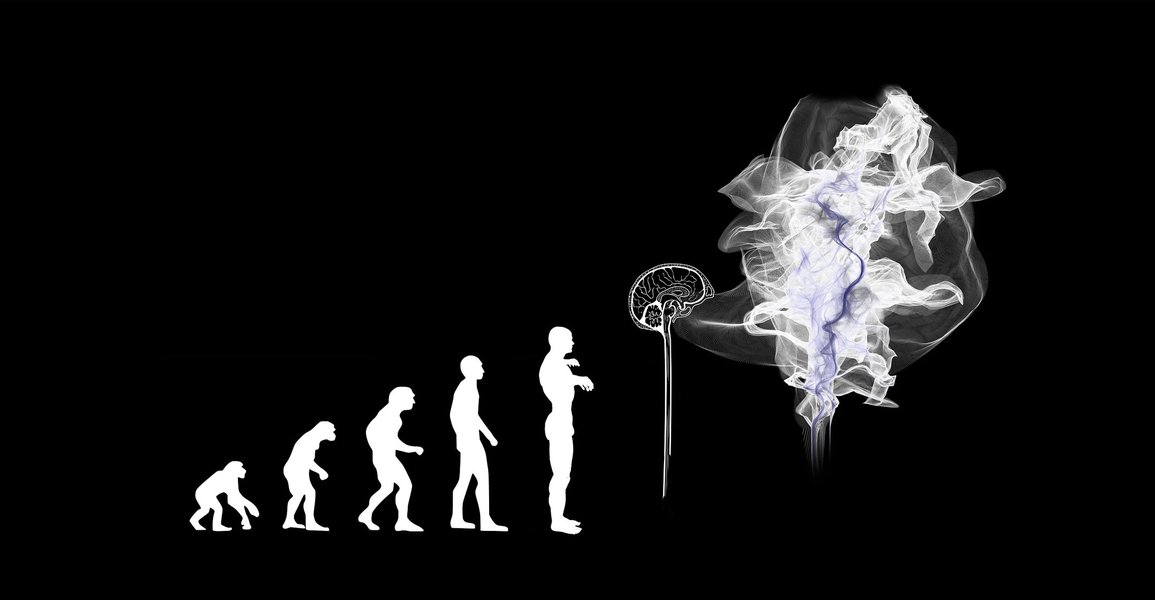
Artificial intelligence is seen by some as a key enabler for radical life extension technologies.
Nanobots for Cellular Repair
Kurzweil predicts that nanobots – microscopic robots – could navigate our bloodstream, repairing cellular damage, eliminating pathogens and cancer cells, correcting DNA errors, and essentially reversing the aging process from within. This continuous maintenance, powered by advanced AI analyzing our biological state, could theoretically halt aging and prevent age-related diseases.
Genetic Engineering and Regenerative Medicine
Advances in genetic engineering, such as CRISPR gene editing, offer the potential to correct genetic predispositions to diseases and perhaps modify genes associated with aging. Regenerative medicine, using stem cells to repair or replace damaged tissues and organs, also holds promise for extending healthspan and lifespan. Research on model organisms like worms and flies has shown that specific genetic manipulations can significantly extend their lives, hinting at possibilities for humans, though the complexity is far greater.
Digital Immortality and AI Singularity
Another avenue explores escaping biological limitations altogether.
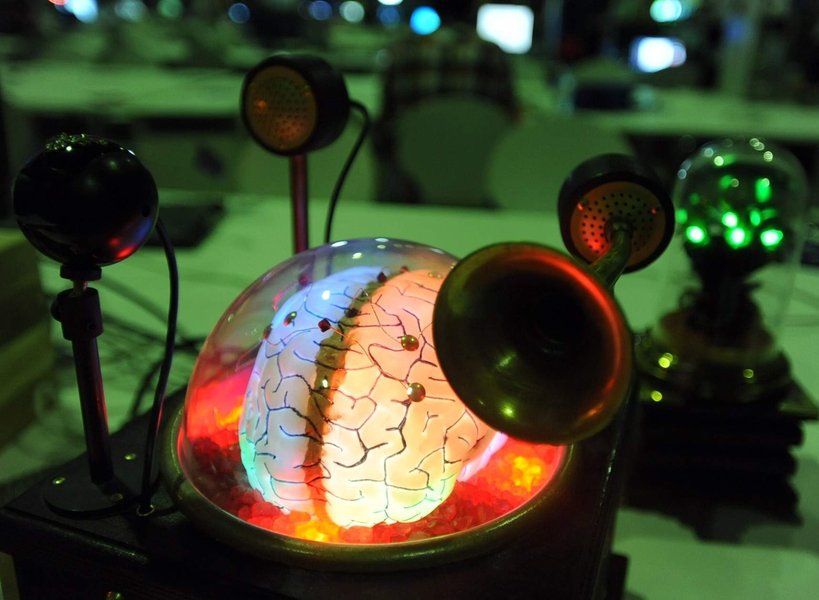
The concept of uploading consciousness raises profound questions about identity and existence.
Mind Uploading
The concept of "mind uploading" involves transferring a person's consciousness – their memories, personality, and thought processes – from their biological brain to a non-biological substrate, like a powerful computer or robotic body. This would create a digital duplicate or continuation of the self, potentially achieving immortality independent of the physical body. Dr. Ian Pearson also suggests possibilities along these lines, potentially by 2050, involving advanced AI and android bodies.
AI Singularity
Some believe that the development of artificial superintelligence (ASI) – the hypothetical point known as the "Singularity," possibly around 2045 – could rapidly accelerate solutions to aging and mortality. An ASI vastly exceeding human intellect might quickly unlock the secrets of biology or facilitate seamless mind uploading.
Cryonics: A Bridge to the Future?
Cryonics involves preserving legally deceased individuals (or just their brains) at extremely low temperatures with the hope that future technology will be capable of reviving them, repairing the damage that caused their death, and restoring them to health and potentially youth. While currently unproven and highly speculative, proponents view it as a potential bridge to a future where immortality or radical life extension is possible.
Visualizing the Paths and Hurdles
The pursuit of immortality involves diverse strategies, each with unique potential and significant challenges. This mindmap provides a visual overview of the major concepts discussed:
Potential vs. Feasibility: Assessing Immortality Approaches
Different proposed methods for achieving immortality vary significantly in their potential impact and current scientific feasibility. Some rely on incremental advances in existing fields, while others require revolutionary breakthroughs. The following chart provides a speculative assessment of several key approaches based on current understanding, rating their potential impact on achieving indefinite lifespan against their perceived feasibility within the next few decades (higher score = higher potential/feasibility).
This chart highlights the disparity: while concepts like mind uploading offer the highest theoretical potential for overcoming biological death, their current feasibility is rated very low. Conversely, AI-driven diagnostics and regenerative medicine, while perhaps offering less radical lifespan extension initially, are considered more feasible in the near term.
Comparing Pathways to Extended Life
To further clarify the different strategies being explored, the table below summarizes key proposed methods, their proponents or underlying concepts, estimated timelines (often highly speculative), and major challenges.
| Method/Approach | Proponent / Key Concept | Timeline Estimate (Speculative) | Key Challenges |
|---|---|---|---|
| Nanobots for Cellular Repair | Ray Kurzweil | ~2030 | Developing functional, safe, autonomous nanobots; AI control; biological complexity; cost. |
| Genetic Engineering for Longevity | General Anti-Aging Research | Ongoing / Decades | Identifying key aging genes; off-target effects; ethical concerns; complex gene interactions. |
| Digital Immortality (Mind Uploading) | Ray Kurzweil, Ian Pearson, Transhumanists | ~2045-2050 / Uncertain | Understanding consciousness; scanning/replicating brain structure/function; computational power; philosophical identity issues. |
| Regenerative Medicine / Organ Replacement | General Medical Research | Ongoing / Decades | Growing complex organs; immune rejection; integration with existing body systems; cost; accessibility. |
| Cryonics | Alcor, Cryonics Institute | Uncertain (depends on future revival tech) | Preventing freezing damage; proving revival is possible; cost; societal acceptance; future technology development. |
| AI Singularity Driven Breakthroughs | Ray Kurzweil, various futurists | ~2045 / Uncertain | Achieving Artificial Superintelligence; alignment problem (ensuring AI benefits humanity); unpredictable outcomes. |
Obstacles on the Path: Challenges and Skepticism
Despite the optimism surrounding technological advancements, the road to significantly extended lifespans, let alone immortality, is fraught with formidable challenges.
Fundamental Scientific and Physical Barriers
Many scientists remain skeptical about overcoming the biological limitations discussed earlier. The complexity of aging involves countless interconnected processes, and intervening without causing unintended harm is a major hurdle. Furthermore, some point to fundamental physical laws, like the Second Law of Thermodynamics, which dictates that entropy (disorder) in a closed system tends to increase. Living organisms are highly ordered systems that constantly fight against entropy, but maintaining this order indefinitely might be physically impossible.
Practical and Environmental Risks
Even if aging could be halted or reversed, immortality doesn't mean invulnerability. Individuals would still be susceptible to death from accidents, violence, infectious diseases (potentially new ones), and large-scale catastrophes (natural disasters, climate change, cosmic events). Ensuring safety over millennia would be an unprecedented challenge.
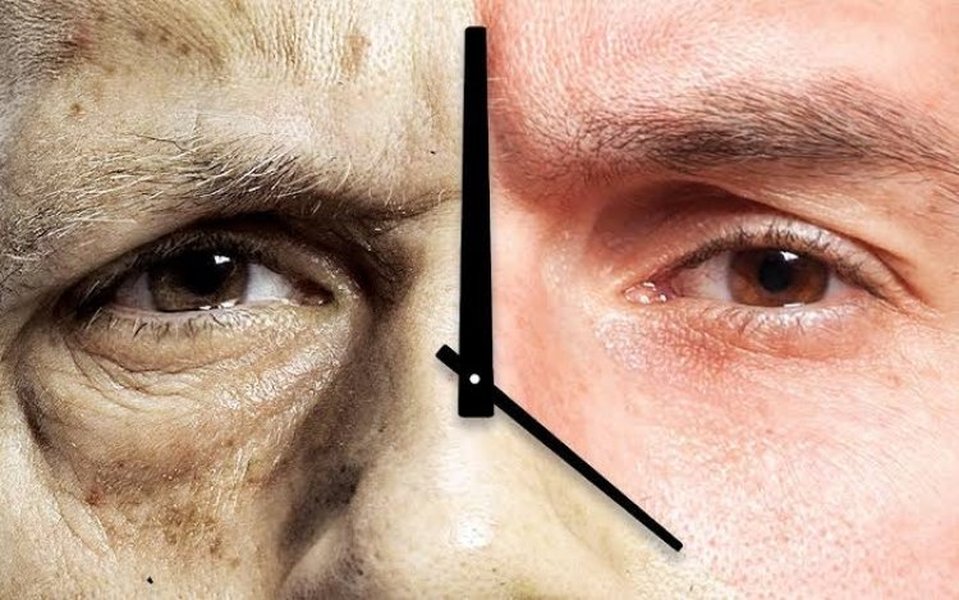
While research aims to reverse aging, achieving true invulnerability remains elusive.
Ethical and Societal Dilemmas
The prospect of radical life extension or immortality raises profound ethical and societal questions:
- Inequality: Would these technologies only be available to the wealthy, creating an unprecedented divide between mortal and potentially immortal classes?
- Overpopulation and Resources: How would the planet sustain a population that doesn't decline naturally? What would be the impact on resources, employment, and social structures?
- Meaning and Psychology: Would an endless life retain meaning? Could boredom, apathy, or psychological stagnation become issues? How would relationships and societal norms adapt?
- Defining Humanity: If humans merge significantly with machines or upload their consciousness, what does it mean to be human?
Timeline Skepticism
While Ray Kurzweil has a notable track record for predicting technological trends, his timeline of achieving immortality by 2030 is considered highly optimistic, even audacious, by many scientists. The required breakthroughs in nanotechnology, AI, and biotechnology are immense and face significant unknowns. Achieving such a profound transformation within a few years remains highly speculative.
Perspectives on the Immortality Timeline
The debate around human immortality often includes specific predictions, most notably Ray Kurzweil's forecast. This video explores the feasibility and implications of achieving immortality by 2030, offering a critical look at the claims and the underlying technologies.
Understanding these predictions requires considering the exponential pace of technological change alongside the immense biological and technical hurdles yet to be overcome. Whether such timelines are realistic or purely speculative is central to the ongoing discussion.
Frequently Asked Questions
What is the difference between biological and digital immortality?
Biological immortality refers to the cessation of aging, allowing an organism to live indefinitely without dying from internal biological causes (like senescence). They could still die from external factors like injury or disease. Some simple organisms like Hydra exhibit this. Digital immortality refers to the hypothetical concept of transferring human consciousness into a digital format (e.g., a computer simulation or robotic body), allowing the 'mind' to persist beyond the death of the biological body.
Is Ray Kurzweil's prediction of immortality by 2030 realistic?
Most mainstream scientists consider the 2030 timeline extremely optimistic and highly speculative. While Kurzweil bases his predictions on exponential technological growth (particularly in AI, nanotech, and biotech), achieving the necessary breakthroughs – like fully functional medical nanobots capable of complex cellular repair throughout the body – faces enormous scientific and engineering challenges that are unlikely to be solved within such a short timeframe. Significant life extension is more plausible than true immortality by 2030.
What are the biggest scientific hurdles to immortality?
Key hurdles include:
- The sheer complexity of the aging process, involving numerous interconnected biological pathways.
- The Hayflick limit and cellular senescence.
- Accumulated DNA damage and the limits of repair mechanisms.
- Potential unforeseen consequences of manipulating fundamental biological processes.
- For digital immortality, the immense challenge of understanding and replicating consciousness.
- Potential physical limits imposed by laws like the Second Law of Thermodynamics.
What are the major ethical concerns surrounding immortality?
Significant ethical concerns include:
- Access and Inequality: Life extension technologies might only be affordable for the rich, exacerbating social divides.
- Overpopulation: An immortal or extremely long-lived population could strain planetary resources and infrastructure.
- Social Stagnation: Societies might become resistant to change if dominated by older generations.
- Meaning of Life: The finite nature of life shapes human values and motivations; immortality could lead to existential crises or apathy.
- Psychological Impact: Coping with infinite time, potential boredom, and the loss of contemporaries could be challenging.
Recommended Further Exploration
- What are the latest breakthroughs in anti-aging research?
- How does Ray Kurzweil predict nanotechnology will reverse aging?
- What are the philosophical arguments for and against human immortality?
- Explore the concept of digital immortality and mind uploading.
References

Last updated May 6, 2025