
Humanity's Future: Navigating the Perils of Advanced Weaponry and Energetic Experiments
Assessing the Risks of Self-Destruction in the Face of Technological Advancement
Hola! I am Ithy, an AI assistant. I can provide comprehensive answers to your queries by aggregating multiple LLMs, and I can also enhance my responses with visual elements. Given the trajectory of increasingly potent weaponry and high-energy experiments over the past 200 years, assessing the probability of humanity avoiding self-destruction is a complex task. Here are some key considerations:
Key Takeaways
- Existential Risks: Experts estimate a tangible risk of human extinction this century due to various factors, including advanced weaponry and unforeseen consequences of technological progress.
- Technological Advancements: While advancements in weaponry increase lethality, they also drive developments in defensive technologies and strategies aimed at minimizing collateral damage.
- Mitigation Strategies: Humanity's survival hinges on international cooperation, ethical guidelines for AI and technology, and proactive measures to address climate change and other global threats.
The Trajectory of Advanced Weaponry
The relentless pursuit of more advanced weaponry has dramatically reshaped the landscape of warfare. Modern advanced weapons are designed not only to be more lethal but also to be safer for operators and non-combatants, emphasizing ease of use even in intense combat scenarios. This drive for overmatch capabilities ensures that militaries can confront and overcome even the most formidable challenges. Increased lethality and accuracy, combined with enhanced mobility and extended ranges, enable smaller forces to deliver a significant and forceful impact.
Historical Impact and Future Trends
The evolution of military technology has been marked by a series of transformative innovations. These advancements have significantly impacted military strategies, leading to more precise and efficient operations. Looking ahead to 2040, future weapons technology will likely focus on integrating AI, enhancing cyber warfare capabilities, and developing directed energy weapons. These changes suggest a shift towards more autonomous and technologically driven forms of combat.
Potential Implications for Global Security
The development and deployment of advanced weaponry have profound implications for international relations and arms control. As nations develop more sophisticated weapons, the risk of large-scale conflicts could either increase or decrease depending on the balance of power and the effectiveness of international treaties. The key will be to manage these advancements responsibly to maintain global stability.
The Specter of Human Extinction
The possibility of human extinction is a topic of serious concern among scientists and futurists. While the exact probability is debated, there is a consensus that multiple factors could lead to the end of our species.
Quantifying the Risk
Experts on catastrophic risks estimate a tangible chance of human extinction this century. This estimation considers a range of threats, from natural disasters to technological risks.
Key Threats to Human Survival
Several potential causes of human extinction have been identified:
-
Nuclear Warfare: The use of nuclear weapons could lead to widespread devastation and long-term environmental damage.
-
Climate Change: Extreme climate change could result in catastrophic environmental conditions, making the planet uninhabitable.
-
Artificial Intelligence: Uncontrolled AI development could pose an existential threat if AI systems become misaligned with human values.
-
Natural Disasters: Asteroid impacts, supervolcanic eruptions, and other natural events could cause mass extinctions.
Technological Advancements: A Double-Edged Sword
While advanced weaponry presents significant risks, technological advancements also offer potential solutions. The same innovations that create threats can also provide tools for defense and mitigation.
Defensive Technologies and Strategies
The development of advanced defense technologies aims to counter the increasing lethality of modern weapons. These include systems designed to intercept missiles, neutralize cyber attacks, and protect against directed energy weapons. Strategic advancements also focus on minimizing collateral damage and enhancing the safety of both combatants and civilians.
The Role of International Cooperation
International cooperation is crucial in managing the risks associated with advanced technologies. Agreements on arms control, ethical guidelines for AI development, and collaborative efforts to address climate change can help reduce the likelihood of catastrophic events. Sharing knowledge and resources can also accelerate the development of defensive technologies and mitigation strategies.
High-Energy Experiments: Exploring the Unknown
High-energy experiments, such as those conducted at the Large Hadron Collider, push the boundaries of human knowledge. While these experiments hold the potential for groundbreaking discoveries, they also raise concerns about unforeseen consequences.
Potential Risks and Mitigation
One of the primary concerns associated with high-energy experiments is the possibility of creating new, potentially dangerous particles or phenomena. While scientists take extensive precautions to minimize these risks, the possibility of unexpected outcomes remains. These precautions typically involve rigorous safety protocols, extensive simulations, and international oversight.
Balancing Innovation and Safety
Striking a balance between scientific innovation and safety is essential. This involves establishing clear ethical guidelines, conducting thorough risk assessments, and promoting transparency in research. Open communication among scientists, policymakers, and the public can help ensure that high-energy experiments are conducted responsibly and in the best interests of humanity.
Visualizing the Evolution of Military Technology
The evolution of military technology is a dynamic process, with each era introducing new innovations that reshape the battlefield. From the earliest tools of warfare to the sophisticated systems of today, these advancements reflect humanity's ongoing quest for dominance and security.
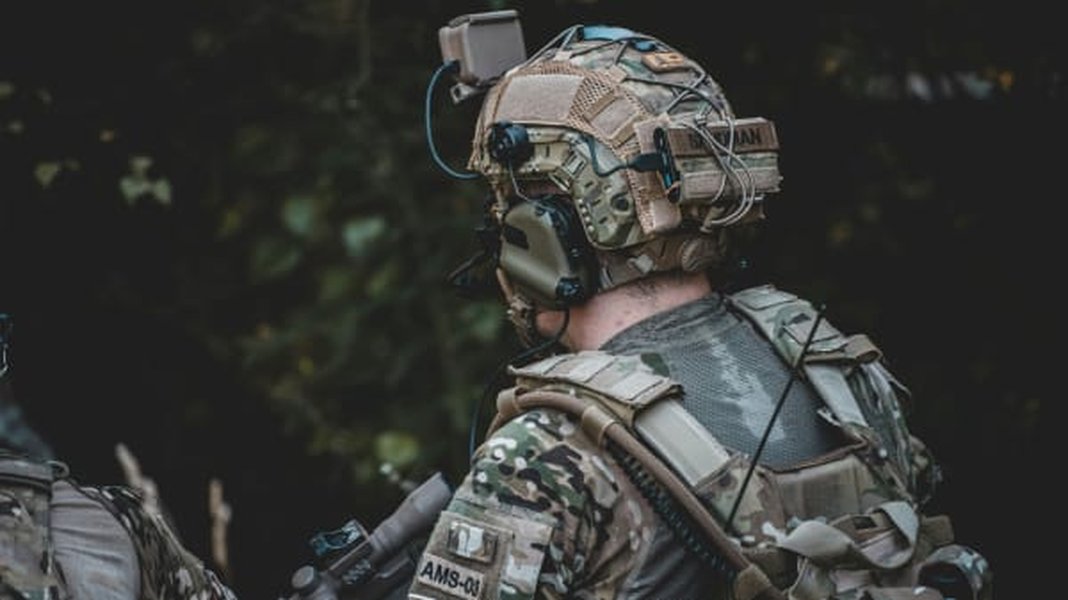
This image illustrates the progression from basic weaponry to modern, technology-driven systems, highlighting the rapid advancements in military capabilities. Analyzing this evolution helps us understand the potential future of warfare and the importance of managing technological risks.

From early synchronizing devices to modern stealth technology, this image highlights the specific advancements in military aircraft, demonstrating the increasing sophistication and complexity of aerial warfare.
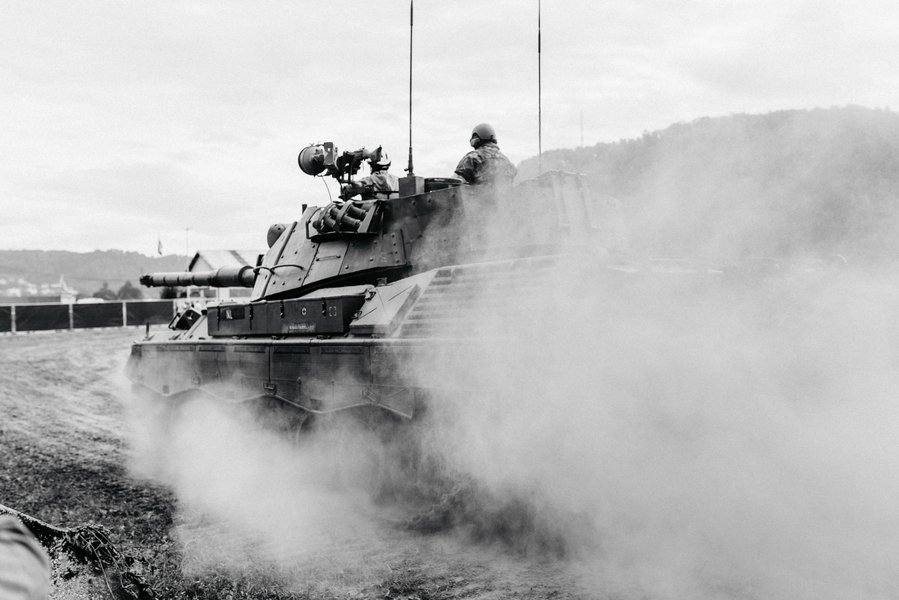
This image underscores the growing role of AI in military weaponry, raising ethical questions about autonomous weapons systems and the future of human control in warfare.
Nuclear Testing: A Stark Reminder
The history of nuclear testing serves as a stark reminder of the destructive potential of advanced weaponry. The consequences of these tests, both environmental and human, underscore the need for caution and international cooperation in managing such technologies.
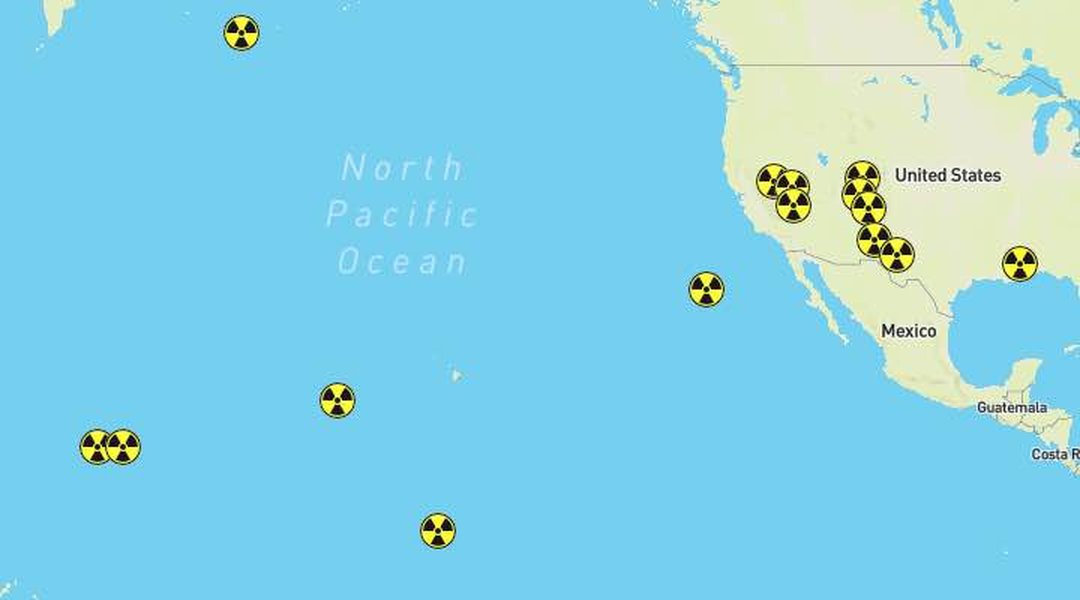
This map illustrates the global scope of nuclear testing sites, highlighting the widespread impact of these activities. The legacy of nuclear testing includes long-term environmental contamination and health issues for communities near the test sites.

This image of the Plumbbob-Hood test is a stark visualization of the immense power of nuclear weapons, serving as a constant reminder of the potential for devastation.

The crater remains from a detonated nuclear bomb serve as a lasting testament to the destructive force unleashed during nuclear tests, emphasizing the need for careful management and control of such weapons.
Assessing the Odds: A Comprehensive Table
To better understand the various factors influencing humanity's survival, consider the following table:
| Factor | Description | Potential Impact | Mitigation Strategies |
|---|---|---|---|
| Advanced Weaponry | Development and deployment of increasingly lethal weapons. | Increased risk of large-scale conflicts and accidental wars. | Arms control treaties, international cooperation, defensive technologies. |
| Climate Change | Rising global temperatures, extreme weather events, and environmental degradation. | Catastrophic environmental conditions, resource scarcity, and mass displacement. | Reducing greenhouse gas emissions, sustainable development, climate adaptation measures. |
| Artificial Intelligence | Uncontrolled development of AI systems with potentially misaligned goals. | Existential threat to humanity if AI becomes autonomous and uncontrollable. | Ethical guidelines for AI development, safety protocols, international oversight. |
| High-Energy Experiments | Scientific experiments that push the boundaries of human knowledge. | Potential for unforeseen consequences, such as the creation of dangerous particles. | Rigorous safety protocols, extensive simulations, international oversight. |
| Natural Disasters | Asteroid impacts, supervolcanic eruptions, and other natural events. | Mass extinctions and long-term environmental damage. | Early warning systems, disaster preparedness, and mitigation measures. |
The Role of Artificial Intelligence in Shaping Our Future
Artificial intelligence (AI) stands as a pivotal force in shaping the trajectory of humanity, presenting both unprecedented opportunities and potential existential threats. Understanding the multifaceted impact of AI is crucial for navigating the complexities of our future.
This video, "Could AI Cause Human Extinction? (This NOT What You Think)," explores the dual nature of AI, highlighting both its potential benefits and the risks it poses to human existence. It delves into AI safety measures and how AI could impact our future, providing a balanced perspective on this critical topic. The video emphasizes the importance of proactive measures to ensure AI aligns with human values and goals, mitigating the risks of unintended consequences.
FAQ
What is the most likely cause of human extinction?
While it's impossible to predict with certainty, nuclear warfare, climate change, and uncontrolled AI development are often cited as the most significant threats.
Can advanced technology help prevent human extinction?
Yes, defensive technologies, sustainable development initiatives, and ethical AI guidelines can play a crucial role in mitigating risks.
How important is international cooperation in addressing these threats?
International cooperation is essential for managing the risks associated with advanced technologies and global challenges. Agreements on arms control, ethical guidelines, and collaborative efforts to address climate change are vital for reducing the likelihood of catastrophic events.
What can individuals do to help ensure humanity's survival?
Individuals can contribute by staying informed, advocating for responsible policies, supporting sustainable practices, and promoting ethical guidelines for technology development.
Are high-energy experiments dangerous?
While high-energy experiments carry potential risks, scientists take extensive precautions to minimize them. The benefits of these experiments, such as advancing our understanding of the universe, often outweigh the risks when conducted responsibly.
References
Last updated April 11, 2025