
From Menace to Mulch: Managing Hydrilla Weed Through Composting and Other Methods
Transforming an Invasive Aquatic Weed into a Valuable Resource
Key Takeaways
- Integrated Management: Combining mechanical, chemical, biological, and composting methods offers the most effective control of Hydrilla.
- Composting Benefits: Composting Hydrilla not only removes the invasive weed but also produces a nutrient-rich soil amendment.
- Precautions and Monitoring: Effective management requires adherence to environmental regulations, careful handling to prevent spread, and ongoing monitoring to ensure long-term control.
Understanding Hydrilla: The Aquatic Menace
Hydrilla verticillata, commonly referred to as Hydrilla, is a highly invasive aquatic weed that has disrupted ecosystems across various water bodies. Its rapid growth and resilience make it a formidable competitor against native aquatic plants, leading to decreased biodiversity and altered habitats. Hydrilla reproduces prolifically through fragments and tubers, allowing even small pieces to establish new colonies. This characteristic necessitates meticulous management to prevent its unchecked spread.
Comprehensive Management Strategies for Hydrilla
1. Mechanical Removal
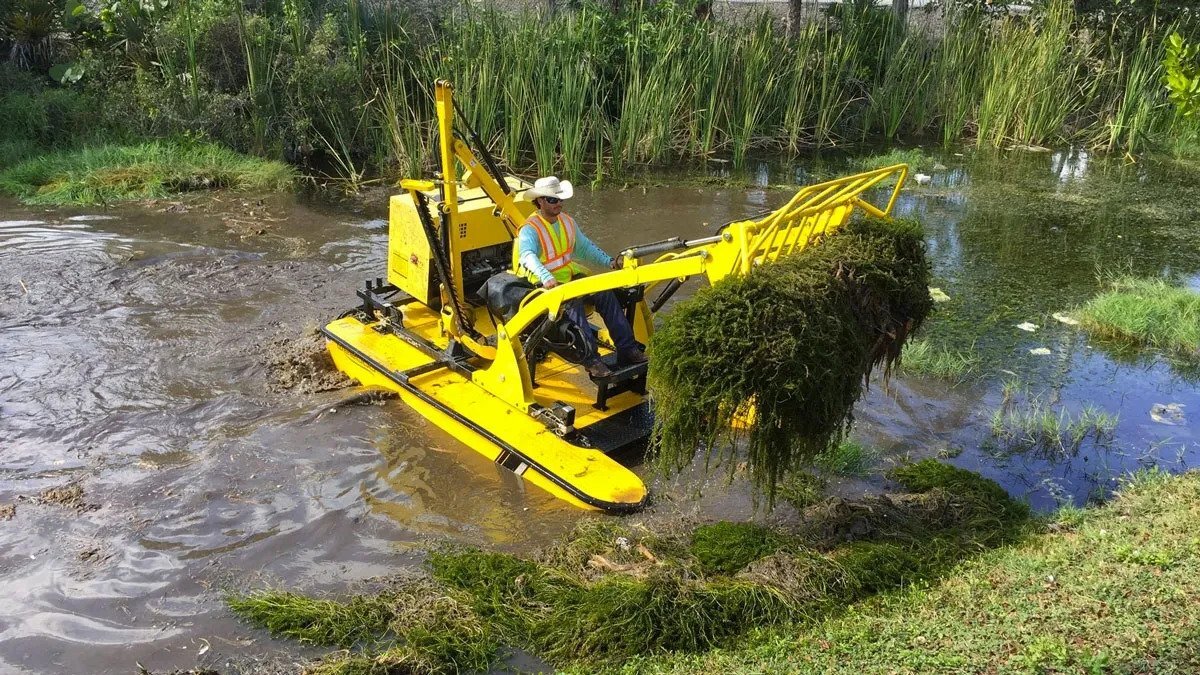
Mechanical removal involves the physical extraction of Hydrilla from water bodies. This can be achieved through manual methods, such as hand-pulling and digging up roots, or using specialized aquatic weed harvesters for larger infestations. While effective in reducing Hydrilla populations, this method is labor-intensive and carries the risk of fragmenting the weed, which can inadvertently promote its spread if not handled correctly.
2. Chemical Control
Chemical treatments are a common approach to managing Hydrilla. Herbicides such as Diquat, Fluridone, Endothall, and Copper Sulfate are frequently employed to inhibit the growth and proliferation of this invasive weed. Each herbicide has specific application protocols and environmental considerations:
Diquat
A fast-acting herbicide effective for quick knockdown of Hydrilla. It is best used in early stages of infestation to minimize environmental impact.
Fluridone
A systemic herbicide that provides long-term control by inhibiting photosynthesis in Hydrilla. It is suitable for whole-lake treatments but requires careful monitoring to avoid affecting non-target species.
Endothall
Highly effective in targeted areas, Endothall offers precise control with minimal environmental disruption when applied correctly.
Copper Sulfate
Widely available and cost-effective, Copper Sulfate is effective against Hydrilla but necessitates cautious application to prevent toxicity in aquatic ecosystems.
3. Biological Control
Biological control leverages natural predators to manage Hydrilla populations. Grass carp, for example, are herbivorous fish introduced in certain regions to consume Hydrilla. While this method offers sustainable long-term control, it must be implemented in compliance with local regulations to prevent unintended ecological consequences, such as the grass carp becoming invasive themselves.
4. Composting Hydrilla
Composting Hydrilla transforms this invasive weed from a nuisance into a valuable resource. This process involves converting Hydrilla biomass into nutrient-rich compost, which can be used as a soil amendment in agricultural and landscaping applications.
Process of Composting Hydrilla
- Collection and Preparation: Harvest Hydrilla from affected water bodies using mechanical removal techniques to minimize fragmentation.
- Drying: Allow the harvested Hydrilla to dry to reduce moisture content, thereby preventing excessive nitrogen loss during composting.
- Mixing with Carbon-Rich Materials: Combine Hydrilla with carbon-rich materials such as straw, leaves, or wood chips to achieve an optimal carbon-to-nitrogen (C:N) ratio, typically between 25:1 and 30:1.
- Composting: Utilize methods like rotary drum composting to facilitate microbial activity and decomposition. Maintaining temperatures above 140°F (60°C) is crucial to deactivate reproductive parts of Hydrilla.
- Curing: Allow the compost to cure for several months to ensure complete decomposition and stabilization of nutrients.
Benefits of Composting Hydrilla
- Waste Reduction: Converts invasive biomass into a manageable form, reducing the volume of Hydrilla in water bodies.
- Nutrient-Rich Soil Amendment: The resulting compost enhances soil fertility, promoting healthy plant growth in agricultural and landscaping projects.
- Environmental Sustainability: Provides an eco-friendly alternative to chemical treatments, minimizing potential environmental harm.
Challenges and Precautions
- High Moisture Content: Hydrilla’s inherent moisture can lead to high nitrogen loss during composting. Balancing the C:N ratio is essential to mitigate this issue.
- Fragmentation Risks: Ensuring that Hydrilla is adequately processed to prevent the spread of viable fragments is critical.
- Heavy Metal Accumulation: Testing the water source for heavy metals before composting is necessary to avoid contaminating the end product.
- Regulatory Compliance: Adhering to local environmental regulations regarding the disposal and processing of invasive species is mandatory.
5. Water Level Management
Adjusting water levels can expose Hydrilla to unfavorable conditions, making it easier to control. This method is often combined with other management strategies to enhance effectiveness.
Integrating Management Methods for Optimal Control
The most effective management of Hydrilla involves an integrated approach that combines multiple control methods. This strategy ensures comprehensive coverage and minimizes the likelihood of regrowth or spread:
- Mechanical Removal: Initial reduction of Hydrilla biomass using harvesters to lower the overall population.
- Chemical Treatments: Targeted application of herbicides to eliminate remaining plants and prevent regrowth.
- Biological Control: Introduction of natural predators like grass carp to sustain long-term control.
- Composting: Transformation of harvested Hydrilla into compost, mitigating waste and providing soil benefits.
- Monitoring and Maintenance: Regular assessment of water bodies to detect and address new Hydrilla growth promptly.
Comparative Analysis of Hydrilla Management Methods
| Method | Advantages | Disadvantages | Best Use Scenario |
|---|---|---|---|
| Mechanical Removal | Immediate reduction of biomass; No chemical use | Labor-intensive; Risk of fragmentation | Small to moderate infestations; Initial control |
| Chemical Control | Effective and fast-acting; Can cover large areas | Environmental impact; Requires careful application | Large infestations; When immediate reduction is needed |
| Biological Control | Sustainable long-term management; Minimal chemical use | Regulatory restrictions; Potential unintended consequences | Long-term control in regulated environments |
| Composting | Transforms waste into valuable resource; Reduces environmental footprint | Requires processing infrastructure; Time-consuming | Sustainable agriculture; Areas with composting facilities |
| Water Level Management | Non-chemical approach; Helps with other control methods | Limited effectiveness on its own; May impact other aquatic life | Complementary to other management strategies |
Implementation Guidelines for Composting Hydrilla
Step-by-Step Composting Process
To effectively compost Hydrilla, follow these detailed steps:
1. Harvesting and Collection
Utilize mechanical harvesters to collect Hydrilla from affected water bodies. Ensure that the harvesting process minimizes fragmentation to prevent the spread of viable fragments.
2. Drying the Biomass
Spread the harvested Hydrilla in a well-ventilated area to reduce moisture content. Proper drying is essential to prevent excessive nitrogen loss and to prepare the material for effective composting.
3. Preparing the Compost Mix
Combine dried Hydrilla with carbon-rich materials such as straw, leaves, or wood chips. Maintain a carbon-to-nitrogen (C:N) ratio of approximately 25:1 to facilitate optimal microbial activity.
4. Compositing Techniques
Employ methods like rotary drum composting to enhance the decomposition process. Ensure that the compost pile reaches and maintains temperatures above 140°F (60°C) to deactivate Hydrilla’s reproductive structures.
5. Curing and Stabilization
Allow the compost to cure for several months in a controlled environment. This period ensures complete decomposition and stabilization of nutrients, resulting in a safe and effective soil amendment.
Environmental and Regulatory Considerations
When composting Hydrilla, it is imperative to adhere to local environmental regulations to prevent potential ecological disruptions. Key considerations include:
- Testing for Contaminants: Analyze water sources for heavy metals and pollutants to ensure the safety of the composted product.
- Containment Measures: Utilize enclosed composting systems to prevent the escape of viable Hydrilla fragments during processing.
- Proper Disposal of Residues: Dispose of any non-compostable materials in accordance with environmental guidelines to minimize ecological impact.
Long-Term Monitoring and Maintenance
Effective Hydrilla management extends beyond initial control measures. Continuous monitoring is essential to detect and address any regrowth promptly. Implement the following practices for sustained control:
1. Regular Inspections
Conduct periodic assessments of water bodies to identify new Hydrilla growth. Early detection facilitates timely intervention, preventing large-scale infestations.
2. Adaptive Management
Adjust management strategies based on monitoring results and emerging conditions. Flexibility ensures that control measures remain effective under varying environmental scenarios.
3. Community Engagement
Involve local stakeholders, including boaters, homeowners, and environmental groups, in Hydrilla management efforts. Education and collaborative action enhance the effectiveness of control measures.
4. Maintenance Composting
Implement ongoing composting operations to process harvested Hydrilla consistently. This practice not only manages biomass but also contributes to soil health through regular application of composted material.
Benefits of Sustainable Hydrilla Management
Adopting sustainable management practices for Hydrilla offers numerous environmental and economic advantages:
- Enhanced Biodiversity: Reducing Hydrilla populations restores native aquatic plant communities, promoting a balanced ecosystem.
- Improved Water Quality: Controlling Hydrilla minimizes oxygen depletion in water bodies, benefiting aquatic life and water clarity.
- Resource Recovery: Composting Hydrilla transforms an invasive weed into a valuable product, supporting agricultural and landscaping needs.
- Cost-Effectiveness: Integrating multiple management methods can optimize resource allocation and reduce overall control costs.
- Environmental Sustainability: Minimizing chemical use and promoting biological control methods reduce the ecological footprint of Hydrilla management.
Case Study: Successful Hydrilla Management Through Integrated Approaches
In Lake Serenity, a combined management approach was employed to tackle an extensive Hydrilla infestation. The strategy included:
-
Initial Mechanical Removal: Large-scale harvesters were deployed to significantly reduce Hydrilla biomass.
-
Chemical Treatment: Targeted application of Fluridone was conducted to inhibit regrowth.
-
Introduction of Grass Carp: Biocontrol agents were introduced to provide sustained Hydrilla consumption.
-
Composting Operations: Harvested Hydrilla was composted, yielding a nutrient-rich amendment for local farms.
-
Ongoing Monitoring: Regular inspections ensured that Hydrilla remained under control and allowed for prompt action against any new growth.
As a result, Lake Serenity experienced a significant reduction in Hydrilla coverage, restoration of native plant species, and the creation of a beneficial compost resource, showcasing the efficacy of an integrated management approach.
Conclusion
Managing Hydrilla weed effectively requires a multifaceted approach that combines mechanical, chemical, biological, and composting methods. Composting Hydrilla not only mitigates the invasive spread but also offers environmental and economic benefits by converting the weed into valuable soil amendments. Adhering to best practices, regulatory guidelines, and continuous monitoring ensures long-term control and sustainability. By transforming Hydrilla from a menace to mulch, communities can achieve ecological balance while promoting resource recovery and environmental stewardship.
References
Last updated February 16, 2025