
Comprehensive Overview of Advanced Organic Waste Composting Machines
Innovations and Best Practices in Sustainable Composting Technology
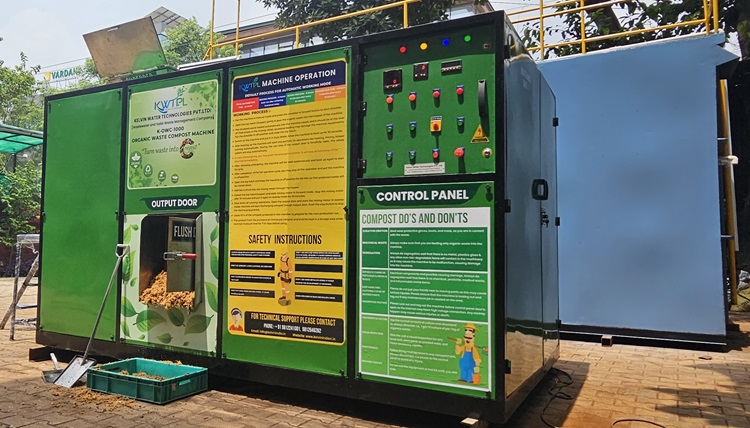
Key Takeaways
- Technological Innovations: Modern composting machines incorporate advanced features like automated temperature and moisture control, enhancing efficiency and compost quality.
- Process Optimization: Integration of sensors and control algorithms ensures optimal conditions for microbial activity, accelerating the composting process.
- Sustainability and Scalability: Developments focus on making composting machines affordable and adaptable for both household and industrial applications, promoting widespread adoption.
Introduction to Organic Waste Composting Machines
Organic waste composting machines play a pivotal role in transforming organic residues into valuable compost, contributing significantly to sustainable waste management and agricultural practices. These machines range from compact household units to large-scale industrial systems, each designed to optimize the decomposition process, reduce environmental impact, and produce high-quality fertilizer. The evolution of composting technology has been driven by the need for efficient, scalable, and user-friendly solutions to manage the increasing volume of organic waste generated by urban and rural populations alike.
Technological Advancements in Composting Machines
Automated Control Systems
Modern composting machines are equipped with automated control systems that regulate crucial parameters such as temperature, moisture, and aeration. Sensors continuously monitor these variables, ensuring that the composting process remains within optimal conditions for microbial activity. This automation not only enhances the efficiency of waste decomposition but also ensures consistency in compost quality.
Integration of Microbial Inoculants
The use of microbial inoculants has been a significant advancement in composting technology. These beneficial microorganisms accelerate the breakdown of organic matter, reduce the time required for composting, and improve the nutrient content of the final product. Composting machines now often include compartments for introducing specific strains of bacteria and fungi tailored to different types of organic waste.
In-Vessel Composting Techniques
In-vessel composting involves confining organic waste within a controlled environment, allowing for precise management of the composting conditions. This technique minimizes odors, reduces the risk of contamination, and accelerates the composting process. Advanced composting machines utilize in-vessel systems to handle large volumes of waste efficiently, making them suitable for both municipal and industrial applications.
Design Innovations and Process Efficiencies
Enhanced Aeration and Mixing Mechanisms
Effective aeration and mixing are critical for maintaining aerobic conditions essential for efficient composting. Recent design innovations include automated mixing arms and forced-air systems that ensure uniform distribution of air and heat throughout the composting medium. These features prevent the formation of anaerobic pockets, which can slow down the composting process and produce unpleasant odors.
Energy and Mass Balance Optimization
Optimizing the energy and mass balance within composting machines has led to increased efficiency and reduced operational costs. Detailed studies and simulations help in designing machines that maximize energy utilization and minimize waste. This includes recovering heat generated during composting for use in other processes, thereby enhancing the overall sustainability of the system.
Low-Cost and Scalable Solutions
There is a growing emphasis on developing low-cost composting machinery that is both affordable and scalable. Such solutions are particularly beneficial for small communities, farms, and decentralized waste management systems. These machines are designed using readily available materials and simple mechanical designs, making them easier to manufacture, maintain, and operate.
Comparative Analysis of Composting Methods
Windrow Composting vs. Vermicomposting
Windrow composting involves piling organic waste into long rows and periodically turning them to aerate the pile. While effective, it requires significant space and labor. Vermicomposting, on the other hand, utilizes earthworms to break down organic matter, producing rich compost with minimal labor. Combined methods, such as using windrows in conjunction with vermicomposting, have shown enhanced efficiency in pathogen elimination and biodegradation rates.
Pit Composting and In-Vessel Systems
Pit composting is a traditional method involving the burial of organic waste in pits, allowing natural decomposition. While cost-effective, it is slower and less controlled compared to in-vessel systems, which offer a higher degree of control over the composting environment, leading to faster and more consistent results.
Economic and Environmental Impact
Lifecycle and Cost-Benefit Analysis
Comprehensive lifecycle assessments and cost-benefit analyses indicate that mechanized composting systems are economically viable and environmentally beneficial. These systems reduce the volume of waste destined for landfills, lower greenhouse gas emissions, and produce valuable compost that can be used to enhance soil fertility and agricultural productivity.
Managing Contaminants and Ensuring Safety
Effective composting machines incorporate features to manage contaminants such as microplastics and heavy metals. Ensuring the safety of the compost involves thorough monitoring and controlling of the composting conditions to prevent the survival of pathogens and the persistence of harmful substances in the final product.
Practical Implementations and Case Studies
Household Composting Solutions
Compact, user-friendly composting machines designed for household use have gained popularity. These units enable individuals to manage their food waste efficiently, converting it into compost within a short period. Features such as odor control, easy operation, and quick processing times make them attractive to urban households seeking sustainable waste management solutions.
Industrial and Municipal Applications
In industrial and municipal settings, large-scale composting machines are employed to handle vast amounts of organic waste. These systems are designed for high efficiency, scalability, and integration into existing waste management frameworks. Case studies demonstrate significant reductions in landfill waste and the generation of high-quality compost, contributing to circular economy objectives.
Future Directions and Research Recommendations
Enhancing Process Optimization
Future research should focus on further optimizing the composting process through advanced sensor technologies, machine learning algorithms for predictive control, and improved microbial formulations. Enhancing process optimization will lead to faster decomposition rates, higher compost quality, and greater energy efficiency.
Addressing Socioeconomic Barriers
Adoption of composting machines is often hindered by socioeconomic factors such as initial investment costs, lack of awareness, and limited technical expertise. Research and development efforts should aim to create affordable, easy-to-use machines and implement training programs to facilitate widespread adoption across different communities.
Integrating Renewable Energy Sources
Incorporating renewable energy sources, such as solar or wind power, into composting machines can further enhance their sustainability. This integration reduces the carbon footprint of the composting process and makes the systems more self-sufficient, especially in remote or off-grid locations.
Comparative Table of Composting Machines
| Feature | Household Units | Industrial Systems |
|---|---|---|
| Capacity | Small (up to 100 kg/day) | Large (1000+ kg/day) |
| Processing Time | 24-48 hours | 48-72 hours |
| Automation Level | High | Moderate to High |
| Cost | Affordable | Higher Investment |
| Energy Source | Electricity | Electricity and Renewable |
| Compost Quality | High | High to Very High |
Conclusion
Organic waste composting machines represent a crucial element in the sustainable management of organic residues, offering numerous environmental and economic benefits. Technological advancements such as automated control systems, microbial inoculants, and in-vessel composting techniques have significantly enhanced the efficiency and effectiveness of these machines. The integration of process optimization strategies and the development of low-cost, scalable solutions are paving the way for widespread adoption across various settings, from individual households to large municipal systems. Future research should continue to focus on improving process efficiencies, reducing costs, and addressing socioeconomic barriers to maximize the impact of composting technology on global waste management and agricultural practices.
References
Last updated February 14, 2025